





Changzhou Veidt Weighing Co., Ltd. © 2022 ALL RIGHTS RESERVED Privacy Policy | Calibration Weight | Test Weights | Cast Iron Weights | Standard Weights | Laboratory Weights | XML | SITEMAP
NEWS LIST
test weight 20kg
Saturday 14th March 2026 Back to list
In a world driven by precision, consistency, and reliability, there are countless objects that operate behind the scenes, quietly upholding the standards that keep systems running smoothly and operations safe. One such unassuming item is the 20kg test weight, a solid, purpose-built mass that carries far more significance than its simple appearance suggests. It is not a flashy piece of technology, nor a complex machine with intricate parts, yet it serves as a cornerstone for measurement, testing, and quality assurance across countless sectors. This unremarkable hunk of durable material, calibrated to hold a steady 20 kilograms of mass, touches nearly every aspect of modern life, from the warehouses that store our goods to the machines that lift heavy loads, from the scales that weigh our purchases to the equipment that keeps public spaces functional. To overlook its value is to miss a critical piece of the puzzle that maintains order, accuracy, and safety in both industrial and everyday settings.
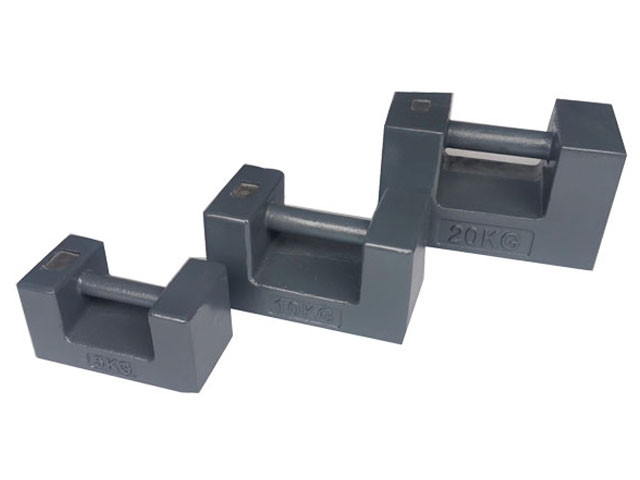
At its core, a 20kg test weight is defined by its unwavering mass consistency. Crafted from robust materials chosen for their ability to resist wear, corrosion, and deformation, it is engineered to maintain its exact weight over years of use, even when subjected to harsh conditions like fluctuating temperatures, moisture, or repeated handling. Unlike ordinary objects that may lose or gain mass over time due to damage, rust, or material degradation, this test weight is built to stay true to its 20kg specification, making it a trusted reference point for all forms of weight verification. Its design is often practical, with smooth surfaces and ergonomic features that allow for easy lifting, placement, and storage, ensuring that workers can handle it safely during testing and calibration tasks without unnecessary strain. It does not boast fancy features or decorative details; every element of its construction serves a functional purpose, prioritizing stability and accuracy above all else. This dedication to simplicity and reliability is what makes it such a vital tool in any setting where precise weight measurement is non-negotiable.
One of the most prominent roles of the 20kg test weight lies in the calibration of weighing equipment, a task that underpins fair trade, accurate inventory management, and quality control across industries. Every day, millions of weighing scales are used in warehouses, retail spaces, manufacturing plants, and logistics hubs to measure goods, materials, and products. Whether it is a large industrial scale used to weigh bulk shipments or a smaller platform scale for individual items, these machines rely on regular calibration to ensure their readings are correct. A 20kg test weight acts as a universal benchmark here: technicians place the weight carefully on the scale’s platform, checking if the device registers the exact 20kg mass. If the reading deviates even slightly, adjustments can be made to bring the scale back into alignment, eliminating errors that could lead to costly mistakes. In logistics, for example, inaccurate weighing can result in overloaded vehicles, delayed shipments, or wasted resources; in retail, it can lead to unfair pricing for customers and lost revenue for businesses. By providing a consistent, verifiable mass, the 20kg test weight ensures that every weighing transaction is transparent and trustworthy, fostering reliability in commercial operations that keep economies moving.
Beyond calibration, the 20kg test weight plays a pivotal role in load testing for lifting and handling equipment, a practice that is essential for workplace safety across construction, manufacturing, and shipping industries. Cranes, hoists, winches, forklifts, and elevators are all designed to lift and move heavy loads, but their performance and safety must be rigorously tested before they are put into regular use, and periodically inspected thereafter to ensure they remain in proper working order. The 20kg test weight serves as a controlled load for these tests, allowing operators to assess how the equipment handles a specific, known weight without risking damage to machinery or harm to workers. During these tests, technicians observe how the lifting equipment stabilizes, lifts, and lowers the 20kg mass, checking for signs of strain, imbalance, or mechanical failure. This process helps identify potential weaknesses in the equipment’s structure, hydraulics, or braking systems before they lead to accidents in real-world scenarios. In construction, where heavy materials are lifted to great heights, and in manufacturing, where machinery operates at full capacity daily, this load testing is not just a precaution—it is a necessity. The 20kg test weight’s manageable size and consistent mass make it ideal for these routine checks, striking a balance between being large enough to simulate meaningful load stress and small enough to be handled safely in various work environments.
The reach of the 20kg test weight extends further into the realm of mechanical and structural testing, where it aids in evaluating the durability, tension, and balance of countless components and systems. Engineers and technicians use this test weight to measure the performance of springs, cables, ropes, and support structures, assessing how these materials withstand a fixed 20kg load over time. For instance, in automotive settings, it can be used to test suspension springs and shock absorbers, ensuring they can support consistent weight without losing their elasticity or structural integrity. In construction and infrastructure projects, it helps verify the tension of steel cables and support beams, confirming that these critical elements can bear the required loads to keep buildings, bridges, and other structures stable. Even in marine and offshore operations, the 20kg test weight is used to assess the buoyancy and stability of small watercraft and safety equipment, ensuring they perform reliably in challenging aquatic conditions. In each of these applications, the test weight’s fixed mass provides a standardized variable, allowing professionals to gather accurate, comparable data that guides design decisions, maintenance schedules, and safety protocols. Without this consistent reference point, testing would be inconsistent, and the reliability of vital mechanical and structural systems would be called into question.
What makes the 20kg test weight truly remarkable is its versatility, adapting to a wide range of specialized and everyday uses that often go unnoticed by the general public. In laboratory settings, it serves as a reference mass for scientific experiments and research, where precise measurements are critical to obtaining valid results. Researchers rely on its stable weight to calibrate sensitive balances and measuring devices, ensuring that data collected during studies is accurate and replicable. In agricultural operations, it can be used to test weighing equipment for crops, feed, and livestock products, helping farmers manage inventory and ensure fair sales. In waste management and recycling facilities, it aids in calibrating scales that measure recyclable materials, supporting efficient waste processing and resource recovery. Even in small-scale workshops and repair shops, the 20kg test weight finds a purpose, helping technicians test the accuracy of small lifting tools and weighing devices used for repairs and part replacements. Its utility is not limited to large industrial operations; it is equally valuable in small businesses and specialized trades, proving that its impact is far-reaching and inclusive.
The longevity and resilience of the 20kg test weight further enhance its value, making it a cost-effective and sustainable tool for long-term use. Constructed from high-density, durable materials, it resists the wear and tear that comes with frequent handling, outdoor exposure, and industrial environments. Unlike disposable or fragile testing tools, it does not require frequent replacement, reducing waste and minimizing the need for continuous investment in new equipment. Properly cared for, a 20kg test weight can maintain its accuracy for decades, serving multiple generations of workers and technicians across various roles. This durability aligns with modern efforts to promote sustainability in industry, as it reduces the consumption of raw materials and the energy required to manufacture new testing tools. It is a testament to thoughtful design—prioritizing longevity and functionality over fleeting trends, creating a product that serves its purpose reliably without contributing to unnecessary waste.
In daily life, the influence of the 20kg test weight is indirect but pervasive, shaping the quality and safety of the products and services we rely on. When we purchase groceries, the accuracy of the scale weighing our produce is often verified using test weights like this one. When we ride an elevator in a commercial building, we can feel secure knowing that the elevator’s lifting capacity was tested with controlled weights to ensure safe operation. When we receive packages delivered to our homes, we can trust that the shipping weights were measured accurately, thanks to calibrated scales validated by reference masses. Every time we interact with a system that involves weight measurement, load bearing, or mechanical stability, there is a high chance that a 20kg test weight played a part in ensuring that system works as it should. It is a silent guardian of quality and safety, working behind the scenes to prevent errors, accidents, and inefficiencies that could disrupt our daily lives.
It is easy to take such a simple object for granted, to dismiss it as just a heavy block with no real purpose beyond its weight. But the 20kg test weight embodies the importance of standardization and precision in a world that depends on consistency. In a time where technology advances rapidly and complex systems dominate industry, this basic tool reminds us that the foundation of reliability often lies in simple, well-crafted objects that fulfill their purpose without fanfare. It does not seek attention or recognition; it simply exists to provide a consistent, accurate reference point that keeps countless operations running smoothly. Whether in a bustling factory, a quiet laboratory, a busy warehouse, or a construction site high above the ground, it fulfills its duty with unwavering consistency, proving that even the most unassuming items can hold immense value.
As industries continue to evolve and demand higher levels of accuracy and safety, the role of the 20kg test weight remains unchanged and irreplaceable. New technologies may emerge to automate testing and calibration processes, but they still require a physical, verifiable reference mass to function correctly—and the 20kg test weight fits that need perfectly. It is a timeless tool that bridges the gap between traditional craftsmanship and modern innovation, adapting to new applications while retaining its core purpose. Workers across all skill levels and industries appreciate its reliability; it is a tool that does not fail, does not fluctuate, and does not require constant monitoring to perform its job. It is a constant in a world of variables, a steady anchor that ensures measurement and testing remain grounded in truth.
In conclusion, the 20kg test weight is far more than a static mass of metal or alloy—it is a vital component of modern industry, commerce, and safety. Its steady 20kg mass supports calibration, load testing, mechanical evaluation, and quality control across a vast array of sectors, touching nearly every part of our daily lives in ways we rarely consider. It is a symbol of reliability, precision, and practicality, crafted to perform a single task with unwavering excellence. From large-scale industrial operations to small, specialized workshops, it proves that simplicity and consistency are often the most powerful attributes a tool can have. The next time we encounter a accurately weighed product, a safely operating lift, or a reliably functioning piece of machinery, we can pause to recognize the quiet contribution of the 20kg test weight—a humble hero that works tirelessly behind the scenes to keep our world balanced, accurate, and safe.
