





Changzhou Veidt Weighing Co., Ltd. © 2022 ALL RIGHTS RESERVED Privacy Policy | Calibration Weight | Test Weights | Cast Iron Weights | Standard Weights | Laboratory Weights | XML | SITEMAP
NEWS LIST
test weight 1kg
Saturday 14th March 2026 Back to list
In the chaos of daily routines, we often overlook the small, unassuming measurements that anchor our world. One kilogram is such a unit—simple, standardized, and universally understood, yet brimming with unspoken stories, subtle power, and quiet significance that extends far beyond the numbers on a scale. It is not an overwhelming load, nor a negligible trifle; it is a balanced measure that mirrors the gentle rhythms of existence, the small efforts that build progress, and the quiet connections that bind human lives together. To hold one kilogram in one’s hands is to feel a tangible link between science and daily living, between individual action and collective experience, and to recognize that even the most ordinary measurements hold extraordinary depth when we take the time to observe and reflect.
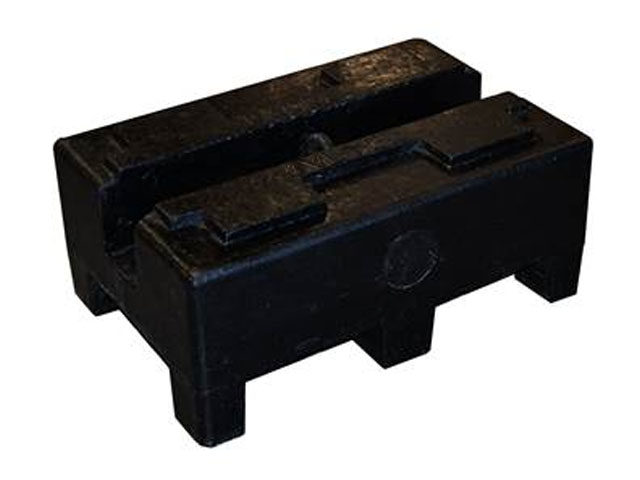
At its core, one kilogram is a fundamental unit of mass in the global metric system, a constant that transcends borders, languages, and cultures. Defined not by arbitrary objects but by universal physical constants, it remains consistent across every corner of the planet, a rare thread of uniformity in a world marked by diversity. In practical terms, it is the weight of a liter of pure water at a specific temperature, a natural reference point that ties this man-made unit to the earth’s most essential substance. It is the heft of a small bag of grains, the bulk of a ripe seasonal fruit, the weight of a well-loved paperback book filled with stories, or the mass of a handheld tool that aids in daily tasks. These everyday items, each tipping the scale at one kilogram, remind us that this unit is not confined to laboratories or mathematical equations; it lives in the cabinets of our kitchens, the shelves of our libraries, the pockets of our bags, and the spaces where we work, rest, and connect with others.
Consider the quiet impact of one kilogram in the realm of health and physical well-being, a space where small shifts often yield lasting change. For those who tend to their bodies with care, adding or shedding one kilogram is rarely a sudden transformation, but a reflection of consistent choices—nourishing meals, gentle movement, restful sleep, and mindful habits. It is the result of skipping overly processed foods in favor of whole, nourishing ingredients, of taking short walks each day instead of remaining sedentary, of prioritizing hydration and rest over constant haste. This modest weight change does not demand extreme sacrifice or relentless effort; it asks for patience, consistency, and a gentle commitment to oneself. In a world that often glorifies drastic, rapid transformations, the slow, steady journey of adjusting one’s weight by one kilogram stands as a reminder that meaningful progress is built in small, sustainable increments. It teaches us that wellness is not a destination reached in a single leap, but a path walked one careful step at a time, where every small choice accumulates to create lasting balance and vitality.
Beyond physical health, one kilogram carries profound weight in the world of growth and learning, both for individuals and communities. Think of a student carrying a one-kilogram notebook filled with notes, sketches, and ideas—each page a record of curiosity, effort, and intellectual exploration. That small stack of paper holds not just ink and words, but the potential for new understanding, creative breakthroughs, and personal growth. It is the weight of knowledge gained through hours of study, of questions asked and answered, of mistakes made and lessons learned. For a child learning to write, draw, or explore science, that one-kilogram collection of materials is a gateway to the world, a tool to shape their understanding of the universe around them. For an adult pursuing a new skill, revisiting a forgotten passion, or expanding their professional expertise, the same modest weight represents dedication and a willingness to keep learning, even when progress feels slow. One kilogram, in this sense, is the weight of potential—unassuming at first glance, but capable of growing into something far greater as time and effort are invested.
In the context of labor and craftsmanship, one kilogram embodies the value of careful, intentional work. A craftsperson shaping raw materials, whether wood, metal, clay, or fabric, often handles components that weigh close to one kilogram, turning simple matter into functional, beautiful objects. It is the weight of a block of wood being carved into a handmade utensil, the mass of a lump of clay being molded into a ceramic vessel, the heft of a bundle of thread being woven into a piece of textile. Each movement, each adjustment, each careful stroke is guided by an understanding of that weight—how it moves, how it responds, how it can be shaped with patience and skill. This work is rarely flashy or attention-grabbing; it is quiet, repetitive, and rooted in respect for the material and the process. Yet the end result, born from handling that one-kilogram mass with care, is a testament to human ingenuity and dedication. It reminds us that value is not always found in size or grandeur, but in the care and intention poured into even the smallest, most modest tasks. One kilogram becomes a measure of craftsmanship, a symbol of the hands that create, repair, and nurture the world around us.
The weight of one kilogram also resonates deeply in moments of connection and kindness, where small gestures carry immense meaning. Imagine passing a one-kilogram bag of fresh produce to a neighbor in need, handing a one-kilogram bundle of supplies to someone facing hardship, or sharing a one-kilogram container of homemade food with a loved one. That modest weight is not just a physical object; it is a gesture of care, empathy, and solidarity. It says, “I see you, I care about you, and I am here to offer what I can.” In a world that often emphasizes large-scale acts of charity or grand displays of generosity, these small, one-kilogram gestures are the quiet backbone of human connection. They do not make headlines or draw praise, but they warm hearts, ease burdens, and strengthen the bonds between people. A single kilogram of sustenance can calm hunger, a kilogram of supplies can bring comfort, and a kilogram of thoughtful gifts can express love and appreciation far more deeply than any extravagant offering. It is a reminder that kindness is not measured by scale or scope, but by sincerity—and even the smallest, lightest gifts can hold immeasurable weight in the heart.
In nature, too, one kilogram reveals the delicate balance of the world around us, a reminder of the harmony that exists in modest proportions. It is the weight of a small animal navigating its habitat, the mass of a cluster of seeds that holds the potential for new growth, the heft of a stone that shapes the flow of a stream. These natural elements, each weighing roughly one kilogram, play vital roles in the ecosystems they inhabit, contributing to the cycle of life, growth, and renewal. A small creature’s one-kilogram frame allows it to move through its environment, find food, and care for its young; a handful of seeds, though light, can grow into towering plants that sustain countless other living things; a smooth stone, unassuming in its weight, alters the course of water and shapes the landscape over time. Nature does not prioritize excess or grandeur; it thrives on balance, and one kilogram is a perfect embodiment of that balance. It teaches us that every living thing, no matter how small or seemingly insignificant, has a place and a purpose, and that the natural world is sustained by the quiet, consistent contributions of even the tiniest components.
As we navigate the pressures and complexities of modern life, we often find ourselves chasing larger goals, heavier burdens, and grander achievements, forgetting to appreciate the power of modesty and moderation. We fixate on big milestones, dramatic changes, and overwhelming workloads, overlooking the beauty and strength in the small, manageable measures that define our days. One kilogram stands as a gentle counter to this mindset, a quiet reminder that greatness is not found in excess, but in balance. It is a weight that is manageable, sustainable, and attainable—one that we can carry with grace, rather than struggle under with strain. It encourages us to let go of the urge to take on more than we can bear, to embrace moderation in our efforts, our desires, and our ambitions, and to find contentment in the small, meaningful moments that make up a life.
This unit of measure also teaches us resilience, for one kilogram is a weight that can be carried forward, even on difficult days. It is not so heavy that it crushes us, nor so light that it fails to ground us. When faced with challenges, setbacks, or moments of doubt, the idea of one kilogram can serve as a metaphor for taking life one step at a time. Instead of focusing on the overwhelming weight of a long journey or a difficult task, we can focus on carrying just one kilogram at a time—one small task, one kind act, one moment of perseverance, one step toward a goal. This shift in perspective turns the insurmountable into the manageable, the daunting into the doable. It reminds us that resilience is not about carrying massive loads without faltering, but about moving forward steadily, even when the path is hard, and trusting that each small, consistent effort adds up to progress.
In the realm of memory and nostalgia, one kilogram can hold the weight of cherished moments and beloved connections. It might be the weight of a childhood toy that has been kept for decades, a handwritten letter from a dear friend, a piece of jewelry passed down through generations, or a small memento from a meaningful trip. These objects, each weighing roughly one kilogram, are not valuable for their material worth, but for the emotions and memories they carry. They hold the warmth of a hug, the sound of a loved one’s voice, the joy of a happy moment, or the comfort of a familiar place. To hold such an object is to hold a piece of the past, a tangible link to the people and moments that have shaped us. One kilogram, in this deeply personal sense, becomes a vessel for love, memory, and identity, a quiet reminder of the things that matter most in life.
We also see the power of one kilogram in the collective effort of communities, where small individual contributions combine to create meaningful change. A single person donating one kilogram of food, supplies, or resources may seem insignificant on its own, but when hundreds, thousands, or millions of people add their one kilogram to the cause, the impact becomes profound. It is the cumulative weight of kindness, generosity, and solidarity that feeds the hungry, shelters the homeless, supports the vulnerable, and builds stronger, more compassionate communities. This collective power proves that no act of giving is too small, no contribution too modest. One kilogram from one person may not change the world alone, but when joined with the kilograms of countless others, it becomes a force for good that ripples outward, touching lives far beyond the initial gesture.
Looking to the future, one kilogram remains a timeless measure that will continue to anchor human life and progress. As technology advances, societies evolve, and the world changes in countless ways, the simplicity and consistency of one kilogram will endure. It will still be the weight of essential goods, the measure of small progress, the symbol of quiet kindness, and the reminder of balanced living. It will continue to teach us that value lies not in excess, but in intention; that strength lies not in grandeur, but in consistency; and that meaning lies not in the extraordinary, but in the ordinary moments we often overlook.
In the end, one kilogram is far more than a unit of mass or a number on a scale. It is a reflection of life itself—balanced, modest, resilient, and full of quiet potential. It is the weight of care, the weight of effort, the weight of connection, and the weight of meaning. It reminds us to slow down, to appreciate the small things, to embrace moderation, and to find strength in consistency. Whether we hold it in our hands as a physical object, carry it as a metaphor for life’s journey, or contribute it as a gesture of kindness, one kilogram remains a powerful, unassuming reminder that the most meaningful things in life are often the simplest and the most steady. It is a quiet measure that speaks volumes, a small weight that holds the world together, and a gentle lesson that resonates across every aspect of human existence.
We move through life carrying countless weights, both physical and emotional, but it is the modest, consistent ones like one kilogram that ground us and guide us. They do not demand our attention or our praise, but they offer us stability, perspective, and purpose. They remind us that we do not need to carry the weight of the world to make a difference; we only need to carry our small, sincere part with care and intention. And in that quiet, humble carrying, we find fulfillment, connection, and a life well-lived—all wrapped up in the unassuming, universal weight of one kilogram.
