





Changzhou Veidt Weighing Co., Ltd. © 2022 ALL RIGHTS RESERVED Privacy Policy | Calibration Weight | Test Weights | Cast Iron Weights | Standard Weights | Laboratory Weights | XML | SITEMAP
NEWS LIST
light weight test weight
Saturday 21st March 2026 Back to list
In the vast and intricate world of precision measurement and industrial quality control, test weights stand as one of the most fundamental and irreplaceable tools, serving as the silent backbone of accurate weighing across countless sectors. Among the diverse range of test weights available today, light weight test weights have carved out a unique and indispensable niche, evolving from a simple alternative to traditional heavy test weights into a core component that reshapes daily measurement workflows, enhances operational efficiency, and expands the boundaries of where and how weight calibration and testing can be performed. Unlike their bulkier, heavier counterparts that have long dominated industrial and laboratory settings for large-scale calibration tasks, light weight test weights are designed with a deliberate focus on portability, maneuverability, and versatile functionality, without compromising the core requirement of consistent mass stability that defines all reliable test weights. This delicate balance between reduced physical weight and unwavering measurement reliability is what makes these specialized weights a game-changer for professionals who work in dynamic, space-constrained, or remote environments, where traditional heavy test weights would be impractical, cumbersome, or even impossible to use effectively.
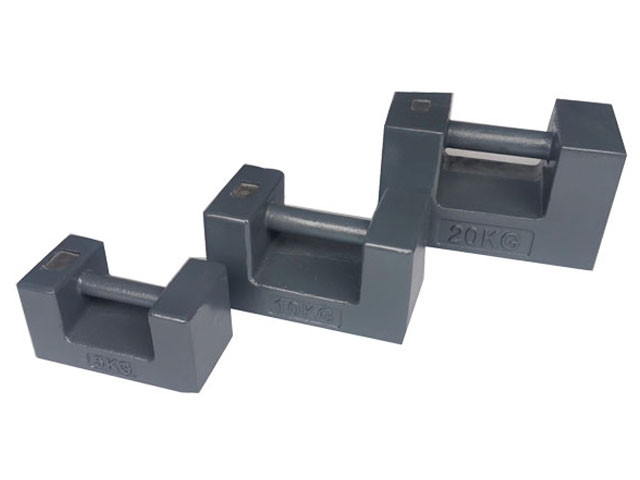
To fully grasp the significance of light weight test weights, it is essential to first understand their core purpose and the principles that guide their design. At their most basic level, all test weights are standardized mass references used to verify, calibrate, and maintain the accuracy of weighing equipment, ranging from small laboratory balances and portable bench scales to larger industrial floor scales and commercial weighing systems used in logistics, manufacturing, and retail. The defining characteristic of light weight test weights is their optimized physical profile: they are engineered to have a lower overall weight and more compact dimensions relative to their nominal mass value, achieved through careful material selection, precision engineering, and streamlined structural design. This does not mean they are flimsy or less durable; instead, manufacturers prioritize high-quality, density-appropriate materials that offer exceptional strength-to-weight ratios, ensuring the weights can withstand repeated handling, regular use, and exposure to various working conditions without warping, corroding, or losing their precise mass calibration over time. Every light weight test weight is crafted to maintain a consistent, stable mass that aligns with international measurement standards, providing a trustworthy reference point that users can rely on for routine checks, spot calibrations, and on-site verification tasks.
The material science behind light weight test weights is a critical element of their performance and practicality, as the choice of material directly impacts their weight, durability, resistance to environmental factors, and long-term mass stability. Manufacturers avoid overly dense, heavy materials that would defeat the purpose of a lightweight design, instead opting for advanced alloys, treated composite materials, and high-grade non-ferrous metals that offer a perfect blend of low mass density and robust structural integrity. These materials are carefully processed to resist common issues that can affect measurement accuracy, such as oxidation, moisture absorption, and surface wear, which are particularly important for weights that are frequently transported or used in outdoor or semi-outdoor settings. Unlike some heavier test weights that are made from dense cast metals and require significant physical effort to lift, move, and position, light weight test weights are easy to handle with minimal physical strain, making them accessible to a wider range of users, including those who work alone or in teams with limited manpower. The surface finish of these weights is also meticulously refined to prevent dust, debris, or moisture from adhering to the surface, which could alter their mass and compromise measurement results; smooth, non-porous surfaces are standard, allowing for quick and easy cleaning without the need for harsh chemicals or intensive maintenance routines.
One of the most prominent advantages of light weight test weights is their unparalleled portability, which opens up a world of new possibilities for on-site and field-based measurement work that was previously limited by the bulk of traditional test weights. In many industries, weighing equipment is not confined to fixed laboratory or factory floors; it is used in remote construction sites, agricultural facilities, logistics hubs, mobile repair workshops, and temporary field stations, where transporting heavy, bulky test weights is logistically challenging and time-consuming. Light weight test weights solve this problem effortlessly, as they can be easily carried in specialized cases, toolbags, or even handheld containers, without requiring heavy-duty lifting equipment, dedicated transport vehicles, or multiple personnel to move them. This portability does not come at the cost of functionality: even the most compact light weight test weights can cover a wide range of nominal mass values, allowing users to perform comprehensive calibration and testing tasks for different types of weighing equipment, from small precision tools used in laboratory research to larger scales used for weighing raw materials, finished products, or packaged goods. For professionals who need to conduct on-site verification of weighing equipment at multiple locations throughout the day, this level of portability translates directly to saved time, reduced labor costs, and increased productivity, as they can complete more tasks in less time without being slowed down by heavy equipment.
Beyond portability, light weight test weights excel in terms of operational flexibility and adaptability, making them suitable for an incredibly diverse array of applications across nearly every industry that relies on accurate weighing. In laboratory and research settings, where precision is paramount and workspace is often limited, these weights are ideal for calibrating small analytical balances, precision scales, and micro-weighing tools, where even a small amount of excess weight or bulk can disrupt delicate measurement setups. Researchers and lab technicians can easily handle and position the weights with one hand, minimizing the risk of accidental damage to sensitive equipment and ensuring that calibration procedures are carried out with the utmost care and accuracy. In manufacturing and production environments, light weight test weights are used for routine quality control checks on production line scales, ensuring that raw materials are measured correctly, finished products meet weight specifications, and packaging is consistent. Their lightweight design allows workers to perform quick spot checks during production runs without interrupting the workflow, as they do not need to pause to lift or move heavy weights, which helps maintain continuous production efficiency and reduces the risk of downtime caused by inaccurate weighing.
The logistics and transportation sectors also benefit greatly from the use of light weight test weights, where accurate weighing is critical for compliance with shipping regulations, inventory management, and cost calculation. Warehouse workers, freight handlers, and logistics coordinators often need to verify the accuracy of portable scales used for weighing packages, pallets, and bulk goods in various locations within a warehouse or distribution center, and light weight test weights allow them to do this quickly and efficiently on the floor, without having to transport scales to a fixed calibration station. In agricultural and field-based industries, such as farming, horticulture, and environmental testing, these weights are used to calibrate portable scales for weighing crops, soil samples, feed, and other materials, often in outdoor or rural locations where access to heavy calibration equipment is limited. The ability to perform accurate weight verification in these remote settings ensures that agricultural operations run smoothly, inventory is tracked correctly, and samples are measured accurately for research and compliance purposes. Additionally, light weight test weights are widely used in small businesses, retail operations, and service industries, where compact, easy-to-use calibration tools are needed to maintain the accuracy of commercial scales used for selling goods by weight, ensuring fairness for both businesses and customers.
Safety is another key benefit that sets light weight test weights apart from traditional heavy test weights, particularly in workplaces where manual handling of heavy objects poses a risk of injury. Heavy test weights, especially those with larger nominal mass values, require significant physical strength to lift, carry, and position correctly, and repeated handling can lead to muscle strain, back injuries, or other workplace accidents, especially for users who perform calibration tasks on a daily basis. Light weight test weights eliminate this risk almost entirely, as their reduced weight means they can be handled safely and comfortably by nearly any user, regardless of physical strength or size. This not only protects workers from potential injuries but also reduces the risk of accidental damage to the weighing equipment or the test weights themselves; a lighter weight is less likely to cause scratches, dents, or structural damage to delicate scale platforms or balance pans if dropped or mishandled. Furthermore, the compact size of light weight test weights reduces the risk of tripping hazards or clutter in the workplace, as they take up minimal storage space when not in use, making them a safer and more practical choice for busy, high-traffic work environments.
Long-term reliability and consistent performance are non-negotiable for any test weight, and light weight test weights are engineered to meet the same strict standards of mass stability as their heavier counterparts, despite their reduced physical weight. Manufacturers conduct rigorous internal testing and quality control processes during production to ensure that each weight maintains its precise nominal mass over time, even with regular use and exposure to varying temperatures, humidity levels, and handling conditions. The materials used in their construction are chosen for their resistance to dimensional changes and mass loss, meaning that the weights will not warp, shrink, or expand significantly under normal working conditions, which is essential for maintaining accurate measurement results. While regular periodic verification of all test weights is recommended to ensure ongoing accuracy, light weight test weights require minimal maintenance to preserve their performance; simple cleaning to remove surface debris and proper storage in a dry, protected environment are usually sufficient to keep them in optimal condition for years. This low-maintenance design adds to their practical value, as users do not need to invest significant time or resources into upkeep, unlike some more complex measurement tools or heavy test weights that require specialized storage and handling.
The evolution of light weight test weights also reflects a broader shift in modern industry toward efficiency, practicality, and user-centric design, as businesses and professionals increasingly prioritize tools that can adapt to changing work demands and flexible operating models. In an era where remote work, on-site services, and mobile operations are becoming more common across all sectors, the ability to perform accurate, reliable measurement tasks without being tied to a fixed location or heavy equipment is more valuable than ever. Light weight test weights embody this shift, offering a solution that is both high-performing and highly accessible, bridging the gap between precision measurement and real-world practicality. They prove that effective calibration tools do not need to be heavy or bulky to be reliable, and that innovation in material science and engineering can create tools that enhance both productivity and user experience without sacrificing quality.
It is also important to recognize the complementary role that light weight test weights play alongside other types of test weights, rather than viewing them as a replacement. While heavy, dense test weights remain essential for large-scale calibration of industrial heavy-duty scales, high-capacity weighing systems, and fixed laboratory equipment that requires large mass references, light weight test weights fill the gaps in daily, routine, and field-based calibration tasks that make up the majority of measurement work for most professionals. Together, these different types of test weights form a comprehensive toolkit for accurate weighing, each serving a specific purpose and addressing unique operational needs. Light weight test weights handle the quick checks, on-site verifications, and small-scale calibrations, while heavier weights handle the large-scale, high-capacity tasks, creating a balanced and efficient system that covers all aspects of weight measurement and calibration.
Looking ahead, the demand for light weight test weights is expected to continue growing as industries become more mobile, efficient, and focused on workplace safety and ergonomics. Advances in material science will likely lead to even more refined designs, with further improvements in strength-to-weight ratios, environmental resistance, and compactness, while maintaining the core standard of mass stability that is essential for all test weights. As more businesses recognize the benefits of portable, easy-to-handle calibration tools, light weight test weights will become an even more integral part of daily operations in laboratories, factories, warehouses, and field settings around the world. They represent a perfect example of how thoughtful, practical engineering can transform a basic industrial tool into a versatile solution that addresses real-world challenges, making precision measurement more accessible, efficient, and safe for everyone who relies on accurate weighing in their work.
In conclusion, light weight test weights are far more than just a convenient alternative to traditional heavy test weights; they are a vital component of modern measurement and industrial systems, offering a unique combination of portability, safety, flexibility, and reliability that meets the diverse needs of today’s workplaces. From small laboratory research projects to large-scale industrial production, from remote fieldwork to busy warehouse operations, these specialized weights provide a consistent, trustworthy reference for accurate weighing, supporting quality control, compliance, and operational efficiency across every sector. Their design prioritizes the user experience without compromising on performance, proving that practicality and precision can coexist seamlessly. As the landscape of industry and measurement continues to evolve, light weight test weights will remain a steadfast and essential tool, adapting to new challenges and continuing to support accurate, reliable weighing for years to come.
