





Changzhou Veidt Weighing Co., Ltd. © 2022 ALL RIGHTS RESERVED Privacy Policy | Calibration Weight | Test Weights | Cast Iron Weights | Standard Weights | Laboratory Weights | XML | SITEMAP
NEWS LIST
high precision test weight
Saturday 21st March 2026 Back to list
In the vast and interconnected world of measurement science, where accuracy forms the backbone of reliable research, consistent manufacturing, and trustworthy commercial transactions, high precision test weight stands as a quiet yet irreplaceable cornerstone. These specialized mass standards are far more than simple metal or alloy objects; they are the physical link between abstract mass units and real-world weighing operations, ensuring that every scale, balance, and load cell across laboratories, factories, and logistics hubs delivers consistent, repeatable results. Unlike standard weights designed for general weighing tasks, high precision test weights are engineered to meet extremely narrow tolerance ranges, meaning their actual mass deviates only by minuscule, controlled amounts from their stated nominal value. This level of precision is not a luxury but a necessity in fields where even the tiniest measurement error can trigger a cascade of negative consequences, from flawed scientific data and defective product batches to financial losses and compromised safety standards. Every aspect of a high precision test weight, from the materials selected for its construction to the manufacturing processes used to shape it, is optimized to preserve mass stability, resist environmental interference, and maintain performance over extended periods of use, making it a foundational tool for metrology and quality assurance worldwide.
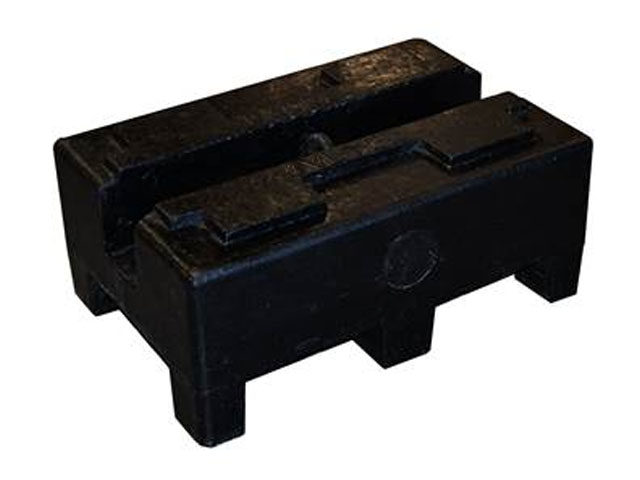
The design and material composition of high precision test weights are carefully tailored to support their core function: maintaining a stable, unchanging mass under a variety of operating conditions. Manufacturers select materials based on key properties such as high density, low porosity, resistance to corrosion, minimal thermal expansion, and exceptional durability, all of which contribute to long-term mass consistency. Common materials include high-grade stainless steel, specialized alloys, and in some cases, coated metals that add an extra layer of protection against moisture, dust, and chemical exposure. Stainless steel is a popular choice for many high precision applications due to its smooth surface, resistance to rust and oxidation, and ability to withstand repeated handling without accumulating contaminants that could alter its mass. Denser materials are preferred for smaller precision weights, as they allow for a compact physical size while holding the required nominal mass, reducing the risk of tipping or instability when placed on sensitive balance pans. The manufacturing process itself involves multiple stages of precision machining, polishing, and mass adjustment, with each weight undergoing rigorous internal testing to ensure it falls within the specified tolerance range before being released for use. No shortcuts are taken in this process, as even a small flaw in the surface, a minor impurity in the material, or an uneven weight distribution can compromise its precision and render it unfit for critical calibration tasks. Each weight is crafted with a uniform shape and balanced design, often with smooth, rounded edges to prevent damage to delicate weighing equipment and to simplify safe handling by technicians.
One of the most critical functions of high precision test weights is calibrating and verifying the performance of precision weighing instruments, a task that must be performed regularly to counteract the natural drift that occurs in all mechanical and electronic weighing devices. Over time, factors such as mechanical wear, electronic component aging, temperature fluctuations, humidity changes, and physical shock can cause scales and balances to produce inaccurate readings. High precision test weights provide a known, reliable reference mass that allows technicians to assess device accuracy, identify deviations, and make necessary adjustments to restore proper function. This calibration process is not limited to a single industry; it spans a wide range of sectors where precise weight measurement is non-negotiable. In scientific and research laboratories, for example, high precision test weights are used to calibrate analytical and microbalances that measure substances in milligram and microgram quantities, supporting experiments in chemistry, biology, pharmaceuticals, and materials science. In these settings, accurate mass measurements are essential for replicating experiments, formulating compounds correctly, and generating valid research data that can be shared and built upon by other researchers worldwide. A slight error in weighing a chemical reagent, for instance, can alter the outcome of an entire experiment, leading to wasted resources, delayed research timelines, and unreliable conclusions that cannot be replicated by peers.
The manufacturing industry relies heavily on high precision test weights to uphold product quality and consistency across production lines. In sectors such as pharmaceuticals, food and beverage, cosmetics, and chemical manufacturing, precise ingredient dosing is critical to meeting product specifications, safety standards, and regulatory requirements. High precision test weights are used to calibrate the weighing systems that measure raw materials, active ingredients, and finished products, ensuring that each batch contains the exact proportion of components. This consistency directly impacts product safety, efficacy, and customer satisfaction; in pharmaceutical manufacturing, for example, accurate dosing of active pharmaceutical ingredients ensures that each tablet or capsule delivers the correct therapeutic dose, protecting patients from underdosing or overdosing. In the food industry, precise weighing prevents under-filled packages, maintains uniform product texture and taste, and complies with guidelines governing product labeling and net quantity. Beyond consumer goods manufacturing, heavy industry and engineering also depend on high precision test weights to calibrate large-scale weighing equipment such as floor scales, crane scales, and load cells used in material handling, construction, and mining. These larger precision weights verify the accuracy of equipment that measures bulk materials, heavy machinery components, and shipped goods, preventing costly errors in inventory management, production planning, and commercial shipping.
Commercial and logistics sectors also benefit immensely from the reliability of high precision test weights, as accurate weighing is central to fair trade, inventory control, and transportation compliance. In retail environments where high-value goods such as precious metals, gemstones, and specialty ingredients are sold, precision weights ensure that weighing scales provide fair and consistent measurements for both buyers and sellers, fostering trust and transparency in commercial transactions. In logistics and distribution centers, calibrated scales are used to weigh packages, pallets, and freight, determining shipping costs, ensuring compliance with weight limits for transportation vehicles, and managing inventory levels accurately. Inaccurate weighing in logistics can lead to unexpected shipping fees, rejected shipments, delays in delivery, and disputes between suppliers and customers, all of which disrupt supply chain efficiency and increase operational costs. Regular calibration with high precision test weights mitigates these risks, keeping supply chains running smoothly and ensuring that all parties involved in the movement of goods operate on a level playing field. Even in small-scale commercial operations, such as specialty manufacturing or artisanal production, high precision test weights play a vital role in maintaining product consistency and meeting customer expectations, proving that their value extends from large industrial facilities to small, specialized workshops.
Proper handling and usage protocols are essential to preserving the precision and lifespan of high precision test weights, as these delicate instruments are highly sensitive to physical damage, contamination, and environmental stressors. Unlike ordinary weights, which can withstand rough handling, high precision test weights require careful, intentional care to maintain their mass stability. Technicians handling these weights should always use clean, lint-free gloves or specialized tools to avoid direct skin contact, as natural oils, moisture, and dirt from hands can accumulate on the weight’s surface and alter its mass over time. Even small amounts of dust, fingerprints, or chemical residue can add micro-grams of weight, which is significant enough to affect calibration results for ultra-sensitive instruments. When placing a high precision test weight on a balance or scale, it should be set down gently to avoid mechanical shock, which can cause internal stress or surface damage that compromises its mass consistency. Weights should always be stored in a clean, dry, temperature-stable environment, ideally in a protective case or foam-lined box that prevents scratches, dust accumulation, and exposure to moisture or corrosive fumes. Avoiding extreme temperature changes is also crucial, as rapid heating or cooling can cause minor expansion or contraction of the material, temporarily affecting its mass; storing weights in a space with consistent ambient temperature helps maintain long-term stability.
Regular inspection and periodic recalibration are equally important to ensure that high precision test weights continue to perform within their specified tolerance ranges. Even with proper care, all test weights will experience gradual changes over time due to normal wear, minor surface abrasions, or subtle material changes, so routine checks are necessary to confirm their accuracy. During inspections, technicians examine the weight for signs of damage, such as scratches, dents, corrosion, or chipping, and check for any visible contamination that may have been missed during cleaning. If a weight shows signs of damage or its mass deviates outside the acceptable tolerance range, it should be removed from service immediately for recalibration or replacement, as using a compromised weight will lead to inaccurate calibration of weighing equipment and unreliable measurement results. The frequency of inspection and recalibration depends on the frequency of use, the operating environment, and the level of precision required for the application; weights used daily in high-precision laboratories or busy manufacturing facilities will require more frequent checks than those used occasionally in low-stakes environments. Documenting all inspections, cleanings, and recalibrations is a standard practice in metrology and quality assurance, creating a clear record of a weight’s performance history and ensuring transparency in calibration processes.
The impact of high precision test weights extends far beyond individual calibration tasks, shaping the integrity of global measurement systems and supporting cross-industry consistency and collaboration. In a world where products, research, and materials move across international borders, having uniform, reliable mass standards is essential for seamless trade, shared scientific progress, and consistent quality control. High precision test weights ensure that weighing measurements taken in one country or facility are comparable to those taken elsewhere, eliminating discrepancies that could hinder international commerce, scientific cooperation, and regulatory alignment. This standardization is particularly vital for industries that operate on a global scale, where consistent product quality and measurement accuracy are necessary to meet diverse regional requirements and maintain brand reputation. Without high precision test weights, the global infrastructure of accurate measurement would collapse, leading to widespread inconsistency, mistrust in commercial transactions, and a lack of reproducibility in scientific research. They serve as a universal language of mass measurement, bridging gaps between different industries, regions, and applications and ensuring that accuracy remains a shared priority across all fields that rely on quantitative data.
As technology continues to advance and weighing equipment becomes increasingly sophisticated, the demand for high precision test weights with even tighter tolerances and enhanced durability continues to grow. Modern industries and research facilities are pushing the boundaries of precision, requiring measurement tools that can detect and quantify increasingly small mass differences, and high precision test weights are evolving to meet these needs. Manufacturers are exploring new materials and advanced manufacturing techniques to improve mass stability, reduce environmental sensitivity, and extend the service life of these critical tools. Additionally, the integration of digital tracking and identification systems with high precision test weights is streamlining calibration processes, making it easier to monitor usage, track calibration history, and ensure that only properly validated weights are used for critical measurements. Despite these technological advancements, the core purpose of high precision test weights remains unchanged: to provide a reliable, consistent reference mass that upholds the accuracy and integrity of weighing operations. They remain a humble yet essential component of modern industry and science, working behind the scenes to support every precise measurement, every consistent product, and every reliable data point that drives progress and innovation.
In conclusion, high precision test weight is an unsung hero of the modern measurement ecosystem, playing a vital role in nearly every industry and scientific discipline that depends on accurate mass determination. Its careful design, specialized material composition, and strict manufacturing standards enable it to maintain stable, consistent mass under diverse conditions, making it the gold standard for calibrating and verifying weighing equipment of all types. From cutting-edge research laboratories and complex manufacturing plants to global logistics networks and small commercial enterprises, high precision test weights ensure fairness, safety, consistency, and reliability in every weighing operation. Proper handling, regular maintenance, and routine recalibration are essential to preserving their precision, allowing them to deliver consistent performance for years. As technology and industry continue to advance, the importance of high precision test weights will only increase, as the need for accurate, repeatable measurements becomes even more critical. They represent a commitment to quality and precision that underpins global progress, proving that even the most unassuming tools can have a profound and lasting impact on the way we measure, produce, and understand the world around us.
