





Changzhou Veidt Weighing Co., Ltd. © 2022 ALL RIGHTS RESERVED Privacy Policy | Calibration Weight | Test Weights | Cast Iron Weights | Standard Weights | Laboratory Weights | XML | SITEMAP
NEWS LIST
heavy duty test weight
Saturday 21st March 2026 Back to list
In the complex web of modern industrial operations, where accurate measurement forms the backbone of quality control, safety compliance, and consistent output, heavy duty test weights stand as unsung yet indispensable tools. These robust, precisely calibrated mass standards are engineered to withstand the rigors of high-intensity industrial environments, serving as the ultimate reference for verifying the accuracy of large-scale weighing equipment and validating the load-bearing capabilities of critical machinery. Unlike lightweight calibration weights designed for laboratory or small-scale bench scales, heavy duty test weights are built to handle substantial mass values, often ranging from hundreds of kilograms to several tons, making them tailored for sectors where heavy loads are a daily reality and even minor measurement discrepancies can trigger cascading operational, financial, and safety challenges. Their design prioritizes durability, stability, and consistent mass retention, ensuring that they perform reliably in settings marked by dust, moisture, temperature fluctuations, and frequent mechanical handling—conditions that would compromise the integrity of less rugged calibration tools.
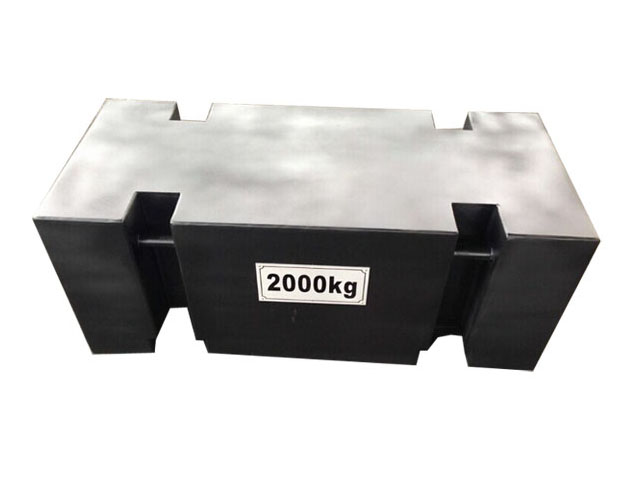
The core purpose of heavy duty test weights revolves around calibration and load verification, two processes that are non-negotiable for maintaining operational integrity across diverse industries. At their most fundamental level, these weights are used to calibrate large weighing systems, including floor scales, weighbridges, crane scales, conveyor belt scales, and silo load cells. Every piece of industrial weighing equipment, regardless of its initial precision, will experience gradual drift in accuracy over time due to regular use, mechanical wear, electronic component aging, and exposure to harsh environmental factors. Without regular, consistent calibration using reliable heavy duty test weights, these systems can produce inaccurate readings that lead to costly errors. For example, in bulk material handling industries, miscalibrated scales can result in overloading or underloading of raw materials, finished goods, or shipping containers, leading to wasted resources, inaccurate inventory records, disputes in commercial transactions, and even violations of transportation safety regulations. In manufacturing settings, precise weighing is critical for batch mixing, ingredient proportioning, and product packaging, where consistent weight measurements directly translate to uniform product quality and adherence to internal quality standards. Heavy duty test weights eliminate this uncertainty by providing a fixed, known mass that technicians can use to adjust, test, and validate the performance of weighing equipment, ensuring that readings align with true mass values within acceptable tolerance ranges.
Beyond scale calibration, heavy duty test weights play a vital role in load testing and safety validation for heavy machinery and structural components, a function that is paramount in industries such as construction, mining, logistics, and heavy engineering. Cranes, hoists, lifting platforms, and support structures are regularly subjected to heavy loads during routine operation, and their ability to handle these loads safely must be verified periodically to prevent catastrophic failures. Heavy duty test weights are used to simulate real-world operational loads, allowing engineers and technicians to assess the structural integrity, braking efficiency, load distribution, and overall performance of this equipment under controlled conditions. This type of testing is not only critical for preventing workplace accidents but also for extending the service life of machinery by identifying potential weaknesses or signs of wear before they escalate into major issues. In construction, for instance, crane load testing with heavy duty test weights ensures that lifting equipment can safely handle the maximum loads required for building projects, from steel beams to concrete panels, without risk of collapse or malfunction. In mining and quarrying, where heavy machinery processes tons of raw material daily, load verification with these robust weights guarantees that equipment operates within safe load limits, protecting both workers and valuable assets from harm. Similarly, in shipping and port operations, heavy duty test weights are used to calibrate the weighing systems that measure cargo weights, ensuring compliance with international shipping safety standards and preventing overloaded vessels that pose risks at sea.
The material composition and structural design of heavy duty test weights are carefully engineered to meet the demands of heavy industrial use, balancing density, durability, and resistance to environmental damage. The most common materials used in their construction are high-density cast iron and reinforced steel, chosen for their ability to maintain a consistent mass over time, resist deformation under heavy pressure, and withstand physical impact without cracking or chipping. Cast iron is a popular choice for many heavy duty test weights due to its high compressive strength, stable dimensional properties, and cost-effectiveness for large-scale production. It can be cast into various shapes and sizes, including solid blocks, cylindrical modules, and stackable units, to suit different calibration and load-testing needs. Reinforced steel, on the other hand, offers enhanced resistance to corrosion and mechanical stress, making it ideal for use in outdoor, coastal, or high-moisture environments where rust and oxidation could alter the mass of a cast iron weight over time. Some heavy duty test weights feature protective surface coatings, such as durable paint or epoxy finishes, that add an extra layer of defense against moisture, chemicals, and abrasion, further preserving their mass integrity and extending their usable life.
Structural design is another key consideration that sets heavy duty test weights apart from standard calibration weights, as it directly impacts handling safety, storage efficiency, and versatility in use. Most heavy duty models feature integrated lifting points, such as recessed hooks, forklift pockets, or lifting eyes, that allow safe and efficient movement using forklifts, cranes, or other heavy lifting equipment. This design eliminates the risk of manual handling injuries, as these weights are far too heavy to be moved by hand, and ensures that they can be positioned accurately on weighing platforms or load-testing rigs without damage. Many heavy duty test weights are also designed to be stackable or modular, meaning multiple units can be combined to create a custom total mass for specific calibration or load-testing requirements. This modularity adds significant versatility, as a single set of weights can be used to test equipment with varying load capacities, reducing the need for multiple dedicated weight sets and optimizing storage space in industrial facilities. The shape of these weights is typically uniform and stable—either rectangular or cylindrical—to ensure even weight distribution when placed on weighing surfaces or stacked, preventing uneven load pressure that could affect calibration accuracy or damage equipment.
Proper handling and routine maintenance are essential to preserve the accuracy and longevity of heavy duty test weights, even though they are built for extreme durability. While these weights are resistant to rough use, neglectful handling can still lead to subtle changes in mass that compromise their calibration value. For example, dropping or slamming a heavy duty test weight can cause internal structural damage or surface chipping, even if the damage is not visible to the naked eye, altering its overall mass and making it an unreliable reference standard. Similarly, exposure to corrosive chemicals, excessive moisture, or sharp temperature swings can gradually degrade the material and affect mass consistency over time. To prevent these issues, industrial teams should follow established best practices for storage and care: heavy duty test weights should be stored in a dry, clean, and stable environment when not in use, away from direct contact with moisture, chemicals, and sharp objects. Regular visual inspections should be conducted to check for signs of damage, corrosion, or surface wear, and any weight that shows visible defects should be removed from service for recalibration or repair before being used again. Cleaning should be done gently with a soft, dry cloth to remove dust, dirt, or debris, avoiding abrasive cleaners or high-pressure washing that could damage the protective surface coating. Additionally, periodic recalibration of the test weights themselves is recommended to confirm their mass accuracy, as even the most rugged weights can experience minor mass shifts after years of frequent use; this recalibration is typically performed using specialized high-precision equipment in controlled settings, ensuring that the weights continue to serve as reliable reference standards.
The impact of heavy duty test weights extends across nearly every heavy industrial sector, each relying on these tools to maintain efficiency, safety, and consistency. In manufacturing, they support the calibration of scales used for raw material intake, production line weighing, and finished product inspection, ensuring that every batch of products meets strict weight and quality specifications. In logistics and distribution, they keep weighbridges and pallet scales accurate, streamlining inventory management, shipping logistics, and commercial trade by providing reliable weight data for billing and compliance purposes. In the energy sector, including power generation and renewable energy facilities, heavy duty test weights are used to calibrate weighing systems for fuel handling, component manufacturing, and equipment load testing, supporting the safe and efficient operation of power infrastructure. In agricultural operations that handle bulk grains, feeds, and fertilizers, these weights ensure that large-scale weighing systems deliver accurate measurements for harvesting, storage, and distribution, reducing waste and ensuring fair trade between producers and buyers. Even in aerospace and heavy equipment manufacturing, where precision and safety are of the highest priority, heavy duty test weights are used to validate the load-bearing capabilities of critical components and assembly line equipment, ensuring that every piece of machinery meets strict performance and safety criteria.
One of the most significant advantages of heavy duty test weights is their ability to provide consistent, tangible measurement standards in an era where much industrial technology has shifted to electronic and digital systems. While modern weighing equipment features advanced digital displays and electronic sensors, these systems still require a physical, traceable mass reference to verify their accuracy—something that heavy duty test weights provide reliably, regardless of technological advancements. Unlike digital calibration tools that may rely on power sources or electronic components that can fail, heavy duty test weights are passive, mechanical standards that maintain their value as long as they are properly cared for, making them a resilient and cost-effective long-term investment for industrial facilities. They do not require batteries, software updates, or complex programming to function, and they can be deployed quickly in both fixed factory settings and field locations, such as construction sites, shipping ports, and mining operations, where portable calibration tools are needed.
In an industrial landscape where precision, safety, and operational efficiency are constantly prioritized, heavy duty test weights remain a foundational element of quality assurance and risk mitigation. They fill a critical niche that no other tool can fully occupy, providing the reliable mass reference needed to keep large-scale weighing and lifting equipment operating accurately and safely. Their rugged design, versatile functionality, and long service life make them a staple in industrial workshops, calibration labs, construction sites, and logistics hubs worldwide, supporting seamless operations across countless applications. As industrial processes continue to evolve and demand for higher precision and stricter safety standards grows, the role of heavy duty test weights will only become more prominent, reminding us that even the most advanced technology relies on simple, durable, and well-crafted tools to maintain its reliability. Investing in high-quality heavy duty test weights and adhering to proper handling and maintenance protocols is not just a matter of operational efficiency—it is a commitment to workplace safety, product quality, and sustainable industrial practices that benefit every aspect of a business, from daily workflow to long-term profitability.
Ultimately, heavy duty test weights represent the quiet reliability that underpins successful heavy industry. They work behind the scenes, ensuring that every weight measurement is accurate, every load is handled safely, and every product meets the required standards. Without these robust calibration tools, industrial operations would face constant uncertainty, increased risk of errors and accidents, and lost revenue due to inefficient processes. Their enduring relevance lies in their simplicity and effectiveness: a heavy duty test weight is not a complex piece of technology, but it is a critical one, designed to perform a single job with unwavering consistency in the toughest industrial conditions. For businesses that rely on accurate weighing and safe heavy equipment operation, these weights are not just tools—they are essential partners in maintaining excellence across all operational facets.
