





Changzhou Veidt Weighing Co., Ltd. © 2022 ALL RIGHTS RESERVED Privacy Policy | Calibration Weight | Test Weights | Cast Iron Weights | Standard Weights | Laboratory Weights | XML | SITEMAP
NEWS LIST
class f weight set
Friday 02nd January 2026 Back to list
In the realm of measurement and calibration, the role of weight sets is often understated yet indispensable. Among the various classifications of weight sets, Class F stands out as a versatile and reliable option that bridges the gap between high-precision laboratory use and practical, everyday applications. Unlike specialized weight classes designed exclusively for rigorous scientific research or industrial manufacturing, Class F weight sets offer a balance of accuracy, durability, and accessibility, making them a staple in a wide range of settings. From educational institutions to small-scale workshops, from quality control checkpoints to home-based projects, Class F weight sets play a crucial role in ensuring consistency and reliability in measurement tasks.
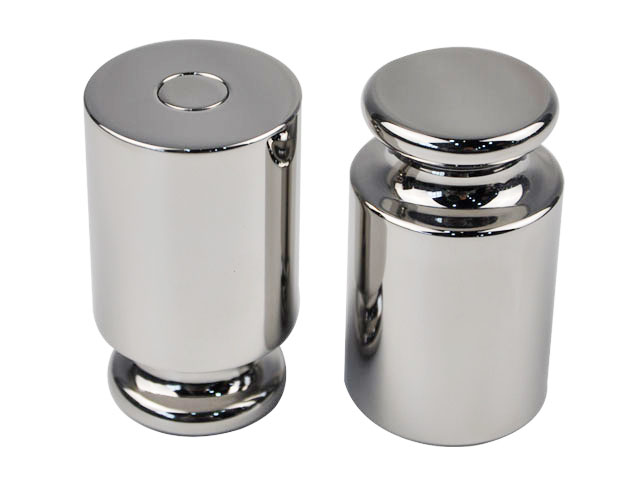
To understand the value of Class F weight sets, it is first essential to grasp what defines this classification. Weight sets are typically categorized based on their level of accuracy, with each class adhering to specific tolerance standards that dictate how much the actual weight of a piece can deviate from its nominal value. Class F weight sets are positioned in the middle of the accuracy spectrum, offering a higher degree of precision than general-purpose weight sets (such as those used in basic household scales) but not requiring the extreme precision of Class E or Class S weights, which are reserved for calibration laboratories and high-stakes industrial applications. The tolerance levels for Class F weights are carefully calibrated to ensure that they can provide consistent and reliable measurements in environments where moderate precision is sufficient, without the need for the specialized storage and handling requirements of more sensitive weight classes.
One of the key characteristics of Class F weight sets is their construction material. To balance durability and accuracy, most Class F weights are made from materials such as cast iron, stainless steel, or brass. Cast iron is a popular choice for larger weights due to its high density and affordability, making it ideal for applications where weight magnitude is more critical than ultra-fine precision. Stainless steel, on the other hand, is preferred for smaller Class F weights as it offers excellent corrosion resistance and a smoother surface finish, which helps maintain accuracy over time by reducing the accumulation of dust and debris. Brass is another common material, valued for its stability and resistance to wear, making it suitable for weights that are frequently used in dynamic environments. Regardless of the material, Class F weights are manufactured using processes that ensure uniform density and shape, minimizing any irregularities that could affect their accuracy.
The design of Class F weight sets also contributes to their versatility. Most sets are available in a range of weight increments, from small gram weights (such as 1g, 2g, 5g) to larger kilogram weights (up to 10kg or more), allowing users to combine different pieces to achieve the exact weight required for a specific task. Many Class F weight sets also come with a storage case that keeps the weights organized and protected from damage, ensuring that their accuracy is preserved over time. The weights themselves are often designed with easy-to-grip surfaces or handles for larger pieces, making them convenient to use in settings where frequent handling is necessary.
The applications of Class F weight sets are diverse and span across multiple sectors, highlighting their adaptability and practical value. One of the most common uses is in educational institutions, particularly in science laboratories. In physics and chemistry classes, students use Class F weight sets to conduct experiments related to mass, density, and force. For example, when measuring the density of a liquid, students need accurate weights to calibrate the balance before taking measurements. Class F weights are ideal for this purpose because they offer sufficient precision to ensure the validity of the experimental results while being durable enough to withstand regular use by students. Additionally, they help students learn about the importance of calibration and measurement accuracy, foundational concepts in the scientific method.
Another major application of Class F weight sets is in small-scale manufacturing and workshops. Many small businesses, such as jewelry makers, metalworkers, and artisans, rely on accurate weight measurements to ensure the quality and consistency of their products. For instance, a jewelry maker may use Class F weights to calibrate a scale that measures precious metals like gold or silver, ensuring that each piece meets the desired weight specifications. Similarly, a metalworker may use these weights to check the weight of small components before assembling them into a larger product, preventing defects caused by incorrect weight. In these settings, Class F weight sets offer a cost-effective solution that does not compromise on the necessary level of precision, allowing small businesses to maintain high-quality standards without investing in expensive high-precision weight sets.
Class F weight sets are also widely used in quality control and inspection processes across various industries. For example, in the food and beverage industry, small-scale producers may use these weights to calibrate scales used for measuring ingredients, ensuring that each batch of product meets the required weight standards. In the pharmaceutical industry, Class F weights can be used in the early stages of product development to measure small quantities of raw materials, before moving to more precise weight classes for final production. In addition, many service centers and repair shops use Class F weight sets to calibrate tools and equipment, such as torque wrenches or pressure gauges, ensuring that they function correctly and provide accurate results.
Beyond industrial and educational settings, Class F weight sets also have practical applications in everyday life. For example, home bakers and cooks who use precision scales to measure ingredients may use Class F weights to calibrate their scales, ensuring that their recipes turn out consistently. Hobbyists, such as model builders or coin collectors, may use these weights to measure small objects with a reasonable degree of accuracy. Additionally, individuals who engage in fitness activities, such as weightlifting, may use Class F weights to calibrate their home gym equipment, ensuring that they are lifting the correct amount of weight.
When selecting a Class F weight set, there are several factors to consider to ensure that it meets the specific needs of the user. One of the most important factors is the weight range and increments. Users should assess the types of measurements they will be performing and select a set that includes the appropriate range of weights. For example, a student conducting small-scale chemistry experiments may only need a set with weights up to 500g, while a small-scale manufacturer may require weights up to 5kg or more. The increments of the weights are also important, as smaller increments allow for more precise measurements.
Another key factor to consider is the material of the weights. As mentioned earlier, different materials offer different advantages in terms of durability, corrosion resistance, and accuracy. Users should select a material that is suitable for their working environment. For example, if the weight set will be used in a humid environment, stainless steel or brass weights are preferable due to their corrosion resistance. If cost is a major concern, cast iron weights may be a better option for larger weight ranges.
The accuracy tolerance of the weight set is also an important consideration. While all Class F weight sets adhere to specific tolerance standards, it is still important to check the manufacturer's specifications to ensure that the tolerance levels meet the user's requirements. Additionally, users should consider the certification of the weight set, but not in the context of brand-specific certifications; rather, ensuring that the set complies with general international standards for Class F weights. This ensures that the weights have been tested and verified to meet the required accuracy levels.
Proper handling and maintenance of Class F weight sets are essential to preserve their accuracy and extend their lifespan. One of the most important maintenance practices is to keep the weights clean and free from dust, dirt, and moisture. Weights should be wiped down regularly with a soft, dry cloth to remove any debris that could affect their weight. Avoid using harsh chemicals or abrasive materials to clean the weights, as this could damage their surface and alter their accuracy.
Storage is another crucial aspect of maintaining Class F weight sets. Weights should be stored in their original storage case when not in use, as this protects them from damage and keeps them organized. The storage case should be kept in a dry, cool environment, away from direct sunlight and extreme temperatures, which can cause the weights to expand or contract and affect their accuracy. Additionally, weights should not be stacked or dropped, as this can cause dents or scratches that alter their weight.
Regular calibration is also important to ensure that Class F weight sets maintain their accuracy over time. Even with proper handling and storage, weights can lose their accuracy due to wear and tear or environmental factors. Users should have their weight sets calibrated at regular intervals by a qualified professional. Calibration involves comparing the weights to a known standard and adjusting them if necessary to ensure that they meet the required tolerance levels. The frequency of calibration depends on the frequency of use and the working environment, but it is generally recommended to calibrate Class F weight sets at least once a year.
The broader impact of Class F weight sets on maintaining quality and precision in various activities cannot be overstated. In educational settings, they help培养 (cultivate) a culture of accuracy and attention to detail among students, laying the foundation for future careers in science, engineering, and other technical fields. In small-scale manufacturing and workshops, they enable businesses to produce high-quality products that meet customer expectations, contributing to their success and sustainability. In quality control and inspection processes, they help ensure that products are safe, reliable, and consistent, protecting consumers and maintaining the reputation of industries.
Furthermore, Class F weight sets play a role in promoting standardization in measurement. By adhering to consistent tolerance standards, these weight sets ensure that measurements taken in different settings are comparable and reliable. This is particularly important in fields such as science and engineering, where accurate and consistent measurements are essential for advancing knowledge and developing new technologies. Even in everyday life, standardization in measurement helps avoid confusion and ensures that products and services meet the needs of consumers.
In conclusion, Class F weight sets are a versatile and essential tool in the world of measurement and calibration. Their unique balance of accuracy, durability, and accessibility makes them suitable for a wide range of applications, from educational laboratories to small-scale workshops, from quality control processes to everyday household tasks. By understanding the characteristics of Class F weight sets, selecting the right set for specific needs, and practicing proper handling and maintenance, users can ensure that they benefit from reliable and accurate measurements for years to come. The broader impact of these weight sets on promoting standardization, quality, and precision underscores their importance in both professional and personal settings. As technology continues to advance and the demand for accurate measurements grows, Class F weight sets will remain a vital component in ensuring that measurement tasks are performed efficiently and effectively.
