





Changzhou Veidt Weighing Co., Ltd. © 2022 ALL RIGHTS RESERVED Privacy Policy | Calibration Weight | Test Weights | Cast Iron Weights | Standard Weights | Laboratory Weights | XML | SITEMAP
NEWS LIST
class 1 calibration weights
Friday 02nd January 2026 Back to list
In the realm of precision measurement, the accuracy of results relies heavily on the reliability of reference standards. Among these standards, calibration weights stand out as fundamental tools that underpin countless industrial, scientific, and research processes. Class 1 calibration weights, in particular, represent a high level of precision, making them indispensable in scenarios where even the smallest deviations can lead to significant consequences.
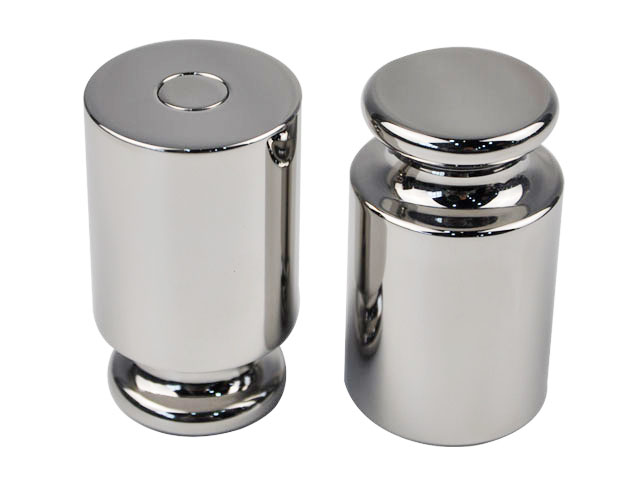
To understand the importance of Class 1 calibration weights, it is first necessary to grasp the concept of calibration weights and their classification. Calibration weights are physical objects of known mass used to adjust and verify the accuracy of weighing instruments, such as balances and scales. These weights are categorized into different classes based on their tolerance levels, material quality, and intended use. The classification system ensures that users can select the appropriate weight class for their specific application requirements. Class 1 occupies a prominent position in this classification hierarchy, defined by extremely tight tolerance ranges. Unlike lower classes, which may be suitable for general-purpose weighing, Class 1 weights are designed for high-precision calibration tasks where measurement errors must be minimized to the greatest extent possible.
One of the key characteristics of Class 1 calibration weights is their strict tolerance limits. Tolerance refers to the maximum allowable deviation from the nominal mass of a weight. For Class 1 weights, these tolerances are significantly smaller than those of lower classes. For example, a 100-gram Class 1 weight may have a tolerance of only a few milligrams, whereas a lower-class weight of the same nominal mass could have a tolerance several times larger. This tight tolerance is achieved through meticulous manufacturing processes and rigorous quality control measures. The production of Class 1 weights requires precision machining techniques to ensure that the mass of each weight is as close as possible to its nominal value. Additionally, the materials used in Class 1 weights are carefully selected to ensure stability and minimize mass changes over time.
Material selection is another critical aspect of Class 1 calibration weights. The ideal material for these weights must possess high density, corrosion resistance, and long-term mass stability. Common materials used include stainless steel, brass, and sometimes even platinum or other precious metals for extremely high-precision applications. Stainless steel is a popular choice due to its excellent corrosion resistance, which prevents the weight from losing or gaining mass due to environmental factors such as moisture and chemical exposure. Brass, on the other hand, has a higher density than stainless steel, making it suitable for manufacturing smaller weights where compact size is a priority. Regardless of the material, Class 1 weights undergo strict material testing to ensure that they meet the required standards for mass stability. This stability is crucial because any change in the mass of a calibration weight would compromise the accuracy of the instruments it is used to calibrate.
The surface finish of Class 1 calibration weights is also a matter of great importance. A smooth, polished surface not only reduces the risk of contamination but also minimizes air resistance, which can affect the accuracy of weighing measurements, especially for smaller weights. The surface of Class 1 weights is typically finished to a high degree of smoothness using processes such as grinding and polishing. This ensures that there are no irregularities or rough spots that could trap dust, dirt, or moisture, which would alter the weight's mass. Additionally, a smooth surface makes it easier to clean and maintain the weights, further preserving their accuracy over time.
The applications of Class 1 calibration weights are diverse and span across multiple industries and scientific disciplines. One of the primary applications is in the calibration of high-precision laboratory balances. Laboratory balances are used in a wide range of scientific research, including chemistry, physics, biology, and materials science. These balances require regular calibration to ensure that their measurements are accurate and reliable. Class 1 weights are the ideal choice for this task because their tight tolerances match the high precision of the balances. For example, in a chemical analysis laboratory, the accuracy of measurements can directly impact the results of experiments, such as determining the concentration of a solution or the purity of a chemical compound. Using Class 1 calibration weights to calibrate the laboratory balance ensures that these measurements are precise and trustworthy.
Another important application of Class 1 calibration weights is in the manufacturing industry, particularly in sectors that require high-precision components. Industries such as aerospace, automotive, and electronics rely on precise measurements to ensure the quality and performance of their products. For instance, in the aerospace industry, the manufacturing of aircraft components requires extremely tight tolerances to ensure safety and reliability. Weighing instruments used in these manufacturing processes must be calibrated regularly using Class 1 weights to ensure that they are accurate. This helps to prevent defects in components and ensures that they meet the required specifications. Similarly, in the electronics industry, the manufacturing of microchips and other electronic components requires precise measurements, making Class 1 calibration weights essential for maintaining quality control.
Class 1 calibration weights are also used in the field of metrology, which is the science of measurement. Metrology laboratories are responsible for establishing and maintaining measurement standards, and they use Class 1 weights to calibrate other reference standards and measuring instruments. These laboratories play a crucial role in ensuring that measurements are consistent and accurate across different regions and industries. By using Class 1 weights, metrology laboratories can ensure that their calibration services are of the highest quality, providing a reliable basis for measurement accuracy in various fields.
In addition to these industries, Class 1 calibration weights are also used in the pharmaceutical and food and beverage industries. In the pharmaceutical industry, the accurate measurement of ingredients is critical to ensuring the safety and efficacy of drugs. Weighing instruments used in drug manufacturing must be calibrated using Class 1 weights to ensure that the correct amount of each ingredient is used. This helps to prevent underdosing or overdosing, which could have serious consequences for patient health. In the food and beverage industry, precise measurements are necessary to ensure product consistency and compliance with regulatory requirements. Class 1 calibration weights are used to calibrate weighing instruments used in the production and packaging of food products, ensuring that the correct weight of product is delivered to consumers.
Proper usage and handling of Class 1 calibration weights are essential to maintaining their accuracy and longevity. Due to their high precision, these weights are sensitive to environmental factors and improper handling. One of the most important guidelines for using Class 1 weights is to handle them with care to avoid damage. Weights should be lifted using forceps or gloves to prevent direct contact with the skin, as oils and moisture from the hands can transfer to the weight and alter its mass. Additionally, weights should be stored in a clean, dry environment to protect them from corrosion, dust, and other contaminants. Storage containers for Class 1 weights are typically designed to prevent movement and damage, ensuring that the weights remain in good condition when not in use.
Environmental conditions also play a significant role in the accuracy of Class 1 calibration weights. Temperature, humidity, and air pressure can all affect the mass of the weights. For example, changes in temperature can cause thermal expansion or contraction of the weight material, leading to temporary changes in mass. To minimize the impact of environmental factors, calibration should be performed in a controlled environment with stable temperature and humidity. Ideally, the temperature should be maintained at a standard value, such as 20°C, which is the reference temperature for most calibration processes. Additionally, the calibration area should be free from drafts and vibrations, which can affect the performance of the weighing instrument and the accuracy of the calibration.
Regular maintenance and periodic recalibration of Class 1 calibration weights are also necessary to ensure their continued accuracy. Over time, even with proper handling and storage, weights may experience slight changes in mass due to wear and tear, environmental exposure, or other factors. Periodic recalibration involves verifying the mass of the weights using a higher-precision reference standard to ensure that they still meet the required tolerance limits. If a weight is found to be outside its tolerance range, it may need to be adjusted, repaired, or replaced. The frequency of recalibration depends on the usage conditions and the requirements of the application. In general, Class 1 weights that are used frequently or in harsh environments may require more frequent recalibration than those used infrequently in controlled environments.
Cleaning is another important aspect of maintaining Class 1 calibration weights. Weights should be cleaned regularly to remove any dust, dirt, or other contaminants that may have accumulated on their surface. Cleaning should be done using a soft, lint-free cloth and a mild cleaning agent that is compatible with the weight material. Harsh chemicals should be avoided, as they can damage the surface of the weight and affect its mass. After cleaning, the weights should be dried thoroughly before being stored or used. This ensures that no moisture remains on the surface, which could lead to corrosion or other forms of damage.
The role of Class 1 calibration weights in ensuring measurement accuracy cannot be overstated. In a world where precision is increasingly important, these weights provide a reliable reference standard that underpins countless processes and applications. From scientific research to industrial manufacturing, from pharmaceuticals to aerospace, Class 1 calibration weights are essential for maintaining quality, safety, and consistency. Without these high-precision weights, many of the technological advancements and quality control measures that we rely on today would not be possible.
In conclusion, Class 1 calibration weights are critical tools in the field of precision measurement. Their strict tolerance limits, high-quality materials, and smooth surface finishes make them ideal for use in high-precision calibration tasks across a wide range of industries. Proper usage, handling, storage, and maintenance are essential to preserving their accuracy and longevity. By understanding the characteristics and importance of Class 1 calibration weights, users can ensure that their measurement processes are accurate, reliable, and consistent. As technology continues to advance and the demand for precision increases, the role of Class 1 calibration weights will only become more important in upholding the integrity of measurement across the globe.
