





Changzhou Veidt Weighing Co., Ltd. © 2022 ALL RIGHTS RESERVED Privacy Policy | Calibration Weight | Test Weights | Cast Iron Weights | Standard Weights | Laboratory Weights | XML | SITEMAP
NEWS LIST
cast iron weights 50kg
Friday 02nd January 2026 Back to list
In the realm of industrial manufacturing, fitness training, and logistical operations, the role of heavy-duty weights cannot be overstated. Among the various types of weights available, 50kg cast iron weights stand out as a staple due to their durability, stability, and wide-ranging applicability. Cast iron, a material renowned for its robustness and heat resistance, has long been the preferred choice for crafting weights that need to withstand repeated use, heavy loads, and harsh environmental conditions.
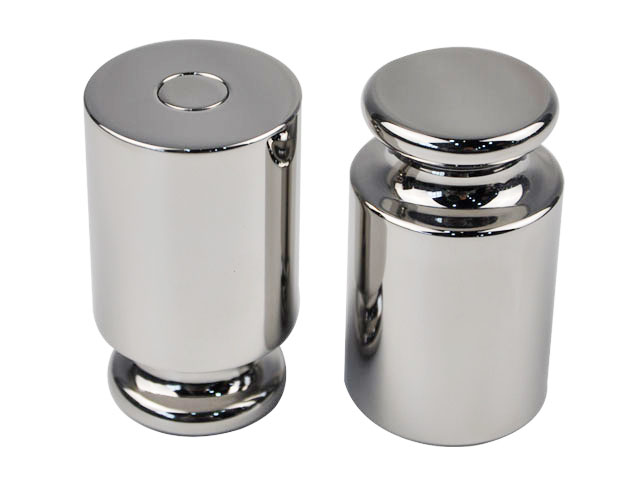
To understand the appeal of 50kg cast iron weights, it is first essential to explore the inherent properties of cast iron that make it ideal for this purpose. Cast iron is an alloy primarily composed of iron, carbon, and silicon, with carbon content ranging between 2% and 4%. This chemical composition gives it several key advantages over other materials such as steel, plastic, or concrete. Unlike steel, which is often more expensive and less resistant to wear in certain applications, cast iron offers exceptional hardness and impact resistance. When subjected to repeated loading and unloading, cast iron weights are less likely to deform, crack, or chip, ensuring a long service life even under intensive use. Additionally, cast iron has excellent thermal stability, meaning it can maintain its structural integrity in extreme temperatures—whether exposed to the scorching heat of an outdoor construction site or the controlled environment of a gym.
Another notable characteristic of 50kg cast iron weights is their density. Cast iron has a higher density than many other common materials, which allows for a compact design without compromising on weight. A 50kg cast iron weight is significantly smaller in size compared to a 50kg concrete weight, making it easier to store, transport, and handle. This compactness is particularly advantageous in settings where space is at a premium, such as small gyms, warehouse storage areas, or laboratory environments. Furthermore, the smooth surface finish achievable through precision casting ensures that 50kg cast iron weights are easy to clean and maintain, reducing the risk of rust and corrosion with proper care.
The applications of 50kg cast iron weights are diverse, spanning across industrial, fitness, and scientific fields. In the industrial sector, these weights play a crucial role in quality control and calibration processes. Manufacturing facilities often use 50kg cast iron weights to test the load-bearing capacity of machinery, such as conveyors, cranes, and lifting equipment. Before these machines are put into full operation, they must undergo rigorous testing to ensure they can safely handle the intended loads. 50kg cast iron weights provide a reliable and consistent load for these tests, helping manufacturers identify potential flaws or weaknesses in the equipment. Additionally, in the construction industry, 50kg cast iron weights are used to stabilize temporary structures, such as scaffolding and formwork. The heavy weight of these cast iron blocks helps prevent the structures from shifting or collapsing, ensuring the safety of construction workers.
In the realm of fitness and strength training, 50kg cast iron weights are a mainstay in both commercial gyms and home workout spaces. For advanced fitness enthusiasts, bodybuilders, and athletes, lifting heavy weights is essential for building muscle mass, increasing strength, and improving overall athletic performance. 50kg cast iron weights, often in the form of plates that can be attached to barbells, allow for a wide range of exercises, including squats, deadlifts, bench presses, and overhead presses. Unlike lighter weights, which are suitable for beginners, 50kg weights provide the resistance needed to challenge even the most experienced lifters. Moreover, cast iron weights are preferred over rubber-coated or plastic weights in many gyms because they are more durable and less likely to sustain damage from drops or impacts. This durability makes them a cost-effective choice for gym owners, as they do not need to be replaced as frequently as other types of weights.
Beyond industrial and fitness applications, 50kg cast iron weights also have important uses in scientific research and metrology. Metrology, the science of measurement, relies on accurate and consistent weights to calibrate scales and balances. Laboratories, research institutions, and government agencies use 50kg cast iron weights as reference standards to ensure that measuring instruments are functioning correctly. For example, in agricultural research, scales used to measure crop yields must be calibrated regularly with precise weights to ensure accurate data collection. Similarly, in the pharmaceutical industry, balances used to measure active ingredients in medications require calibration with reliable weights to maintain the safety and efficacy of the products. The stability and consistency of 50kg cast iron weights make them ideal for these critical calibration tasks.
When using 50kg cast iron weights, there are several important considerations to keep in mind to ensure safety, efficiency, and longevity. First and foremost, proper handling techniques are essential. Given their heavy weight, 50kg cast iron weights can cause serious injury if not lifted or moved correctly. It is recommended to use proper lifting form—bending at the knees, keeping the back straight, and using the legs to lift—rather than straining the back. In industrial and gym settings, it is also advisable to use lifting equipment, such as hoists or weight racks, to move the weights when possible. Additionally, when using the weights for training or testing, it is important to ensure that the surface they are placed on is stable and level. Uneven surfaces can cause the weights to tip over, leading to accidents or damage to the weights or surrounding equipment.
Maintenance is another key factor in extending the life of 50kg cast iron weights. While cast iron is resistant to wear and corrosion, it is not immune to these issues, especially if exposed to moisture or harsh chemicals. Regular cleaning with a dry cloth or a mild detergent can help remove dirt, dust, and sweat (in gym settings) that can accumulate on the surface of the weights. After cleaning, it is important to dry the weights thoroughly to prevent rust. In some cases, applying a thin layer of oil or wax can provide an additional barrier against moisture. It is also important to inspect the weights regularly for signs of damage, such as cracks, chips, or deformation. If any damage is detected, the weights should be taken out of use immediately to avoid further injury or damage.
The long-term value of 50kg cast iron weights is another reason for their enduring popularity. While the initial cost of cast iron weights may be higher than that of plastic or concrete weights, their durability and longevity make them a cost-effective investment in the long run. Cast iron weights can last for decades with proper care, whereas plastic weights may crack or break after just a few years of use, and concrete weights can crumble or chip over time. This longevity is particularly beneficial for commercial gyms, manufacturing facilities, and research institutions that rely on weights for daily operations. Additionally, cast iron weights are recyclable, which makes them an environmentally friendly choice. At the end of their service life, the cast iron can be melted down and reused to make new products, reducing waste and minimizing the environmental impact.
In recent years, there has been a growing focus on sustainability and environmental responsibility across all sectors, and 50kg cast iron weights align with these trends. Cast iron is a highly recyclable material, with a recycling rate that is significantly higher than that of many other materials. The production process of cast iron also requires less energy compared to the production of steel or aluminum, making it a more energy-efficient choice. Furthermore, the long lifespan of cast iron weights reduces the need for frequent replacement, which in turn reduces the demand for raw materials and the energy required to produce new weights. For businesses and individuals looking to reduce their environmental footprint, 50kg cast iron weights offer a sustainable alternative to less durable materials.
Despite the emergence of new materials and weight designs, 50kg cast iron weights continue to be the preferred choice for many applications. Their unique combination of durability, stability, compactness, and versatility makes them indispensable in industrial, fitness, and scientific settings. Whether used to test the load-bearing capacity of heavy machinery, challenge athletes in the gym, or calibrate precision measuring instruments, 50kg cast iron weights deliver consistent performance and reliability.
In conclusion, 50kg cast iron weights are more than just heavy objects—they are essential tools that play a critical role in numerous sectors. Their inherent properties of cast iron, including hardness, impact resistance, and density, make them ideal for heavy-duty applications. Their diverse range of uses, from industrial testing to fitness training and scientific calibration, highlight their versatility. By following proper handling and maintenance practices, users can ensure the safety and longevity of these weights, making them a cost-effective and sustainable investment. As industries continue to evolve and demand for reliable, durable equipment grows, 50kg cast iron weights will undoubtedly remain a staple in the years to come.
