





Changzhou Veidt Weighing Co., Ltd. © 2022 ALL RIGHTS RESERVED Privacy Policy | Calibration Weight | Test Weights | Cast Iron Weights | Standard Weights | Laboratory Weights | XML | SITEMAP
NEWS LIST
cast iron calibration weights
Friday 02nd January 2026 Back to list
In the realm of precision measurement, calibration weights stand as the unsung heroes that ensure accuracy across countless industries. Among the various materials used to craft these critical tools, cast iron has emerged as a reliable and cost-effective choice, valued for its unique combination of durability, stability, and affordability. From manufacturing floors to laboratory settings, cast iron calibration weights play a pivotal role in maintaining the integrity of measurement systems, enabling businesses to meet quality standards, optimize processes, and build trust with customers.
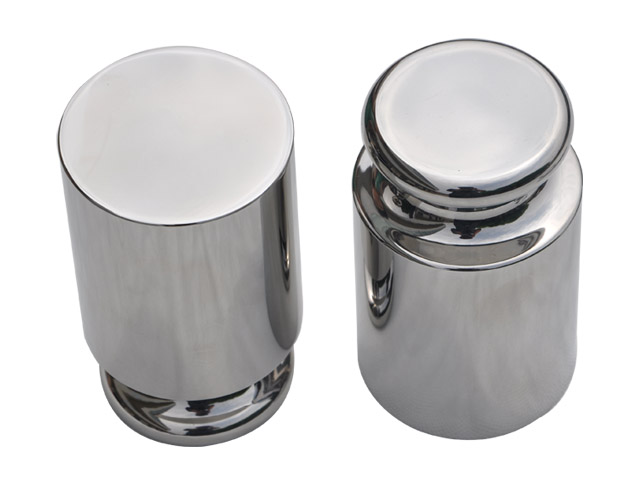
1. Understanding Cast Iron as a Material for Calibration Weights
To appreciate the value of cast iron calibration weights, it is first essential to understand the material itself. Cast iron is an alloy primarily composed of iron, carbon (ranging from 2% to 4%), and silicon, with small amounts of other elements such as manganese, phosphorus, and sulfur. The casting process—where molten iron is poured into molds of various shapes and sizes—gives cast iron its distinct structural characteristics, making it ideal for producing weights with consistent dimensions and mass properties.
One of the most notable properties of cast iron is its high density. Typically ranging from 7.2 to 7.8 grams per cubic centimeter, this density allows for the creation of compact weights that occupy less space while achieving the required mass. For applications where storage and handling space are limited, this compactness is a significant advantage. Additionally, cast iron exhibits excellent rigidity, meaning it maintains its shape under normal use conditions and does not deform easily. This rigidity is crucial for calibration weights, as any deformation could alter their mass and compromise measurement accuracy.
Another key attribute of cast iron is its durability and resistance to wear. Unlike some lighter materials that may scratch or chip easily, cast iron can withstand the rigors of frequent handling, exposure to typical industrial environments, and repeated use in calibration processes. This durability translates to a longer service life, reducing the need for frequent replacement and lowering long-term costs. Cast iron also has good vibration damping properties, which help to minimize the impact of external vibrations on the weight’s stability during calibration procedures—an important factor in ensuring precise measurements.
It is worth noting that cast iron is not a single homogeneous material; different types of cast iron offer varying properties that make them suitable for specific applications. For example, gray cast iron, characterized by its graphite flakes, is widely used for calibration weights due to its excellent machinability and vibration damping. Ductile cast iron, on the other hand, contains spherical graphite particles, providing greater tensile strength and toughness, making it a preferred choice for weights that may be subjected to more demanding handling conditions. Manufacturers select the appropriate type of cast iron based on the intended use of the calibration weight, ensuring optimal performance and reliability.
2. Key Characteristics of High-Quality Cast Iron Calibration Weights
Not all cast iron calibration weights are created equal. High-quality weights must meet specific criteria to ensure their suitability for precision measurement tasks. These characteristics are critical to maintaining accuracy and reliability over time.
First and foremost, mass accuracy is the cornerstone of any calibration weight. High-quality cast iron weights are manufactured to tight tolerances, ensuring that their actual mass closely matches the nominal mass specified. This requires precise control of the casting process, including accurate measurement of raw materials, careful monitoring of molten iron temperature, and precise mold design to ensure consistent dimensions. After casting, weights often undergo machining processes to refine their shape and adjust their mass to meet the required tolerance levels. The surface finish of the weight also plays a role in mass accuracy, as rough surfaces can trap dust and debris, leading to slight mass variations. A smooth, uniform surface helps to prevent this issue, ensuring that the weight’s mass remains stable.
Stability is another critical characteristic. Cast iron calibration weights must maintain their mass over time, even when exposed to changes in temperature, humidity, and other environmental factors. This stability is achieved through proper heat treatment during manufacturing, which helps to relieve internal stresses in the cast iron. Internal stresses can cause the weight to deform gradually over time, leading to mass changes. Heat treatment processes such as annealing—heating the weight to a specific temperature and then cooling it slowly—help to eliminate these stresses, ensuring long-term stability.
Uniformity is also important, especially when multiple weights are used together. High-quality cast iron weights are designed to have consistent dimensions and mass distribution, ensuring that they behave predictably during calibration. This uniformity is achieved through precise mold design and strict quality control during the casting and machining processes. Additionally, weights may be marked with clear, legible indicators of their nominal mass, making it easy to identify and select the correct weight for a given application.
Corrosion resistance is another consideration, particularly for weights used in harsh environments such as damp workshops or outdoor settings. While cast iron is susceptible to rust, high-quality weights may be treated with protective coatings such as paint, enamel, or electroplating to prevent corrosion. These coatings form a barrier between the cast iron and the environment, extending the weight’s service life and maintaining its mass accuracy.
3. Diverse Applications of Cast Iron Calibration Weights
Cast iron calibration weights find applications across a wide range of industries and settings, thanks to their durability, affordability, and precision. Below are some of the most common areas where these weights play a vital role.
3.1 Manufacturing and Production
In manufacturing facilities, precision measurement is essential to ensuring product quality and consistency. Cast iron calibration weights are used to calibrate a variety of measuring instruments, including scales, balances, and force gauges. For example, in the automotive industry, weights are used to calibrate scales that measure the mass of engine components, ensuring that each part meets the required specifications. In the electronics industry, they are used to calibrate balances that measure small components such as resistors and capacitors, where even minor mass variations can affect performance. By ensuring the accuracy of these measuring instruments, cast iron calibration weights help manufacturers reduce defects, improve production efficiency, and maintain compliance with industry standards.
3.2 Logistics and Warehousing
Logistics and warehousing operations rely heavily on scales to measure the mass of goods for shipping, receiving, and inventory management. Cast iron calibration weights are used to calibrate these scales, ensuring that the weight measurements are accurate. This is critical for determining shipping costs, complying with weight limits for transportation (such as those set by airlines, railroads, and trucking companies), and maintaining accurate inventory records. For example, a warehouse that ships products via air freight must ensure that its scales are calibrated correctly to avoid overloading aircraft, which could lead to safety hazards and additional fees. Cast iron weights are ideal for this application due to their durability and ability to withstand the busy, often harsh environment of a warehouse.
3.3 Agriculture and Food Processing
In the agriculture industry, cast iron calibration weights are used to calibrate scales that measure crops, livestock feed, and fertilizers. Accurate measurement is essential for determining crop yields, calculating feed rations for livestock, and ensuring that fertilizers are applied in the correct amounts. In food processing facilities, weights are used to calibrate scales that measure raw ingredients, ensuring that food products meet the required weight specifications and comply with food safety regulations. For example, a bakery may use calibrated scales to measure flour, sugar, and other ingredients, ensuring that each batch of bread or pastries has the same consistency and quality. Cast iron weights are well-suited for these applications due to their resistance to wear and their ability to be easily cleaned, which is important in food processing environments where hygiene is a priority.
3.4 Laboratories and Research Facilities
While laboratories often use more precise materials such as stainless steel or tungsten for high-precision calibration, cast iron weights are still used in many laboratory settings for routine calibration tasks. For example, in environmental laboratories, they may be used to calibrate scales that measure soil samples or water samples. In educational laboratories, they are used to teach students about measurement principles and calibration techniques. Cast iron weights are preferred in these settings due to their affordability, making them a cost-effective choice for institutions with limited budgets. Additionally, their durability ensures that they can withstand frequent use by students and researchers.
3.5 Construction and Mining
In the construction and mining industries, cast iron calibration weights are used to calibrate scales that measure construction materials such as concrete, steel, and gravel. Accurate measurement of these materials is essential for ensuring the structural integrity of buildings, roads, and other infrastructure projects. In mining operations, weights are used to calibrate scales that measure ore and other minerals, helping to determine the quantity of materials extracted and processed. Cast iron weights are ideal for these harsh environments due to their durability and resistance to damage from heavy machinery and rough handling.
4. Factors Influencing the Performance of Cast Iron Calibration Weights
The performance of cast iron calibration weights is influenced by a variety of factors, including environmental conditions, handling practices, and manufacturing quality. Understanding these factors is essential for ensuring that the weights maintain their accuracy and reliability over time.
Environmental conditions such as temperature, humidity, and exposure to chemicals can have a significant impact on cast iron weights. Extreme temperatures can cause thermal expansion or contraction of the cast iron, leading to temporary or permanent changes in mass. For example, exposing a weight to high temperatures can cause it to expand, increasing its volume and slightly decreasing its density, which may affect its mass measurement. Humidity can lead to corrosion, especially if the weight’s protective coating is damaged. Corrosion can add mass to the weight (due to the formation of rust) or cause material loss, both of which can compromise accuracy. Exposure to chemicals such as acids or solvents can also damage the protective coating and corrode the cast iron, further affecting performance. To minimize these effects, it is important to store and use cast iron calibration weights in controlled environments where temperature and humidity are maintained within acceptable ranges.
Handling practices are another important factor. Rough handling can cause damage to the weight, such as chips, dents, or scratches, which can alter its mass. Dropping a weight, for example, can cause material loss or deformation, leading to a change in nominal mass. Additionally, handling the weight with dirty or oily hands can transfer contaminants to the surface, which can add to the weight’s mass. To avoid this, it is recommended to handle cast iron calibration weights with clean, dry hands or use gloves. Weights should also be stored in protective cases or on dedicated shelves to prevent damage during storage.
Manufacturing quality is a fundamental factor that determines the initial performance and long-term reliability of cast iron calibration weights. Poorly designed molds can lead to inconsistent dimensions and mass distribution, while inadequate quality control during casting and machining can result in weights that do not meet tolerance requirements. Additionally, the type of cast iron used and the heat treatment process can affect the weight’s stability and durability. Choosing weights from reputable manufacturers who adhere to strict quality control standards is essential for ensuring that the weights perform as expected.
Another factor to consider is the frequency of use. Frequent use can lead to wear and tear on the weight’s surface, especially if it is used in harsh environments. Over time, this wear can cause a gradual change in mass, requiring the weight to be recalibrated more frequently. It is important to establish a regular calibration schedule based on the frequency of use and the environment in which the weight is used.
5. Best Practices for the Use and Maintenance of Cast Iron Calibration Weights
Proper use and maintenance are essential for maximizing the service life and performance of cast iron calibration weights. Below are some best practices to follow:
5.1 Proper Handling
Always handle cast iron calibration weights with care to avoid damage. Use clean, dry hands or gloves to prevent the transfer of contaminants. Avoid dropping, hitting, or scraping the weights against hard surfaces. When moving weights, use appropriate lifting equipment for larger, heavier weights to prevent injury and damage. Never use a weight for any purpose other than calibration, as this can lead to damage or contamination.
5.2 Correct Storage
Store cast iron calibration weights in a clean, dry, and temperature-controlled environment. Avoid storing them in areas with high humidity, extreme temperatures, or exposure to chemicals. Use protective cases, shelves, or racks to keep the weights organized and prevent damage during storage. It is also a good practice to store weights in their original packaging if possible, as this provides additional protection.
5.3 Regular Cleaning
Clean cast iron calibration weights regularly to remove dust, debris, and contaminants that can affect their mass. Use a soft, dry cloth to wipe the surface of the weight. For more stubborn contaminants, use a mild detergent and water, but avoid harsh chemicals that can damage the protective coating. After cleaning, dry the weight thoroughly to prevent corrosion. Do not use abrasive materials to clean the weight, as this can scratch the surface and alter its mass.
5.4 Regular Calibration
Even with proper handling and maintenance, cast iron calibration weights can drift in mass over time. It is important to establish a regular calibration schedule to ensure that the weights remain accurate. The frequency of calibration depends on the frequency of use, the environment, and the required level of precision. For weights used in critical applications, more frequent calibration may be necessary. Calibration should be performed by a qualified professional using standardized procedures and equipment.
5.5 Inspection for Damage
Regularly inspect cast iron calibration weights for signs of damage such as chips, dents, scratches, or corrosion. If any damage is detected, the weight should be removed from service and evaluated by a qualified professional. Depending on the extent of the damage, the weight may need to be repaired, recalibrated, or replaced. Do not use a damaged weight for calibration, as this can lead to inaccurate measurements.
6. The Future of Cast Iron Calibration Weights
As technology advances and industries continue to demand higher levels of precision, the role of cast iron calibration weights remains important. While newer materials such as carbon fiber composites and advanced alloys are emerging, cast iron continues to be a preferred choice for many applications due to its unique combination of affordability, durability, and stability. Manufacturers are constantly improving the casting and machining processes to produce cast iron weights with tighter tolerances and better performance. For example, advancements in mold design and 3D scanning technology are enabling more precise control of dimensions and mass distribution. Additionally, new protective coatings are being developed to enhance corrosion resistance, extending the service life of cast iron weights in harsh environments.
Another trend is the increasing focus on sustainability. Cast iron is a highly recyclable material, making it an environmentally friendly choice. Manufacturers are incorporating more recycled cast iron into their production processes, reducing the environmental impact of weight manufacturing. Additionally, the long service life of cast iron weights reduces the need for frequent replacement, further minimizing waste.
In conclusion, cast iron calibration weights are an essential tool in the world of precision measurement, offering a reliable and cost-effective solution for a wide range of applications. Their unique properties, including high density, durability, and stability, make them ideal for use in manufacturing, logistics, agriculture, laboratories, and construction. By understanding the factors that influence their performance and following best practices for use and maintenance, businesses can ensure that their cast iron calibration weights maintain accuracy and reliability over time. As technology continues to advance, cast iron calibration weights will remain a vital component of precision measurement systems, helping industries meet the ever-increasing demands for quality and accuracy.
