





Changzhou Veidt Weighing Co., Ltd. © 2022 ALL RIGHTS RESERVED Privacy Policy | Calibration Weight | Test Weights | Cast Iron Weights | Standard Weights | Laboratory Weights | XML | SITEMAP
NEWS LIST
calibration weights for digital scales
Friday 02nd January 2026 Back to list
In the realm of precision measurement, digital scales have become indispensable tools across countless industries and daily applications. From laboratories and manufacturing facilities to grocery stores and home kitchens, these devices rely on accuracy to ensure reliable results. However, even the most advanced digital scales can drift from their calibrated settings over time, leading to incorrect measurements that may have far-reaching consequences. This is where calibration weights step in—simple yet critical tools that play a pivotal role in maintaining the integrity of digital scale measurements.
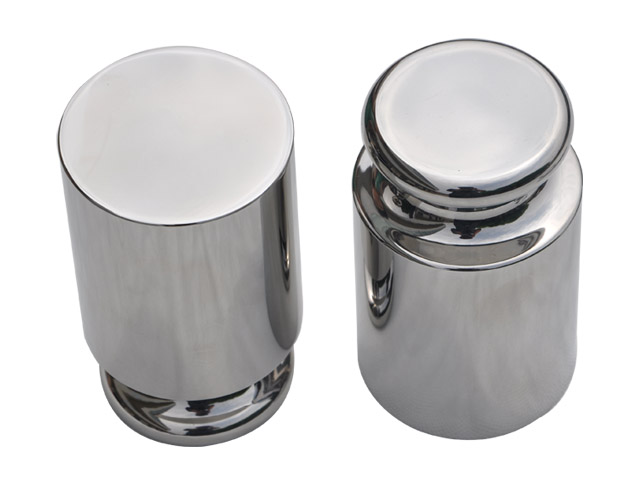
At its core, calibration is the process of comparing a measuring instrument’s output to a known, accurate standard to identify and correct any deviations. For digital scales, calibration weights serve as this standard. They are precisely manufactured objects with a defined mass, designed to validate or adjust the scale’s readings. Without regular calibration using appropriate weights, a digital scale’s measurements can become increasingly inaccurate due to a variety of factors, including mechanical wear, environmental changes, electrical component degradation, and physical shock. For example, a laboratory scale used to measure pharmaceutical ingredients might start overestimating mass by a small percentage, which could result in incorrect dosages and compromise patient safety. Similarly, a commercial scale in a bakery might underestimate the weight of flour, leading to inconsistent product quality and potential financial losses. In essence, calibration weights act as the "reference point" that ensures digital scales perform as intended, making them a cornerstone of quality control and measurement reliability.
Calibration weights come in a diverse range of types, each tailored to specific applications, scale capacities, and precision requirements. One of the primary distinctions among calibration weights is their class, which denotes their level of accuracy and tolerance. Tolerance refers to the maximum allowable deviation from the stated mass—lower tolerance values indicate higher precision. Common classes of calibration weights include laboratory-grade, industrial-grade, and consumer-grade options. Laboratory-grade weights, often used in research facilities, pharmaceutical labs, and metrology (the science of measurement) applications, have the tightest tolerances. These weights are designed for scales that require extremely high precision, such as analytical balances capable of measuring down to 0.1 milligrams. Industrial-grade weights, on the other hand, are built for more robust environments, such as manufacturing plants, warehouses, and shipping facilities. They have slightly higher tolerances but are still precise enough to ensure consistency in production processes and weight verification of goods. Consumer-grade weights are the most accessible type, intended for home use or small businesses like local markets. They are typically used with kitchen scales, postal scales, or small personal scales, where absolute precision is less critical than general accuracy.
Beyond class, calibration weights can also be categorized by their form factor. The most common forms include cylindrical weights, rectangular weights, and hook weights. Cylindrical weights are compact and easy to handle, making them ideal for small to medium-sized scales. They often feature a hole or a groove at the top for easy placement and removal, which is particularly useful when calibrating bench scales or analytical balances. Rectangular weights, also known as block weights, are larger and more stable, making them suitable for heavy-duty industrial scales with high weight capacities, such as floor scales used to weigh pallets or large machinery components. Hook weights, as the name suggests, are equipped with a hook or a loop, allowing them to be suspended from hanging scales or crane scales—common in shipping yards and construction sites where objects are weighed while suspended in air. Additionally, some calibration weights are designed as sets, which include a range of mass values to accommodate different scale capacities and calibration procedures. These sets often come with a storage case to protect the weights from damage and contamination.
The material used in the construction of calibration weights is another crucial factor that influences their performance, durability, and suitability for specific environments. The choice of material is primarily determined by the required precision, the operating environment, and the need for resistance to corrosion, wear, or chemical exposure. One of the most widely used materials for high-precision calibration weights is stainless steel. Stainless steel offers excellent corrosion resistance, high density, and good mechanical stability, making it ideal for laboratory and industrial applications. It is also easy to clean and maintain, which is essential for preserving the weight’s accuracy over time. For even higher precision requirements, such as in metrology labs, weights may be made from specialized alloys like tungsten carbide. Tungsten carbide has an extremely high density, which allows for smaller, more compact weights with the same mass as larger stainless steel weights. This compact size reduces the impact of air resistance on measurements, a critical factor in high-precision applications. However, tungsten carbide is more brittle than stainless steel, requiring careful handling to avoid chipping or cracking.
For applications in harsh environments, such as those involving exposure to chemicals, moisture, or extreme temperatures, calibration weights made from materials like titanium or plastic may be used. Titanium is lightweight, highly corrosion-resistant, and capable of withstanding extreme temperatures, making it suitable for use in aerospace, marine, or chemical processing industries. Plastic weights, typically made from high-density polyethylene (HDPE), are lightweight, low-cost, and resistant to many chemicals. They are commonly used in educational settings, home kitchens, or applications where high precision is not required. However, plastic weights are less durable than metal weights and may deform or degrade over time, especially when exposed to high temperatures or harsh chemicals. It is important to note that the material of the calibration weight can also affect its magnetic properties. In environments where magnetic interference is a concern, such as in electronic manufacturing or laboratory settings using magnetic equipment, non-magnetic materials like stainless steel (specific grades) or titanium should be used to avoid any impact on the weight’s mass or the scale’s performance.
Selecting the right calibration weight for a digital scale is a decision that requires careful consideration of several key factors. First and foremost, it is essential to match the weight’s capacity to the scale’s range. Using a weight that is too light may not provide a sufficient reference point for the scale’s calibration, while using a weight that is too heavy can damage the scale’s load cell—the component that converts pressure into an electrical signal. For example, a digital scale with a maximum capacity of 10 kilograms should be calibrated using weights that cover the lower, middle, and upper ranges of the scale, such as 1 kg, 5 kg, and 10 kg. This ensures that the scale is accurate across its entire measuring range, not just at a single point. Secondly, the weight’s class (precision level) must align with the scale’s intended use. A laboratory scale used for analytical measurements requires a high-precision weight with a tight tolerance, while a commercial scale used to weigh produce may only need a lower-precision industrial-grade weight. Using a weight with a higher precision than necessary can be unnecessarily costly, while using a weight with a lower precision can result in inaccurate calibrations.
Another important factor to consider is the operating environment. If the scale is used in a damp or corrosive environment, such as a seafood market or a chemical lab, a corrosion-resistant weight made from stainless steel or titanium is essential. If the scale is used in a cleanroom or a sterile environment, such as a pharmaceutical lab, the weight should be easy to clean and non-shedding to avoid contamination. Additionally, the weight’s form factor should be compatible with the scale’s design. For example, a small bench scale with a narrow platform may require cylindrical weights that take up less space, while a large floor scale can accommodate larger rectangular weights. It is also advisable to consider whether a single weight or a weight set is more appropriate. Weight sets offer versatility, allowing for calibration of multiple scales with different capacities, while single weights are more cost-effective for specific, fixed-calibration needs. Finally, it is important to ensure that the calibration weight is compatible with the scale’s calibration procedure. Some digital scales have automated calibration functions that require specific weight values or types, so it is crucial to consult the scale’s user manual before selecting a weight.
Proper usage of calibration weights is just as important as selecting the right ones, as incorrect handling can compromise the weight’s accuracy and the calibration process. Before using a calibration weight, it is essential to inspect it for any signs of damage, such as chips, cracks, scratches, or corrosion. Even minor damage can alter the weight’s mass, leading to inaccurate calibration results. If any damage is detected, the weight should not be used until it has been inspected and re-certified by a qualified professional. Next, the weight and the scale’s platform should be clean and free from dust, debris, or moisture. Contaminants on the weight or the scale can add or subtract from the measured mass, affecting the calibration. It is recommended to use clean, lint-free gloves when handling calibration weights to avoid transferring oils, dirt, or moisture from the hands to the weight. Oils from the skin can attract dust and moisture, leading to corrosion over time, while dirt can directly impact the weight’s mass.
When placing the calibration weight on the scale, it should be centered on the platform to ensure even distribution of the load. Uneven placement can cause the scale to give incorrect readings, as the load cell may not measure the weight uniformly. It is also important to avoid dropping or jarring the weight, as impact can permanently alter the weight’s mass. After placing the weight on the scale, allow sufficient time for the scale’s readings to stabilize before recording the value. Digital scales may take a few seconds to process the measurement, especially in environments with vibration or temperature fluctuations. During the calibration process, it is important to follow the scale’s manufacturer guidelines carefully. Some scales require entering a calibration mode, while others may automatically adjust their settings when a known weight is placed on the platform. It is also advisable to perform multiple calibration checks using the same weight to ensure consistency. If the scale’s readings deviate significantly from the weight’s known mass, adjustments may be necessary, such as calibrating the scale to zero or using a calibration function to reset the scale’s settings.
Regular maintenance of calibration weights is essential to preserve their accuracy and extend their lifespan. One of the most important maintenance practices is proper storage. Calibration weights should be stored in a clean, dry, and stable environment, away from extreme temperatures, humidity, and direct sunlight. Extreme temperatures can cause thermal expansion or contraction of the weight’s material, temporarily altering its mass, while high humidity can lead to corrosion. Many calibration weights come with a dedicated storage case, which provides protection from dust, moisture, and physical damage. When not in use, weights should be placed in their case to prevent scratches and contamination. It is also important to avoid stacking weights on top of each other, as this can cause scratches or indentations that affect the weight’s mass. For metal weights, periodic cleaning is necessary to remove dust, dirt, and any signs of corrosion. Cleaning should be done using a mild detergent and a soft cloth or brush. Abrasive cleaners or scrubbers should be avoided, as they can scratch the weight’s surface. After cleaning, the weight should be thoroughly dried to prevent moisture buildup.
In addition to cleaning and storage, calibration weights should be periodically re-certified to ensure that their mass remains within the specified tolerance. Over time, even well-maintained weights can drift from their original mass due to wear, corrosion, or other factors. The frequency of re-certification depends on the weight’s class, the operating environment, and the frequency of use. High-precision laboratory weights may need to be re-certified annually, while industrial-grade weights used in less harsh environments may only need re-certification every two to three years. Re-certification should be performed by a qualified metrology laboratory or a professional calibration service provider, who will use specialized equipment to measure the weight’s mass and verify its compliance with the specified tolerance. If a weight is found to be out of tolerance, it may be possible to recondition it (e.g., by removing corrosion or polishing scratches) to restore its accuracy. However, in some cases, the weight may need to be replaced if the damage is too severe.
The impact of accurate calibration using proper weights extends far beyond individual scales, influencing entire industries and even public safety. In the healthcare sector, for example, digital scales are used to measure medication dosages, patient weights, and laboratory samples. Inaccurate measurements due to poorly calibrated scales can lead to incorrect diagnoses, ineffective treatments, or even harmful drug dosages. Calibration weights ensure that these scales remain accurate, safeguarding patient health and well-being. In the manufacturing industry, calibration weights play a critical role in quality control. From measuring raw materials to inspecting finished products, accurate weight measurements are essential to ensure that products meet design specifications and performance standards. For example, in the automotive industry, components like engine parts or brake pads must be precisely weighted to ensure proper fit and function. Inaccurate measurements can lead to product failures, recalls, and potential safety hazards for consumers. In the food and beverage industry, digital scales are used to measure ingredients, portion sizes, and packaged products. Calibration weights ensure that consumers receive the correct amount of product for their money, while also ensuring compliance with food safety regulations that require accurate labeling of food weights.
In the field of research and development, accurate measurements are the foundation of scientific discovery. Laboratories rely on calibrated digital scales to measure chemicals, biological samples, and other materials with extreme precision. Without proper calibration using high-quality weights, research results could be unreliable, leading to incorrect conclusions and wasted resources. In the logistics and shipping industry, digital scales are used to weigh packages and cargo, determining shipping costs and ensuring compliance with transportation regulations. Inaccurate weight measurements can lead to overcharging or undercharging customers, as well as potential fines for violating weight limits on roads and railways. Calibration weights help to ensure that these scales provide accurate readings, promoting fairness in commercial transactions and compliance with regulatory requirements. Even in everyday life, calibration weights have a subtle but important impact. Home kitchen scales used to measure ingredients for baking or cooking rely on occasional calibration to ensure that recipes turn out correctly. Postal scales used to weigh letters and packages help to ensure that the correct postage is applied, avoiding delays or additional charges.
Despite their importance, calibration weights are often overlooked or undervalued. Many users assume that digital scales remain accurate indefinitely, or they use makeshift weights (such as coins or household objects) for calibration. However, these makeshift weights have unknown masses and can vary significantly from their assumed values, leading to inaccurate calibrations. For example, a coin may have a mass that varies due to wear, dirt, or manufacturing differences, making it an unreliable reference point. Investing in high-quality calibration weights is a small cost compared to the potential consequences of inaccurate measurements, such as product recalls, safety hazards, financial losses, or compromised research results.
In conclusion, calibration weights are essential tools for maintaining the accuracy and reliability of digital scales. From their role as reference standards in calibration processes to their impact on various industries and public safety, these small but precise objects play a critical role in our daily lives and professional endeavors. When selecting calibration weights, it is important to consider factors such as capacity, class, material, form factor, and compatibility with the scale and operating environment. Proper usage and maintenance, including careful handling, cleaning, storage, and periodic re-certification, are essential to preserve the weight’s accuracy and extend its lifespan. By understanding the importance of calibration weights and following best practices for their selection and use, users can ensure that their digital scales provide accurate, consistent measurements, supporting quality control, safety, and efficiency across all applications. Whether in a laboratory, a manufacturing plant, a grocery store, or a home kitchen, calibration weights are the unsung heroes that keep our measuring devices on track, ensuring that we can trust the numbers that guide our decisions.
