





Changzhou Veidt Weighing Co., Ltd. © 2022 ALL RIGHTS RESERVED Privacy Policy | Calibration Weight | Test Weights | Cast Iron Weights | Standard Weights | Laboratory Weights | XML | SITEMAP
NEWS LIST
calibration test weight
Saturday 14th March 2026 Back to list
In every field that relies on accurate weight measurement—from scientific research and laboratory testing to industrial manufacturing, logistics, and commercial trade—calibration test weights stand as the quiet foundation of reliability. These precisely crafted masses are not mere pieces of metal; they are the reference points that validate the performance of weighing equipment, ensuring that every reading, every calculation, and every decision based on weight data is rooted in consistency and truth. Without calibrated test weights, even the most advanced weighing scales and balances would drift into inaccuracy over time, leading to flawed results, wasted resources, compromised product quality, and disrupted operational workflows.
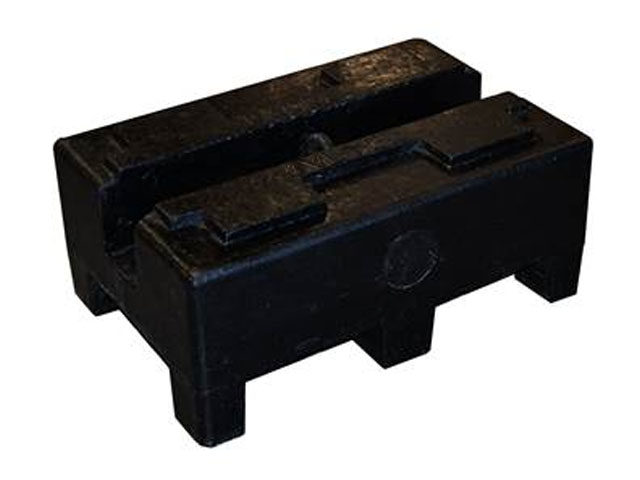
At their core, calibration test weights are standardized masses engineered to maintain a stable, known weight under controlled conditions, serving as a benchmark to verify and adjust weighing instruments. Unlike ordinary weights used for general balancing tasks, calibration test weights are manufactured with strict attention to dimensional accuracy, material purity, and surface finish, all of which contribute to their ability to retain their mass value over extended periods. The design of these weights is tailored to their intended use: smaller weights for laboratory analytical balances often feature compact, cylindrical shapes with smooth, non-porous surfaces to minimize the accumulation of dust, moisture, or contaminants, while larger industrial weights are built with sturdy, durable structures to withstand frequent handling, transport, and use in rugged working environments. Some weights are designed with built-in handles or lifting points to facilitate safe and proper handling, reducing the risk of physical damage that could alter their mass, while others are crafted as solid, one-piece units to eliminate internal gaps or moving parts that could compromise stability.
The choice of material for calibration test weights is a critical factor that directly impacts their performance, longevity, and suitability for specific environments. Common materials include high-grade stainless steel, brass, cast iron, and aluminum, each selected for unique properties that align with different application needs. Stainless steel is a popular choice for high-precision calibration weights due to its exceptional resistance to corrosion, oxidation, and wear; it maintains its mass stability even in humid, damp, or mildly corrosive settings, making it ideal for laboratory use, pharmaceutical facilities, and food processing environments where cleanliness and resistance to degradation are paramount. Brass weights offer good corrosion resistance and a smooth, easy-to-clean surface, often used in general laboratory and commercial applications where moderate precision is required. Cast iron weights, while more prone to rust if not properly maintained, are valued for their durability and cost-effectiveness in heavy-duty industrial settings, such as manufacturing plants, shipping yards, and agricultural operations, where large-scale weighing equipment needs regular verification. Aluminum weights are lightweight and resistant to corrosion, making them suitable for portable calibration tasks and field testing where ease of transport is a priority. Regardless of the material, every calibration test weight is crafted to minimize density variations and surface imperfections, as even tiny flaws can lead to measurable changes in mass and undermine the accuracy of calibration processes.
The primary function of calibration test weights is to perform calibration and routine performance checks on weighing equipment, a process that is vital for counteracting the natural drift that occurs in all measuring devices over time. Weighing scales and balances are subject to a range of factors that can impair their accuracy: regular mechanical wear and tear, exposure to temperature fluctuations, physical shocks or vibrations, dust buildup, and even minor misalignments can cause readings to deviate from true values. Calibration test weights provide an objective, tangible reference to correct these deviations. During calibration, technicians place the test weight on the weighing platform of the instrument, compare the displayed reading to the known mass of the weight, and adjust the device’s settings to align the two values. This process is not limited to a single weight; for comprehensive calibration, multiple test weights of varying masses are used across the entire weighing range of the instrument to check linearity, repeatability, and sensitivity. This ensures that the device delivers accurate readings not just at one specific weight, but at every point within its operational capacity, from the lightest measurable load to the maximum capacity.
Beyond basic calibration, test weights play a key role in routine performance verification, a proactive practice that helps detect accuracy issues before they lead to costly errors. Many businesses and research facilities implement regular check routines using calibration test weights to confirm that weighing equipment remains within acceptable tolerance levels between formal calibrations. This is especially critical in industries where even minor measurement errors can have significant consequences. In pharmaceutical manufacturing, for example, precise weighing of active ingredients and excipients is essential to ensure product potency and safety; a small deviation in weight could result in ineffective medications or harmful dosage errors, making regular verification with test weights a non-negotiable step in quality control. In the food and beverage industry, accurate weighing ensures consistent product portioning, compliance with labeling regulations, and prevention of product waste from overfilling or underfilling. In logistics and shipping, reliable weight measurements are necessary for proper cargo loading, cost calculation, and compliance with transportation safety standards, as overloaded or underloaded shipments can lead to safety hazards and financial losses. In scientific research, whether in chemistry, physics, or materials science, the validity of experimental data depends entirely on the accuracy of weighing instruments, and calibration test weights are the only way to confirm that measurements are trustworthy and replicable.
Proper handling and care of calibration test weights are equally important as their correct application, as mishandling can quickly compromise their mass stability and render them ineffective for precision calibration. One of the most fundamental rules of handling test weights is to avoid direct contact with bare hands. Skin naturally produces oils, sweat, and microscopic particles that can transfer to the weight’s surface, adding tiny amounts of mass that may seem insignificant but can drastically affect high-precision measurements. For this reason, technicians should always use clean, lint-free gloves, specialized tweezers, or weight grippers when handling small, high-precision test weights. Even for larger industrial weights, using proper lifting tools and avoiding dragging, dropping, or scraping the weight against hard surfaces is essential, as physical damage such as dents, scratches, or chips can alter the weight’s mass and create rough surfaces that trap contaminants. When transporting calibration test weights, they should be placed in protective cases lined with soft, non-abrasive material to prevent movement and impact during transit; this not only protects the weights from damage but also keeps them clean and free from external debris.
Storage conditions are another critical aspect of maintaining calibration test weight integrity. Weights should be stored in a clean, dry, temperature-stable environment away from direct sunlight, extreme heat, cold, or high humidity. Fluctuations in temperature can cause the material of the weight to expand or contract slightly, leading to temporary or permanent changes in mass, while humid conditions can promote corrosion or mold growth on susceptible materials. Ideally, calibration test weights should be stored in a dedicated storage cabinet or case, separate from other tools and chemicals that could cause contamination or damage. For high-precision laboratory weights, storing them in a temperature-controlled room near the balances they are used with can help achieve thermal equilibrium, eliminating errors caused by differences in temperature between the weight and the weighing instrument. It is also important to store weights in an organized manner, avoiding overcrowding and ensuring that each weight has its own designated space to prevent accidental mixing or damage from contact with other weights. Regular inspection of weights for signs of wear, corrosion, or damage is recommended; any weight that shows visible defects should be removed from use and evaluated for potential mass deviation before being reused for calibration.
Cleaning calibration test weights is a delicate process that must be performed carefully to avoid altering their mass or damaging their surface. The cleaning method varies depending on the material of the weight and the level of contamination. For lightly soiled stainless steel or brass weights, a soft, lint-free cloth slightly dampened with a mild, non-abrasive cleaning solution is sufficient to remove dust and fingerprints; the weight should be dried immediately with a clean, dry cloth to prevent moisture buildup. For more stubborn contaminants, specialized cleaning agents formulated for precision metal surfaces may be used, but harsh chemicals, abrasive scrubbers, or ultrasonic cleaners should be avoided unless recommended by the weight manufacturer, as these can damage the surface finish or remove small amounts of material. Cast iron weights may require a light coating of protective oil after cleaning to prevent rust, but only a thin, uniform layer should be applied to avoid adding excess mass. After cleaning, weights should be allowed to return to room temperature before use to ensure thermal stability and prevent measurement errors related to temperature differences. It is crucial to never use excessive force or aggressive cleaning methods, as the goal is to remove contaminants without altering the weight’s physical properties or mass.
The lifespan and ongoing reliability of calibration test weights also depend on periodic re-evaluation and adjustment, even with proper handling and storage. Over time, all test weights will experience minor changes in mass due to normal wear, environmental exposure, and repeated use, which means their original reference value may no longer be accurate. Scheduling regular rechecks by qualified metrology professionals ensures that any deviations are detected and corrected promptly, keeping the weights within acceptable tolerance limits for their intended application. The frequency of rechecks depends on several factors, including the level of precision required, the frequency of use, and the environmental conditions in which the weights are stored and used. Weights used in high-precision laboratories or critical industrial processes may require more frequent rechecks, while those used for general-purpose calibration in less demanding settings can be rechecked at longer intervals. Adhering to a consistent recheck schedule is a proactive measure that safeguards measurement accuracy and avoids the risks associated with using outdated or inaccurate calibration standards.
In the broader landscape of measurement and quality assurance, calibration test weights are more than just tools—they are a cornerstone of standardization and trust. In a world where data-driven decisions shape every aspect of business, research, and production, accurate weight measurement is a universal need that transcends industry boundaries. Calibration test weights ensure that weighing instruments across different facilities, regions, and applications operate on a consistent reference scale, enabling seamless collaboration, reliable data sharing, and fair commercial transactions. They support the integrity of quality management systems, helping businesses maintain consistent product quality, reduce waste, and meet operational expectations. For researchers, they provide the confidence that experimental results are valid and reproducible, driving progress in scientific discovery and innovation. For regulatory and compliance-focused industries, they serve as tangible evidence of commitment to accurate measurement practices, supporting adherence to industry guidelines and best practices.
Despite their unassuming appearance, calibration test weights have a far-reaching impact on efficiency, safety, and reliability in countless operations. A single well-maintained test weight can prevent a cascade of errors that might otherwise lead to defective products, failed experiments, financial losses, or safety hazards. In manufacturing, accurate weighing powered by calibrated test weights optimizes material usage, reduces scrap, and ensures that every product meets quality specifications. In healthcare and pharmaceutical settings, it safeguards patient well-being by guaranteeing the accuracy of medical compounds and dosage forms. In logistics and trade, it fosters fairness and transparency by ensuring that buyers and sellers rely on consistent, accurate weight measurements. In environmental and testing laboratories, it supports reliable data collection for research, analysis, and compliance with environmental standards.
Investing time and resources into proper selection, handling, maintenance, and rechecking of calibration test weights is not just a technical requirement—it is a strategic decision that prioritizes accuracy and reliability. Many organizations underestimate the impact of seemingly small measurement errors, but over time, these errors accumulate, leading to significant inefficiencies and costs. Calibration test weights offer a straightforward, effective solution to mitigate these risks, providing a stable, verifiable reference for all weighing activities. They remind us that precision is not achieved by chance; it is built on consistent, deliberate practices and the use of reliable reference standards.
As technology continues to advance and weighing equipment becomes increasingly sophisticated, the role of calibration test weights remains unchanged and irreplaceable. Even the most automated, high-tech weighing systems depend on these physical reference masses to validate their performance, as digital components and sensors are still susceptible to drift and degradation. Calibration test weights represent a timeless link between traditional metrology principles and modern measurement technology, ensuring that innovation does not come at the cost of accuracy. They are a testament to the idea that the most critical tools in precision work are often the most understated, quietly upholding standards that keep operations running smoothly, safely, and efficiently.
In conclusion, calibration test weights are an essential component of any operation that values accurate weight measurement. Their meticulous design, careful manufacturing, and proper use underpin the reliability of weighing equipment across every industry, from small research laboratories to large-scale industrial facilities. By serving as the gold standard for mass measurement, they enable consistency, quality, and trust in every weight-related task. Adhering to best practices for handling, storage, cleaning, and periodic rechecking ensures that these weights retain their accuracy and continue to fulfill their vital role for years to come. In a world that demands precision and reliability, calibration test weights are not just tools—they are an investment in excellence, ensuring that measurement integrity is always upheld, and that every weight reading is a true reflection of reality.
