





Changzhou Veidt Weighing Co., Ltd. © 2022 ALL RIGHTS RESERVED Privacy Policy | Calibration Weight | Test Weights | Cast Iron Weights | Standard Weights | Laboratory Weights | XML | SITEMAP
NEWS LIST
accurate test weight
Saturday 21st March 2026 Back to list
In every corner of the modern world, from quiet research laboratories to bustling manufacturing floors, from local retail spaces to large-scale logistics warehouses, the act of weighing is a universal and unassuming task that underpins nearly every commercial, scientific, and industrial operation. Few people pause to consider the precision that lies behind every weight reading displayed on a scale or balance, yet that precision is not accidental—it is guarded and maintained by a small but critical tool: the accurate test weight. Far more than a simple metal object with a fixed mass, an accurate test weight serves as the quiet backbone of reliable measurement, a universal reference point that ensures consistency, fairness, and quality across countless applications. Without these precisely crafted weights, the entire system of mass measurement would descend into uncertainty, leading to flawed data, inconsistent products, unfair transactions, and compromised safety in fields where even the smallest deviation can have significant consequences. To understand the true value of accurate test weights is to recognize the quiet engineering and careful craftsmanship that go into creating a tool that remains stable, consistent, and trustworthy over time, and to appreciate how this unassuming component connects every weighing device to a global standard of accuracy.
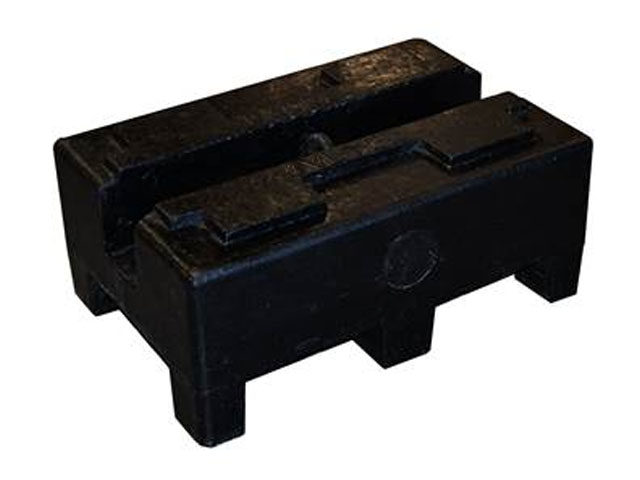
At its core, an accurate test weight is a precisely manufactured object designed to hold a fixed, known mass that remains unchanged under normal operating conditions, serving as a benchmark to verify, calibrate, and adjust weighing instruments of all types. Unlike ordinary weights used for general balancing, test weights are built with an unwavering focus on dimensional stability, material consistency, and resistance to external factors that could alter their mass, such as corrosion, physical wear, temperature changes, or moisture absorption. The process of creating a high-quality accurate test weight begins long before the final shaping of the metal, starting with the selection of materials that possess the ideal combination of density, durability, and stability. Manufacturers choose materials based on the intended use of the weight: dense, non-porous metals that resist tarnishing and physical damage are preferred for precision-focused weights, while sturdier, more robust materials are used for heavier weights designed for industrial settings. Every step of the production process is guided by a commitment to minimizing variation, from the initial casting or forging to the precise machining and finishing that ensures the weight’s mass matches its intended value within extremely narrow margins. There is no room for careless workmanship here; even a tiny scratch, a thin layer of residue, or a slight imbalance in the metal can shift the mass slightly, turning a reliable reference into a source of error. This level of meticulousness is what separates a standard weight from an accurate test weight, as the latter is built to maintain its integrity through repeated use, handling, and exposure to the everyday conditions of the environments where it is used.
The design of an accurate test weight is equally intentional, with every curve, shape, and feature serving a practical purpose that supports both accuracy and ease of use. Most precision test weights feature a smooth, uniform surface free of crevices or rough edges, which prevents the buildup of dust, dirt, or moisture that could add unwanted mass over time. Many smaller test weights include a small, ergonomic handle or knob at the top, allowing users to handle them with specialized tools instead of bare hands—an important detail, as the oils, sweat, and debris from human skin can leave a residue that gradually alters the weight’s mass. Larger industrial test weights, meant for calibrating heavy-duty floor scales and platform scales, are often shaped as solid blocks with reinforced handles for safe lifting and placement, designed to withstand the weight of heavy machinery and the rough handling common in industrial settings without bending, cracking, or chipping. The symmetry of the test weight is another critical design element; a perfectly symmetrical weight distributes mass evenly, ensuring that when placed on a weighing pan or scale platform, it provides a consistent reading every time, regardless of its exact position. This attention to design details is not a matter of aesthetics but of functional accuracy, as every physical characteristic of the test weight directly impacts its ability to serve as a reliable reference. Even the weight’s finish is carefully considered, with smooth, non-abrasive coatings that protect the underlying metal from corrosion and wear without adding significant mass or altering the weight’s dimensional properties.
The primary function of an accurate test weight is to enable calibration, a process that compares the readings of a weighing instrument to the known mass of the test weight to identify and correct any discrepancies. Over time, even the most well-built weighing devices can experience slight shifts in accuracy due to regular use, mechanical wear, environmental factors like temperature fluctuations or humidity, or accidental bumps and impacts. A scale that was perfectly calibrated when first installed may gradually begin to show readings that are slightly higher or lower than the true mass of an object, a drift that can go unnoticed for weeks or months until it causes tangible problems. Calibration with an accurate test weight is the only way to detect this drift and restore the instrument to its proper working order. The process is straightforward in principle but requires care and attention to execute correctly: the test weight is placed gently on the weighing platform or balance pan, and the instrument’s displayed reading is compared to the test weight’s known mass. If the two values match within acceptable limits, the instrument remains in good working condition; if there is a noticeable gap, the instrument can be adjusted to align its readings with the test weight’s mass. This simple yet vital process ensures that every subsequent weighing performed with the instrument is reliable, whether it is measuring ingredients for a recipe, components for a manufactured product, or goods for a commercial transaction.
Calibration with accurate test weights is not a one-time task but a recurring practice that varies in frequency based on the instrument’s usage and the criticality of the measurements it performs. Instruments used in high-stakes environments, such as laboratory balances used for scientific research or pharmaceutical formulation, require more frequent calibration—often daily or weekly—to maintain the level of precision needed for their work. These instruments measure extremely small masses, sometimes down to fractions of a milligram, so even a tiny error in calibration can render entire experiments or production batches invalid. In contrast, larger industrial scales used for weighing bulk materials or packaged goods may require calibration on a monthly or quarterly basis, depending on how often they are used and the conditions of the workspace. Regardless of the frequency, the consistent use of accurate test weights for calibration creates a cycle of reliability: each calibration check reinforces the instrument’s accuracy, reducing the risk of measurement errors and ensuring that all data collected from the device is consistent over time. This consistency is invaluable for businesses and researchers alike, as it allows for meaningful comparisons of measurements taken on different days, in different locations, or with different instruments, creating a unified standard of measurement that transcends individual devices or workspaces.
The impact of accurate test weights extends far beyond individual calibration tasks, touching nearly every industry and sector that relies on mass measurement. In the food and beverage industry, for example, precise weighing is essential for both product consistency and consumer fairness. Every packaged food item, from a box of cereal to a bottle of cooking oil, is labeled with a specific net weight, and consumers expect to receive the exact amount stated on the package. Inaccurate scales can lead to underfilled packages, which disappoint customers and harm a brand’s reputation, or overfilled packages, which increase production costs and cut into profit margins. By regularly calibrating production and packaging scales with accurate test weights, food manufacturers ensure that every product meets its stated weight, maintaining consistency across every batch and upholding their commitment to fair trade. Accurate weighing also plays a key role in recipe formulation and quality control, where the precise ratio of ingredients directly impacts the taste, texture, and shelf life of the final product. A small error in measuring flour, sugar, or preservatives can alter the entire recipe, leading to inconsistent product quality and wasted resources. In this way, accurate test weights help food producers maintain high-quality standards, reduce waste, and build trust with their customers.
In the pharmaceutical and healthcare industries, the importance of accurate test weights rises to a matter of safety and patient well-being. Pharmaceutical manufacturing relies on the precise measurement of active ingredients and excipients, where even a minute deviation in mass can have serious consequences for the effectiveness and safety of a medication. Too little of an active ingredient may make a drug ineffective, failing to treat the condition it is designed to address, while too much can lead to adverse side effects or overdose risks. Laboratory scales used in pharmaceutical research and production must be calibrated with the highest level of accuracy, using test weights that are crafted to maintain their mass with exceptional precision. These test weights are handled with extreme care, often stored in protective cases and cleaned regularly to avoid any contamination that could alter their mass. Every calibration session is documented carefully, creating a record of the instrument’s accuracy over time that supports quality control protocols and ensures that every step of the drug manufacturing process meets strict safety standards. Without accurate test weights, the entire pharmaceutical supply chain would be vulnerable to measurement errors, putting patients at risk and undermining the integrity of life-saving medications.
The manufacturing and engineering sectors also depend heavily on accurate test weights to maintain production efficiency and product quality. In assembly lines and production facilities, weighing is used to measure raw materials, component parts, and finished products, ensuring that each item meets the required specifications. For example, in automotive manufacturing, precise weighing of metal components ensures that parts fit together correctly and that the final vehicle meets performance and safety standards. In electronics manufacturing, weighing tiny components like microchips and circuit board parts ensures that products are lightweight, durable, and functional. Inaccurate measurements in these settings can lead to defective products, costly production delays, and the need for rework, all of which increase operational costs and reduce productivity. Calibrating industrial scales and weighing equipment with accurate test weights helps manufacturers avoid these issues, keeping production lines running smoothly and ensuring that every product leaving the factory meets quality benchmarks. Additionally, in industries that handle hazardous materials, accurate weighing is critical for safety, ensuring that the correct amount of material is used or stored to prevent accidents, spills, or exposure to dangerous substances. Test weights used in these settings are built to withstand harsh environmental conditions, including exposure to chemicals, extreme temperatures, and heavy use, ensuring they remain reliable even in challenging workspaces.
Scientific research and academic laboratories are another area where accurate test weights are irreplaceable, as the entire foundation of experimental data relies on precise measurement. Researchers in fields such as chemistry, biology, physics, and materials science use analytical balances and precision scales to measure samples, reagents, and experimental materials, with measurements that often require extreme precision. A single inaccurate reading can skew experimental results, leading to false conclusions, wasted research time, and lost funding. Accurate test weights provide researchers with a reliable reference point to calibrate their equipment before every experiment, ensuring that all data collected is accurate and reproducible. Reproducibility is a cornerstone of scientific research, meaning that other researchers must be able to replicate an experiment and get the same results using the same methods; consistent calibration with test weights makes this reproducibility possible. Whether conducting basic research to advance scientific knowledge or applied research to develop new technologies and products, scientists rely on accurate test weights to maintain the integrity of their work and ensure that their findings are credible and useful. Even in educational laboratories, where students learn basic measurement skills, accurate test weights teach the importance of precision and reliability, instilling good scientific practices that will carry over into their future careers.
Retail and commercial trade is yet another domain where accurate test weights uphold fairness and transparency between businesses and consumers. For centuries, standardized weights have been used to ensure fair trade, preventing merchants from using inaccurate scales to cheat customers out of their money. Today, this tradition continues with modern accurate test weights, which are used to calibrate retail scales used in grocery stores, farmers’ markets, jewelry shops, and other businesses that sell goods by weight. Customers have the right to trust that the scale at the checkout counter is accurate, and that they are paying for the exact amount of product they receive. Regular calibration with test weights ensures that retail scales remain impartial and reliable, protecting both consumers and honest business owners. Unscrupulous practices with inaccurate scales can lead to lost customer trust and legal consequences, but consistent calibration eliminates this risk, creating a level playing field for all businesses. In logistics and shipping, accurate test weights are used to calibrate scales that measure packages and freight, ensuring that shipping costs are calculated fairly based on actual weight. This prevents disputes between shippers and carriers and ensures that logistics operations run efficiently, with accurate weight data guiding loading, transportation, and delivery processes.
Proper care and maintenance of accurate test weights are essential to preserving their precision and extending their usable life, as even the highest-quality test weight can lose its accuracy if not handled and stored correctly. One of the most important rules for handling test weights is to avoid touching them with bare hands; instead, users should wear clean, lint-free gloves or use specialized tweezers or lifting tools to prevent skin oils, dirt, and moisture from transferring to the weight’s surface. After each use, test weights should be gently cleaned with a soft, dry cloth to remove any dust or residue, taking care not to scratch or damage the surface. For more stubborn contaminants, a mild, non-abrasive cleaning solution can be used, followed by thorough drying to prevent moisture buildup. Test weights should be stored in a clean, dry, temperature-stable environment, away from direct sunlight, extreme heat or cold, chemicals, and moisture. Many test weights come with custom-fitted protective cases that prevent scratches, dust, and physical damage during storage and transportation, and these cases should always be used when the weight is not in use. Heavier industrial test weights should be stored on a flat, stable surface to avoid warping or bending, and they should be inspected regularly for signs of wear, corrosion, or physical damage. If a test weight is dropped, scratched, or exposed to harsh conditions, it should be checked for accuracy before being used again, as even minor damage can alter its mass. By following these simple maintenance practices, users can ensure that their accurate test weights remain reliable for years, providing consistent calibration results and protecting the integrity of their weighing processes.
It is also important to select the right type of accurate test weight for a specific application, as not all test weights are designed to perform the same tasks. Smaller, ultra-precise test weights are ideal for laboratory balances and high-precision instruments that measure small masses, while larger, heavier test weights are suitable for industrial scales and heavy-duty weighing equipment. The tolerance level of the test weight—meaning the allowable deviation from its stated mass—should match the precision requirements of the weighing instrument; instruments that require high precision need test weights with a very narrow tolerance, while instruments used for general weighing can use test weights with a slightly wider tolerance. Choosing the wrong test weight for an application can lead to ineffective calibration, as a weight with too large a tolerance will not detect small drifts in accuracy, while an overly precise weight may be unnecessary and more vulnerable to damage in a rough industrial setting. Taking the time to select the appropriate test weight based on usage, environment, and precision needs ensures that calibration efforts are effective and that weighing instruments perform at their best.
In a world that increasingly relies on data, consistency, and precision, the role of accurate test weights cannot be overstated. They are the unsung heroes of measurement, working quietly behind the scenes to ensure that every weighing action is fair, accurate, and reliable. From the smallest laboratory sample to the largest industrial shipment, from everyday consumer purchases to life-saving pharmaceutical products, accurate test weights touch every aspect of modern life. They bridge the gap between theoretical mass standards and real-world application, creating a universal language of measurement that is understood and trusted across the globe. Investing in high-quality accurate test weights and following consistent calibration and maintenance practices is not just a technical necessity—it is a commitment to quality, fairness, and safety. As technology advances and weighing instruments become more sophisticated, the need for reliable, accurate test weights remains constant, as even the most advanced equipment is only as good as the reference standard used to calibrate it. Accurate test weights represent the perfect blend of careful engineering, quality craftsmanship, and practical functionality, a tool that proves that sometimes the most important components of a functional, reliable world are the ones that work silently and steadily, without fanfare, to keep everything running smoothly.
Looking ahead, the demand for accurate test weights will continue to grow as industries become more focused on quality control, data integrity, and operational efficiency. New materials and manufacturing techniques will likely be developed to enhance the stability and precision of test weights, making them even more resistant to environmental factors and wear. However, the core purpose of these tools will remain unchanged: to provide a consistent, known mass that serves as the gold standard for weighing accuracy. As businesses and researchers strive for greater precision in their work, accurate test weights will remain an essential part of the process, ensuring that measurement remains a reliable and trustworthy practice. In the end, accurate test weights are more than just tools—they are a symbol of the commitment to accuracy that defines modern industry, science, and commerce, a commitment that makes the modern world function with consistency and fairness for everyone.
