





Changzhou Veidt Weighing Co., Ltd. © 2022 ALL RIGHTS RESERVED Privacy Policy | Calibration Weight | Test Weights | Cast Iron Weights | Standard Weights | Laboratory Weights | XML | SITEMAP
Product Category
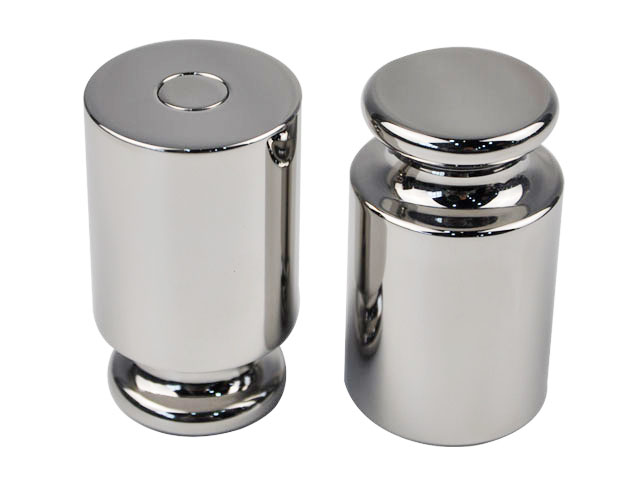
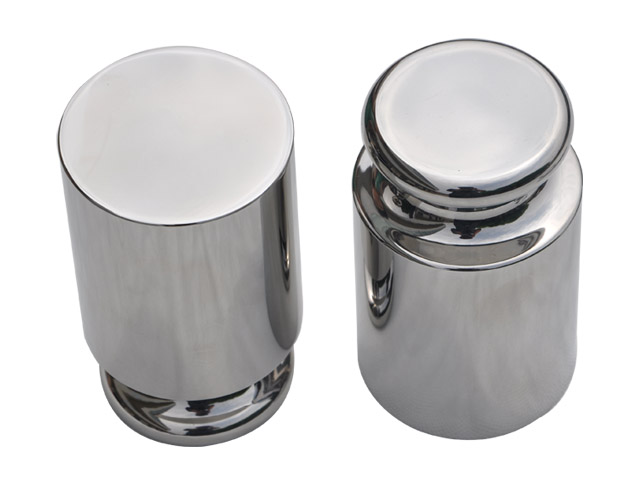
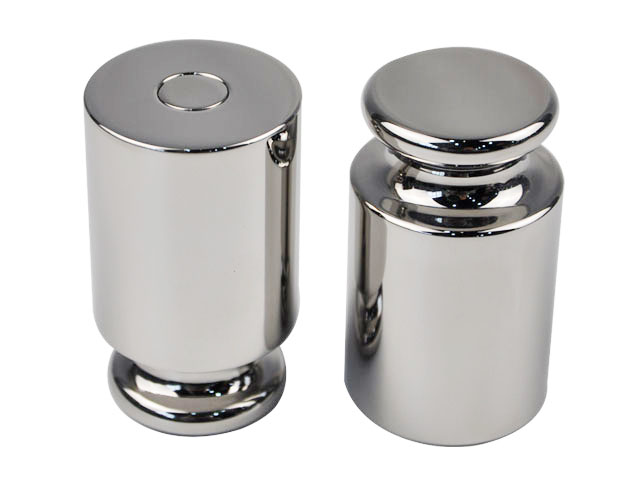
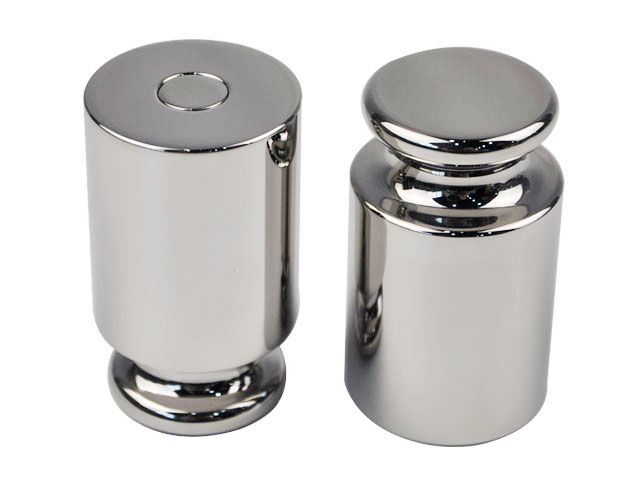
Stainless Steel Weight
Veidt Weighing is a Stainless Steel Weight factory in china. Stainless steel weights are indispensable precision measuring tools in modern laboratories, industrial production, and quality testing. This standardized weight tool made of high-quality stainless steel material is widely favored for its excellent corrosion resistance, stability, and precision. Stainless steel weights are widely used in the calibration and verification process of various electronic and mechanical scales, and are the basis for ensuring accurate and reliable measurement results.
Stainless steel weights are usually made of 304 or 316 stainless steel, which have significant advantages due to their special chemical composition:
304 stainless steel: containing 18% chromium and 8% nickel, with good corrosion resistance and mechanical properties
316 stainless steel: Adding 2-3% molybdenum on top of 304 to further improve corrosion resistance, especially suitable for humid or corrosive environments
The selection of stainless steel materials ensures that the weights are not easily rusted or corroded during long-term use, and have extremely low magnetic properties, which will not interfere with precision weighing equipment. The density of this material is about 7.9g/cm ³, ensuring that the weight volume is appropriate for easy use and storage.
Stainless steel weights are divided into multiple precision grades:
E1 level: highest accuracy, used for national metrology institutes and standard transmission
E2 level: High precision, suitable for precision laboratories and standard laboratories
F1 level: Industrial grade high precision, used for routine laboratory testing
F2 level: General industrial use
M1 level: General industrial use
M2 level: General commercial use
The allowable error range for weights of different grades varies, and the higher the grade, the smaller the allowable error. The error of E1 grade weights usually does not exceed ± 0.0003%, while the error of M2 grade weights may be around ± 0.1%.
The weight specifications of stainless steel weights cover a wide range, from the smallest 1mg to the largest 50kg. Common specifications include:
Milligram group: 1mg, 2mg, 5mg, 10mg, 20mg, 50mg, 100mg, 200mg, 500mg
Gram group: 1g, 2g, 5g, 10g, 20g, 50g, 100g, 200g, 500g
Kilogram group: 1kg, 2kg, 5kg, 10kg, 20kg, 25kg, 50kg
There are various shapes of weights, designed according to different weights:
Small mass weights (≤ 50g) are usually in the form of sheets or filaments
Medium weight weights (50g-1kg) are mostly cylindrical or hexagonal in shape
Large weight weights (≥ 1kg) are often designed with a handle structure for easy handling
The production of high-quality stainless steel weights requires strict process flow:
Material selection: Choose stainless steel raw materials that meet the standards
Precision machining: using CNC machine tools for high-precision machining and forming
Surface treatment: Polishing and grinding to achieve the specified surface roughness
Demagnetization treatment: eliminating the magnetism generated during the processing
Cleaning and drying: removing surface impurities and oil stains
Quality inspection: check the size and weight one by one
Precautions for use
Use specialized tweezers or gloves for retrieval and placement, avoiding direct contact with hands
Handle with care to prevent collisions and falls
Before use, check if the surface of the weight is clean
Avoid use in corrosive environments
Regularly conduct calibration checks
Cleaning and maintenance methods
Gently wipe with a soft, lint free cloth
Stubborn stains can be cleaned by diluting them with neutral cleaning agents
Immediately dehydrate and dry with anhydrous ethanol after cleaning
Store in a dry and dust-free environment
Long term non use should be coated with anti rust oil for protection
Stainless steel weights play an important role in various industries:
Metrological verification institutions: used for the verification and calibration of various weighing equipment
Laboratory: Accurate Weighing in Scientific Research Experiments and Quality Control
Pharmaceutical industry: precise weighing of drug formulas and raw materials
Food industry: formula research and development, production process control
Electronics industry: weight detection of precision electronic components
Jewelry industry: precise weighing of precious metals and gemstones
Educational institutions: Physics and Chemistry Experiment Teaching
When choosing stainless steel weights, the following factors should be considered:
Accuracy level: Select the appropriate accuracy level according to actual needs
Material requirements: Choose 304 or 316 stainless steel according to the usage environment
Specification configuration: Select the appropriate combination of specifications based on the range and working requirements of the weighing equipment
Supporting accessories: Consider whether specialized tweezers, storage boxes, and other accessories are needed
Supplier Qualification: Choose a reputable manufacturer or authorized distributor
After sales service: Understand calibration service and warranty period
As a fundamental tool in the field of metrology, the accuracy and reliability of stainless steel weights directly affect the measurement results of various industries. Understanding the characteristics, correct use, and maintenance methods of stainless steel weights is of great significance for ensuring the accuracy of measurement data. With the continuous improvement of quality control requirements, stainless steel weights will continue to play an irreplaceable role in the field of precision measurement.
In the vast and interconnected world of measurement and quality control, stainless steel weights and calibration weights stand as unsung heroes, serving as the foundational reference for accurate mass determination across countless industries, laboratories, and daily operational settings. These small yet meticulously crafted objects are far more than simple metal pieces; they are the backbone of consistent weighing, ensuring that measurements remain reliable, uniform, and repeatable whether in a high-tech research laboratory, a busy manufacturing production line, a pharmaceutical packaging facility, a food processing plant, or a commercial logistics warehouse. Without the precision and stability offered by stainless steel calibration weights, the entire framework of modern mass measurement would collapse, leading to inconsistent product quality, inaccurate scientific data, regulatory compliance risks, and operational inefficiencies that ripple through every stage of production, testing, and distribution. To fully understand their significance, it is essential to explore their core characteristics, material advantages, manufacturing principles, practical applications, proper handling protocols, long-term maintenance practices, and the critical role they play in maintaining global measurement consistency.
First, it is important to clarify the distinct yet complementary roles of stainless steel weights and calibration weights, as the two terms are often used interchangeably but carry subtle differences in purpose and design. A stainless steel weight refers broadly to a mass piece crafted from stainless steel alloy, engineered to possess a fixed, known mass value that remains stable over time under proper conditions. These weights are valued first and foremost for their material properties, which make them resistant to common environmental stressors that can alter mass or degrade performance. A calibration weight, on the other hand, is a specialized type of standard mass explicitly designed and manufactured to serve as a reference for calibrating, verifying, and adjusting weighing instruments of all types, from delicate analytical balances used in scientific research to heavy-duty platform scales used in industrial shipping and receiving. Every calibration weight may be made of stainless steel (the most prevalent material for high-performance applications), but not every stainless steel weight is intended for calibration purposes; some stainless steel weights serve as general counterweights, test masses, or comparative reference tools in non-calibration settings. Together, these two categories of precision masses form a complete ecosystem of mass reference tools, catering to the full spectrum of accuracy needs from routine industrial checks to ultra-precise scientific experimentation.
The choice of stainless steel as the primary material for these critical weights is not arbitrary; it is the result of decades of material science research and practical field testing that has proven this alloy to be uniquely suited for the demands of precision mass measurement. Unlike other common materials used for general weights, such as cast iron, brass, or aluminum, stainless steel offers an unparalleled combination of corrosion resistance, mechanical stability, low magnetic permeability, consistent density, and long-term durability. The most commonly used stainless steel alloys for high-quality weights are austenitic grades, which are formulated to minimize magnetic properties and maximize resistance to oxidation, moisture, and mild chemical exposure. This resistance to corrosion is particularly vital, as even tiny amounts of rust, tarnish, or surface pitting can alter the mass of a weight by minuscule but meaningful amounts, rendering it unfit for precise calibration work. In environments with high humidity, such as food processing facilities or outdoor industrial sites, or in spaces where mild chemical fumes are present, such as educational laboratories or pharmaceutical testing areas, stainless steel weights maintain their surface integrity and mass stability far better than alternative materials, avoiding the degradation that would require frequent replacement or recalibration.
Beyond corrosion resistance, stainless steel provides exceptional mechanical strength and wear resistance, ensuring that weights can withstand regular handling, minor accidental impacts, and repeated use without suffering surface scratches, dents, or structural deformations that would compromise their mass accuracy. Even the smallest physical damage to a weight’s surface can create tiny irregularities that trap dust, moisture, or debris, adding unintended mass and throwing off measurement results. The dense, uniform composition of high-grade stainless steel also ensures that the mass is evenly distributed throughout the weight, eliminating internal voids or material inconsistencies that could cause uneven weight distribution or unexpected mass changes over time. Additionally, premium stainless steel used for calibration weights has a tightly controlled density, typically aligned with standard reference densities used in mass measurement, which allows for accurate air buoyancy corrections when conducting precision weighings in laboratory settings. This uniform density is critical for eliminating systematic errors in high-precision work, where even slight variations in material composition can lead to measurable discrepancies in measurement results.
Another key material advantage of stainless steel for calibration weights is its low magnetic permeability, a feature that cannot be overstated for use with modern electronic weighing equipment. Most analytical balances, precision scales, and digital weighing devices rely on electromagnetic force compensation or strain gauge technology, both of which can be disrupted by magnetic fields or magnetic materials. Weights made from magnetic or high-magnetic-permeability materials can create unwanted magnetic interactions with the internal components of these scales, causing inaccurate readings, unstable measurements, or slow stabilization times. Stainless steel alloys designed for calibration use are specifically processed to reduce magnetic susceptibility to extremely low levels, ensuring that the weight itself does not interfere with the scale’s operation or affect the accuracy of the calibration process. This non-magnetic property is especially critical for high-precision laboratory work, where measurements are often taken to several decimal places, and even the tiniest magnetic interference can result in significant errors that undermine the validity of experimental data or quality control tests.
The manufacturing process of stainless steel calibration weights is a highly controlled, multi-stage operation that prioritizes precision, consistency, and uniformity at every step, far removed from the mass production of generic metal components. Every weight, regardless of its nominal mass value, begins with carefully selected raw stainless steel material that meets strict compositional standards to ensure consistent density, low magnetism, and optimal corrosion resistance. The initial forming process may involve precision casting, hot forging, or CNC machining, depending on the size, shape, and accuracy grade of the weight. Smaller milligram and gram weights, which require extreme dimensional accuracy, are often machined from solid stainless steel billets using high-precision automated equipment to ensure perfect symmetry and uniform dimensions. Larger kilogram and metric ton weights, used for industrial scale calibration, may undergo forging to enhance structural integrity before final precision machining to achieve the target mass.
After initial forming, all stainless steel weights undergo a series of refining and finishing processes to perfect their surface and achieve the target mass value. Rough edges, machining marks, and surface imperfections are removed through precision grinding, polishing, and deburring, creating a smooth, non-porous surface that resists dust adhesion and is easy to clean. High-accuracy calibration weights receive additional surface treatment, such as electropolishing or fine mechanical polishing, to create a flawless finish that minimizes the risk of contamination and ensures long-term stability. The most critical stage of production is mass adjustment, where skilled technicians carefully fine-tune the weight to match its nominal mass value within strict tolerance limits. This process involves removing tiny amounts of material from hidden, non-functional areas of the weight (such as a small cavity on the underside or a recessed section on the top) to reach the exact target mass, ensuring that the weight meets the required accuracy standards for its intended use. Once adjusted, each weight is thoroughly cleaned, dried, and inspected for surface defects, dimensional accuracy, and mass consistency before being prepared for use or packaging.
Stainless steel weights and calibration weights come in a wide range of shapes, sizes, and nominal mass values to suit diverse application needs, with designs tailored for ease of handling, stability, and compatibility with different types of weighing equipment. Common shapes include cylindrical weights with a small top knob for easy gripping, flat square or rectangular weights for stable placement on scale platforms, slim wire or sheet weights for milligram-scale laboratory use, and larger block-style weights with built-in handles for safe handling of heavy industrial masses. Nominal mass values span an extremely broad range, from tiny milligram weights (as small as 1 milligram) used for calibrating micro-analytical balances, to gram and kilogram weights (1 gram up to 50 kilograms) used for general laboratory and industrial calibration, to even larger heavy-duty weights (100 kilograms and above) used for calibrating truck scales, floor scales, and industrial weighing systems. Many weights are also available in coordinated sets, grouping a range of nominal mass values together in a protective, fitted case to keep them organized, protected from damage, and easily accessible for routine calibration tasks.
The applications of stainless steel calibration weights are nearly universal, touching every industry and sector that relies on accurate mass measurement, making them one of the most widely used precision tools in the global economy. In scientific and research laboratories, these weights are indispensable for calibrating analytical balances, precision scales, and microbalances used in chemistry, biology, physics, materials science, and pharmaceutical research. Researchers depend on calibrated weights to ensure that experimental measurements of chemicals, reagents, samples, and products are accurate and reproducible, a requirement for validating research findings, publishing scientific data, and developing new materials or medications. In the pharmaceutical industry, where precise dosing and formulation are critical for patient safety and product efficacy, calibration weights are used daily to verify the accuracy of weighing equipment used in drug manufacturing, ensuring that active ingredients and excipients are measured to exact specifications and complying with strict quality control standards for pharmaceutical production.
The food and beverage industry also relies heavily on stainless steel weights to maintain product consistency, comply with labeling regulations, and ensure fair trade practices. Food processing plants, packaging facilities, and quality control labs use these weights to calibrate filling machines, portioning scales, and packaging scales, ensuring that each product package contains the exact stated mass of food or beverage. This not only prevents underfilling or overfilling, which can lead to financial losses or regulatory penalties, but also ensures that consumers receive the accurate quantity of product they purchase. Stainless steel is particularly well-suited for this industry due to its resistance to food acids, moisture, and cleaning agents, allowing weights to be sanitized regularly without degradation, a key requirement for maintaining hygiene and safety in food handling environments.
In the manufacturing and industrial sector, stainless steel weights play a vital role in quality control, production line monitoring, and equipment calibration across countless subsectors, from electronics and automotive manufacturing to plastics, metals, and consumer goods production. Manufacturers use these weights to calibrate in-line weighing sensors, checkweighers, and parts counting scales, ensuring that raw materials are measured accurately for production, finished products meet strict weight specifications, and manufacturing processes remain consistent and efficient. Heavy-duty stainless steel weights are essential for calibrating large industrial scales used in warehouses, logistics centers, shipping yards, and construction sites, where accurate weighing of raw materials, finished products, pallets, and shipping containers is critical for inventory management, cost calculation, and safe transportation. Without regular calibration using reliable stainless steel weights, industrial scales can drift out of alignment over time, leading to inaccurate inventory counts, wasted materials, overcharged customers, or unsafe loading practices.
Educational and training institutions, including universities, colleges, vocational schools, and technical training centers, also rely on stainless steel weights as essential teaching tools for instructing students in measurement principles, laboratory techniques, and quality control practices. Students learning chemistry, physics, engineering, and metrology use these weights to understand the fundamentals of mass measurement, practice proper scale calibration techniques, and develop the attention to detail required for precise scientific and industrial work. The durability and stability of stainless steel weights make them ideal for educational settings, where they are handled frequently by multiple users and need to maintain their accuracy over years of use in classroom and laboratory environments.
Proper handling and usage of stainless steel calibration weights are critical to preserving their accuracy, extending their service life, and ensuring reliable measurement results, as even small mistakes in handling can introduce errors or cause permanent damage. One of the most fundamental rules is to avoid direct skin contact with the weight’s surface; human hands contain natural oils, sweat, and skin particles that can leave residues on the stainless steel, adding tiny amounts of mass and altering the weight’s nominal value over time. Instead, users should always handle weights with clean, lint-free cotton gloves, specialized weight tweezers (for smaller weights), or dedicated lifting hooks and handles (for larger weights). This simple practice prevents contamination and maintains the weight’s surface integrity, ensuring that its mass remains consistent with its calibrated value.
When placing a calibration weight on a weighing instrument, care must be taken to set it down gently and centrally on the weighing pan or platform, avoiding sudden drops, impacts, or sliding motions that can scratch the weight’s surface or damage the sensitive internal components of the scale. Weights should never be dragged across surfaces, stacked haphazardly, or used for any purpose other than their intended mass reference or calibration function; using a calibration weight as a general tool, hammer, or counterweight can cause dents, scratches, or structural damage that renders it inaccurate and unusable for precision work. After use, weights should be returned promptly to their designated protective case or storage tray, rather than being left exposed on workbenches, where they can accumulate dust, moisture, or debris, or be accidentally knocked over or damaged.
Regular cleaning is another essential aspect of proper weight maintenance, designed to remove surface contaminants without damaging the stainless steel or altering the weight’s mass. Cleaning should be performed only when necessary, using gentle, non-abrasive methods to avoid scratching the polished surface. For light dust or dry debris, a soft, lint-free microfiber cloth or a clean camelhair brush can be used to wipe the weight gently. For slight residues or fingerprints, a small amount of pure isopropyl alcohol applied to a soft cloth can be used to wipe the surface, followed immediately by a dry lint-free cloth to remove any remaining moisture. Harsh chemicals, abrasive cleaners, steel wool, or scrub brushes should never be used, as these can scratch the stainless steel, remove the polished finish, or cause chemical reactions that alter the weight’s mass. After cleaning, weights should be allowed to air dry completely in a clean, low-humidity environment before being stored or used again, as trapped moisture can lead to subtle corrosion or surface changes over time.
Proper storage conditions are equally important for maintaining the performance and longevity of stainless steel calibration weights, as environmental factors can significantly impact their stability and accuracy. Weights should be stored in a clean, dry, temperature-stable environment, free from direct sunlight, extreme temperature fluctuations, high humidity, dust, and corrosive fumes or vapors. Avoid storing weights near sources of heat, moisture, chemicals, or magnetic fields, as these can cause thermal expansion, corrosion, or magnetic interference that affects mass stability. High-precision calibration weights used in laboratory settings benefit from storage in a dedicated temperature-controlled cabinet or a sealed, desiccated storage case to minimize exposure to environmental changes. When stored in a set, each weight should fit securely in its own molded slot in the protective case to prevent contact between individual weights, which can cause scratches or abrasions during storage or transport.
Even with perfect handling and storage, all stainless steel calibration weights will experience minor mass drift or surface changes over extended periods of use, making periodic performance verification and recalibration essential to maintaining their accuracy. The frequency of verification depends on the level of precision required, the frequency of use, and the storage environment; weights used daily in high-precision laboratory work will require more frequent checks than those used occasionally in general industrial settings. During verification, the weight’s actual mass is compared to a certified reference standard to identify any deviations from the nominal mass value. If a weight is found to be outside the acceptable tolerance range, it can be cleaned, re-inspected, and adjusted by a qualified metrology professional to restore its accuracy, or replaced if it has sustained irreversible damage or wear. This ongoing cycle of use, maintenance, and verification ensures that calibration weights continue to provide reliable, consistent mass references for years, supporting accurate measurement across all applications.
It is also important to understand the tolerance levels associated with stainless steel calibration weights, as these tolerances define the acceptable range of deviation between the weight’s actual mass and its nominal mass value, and vary based on the intended level of precision. Weights designed for ultra-high-precision laboratory work have extremely narrow tolerances, with allowable deviations measured in fractions of a milligram, while weights used for general industrial calibration have slightly wider tolerances that align with the accuracy requirements of standard industrial scales. Selecting the appropriate weight with the correct tolerance for a specific application is crucial; using a weight with too loose a tolerance for high-precision work will lead to inaccurate calibrations, while using an ultra-high-precision weight for routine industrial tasks may be unnecessary and inefficient. Users must match the accuracy of the calibration weight to the accuracy of the weighing instrument being calibrated, ensuring that the weight provides a reliable reference that meets the measurement needs of the task at hand.
The broader impact of stainless steel weights and calibration weights extends far beyond individual measurement tasks, contributing to the global standardization of mass measurement and fostering consistency and reliability across international trade, industry, and scientific research. In a global economy where goods are manufactured, shipped, and bought across national borders, uniform mass measurement standards are essential for fair trade, regulatory compliance, and product quality assurance. Calibration weights serve as the physical link between local measurement systems and global mass standards, ensuring that a kilogram measured in one country is equivalent to a kilogram measured anywhere else in the world. This standardization prevents trade disputes, ensures product consistency across global supply chains, and allows scientific research to be replicated and validated across different laboratories and regions, advancing collective knowledge and innovation.
In addition to supporting industrial and commercial operations, stainless steel calibration weights play a critical role in safety and regulatory compliance across industries where accurate measurement is tied to public safety and well-being. In the pharmaceutical and medical device sectors, precise weighing ensures that medications are formulated correctly, medical devices are manufactured to exact specifications, and patient care is not compromised by inaccurate dosing or faulty products. In the chemical and manufacturing industries, accurate mass measurement prevents the overuse of hazardous materials, reduces waste, and minimizes the risk of unsafe working conditions or environmental contamination. In food and agriculture, reliable weighing ensures food safety, portion consistency, and compliance with labeling laws, protecting consumers and supporting sustainable production practices.
As technology continues to advance and weighing equipment becomes increasingly precise and automated, the demand for high-quality stainless steel calibration weights remains steady, as even the most advanced digital scales and automated weighing systems still require physical reference masses to maintain their accuracy. Modern innovations in weight design have focused on enhancing ergonomics for safe handling, improving surface finishes for easier cleaning and contamination resistance, and optimizing material compositions for even greater stability and low magnetic permeability. These advancements build on the inherent strengths of stainless steel, making modern calibration weights more durable, reliable, and suited to the evolving needs of high-tech industries and precision-focused applications.
Investing in high-quality stainless steel weights and calibration weights, and adhering to strict handling, maintenance, and verification protocols, is a wise decision for any organization that relies on accurate mass measurement. While it may be tempting to prioritize low-cost options, the long-term value of well-crafted stainless steel weights lies in their extended service life, consistent performance, and resistance to degradation, reducing the need for frequent replacements and minimizing the risk of costly measurement errors. The relatively small investment in quality weights and proper maintenance is far outweighed by the benefits of accurate measurements, consistent product quality, regulatory compliance, and operational efficiency.
In conclusion, stainless steel weights and calibration weights are indispensable tools that form the foundation of accurate mass measurement in every corner of modern society. Their unique material properties, precise manufacturing, and versatile design make them suitable for applications ranging from ultra-delicate laboratory research to heavy-duty industrial calibration, while their durability and stability ensure long-term reliability with proper care. Beyond their practical function, these weights support global standardization, fair trade, public safety, and scientific progress, quietly enabling the accuracy and consistency that drive innovation, commerce, and quality control worldwide. By understanding their value, following proper handling and maintenance practices, and recognizing their critical role in measurement science, users can maximize the performance of their weighing equipment, ensure reliable measurement results, and uphold the high standards of accuracy that are essential in today’s precise and interconnected world. Whether in a small research lab, a large manufacturing plant, a commercial warehouse, or an educational classroom, stainless steel calibration weights remain a timeless and essential tool, proving that even the smallest precision objects can have the most significant impact on the reliability and success of countless operations.
Learn more about stainless steel unit weight, stainless steel standard weight, 304 stainless steel weight, 316 stainless steel weight, stainless steel sheet weight, stainless steel plate weight, stainless steel pipe weight, stainless steel theoretical weight, stainless steel actual weight, stainless steel weight per square meter, 316l stainless steel weight, stainless steel bar weight, stainless steel profile weight, stainless steel weight calculation formula, stainless steel tube weight, stainless steel strip weight, stainless steel weight tolerance, 201 stainless steel weight, stainless steel weight measurement, stainless steel forging weight, stainless steel mesh weight, duplex stainless steel weight, austenitic stainless steel weight, stainless steel weight per linear meter, stainless steel fastener weight, stainless steel cladding weight, stainless steel frame weight, stainless steel gross weight, stainless steel net weight, stainless steel weight specification, stainless steel weight verification, stainless steel conveyor belt weight, stainless steel component weight, stainless steel weight deviation, stainless steel weight for sandwich panels, stainless steel weight compliance, stainless steel weight calibration, stainless steel weight of panel line equipment, stainless steel weight load capacity, stainless steel weight for panel assembly, stainless steel weight testing standard, stainless steel weight adjustment, stainless steel weight benchmark, stainless steel shipping weight, stainless steel weight reference table, stainless steel weight for thermal insulation panels, stainless steel weight for fire-resistant panels, stainless steel weight comparison, pls contact us.
