





Changzhou Veidt Weighing Co., Ltd. © 2022 ALL RIGHTS RESERVED Privacy Policy | Calibration Weight | Test Weights | Cast Iron Weights | Standard Weights | Laboratory Weights | XML | SITEMAP
Product Category
Price Computing Scale
The price computing scale stands as one of the most indispensable electronic devices in modern daily commercial transactions, serving as a core tool that bridges physical weight measurement and monetary value calculation in retail, wholesale, and small-scale trading scenarios. Unlike traditional mechanical scales that only provide basic weight data through mechanical pointer deflection and lever balance principles, electronic price computing scales integrate sophisticated sensor technology, microprocessor operation systems, and digital display modules to achieve automatic weight detection, unit price input, real-time total price calculation, and accurate data output. This integrated functional design completely eliminates the manual calculation errors that plagued traditional trading methods, while greatly improving the efficiency and standardization of commodity weighing and pricing processes. In daily life scenarios ranging from fresh food markets, supermarket specialty counters, and community grocery stores to roadside temporary trading stalls and small catering ingredient procurement links, this type of electronic scale maintains a high-frequency application state, becoming a basic supporting facility for civilian commodity circulation. Its popularity stems not only from its accurate measurement performance but also from its compact structural design, simple operation logic, and stable long-term working state, which can adapt to various complex and changeable trading environments and meet the fast-paced measurement needs of modern commercial activities.
The internal working mechanism of the price computing scale revolves around high-precision weight sensing and intelligent data operation, with the entire measurement and pricing process completed through the coordinated operation of multiple core electronic components. At the bottom and bearing part of the scale, high-sensitivity pressure sensors are arranged in a balanced distribution structure, which are responsible for capturing the pressure signal generated by the gravity of the placed commodity. When a commodity is stably placed on the scale’s bearing platform, the pressure sensor undergoes slight elastic deformation, converting the physical pressure signal into a continuous analog electrical signal. This original electrical signal is often weak and susceptible to interference from external environmental factors such as temperature, vibration, and electromagnetic waves, so it needs to be transmitted to the internal signal amplification and filtering module for processing. The processed and stabilized electrical signal is then converted into digital signal data that can be identified and calculated by the microprocessor through an analog-to-digital conversion unit. The built-in microprocessor, as the core control center of the entire device, reads the real-time weight digital data, matches it with the unit price value manually input by the operator through the key panel, and completes the multiplication operation according to the inherent pricing logic, finally outputting the accurate total price data.
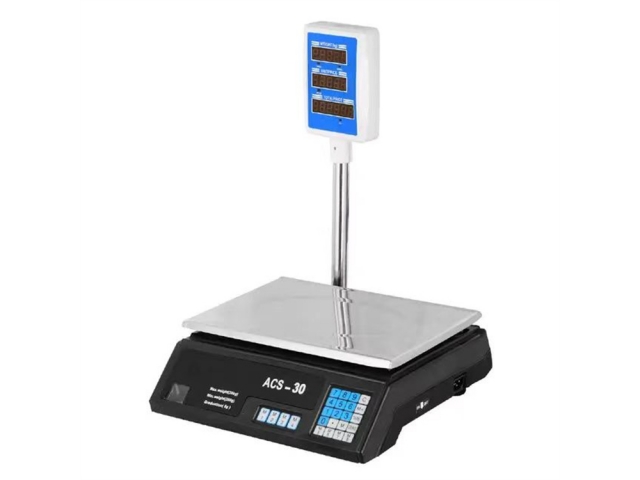
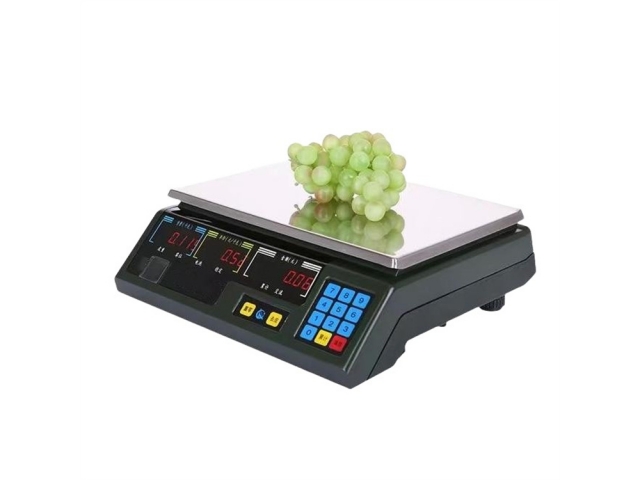
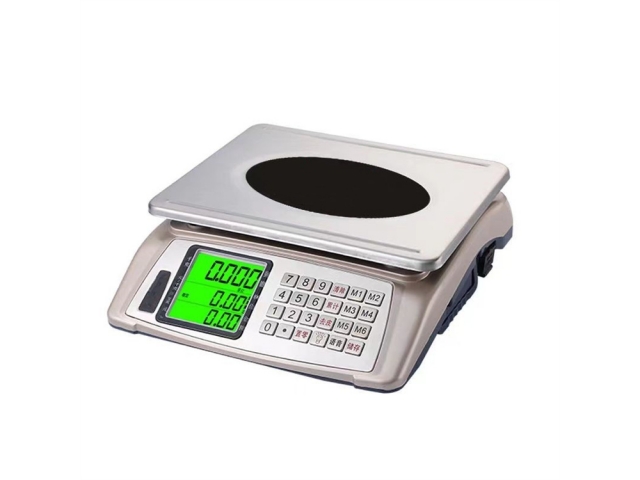
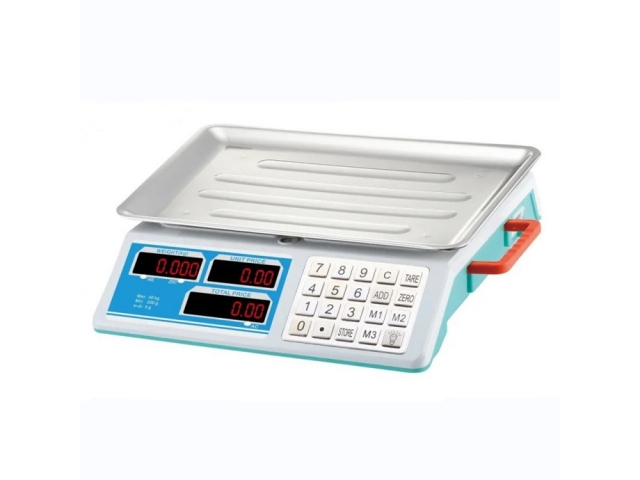
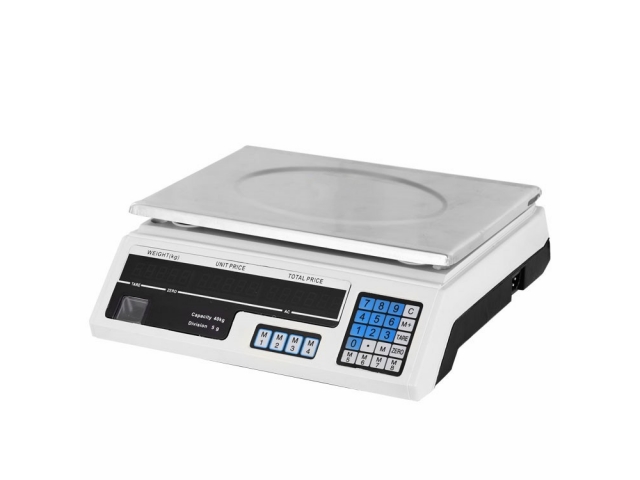
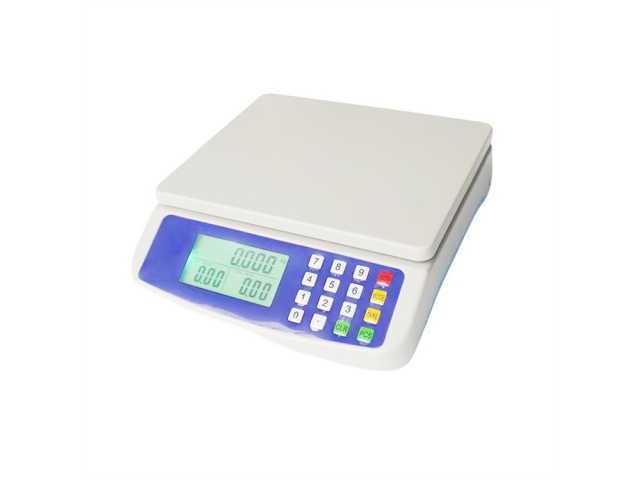
The structural design of modern price computing scales follows the dual principles of practicality and durability, with each component optimized for commercial use scenarios to ensure long-term stable operation in high-frequency use environments. The outer shell of the scale is mostly made of high-strength engineering plastic or stainless steel materials, which have excellent compression resistance, drop resistance, and corrosion resistance, effectively avoiding structural damage caused by accidental collision, commodity extrusion, or daily water and oil contamination in market environments. The bearing platform is designed with a flat and smooth structure, with appropriate load-bearing strength and surface anti-slip treatment, which can stably bear commodities of different shapes and weights, from lightweight fruits and vegetables to heavy bulk grain and meat products. The key operation area is arranged on the front side of the scale body, with independent and clearly divided function keys, including numeric input keys, unit conversion keys, zero clearing keys, tare weight deduction keys, and function reset keys. The keys are designed with anti-wear and anti-fouling coatings, which can maintain sensitive touch and clear identification after tens of thousands of pressing operations. The display screen is embedded in the upper part of the scale body, adopting a high-definition digital display mode that can clearly show three core data: net weight of commodities, unit price per unit weight, and total transaction price, with strong visibility under both strong outdoor light and dim indoor light conditions.
Tare weight deduction function is one of the most practical and core auxiliary functions of the price computing scale, which solves the measurement accuracy problem caused by external packaging containers in actual commodity transactions. In daily trading scenarios, most commodities need to be placed in packaging tools such as plastic bags, paper boxes, and metal trays for weighing and settlement. If the weight of the packaging container is included in the commodity weight calculation, it will lead to inaccurate transaction data and affect the fairness of trading. The tare weight deduction function of the electronic price computing scale can accurately identify and eliminate the weight of any empty container within the rated load range. The operator only needs to place the empty packaging container on the bearing platform before weighing the commodity and press the dedicated tare key, and the scale will automatically record the container’s weight and reset the current weight data to zero. After that, when the commodity is placed in the container for weighing, the device will only calculate the net weight of the commodity itself, and the subsequent unit price multiplication and total price calculation will be based on the accurate net weight data. This function completely avoids the tedious operation of manually subtracting the container weight and effectively guarantees the accuracy and fairness of every retail transaction.
Zero calibration and automatic reset functions are key guarantees for the long-term measurement accuracy of price computing scales, effectively resisting the impact of external environmental changes and manual operation errors on measurement results. During long-term use, external factors such as accidental extrusion of the scale body, uneven placement of the desktop, temperature and humidity changes in the use environment, and residual sundries on the bearing platform may cause the scale to generate tiny zero drift errors, resulting in inaccurate initial weight data. Modern electronic price computing scales are equipped with intelligent zero tracking systems, which can automatically monitor the initial state of the bearing platform in real time. When tiny weight deviations within the error range are detected, the system will automatically complete zero calibration without manual operation by the user. In addition, after each transaction is completed and the commodity is removed from the platform, the scale can automatically reset the data, clear the previous weight and price records, and return to the initial waiting state for the next measurement. For larger zero deviations caused by improper placement or external vibration, the device also supports one-key manual zero reset, allowing operators to quickly correct errors and ensure that each weighing operation is based on a standard zero benchmark.
The environmental adaptability of price computing scales enables them to operate stably in diverse and complex usage scenarios, breaking the limitations of traditional measuring tools that are sensitive to environmental changes. In terms of temperature adaptation, qualified electronic price computing scales can maintain stable measurement performance within a wide temperature range, avoiding data distortion caused by thermal expansion and contraction of internal sensor components in high-temperature summer environments or low-temperature winter environments. In open-air market stalls and outdoor temporary trading points, the devices can resist slight wind vibration and light dust interference, and the internal sealed structure can prevent dust, water vapor, and oil fume from entering the circuit board and sensor components, reducing the failure rate caused by environmental pollution. In terms of placement adaptability, most scales are equipped with adjustable foot pads at the bottom, which can adjust the horizontal balance of the scale body according to uneven desktop or ground conditions, ensuring that the bearing platform is always in a horizontal state during measurement, which is a basic prerequisite for accurate weight sensing. Whether in clean and tidy supermarket environments or wet and messy farmers’ markets, the scale can maintain consistent measurement accuracy and stable operating performance.
Power supply mode diversification is an important design feature of modern price computing scales, which fully meets the flexible use needs of different trading scenarios and improves the mobility and convenience of the equipment. Fixed indoor use scenarios such as supermarket counters and fixed storefronts usually adopt wired power supply, which can continuously supply power for the scale for a long time, avoiding power interruption during peak trading periods and ensuring uninterrupted operation of the device. For mobile trading scenarios such as outdoor stalls, mobile street vendors, and temporary market transactions that lack fixed power supply conditions, the scale is equipped with a built-in rechargeable battery module. The battery can be fully charged through a dedicated charging interface, and it can support long-term standby and high-frequency measurement operations after a single charge. The device also has an intelligent power management system, which can automatically enter the low-power standby state after a period of no operation, reducing unnecessary power consumption and extending the battery life. When the battery power is insufficient, the display screen will automatically prompt low power, reminding the operator to charge in time, effectively avoiding equipment shutdown and transaction interruption caused by power shortage.
The application scope of price computing scales covers almost all civilian retail commodity trading fields, forming an indispensable basic equipment support for the terminal circulation of consumer goods. In fresh commodity trading, it is the core measuring tool for weighing fruits, vegetables, aquatic products, meat, and eggs, realizing fast and accurate pricing settlement for bulk fresh goods with uncertain single weight. In daily grocery trading scenarios, it is used for the weighing and pricing of grains, oils, seasonings, nuts, and dry goods, meeting the refined measurement needs of small-batch and multiple-variety commodity transactions. In catering and bakery industries, merchants use price computing scales to accurately weigh raw materials such as flour, sugar, oil, and ingredients, not only for customer settlement after finished product sales but also for precise proportioning of production raw materials to ensure the stability of product taste and quality. In addition, in small-scale wholesale transactions, community group buying distribution, and agricultural product direct sales links, portable price computing scales are widely used to complete on-site weighing and pricing, improving the efficiency of on-site transactions and reducing the time cost of commodity circulation.
Compared with traditional mechanical weighing equipment, electronic price computing scales have obvious comprehensive advantages in measurement accuracy, operation efficiency, and functional diversity. Mechanical scales rely on lever mechanical balance for weighing, which is easily affected by mechanical friction, pointer inertia, and artificial visual reading errors, with large measurement deviation and low pricing accuracy, and all price calculations need to be completed manually by operators, which is inefficient and prone to miscalculation. In contrast, electronic price computing scales adopt digital sensing and intelligent operation technology, with extremely high measurement sensitivity, which can capture tiny weight changes and output accurate weight data, and the total price is automatically calculated by the system, completely eliminating manual calculation errors. In terms of operation efficiency, the electronic scale has a simple operation process, with zero clearing, tare deduction, pricing, and data display completed in a few seconds, which can cope with the fast transaction rhythm of peak passenger flow in markets and supermarkets. In terms of functional expansion, it can realize data storage, cumulative transaction statistics, and automatic zero tracking, which are not available in traditional mechanical scales, making commodity trading more standardized and intelligent.
Daily maintenance and standardized use of price computing scales are crucial to prolonging service life and maintaining long-term measurement accuracy. In daily use, operators need to keep the scale body and bearing platform clean at all times, timely clean up residual commodity debris, oil stains, and water stains on the platform, avoid long-term adhesion of dirt to cause platform corrosion or sensor pressure deviation, and prevent sundries from affecting the accuracy of weight sensing. The scale should be placed on a stable and horizontal working surface for use, avoiding long-term placement in vibrating, humid, or high-temperature environments, and preventing heavy objects from impacting or squeezing the scale body to avoid damage to internal precision sensors and circuit structures. During operation, it is necessary to avoid overloading the scale beyond the rated load range for weighing, long-term overload use will cause permanent elastic deformation of the pressure sensor, resulting in irreversible measurement accuracy decline. When not in use for a long time, the power supply should be cut off, the scale body should be covered with a dust cover to avoid dust accumulation, and regular charging and maintenance should be carried out for the built-in battery to prevent battery aging and damage caused by long-term power loss.
With the continuous development of commercial intelligence and digital retail industry, the functional upgrading and technical iteration of price computing scales are also advancing steadily, showing a more intelligent and convenient development trend. Traditional single-function weighing and pricing scales are gradually upgrading to intelligent integrated equipment, with more abundant extended functions such as transaction data recording, single transaction cumulative statistics, and data query and playback, which can help merchants sort out daily transaction volume and sales data conveniently. Some upgraded models support multi-unit switching and multi-commodity pricing memory, which can store the unit prices of commonly sold commodities, avoiding repeated manual input and further improving transaction efficiency. In addition, with the popularization of smart retail scenarios, modern price computing scales are gradually realizing docking with cash register systems and retail management systems, realizing automatic upload of weighing data and transaction information, forming a closed-loop management of commodity weighing, pricing, settlement, and data statistics. This intelligent iteration not only further optimizes the merchant’s transaction operation process but also lays a foundation for the digital and standardized management of small and medium-sized retail businesses.
As a basic electronic measuring instrument rooted in terminal commercial transactions, the price computing scale has extremely high practical value and market applicability, and its popularization and application have profoundly changed the traditional mode of commodity weighing and pricing. It solves the pain points of low accuracy, low efficiency, and high error rate in manual weighing and pricing in traditional transactions, effectively maintaining the fairness and standardization of civilian commodity transactions and protecting the legitimate rights and interests of both merchants and consumers. With the continuous progress of electronic technology and the continuous upgrading of retail industry demand, the performance of price computing scales will be further optimized, with higher measurement accuracy, more stable operating performance, more intelligent functional design, and more diversified application scenarios. It will continue to serve the basic links of commodity circulation, become a stable and reliable technical support for small and medium-sized commercial retail, and play an irreplaceable role in promoting the standardized, efficient, and intelligent development of civilian commodity trading markets.
