





Changzhou Veidt Weighing Co., Ltd. © 2022 ALL RIGHTS RESERVED Privacy Policy | Calibration Weight | Test Weights | Cast Iron Weights | Standard Weights | Laboratory Weights | XML | SITEMAP
Product Category
Mechanical Balance
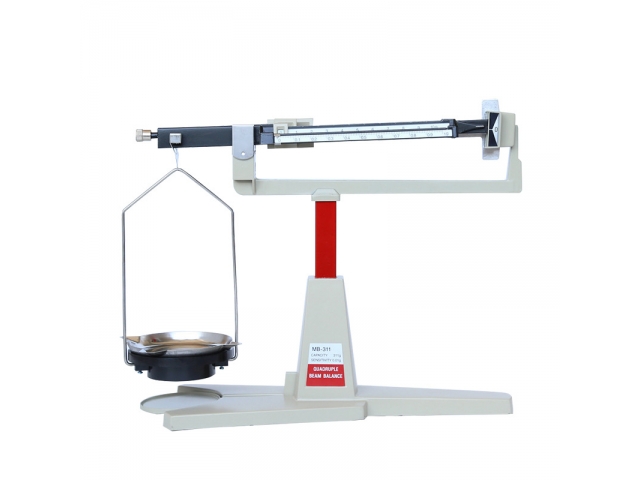
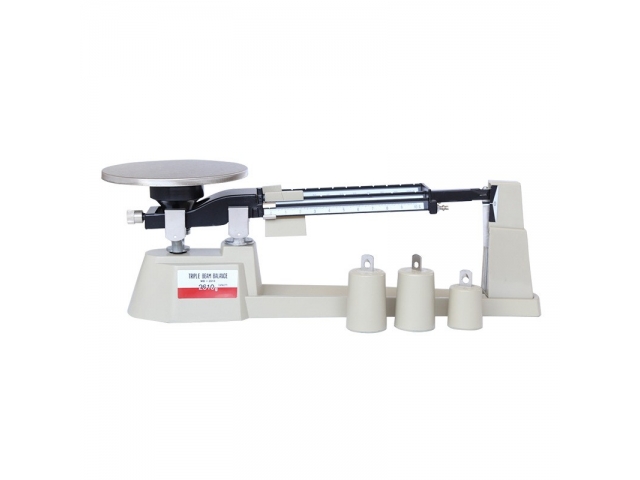
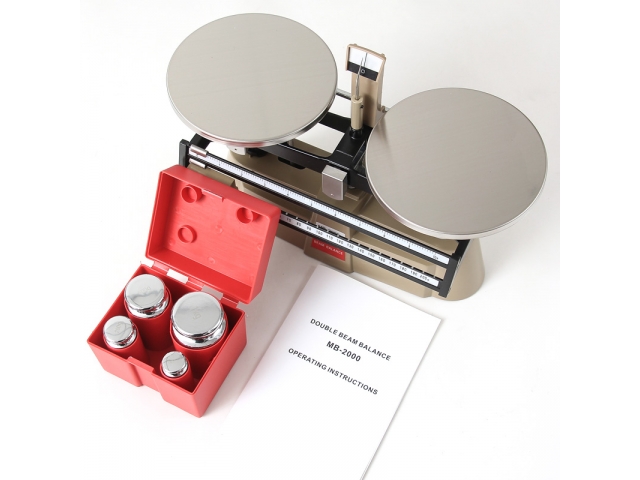
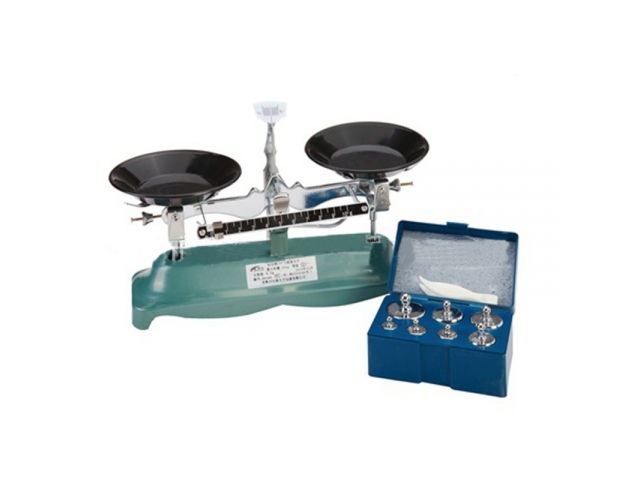
Veidt Weighing is a Mechanical Balance factory in china. Mechanical balance is a precision weighing instrument designed based on the principle of lever balance, which has a wide range of applications in scientific experiments, industrial production, education and research fields. Compared with modern electronic scales, Mechanical balances, although relatively complex to operate, still play an irreplaceable role in many situations due to their simple structure, high stability, and easy maintenance.
Precision mechanical construction is the core feature of Mechanical balances, which mainly consists of the following parts:
Beam system: The "heart" of a balance, usually made of lightweight high-strength materials such as aluminum alloy, with an agate blade as a fulcrum in the center and weighing plates suspended at both ends.
Support system: including pillars, bases, and horizontal adjustment devices to ensure the stability of the balance during operation.
Pointer and scale: used to visually display balance status and small mass differences, high-precision scales are usually equipped with optical amplification systems.
Braking device: a mechanical structure that protects the blade from impact and is used during movement or adjustment.
Weighting system: including game codes, weights, etc., used to balance the mass of the measured object.
The mechanical balance operates based on the principle of lever balance. When the torque acting on both ends of the crossbeam is equal, the system reaches a state of equilibrium. According to their structure and purpose, Mechanical balances can be divided into various types:
Equal arm balance: The most common type, with equal arm lengths and a simple and intuitive measurement principle.
Unequal arm balance: such as analytical balance, which amplifies measurement accuracy through lever ratio.
Torque balance: measures small changes in mass using the torsional torque of elastic elements.
Spring balance: Measuring mass through the deformation of a spring, commonly used for teaching demonstrations.
Single disc balance: a modern improved model that reduces the impact of environmental factors on measurement.
Correct operation is the key to ensuring the measurement accuracy of a mechanical balance:
Preparation work: level adjustment, preheating time, and cleaning of the weighing plate are all essential.
Weighing steps: gradually approach the equilibrium point from coarse to fine adjustment to avoid using beyond the range.
Reading method: Master the technique of cursor reading and pay attention to keeping the line of sight perpendicular to the scale.
Daily maintenance: Regularly clean and lubricate key parts to avoid blade damage.
Environmental control: Keeping away from vibration sources and maintaining a constant temperature and humidity environment can significantly improve measurement stability.
In the future, Mechanical balances may be combined with sensor technology and digital display systems to develop hybrid measuring instruments that combine traditional reliability with modern convenience. However, no matter how it develops, the status of Mechanical balances as classic measuring tools and the precision mechanical design ideas they embody will always be worthy of research and reference.
Learn more about mechanical analytical balance, mechanical precision balance, triple beam mechanical balance, mechanical balance scale, mechanical balance weight, mechanical balance calibration, laboratory mechanical balance, mechanical balance accuracy, mechanical balance for teaching, mechanical balance verification, mechanical balance sensitivity, mechanical balance maintenance, mechanical balance specification, mechanical balance tolerance, single beam mechanical balance, mechanical balance calibration weight, mechanical balance parts, mechanical balance for industrial use, mechanical balance calibration procedure, mechanical balance error, mechanical balance accessories, mechanical balance user manual, mechanical balance calibration standard, mechanical balance price, mechanical balance for chemical laboratory, mechanical balance calibration service, mechanical balance traceability, mechanical balance for weighing powder, mechanical balance leveling, mechanical balance for quality control, mechanical balance calibration frequency, mechanical balance for food testing, mechanical balance calibration method, mechanical balance calibration kit, mechanical balance for pharmaceutical analysis, mechanical balance repeatability test, mechanical balance anti-vibration stand, mechanical balance for environmental testing, mechanical balance calibration record, mechanical balance for material science, mechanical balance weight set, mechanical balance for agricultural testing, mechanical balance calibration check, mechanical balance for textile industry, mechanical balance calibration solution, mechanical balance for research laboratory, mechanical balance linear calibration, mechanical balance calibration verification standard, pls contact us.
The mechanical balance stands as one of the most enduring and foundational instruments in the world of measurement, a device rooted in basic physical principles yet refined over centuries to deliver consistent, reliable results across countless fields of human activity. Unlike modern electronic weighing equipment that relies on complex circuitry and sensor technology, the mechanical balance operates through purely mechanical structures, harnessing the laws of physics to compare unknown masses against known standards. This reliance on tangible, physical mechanisms gives it a unique set of characteristics: it requires no external power source for core operation, maintains stability over long periods of use, and offers a level of transparency in its working process that allows users to directly observe and understand every step of the measurement. For generations, it has served as a cornerstone in laboratories, classrooms, industrial workshops, and research facilities, proving that simple, well-engineered mechanical systems can stand alongside advanced technological alternatives while retaining irreplaceable practical value. Even in an era defined by digital innovation, the mechanical balance remains widely used, valued for its durability, independence from electronic malfunctions, and ability to provide accurate measurements in environments where power access is limited or electronic interference poses a risk to data integrity.
At the heart of every mechanical balance lies the principle of lever equilibrium, a fundamental concept in classical physics first formalized centuries ago. The core design centers on a rigid beam, carefully crafted to maintain uniform weight distribution and structural rigidity, pivoted at a central fulcrum. In the most common equal-arm mechanical balance, the distance from the central fulcrum to each end of the beam—where weighing pans are attached—is precisely identical, creating two arms of equal length. This equal-arm configuration is critical to its function: when a downward force is applied to both ends of the beam, the beam will remain in a horizontal, balanced state only when the product of force and arm length on both sides is exactly equal. Since the force exerted on each pan is the gravitational pull acting on the mass placed upon it, and gravitational acceleration remains constant at a given location, equal force translates directly to equal mass. This eliminates the variables that can skew weight-based measurements, allowing the balance to measure mass itself rather than just the weight of an object, a distinction that remains vital for scientific and industrial accuracy. For mechanical balances with unequal arms, such as beam scales designed for larger load capacities, the same equilibrium principle applies, with measurements calculated using the ratio between the two arm lengths to relate the unknown mass to the standard reference weights.
The structural components of a mechanical balance are engineered with meticulous attention to detail, each part serving a specific purpose in preserving measurement accuracy and operational smoothness. The central beam, the backbone of the entire device, is typically constructed from high-strength, low-density metal alloys that resist bending, warping, and deformation under regular use; this structural stability ensures that the arm length ratio remains unchanged, preventing gradual shifts in measurement precision over time. At the fulcrum and the two points where the pans attach to the beam, precision-machined knife edges made from hard, wear-resistant materials are installed. These knife edges minimize friction during beam movement, a critical design choice because even minor friction can disrupt the delicate balance of forces and lead to inaccurate readings. The weighing pans, usually circular and shallow, are designed to hold samples and standard weights securely without adding uneven pressure to the beam; they are attached with flexible, low-tension hangers to ensure that force is transferred vertically to the beam ends, eliminating lateral stress that could compromise balance. Most mechanical balances also feature adjustable leveling feet on the base, paired with a built-in level indicator, to ensure the device sits perfectly horizontal during use—an essential setup step, as an uneven base alters the angle of the beam and creates consistent measurement errors. Additional components include a zero-adjustment mechanism, often a small movable weight or threaded nut on the beam, used to calibrate the balance to a neutral, horizontal position before any measurements begin, and a pointer or index marker that aligns with a fixed scale to visually indicate when the beam is in perfect equilibrium.
Operating a mechanical balance follows a structured, methodical process that prioritizes precision and eliminates human error as much as possible, with each step designed to preserve the integrity of the equilibrium measurement. Before starting any weighing task, the user must first inspect the balance’s base to confirm it is level, adjusting the base feet until the level indicator shows perfect alignment; this step cannot be skipped, as even a slight tilt will render all subsequent readings unreliable. Next, the balance is zeroed by adjusting the calibration mechanism until the beam rests horizontally and the pointer aligns exactly with the center mark of the index scale, ensuring that the empty balance is in a state of perfect equilibrium. Once calibrated, the sample to be weighed is placed gently onto one pan, taking care to avoid sudden impacts that could damage the delicate knife edges or disrupt the beam’s stability. Standard weights of known mass are then added incrementally to the opposite pan, starting with larger weights and moving to smaller ones, until the beam begins to return toward a horizontal position. For fine-tuning measurements, many mechanical balances include a sliding rider—a small, movable weight that travels along a graduated scale on the beam— which adds a precisely calibrated small amount of mass to one side of the beam without requiring tiny individual weights. The user carefully adjusts the position of the rider and adds or removes small standard weights until the beam swings evenly and comes to rest in a perfectly horizontal position, with the pointer fixed at the center index mark. At this point of complete equilibrium, the total mass of the standard weights plus the mass indicated by the rider’s position on the scale equals the mass of the sample being measured. Throughout the process, gentle handling is essential: sudden movements, drafts, or external vibrations can cause the beam to swing erratically, delaying equilibrium and leading to inaccurate readings.
The versatility of mechanical balances is reflected in their wide range of applications across diverse professional, educational, and industrial settings, each leveraging the device’s unique strengths for specific measurement needs. In educational environments, from primary school science classrooms to university physics and chemistry laboratories, mechanical balances serve as both practical measurement tools and teaching instruments. They allow students to directly observe and grasp the principles of lever physics and mass equilibrium, turning abstract physical laws into tangible, hands-on learning experiences. Unlike electronic devices that provide instant digital readings, mechanical balances require students to actively participate in the measurement process, adjusting weights and understanding the relationship between force, mass, and balance, fostering a deeper comprehension of basic scientific concepts. In research and analytical laboratories, particularly those focused on chemistry, biology, and material science, mechanical balances are used for routine sample preparation, reagent measurement, and quality testing. They excel in environments where electromagnetic interference could disrupt electronic sensors, and their non-reliance on power makes them ideal for field research or remote laboratory settings where electricity is unavailable. Many laboratory-grade mechanical balances are designed to deliver high precision, capable of measuring small mass differences with remarkable consistency, making them suitable for tasks where even tiny measurement errors could skew experimental results. For industrial applications, mechanical balances are used in raw material inspection, production line quality control, and inventory verification; their robust construction withstands the rigors of workshop environments, and their simple operation allows for quick, repeated measurements without complex setup or calibration.
Beyond formal laboratory and industrial use, mechanical balances play vital roles in specialized fields that demand unwavering measurement consistency. In pharmaceutical preparation, where precise ingredient ratios are critical to product safety and efficacy, mechanical balances are used to measure small batches of raw materials, offering a reliable, repeatable measurement process free from electronic glitches. In gemology and precious metal handling, where small mass differences carry significant value, the high precision of fine-tuned mechanical balances ensures accurate valuation and quality assessment. In environmental testing and geological research, field technicians rely on mechanical balances to analyze soil, water, and mineral samples in remote locations, as the devices require no power supply and can withstand varying environmental conditions. Additionally, mechanical balances are widely used in calibration processes, serving as reference tools to verify the accuracy of other weighing equipment, including electronic scales. Their stable, physics-based operation makes them reliable reference standards, as their measurement accuracy remains consistent over time with proper maintenance, unlike electronic devices that may drift in precision due to component wear or electrical fluctuations. This dual role as both a working tool and a calibration standard further solidifies the mechanical balance’s place in global measurement systems.
Proper maintenance and careful usage practices are essential to preserving the accuracy, functionality, and service life of a mechanical balance, as its precision depends on the integrity of its delicate mechanical components. One of the most critical maintenance practices is protecting the balance from physical damage, particularly the knife edges and fulcrum points; these components are highly sensitive to impact, and even a small bump can cause chipping or wear that increases friction and disrupts measurement accuracy. Users should always place samples and weights gently onto the pans, never drop them, and avoid applying excessive downward force on the beam. The balance should be placed in a stable, low-traffic area away from sources of vibration, such as machinery, foot traffic, or closing doors, as constant vibration can gradually loosen components and damage the knife edges. Environmental control is also key: the balance should be kept in a dry, dust-free space, away from direct sunlight, extreme temperatures, and corrosive fumes. Moisture can cause metal components to rust, while dust and debris can accumulate in the fulcrum and knife edge areas, increasing friction and hindering smooth beam movement. Regular cleaning with a soft, dry cloth or gentle brush removes dust without damaging sensitive parts; harsh cleaning chemicals should never be used, as they can corrode metal surfaces and degrade structural materials.
Calibration is another vital aspect of mechanical balance maintenance, ensuring that measurements remain accurate as the device ages. Over time, regular use can cause minor shifts in the balance’s zero position, and gradual wear on components may alter its equilibrium. Routine calibration using certified standard weights corrects these discrepancies, restoring the balance to its original measurement precision. Calibration frequency depends on usage intensity: balances used daily may require calibration every few months, while those used less frequently can be calibrated less often, but regular checks are always recommended. Before each use, a quick zero-check should be performed to confirm the balance rests horizontally without any load, allowing for minor adjustments before starting measurements. Standard weights used with the balance also require proper care: they should be handled with tweezers or soft gloves to avoid oil, dirt, or moisture transfer from hands, which can alter their mass over time, and stored in a protective case to prevent scratches or corrosion. Misaligned or damaged weights will lead to consistent measurement errors, so regular inspection of both the balance and its accompanying weights is a necessary part of ongoing maintenance.
When compared to modern electronic weighing systems, mechanical balances hold distinct advantages that ensure their continued relevance in specialized and general measurement tasks. Electronic scales offer speed and digital readouts, but they are dependent on a steady power supply, whether from batteries or wall outlets, and are vulnerable to electrical interference, component burnout, and software errors. Mechanical balances, by contrast, operate independently of electricity, making them fully portable and reliable in any location, no matter how remote. They have far fewer moving parts than electronic devices, reducing the risk of complex mechanical failures; most minor issues with a mechanical balance can be easily diagnosed and repaired, whereas electronic scales often require specialized technical support or replacement parts. The mechanical balance’s operation is fully transparent: every component’s function is visible, and users can directly observe the balance reaching equilibrium, making it easier to identify and correct errors in real time. Electronic scales rely on internal sensors and hidden circuitry, leaving users with no visibility into potential malfunctions that may skew readings. Additionally, mechanical balances have a significantly longer service life with proper care, often remaining functional for decades, while electronic scales typically become obsolete or irreparable after a fraction of that time due to rapidly changing technology and component degradation.
That said, mechanical balances do have inherent limitations that make them better suited for certain tasks than others. They generally require more time and manual effort to operate than electronic scales, as users must manually add and adjust weights and interpret visual equilibrium readings. They also have a narrower range of precision options compared to high-end electronic analytical balances, which can detect extremely small mass differences. For very high-volume weighing tasks that demand rapid throughput, electronic systems are often more efficient. However, these limitations do not diminish the value of mechanical balances; instead, they highlight the importance of choosing the right tool for the task. For applications that prioritize reliability, power independence, educational value, and long-term durability over sheer speed, the mechanical balance remains unmatched. It is not intended to replace all electronic weighing solutions, but rather to complement them, filling critical gaps in scenarios where electronic equipment is impractical, unreliable, or unnecessary.
The evolution of the mechanical balance reflects the broader history of human measurement and scientific progress, evolving from basic, crude lever systems to highly refined precision instruments. Early versions of mechanical balances date back thousands of years, used by ancient civilizations for trade, food distribution, and basic material comparison, constructed from wood and stone with minimal precision. As scientific inquiry advanced during the Renaissance and early industrial eras, craftsmen and scientists refined the design, introducing metal beams, precision knife edges, and standardized weights, transforming the balance from a basic trade tool into a scientific instrument capable of consistent, accurate measurements. Over subsequent centuries, engineering advancements further improved its precision, durability, and usability, with tighter manufacturing tolerances and higher-quality materials enhancing its performance. Unlike many outdated tools that have been fully replaced by modern technology, the mechanical balance has adapted rather than disappeared, retaining its core design principles while incorporating incremental improvements to meet modern measurement standards. This longevity speaks to its fundamental soundness: rooted in unchanging physical laws, it remains a practical, effective solution to a universal human need—accurately measuring mass.
Looking to the future, the mechanical balance is poised to maintain its place in measurement practices for years to come, even as digital and smart technology continues to advance. Its unique combination of simplicity, reliability, and educational value ensures ongoing demand in educational institutions, field research, industrial quality control, and calibration laboratories. Manufacturers continue to refine mechanical balance designs, focusing on enhanced durability, improved wear resistance, and more user-friendly operation, without straying from the core mechanical principles that define the device. In an era where technology often prioritizes complexity over functionality, the mechanical balance stands as a reminder that well-designed, purpose-built tools rooted in basic science can outperform more advanced alternatives in real-world, practical scenarios. It also serves as a critical backup system for electronic weighing equipment; in the event of power outages, electronic failures, or technical malfunctions, mechanical balances remain fully operational, preventing disruptions to critical work in laboratories, production facilities, and research sites.
Beyond its practical uses, the mechanical balance holds symbolic value as a representation of precision, fairness, and scientific rigor. In trade, it has long stood for equitable measurement, ensuring that goods are exchanged fairly based on accurate mass comparison. In science, it represents the commitment to accurate data collection and empirical observation, foundational principles of scientific research. Its simple, elegant design embodies the beauty of classical physics, where a basic natural principle can be harnessed to solve complex practical problems. Every time a mechanical balance reaches that perfect state of horizontal equilibrium, it demonstrates the harmony between physical law and human ingenuity, turning a routine measurement into a small demonstration of the predictable, consistent rules that govern the natural world.
In conclusion, the mechanical balance is far more than just a weighing device; it is a timeless engineering achievement, a vital educational tool, and a reliable workhorse across countless industries and scientific disciplines. Its reliance on fundamental lever physics, durable mechanical construction, and straightforward operation has allowed it to withstand the test of time, remaining relevant in a world dominated by electronic technology. From students learning basic scientific principles to researchers conducting critical experiments, from industrial workers verifying raw materials to technicians calibrating other measurement equipment, the mechanical balance continues to serve diverse users with unwavering consistency. While technological advancements will continue to bring new weighing solutions to the market, the core strengths of the mechanical balance—independence from power, resistance to malfunction, transparency of operation, and long-term durability—ensure that it will remain an indispensable tool for precision mass measurement for generations to come. It is a testament to the idea that the most effective solutions are often rooted in simplicity, and that tools built on fundamental scientific principles will always have a place in human progress.
