





Changzhou Veidt Weighing Co., Ltd. © 2022 ALL RIGHTS RESERVED Privacy Policy | Calibration Weight | Test Weights | Cast Iron Weights | Standard Weights | Laboratory Weights | XML | SITEMAP
NEWS LIST
cast iron weight supplier
Saturday 21st March 2026 Back to list
In the complex and interconnected web of global industrial operations, specialized component suppliers play an indispensable role in keeping machinery, structures, and entire production systems running smoothly and safely. Among these critical partners, cast iron weight suppliers stand out as quiet yet essential contributors, providing heavy-duty, precision-crafted weight solutions that support a vast array of industries across every corner of the world. Unlike consumer-facing products that grab public attention, cast iron weights operate behind the scenes, serving as foundational elements for balance, calibration, stability, and counteraction in heavy machinery, manufacturing facilities, construction sites, logistics operations, and even marine and agricultural applications. A reliable cast iron weight supplier does not merely sell physical products; it delivers tailored engineering solutions, consistent quality, and dependable supply chain support that align with the unique demands of industrial clients, helping businesses avoid downtime, maintain operational precision, and uphold safety standards in their daily workflows.
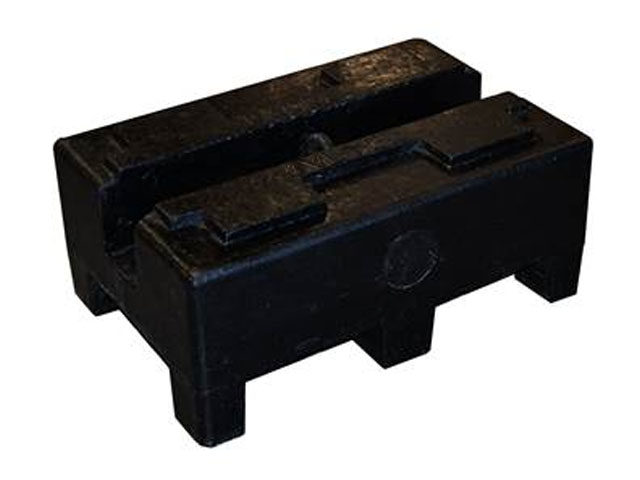
To understand the value of a professional cast iron weight supplier, it is first necessary to grasp the inherent advantages of cast iron as a material for weight production, which sets it apart from alternative options like concrete, steel, or plastic. Cast iron boasts a high density that allows for compact, space-efficient weight designs—meaning manufacturers can achieve the desired heavy weight without creating overly large or bulky components, a critical benefit for machinery with limited installation space or strict dimensional requirements. This density also translates to exceptional structural stability and resistance to shifting or warping, even under prolonged exposure to heavy loads, repetitive stress, and harsh environmental conditions. Cast iron weights are highly durable, with strong resistance to impact, cracking, and corrosion when treated with proper surface finishes, making them suitable for both indoor industrial settings and outdoor worksites that face extreme temperatures, moisture, dust, and chemical exposure. Unlike lighter materials that may degrade quickly or lose their structural integrity over time, cast iron weights maintain their mass and shape consistently for years, reducing the need for frequent replacements and lowering long-term operational costs for businesses. This longevity and performance make cast iron the material of choice for heavy-duty weight applications, and a skilled supplier leverages these material properties to craft products that meet the precise functional needs of diverse industrial clients.
The production process behind high-quality cast iron weights is a meticulous blend of traditional foundry expertise and modern manufacturing techniques, and a reputable supplier invests heavily in refining this process to ensure uniformity, precision, and structural integrity in every unit produced. The journey from raw material to finished weight begins with the careful selection of high-grade iron alloys, chosen for their consistent density and mechanical properties to avoid inconsistencies in weight distribution that could compromise performance. Raw iron is melted in specialized furnaces at controlled temperatures, with technicians monitoring the composition closely to eliminate impurities that could weaken the final product. Once molten, the iron is poured into custom-designed molds, which are crafted to match exact specifications for shape, size, weight capacity, and mounting features—whether the end product is a flat counterweight, a cylindrical calibration weight, a lock-style weight for easy handling, or a custom-shaped component tailored to a specific machine model.
After casting, the weights undergo a series of post-production treatments to enhance their durability and usability. This includes cooling and curing processes to stabilize the material and prevent internal stress that could lead to cracking, followed by precision machining to smooth rough edges, refine dimensions, and ensure accurate weight calibration. Surface finishing is another key step, with protective coatings applied to resist rust, corrosion, and wear, especially for weights intended for outdoor or high-moisture environments. Throughout every stage of production, rigorous quality checks are conducted to verify weight accuracy, structural strength, and dimensional consistency; each weight is tested to ensure it meets the specified mass requirements without deviations, and only pieces that pass these strict assessments move forward to packaging and shipment. A dedicated cast iron weight supplier prioritizes quality control at every level, integrating automated testing and manual inspection to maintain a reliable standard across all production batches, regardless of order size or complexity.
One of the most valuable capabilities of a leading cast iron weight supplier is its ability to offer customized solutions, as industrial clients rarely have one-size-fits-all needs. Different industries, machinery types, and operational settings demand weights with unique specifications—varying mass values, shapes, mounting holes, handle designs, and dimensional constraints. For example, a construction crane requires large, heavy counterweights to balance lifted loads and prevent tipping, while a laboratory or manufacturing quality control station needs smaller, precision-calibrated weights for testing and calibrating weighing equipment. Agricultural machinery, such as tractors and harvesters, relies on specialized cast iron weights to improve traction and stability on uneven terrain, while marine vessels use ballast weights to maintain balance and stability in open water. Elevators, forklifts, aerial work platforms, and wind turbines also depend on custom cast iron weights to operate safely and efficiently.
A responsive supplier works closely with clients to understand their exact operational requirements, engineering constraints, and environmental conditions, collaborating to design and produce weights that fit seamlessly into existing equipment or new product designs. This collaborative approach involves detailed consultations to review technical drawings, adjust specifications, and create prototype samples for testing before full-scale production begins. By offering custom fabrication services, the supplier ensures that clients receive weights that integrate perfectly with their machinery, eliminating the need for costly modifications or adjustments on-site. This level of customization extends beyond physical dimensions to include practical features like lifting points for easy installation and removal, stackable designs for efficient storage, and color-coded markings for quick identification of different weight sizes. This focus on customization sets top suppliers apart, as they transform standard cast iron weight production into a tailored service that addresses the unique challenges of each client’s industry and operations.
The scope of industries served by a cast iron weight supplier is remarkably broad, reflecting the universal need for balance and weight management in industrial and commercial operations. In the construction and heavy machinery sector, cast iron counterweights are critical for cranes, excavators, bulldozers, and concrete mixers, providing the necessary counterbalance to handle heavy loads and maintain machine stability during operation. Without these precisely crafted weights, such machinery would be unstable and unsafe, posing significant risks to operators and job sites alike. In the manufacturing and logistics industry, cast iron calibration weights are essential for maintaining the accuracy of weighing scales, conveyor systems, and packaging equipment, ensuring consistent product measurements, compliance with operational standards, and accurate inventory tracking. This precision is vital for industries that rely on exact weight measurements for production, shipping, and quality control, as even small deviations can lead to product waste, operational errors, and customer dissatisfaction.
Agricultural operations benefit greatly from durable cast iron weights, which are attached to tractors, plows, and other farm equipment to enhance stability, improve traction on soft or uneven soil, and prevent tipping during heavy field work. These weights help farmers operate machinery more efficiently, even in challenging outdoor conditions, reducing downtime and improving overall productivity. The marine and shipbuilding industry uses large-scale cast iron ballast weights to balance vessels, adjust draft levels, and ensure stability in varying sea conditions, a critical factor for safe navigation and cargo transport. Additionally, cast iron weights play a role in renewable energy systems, such as wind turbines, where they help stabilize the tower structure and balance rotating components, supporting the reliable operation of clean energy infrastructure. From small-scale workshop tools to large industrial machinery, from urban construction sites to rural farmlands and open ocean vessels, the reach of cast iron weight suppliers extends to every sector where stability, balance, and precision are non-negotiable.
Beyond product quality and customization, a reputable cast iron weight supplier distinguishes itself through its supply chain and logistics capabilities, which are vital for meeting client deadlines and maintaining consistent operations. Industrial clients often operate on tight production schedules, with little room for delays in receiving critical components; a delay in counterweight or calibration weight delivery can lead to costly machinery downtime, missed project deadlines, and disrupted production workflows. A reliable supplier maintains well-organized production facilities and strategic inventory management systems to handle both small-batch orders for specialized custom weights and large-volume orders for mass-produced standard weights. This scalability ensures that clients of all sizes—from small local workshops to large multinational corporations—receive their orders on time, regardless of order volume or complexity.
Logistics and shipping are another key area of focus for top suppliers, who work with trusted transportation partners to ensure safe and timely delivery of cast iron weights to domestic and international clients. Cast iron weights are heavy and dense, requiring careful packaging and handling to prevent damage during transit; suppliers use sturdy, protective packaging materials to secure each weight, avoiding scratches, dents, or structural harm that could affect performance. They also optimize shipping routes and methods to minimize transit times and reduce the risk of delays, providing clients with clear tracking information and updates throughout the delivery process. For international clients, suppliers navigate customs requirements, documentation, and cross-border shipping regulations efficiently, ensuring a smooth and hassle-free delivery experience without unexpected hold-ups or additional complications. This end-to-end reliability in production and logistics makes the supplier a true partner rather than just a vendor, as it takes ownership of the entire process to support the client’s operational continuity.
Customer support and long-term partnership are core values for ethical cast iron weight suppliers, who prioritize building lasting relationships with clients rather than focusing on one-time transactions. From the initial inquiry stage through production, delivery, and post-delivery assistance, the supplier maintains open and transparent communication with clients, addressing questions, providing technical guidance, and resolving any concerns promptly. Technical support teams are available to assist clients with product selection, installation best practices, and maintenance tips to extend the lifespan of cast iron weights. Suppliers also offer guidance on proper handling, storage, and care of weights, helping clients maximize durability and performance over time. For clients with evolving needs, such as expanding operations, upgrading machinery, or developing new equipment designs, the supplier remains flexible and responsive, adjusting production schedules, revising custom specifications, and scaling order volumes to match changing requirements.
This client-centric approach extends to understanding the unique challenges of each industry, allowing the supplier to anticipate needs and offer proactive solutions. For example, a supplier working with construction clients may prioritize quick turnaround times for urgent project needs, while a supplier partnering with manufacturing clients may focus on consistent, repeatable quality for ongoing production lines. By taking the time to learn about each client’s business, operational goals, and pain points, the supplier can align its services to deliver maximum value, becoming a trusted extension of the client’s team. This level of personalized support fosters loyalty and trust, as clients know they can rely on their cast iron weight supplier to deliver consistent quality, reliable service, and practical solutions year after year.
The role of cast iron weight suppliers is also evolving alongside broader industrial trends, including advances in manufacturing technology, growing emphasis on sustainability, and the rise of customized industrial solutions. Modern suppliers are integrating advanced technologies like computer-aided design (CAD) and automated casting systems to improve precision, reduce production time, and enhance the consistency of custom weight designs. These technologies allow for more complex and intricate weight shapes, tighter dimensional tolerances, and faster prototyping, enabling suppliers to meet the increasingly specific demands of modern industrial machinery. Additionally, there is a growing focus on sustainable manufacturing practices within the industry, as businesses worldwide seek to reduce their environmental footprint. Cast iron is a highly recyclable material, with nearly all scrap iron from the production process being recycled and reused, minimizing waste and conserving natural resources. Responsible suppliers prioritize sustainable foundry practices, including energy-efficient melting processes, waste reduction initiatives, and eco-friendly surface coating materials that minimize environmental impact without compromising product quality. This commitment to sustainability aligns with the values of modern clients, who prefer to partner with suppliers that share their focus on environmental responsibility.
As global industrial activity continues to grow and evolve, the demand for reliable, high-quality cast iron weights remains steady, driven by the ongoing need for safe, stable, and efficient machinery and equipment. New construction projects, expansions in manufacturing capacity, advancements in agricultural technology, and the growth of renewable energy infrastructure all contribute to a consistent need for expertly crafted cast iron weights and the suppliers that produce them. In an industry where reliability and precision are paramount, cast iron weight suppliers play a vital role in upholding operational safety, efficiency, and consistency across countless sectors. They operate as unsung heroes of the industrial world, providing the heavy, stable components that keep critical machinery balanced, equipment calibrated, and operations running smoothly.
In conclusion, a professional cast iron weight supplier is far more than a provider of heavy metal components; it is a strategic partner that combines material expertise, precision manufacturing, custom engineering, reliable logistics, and client-focused service to meet the diverse needs of global industries. From the careful selection of raw materials and rigorous production processes to customized design solutions and seamless delivery, every aspect of the supplier’s operations is geared toward delivering value, stability, and reliability to its clients. As industrial technology advances and businesses continue to prioritize efficiency, safety, and sustainability, the role of these specialized suppliers will only grow in importance. They stand as a testament to the critical role of specialized manufacturing in the global economy, supporting every industry that relies on balance, stability, and precise weight management to succeed. For businesses across construction, manufacturing, agriculture, marine, renewable energy, and beyond, partnering with a trusted cast iron weight supplier is an investment in operational resilience, long-term durability, and consistent performance that drives success in today’s competitive industrial landscape.
