





Changzhou Veidt Weighing Co., Ltd. © 2022 ALL RIGHTS RESERVED Privacy Policy | Calibration Weight | Test Weights | Cast Iron Weights | Standard Weights | Laboratory Weights | XML | SITEMAP
NEWS LIST
cast iron weight single piece
Saturday 21st March 2026 Back to list
A single-piece cast iron weight stands as a quiet staple across countless settings, from home workshops and home gyms to industrial floors, calibration labs, and agricultural operations, yet it often goes unnoticed amid more complex tools and equipment. Unlike assembled or layered weights that rely on joints, adhesives, or multiple components to hold their form and mass, a single-piece cast iron weight is forged from a unified block of molten iron, cooled and shaped into a solid, cohesive unit that carries inherent durability, consistency, and reliability. This unassuming object embodies centuries of metalworking wisdom, balancing practical functionality with long-term performance, and it has retained its relevance across generations because it solves basic, universal needs without unnecessary complexity. Every curve, edge, and dimension of a well-made single-piece cast iron weight is designed with purpose, prioritizing stability, mass consistency, and resistance to wear, making it a workhorse that outperforms many lighter, more fragile alternatives in demanding daily use. To understand the value of this simple tool is to recognize the importance of reliable, unchanging reference points in a world filled with variable and disposable products, as it offers a steady, predictable mass that remains consistent through years of handling, environmental shifts, and repeated use.
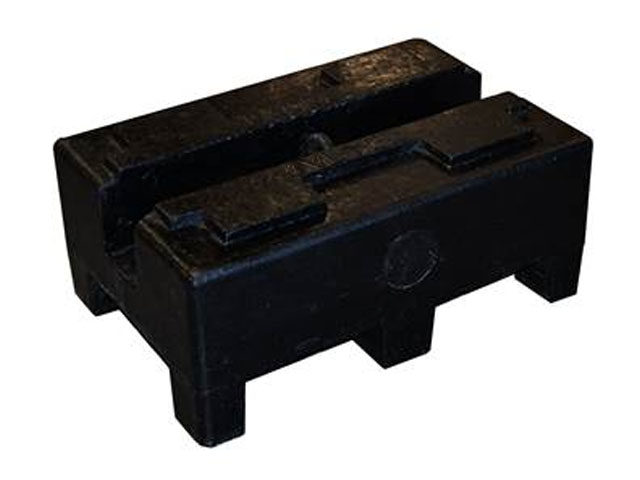
The foundation of every single-piece cast iron weight lies in the unique properties of cast iron itself, a material chosen for its density, compressive strength, and dimensional stability that make it perfectly suited for holding a fixed mass over long periods. Cast iron is formed by melting iron ore along with controlled amounts of carbon and silicon, creating a molten metal that flows easily into molds and solidifies into a dense, rigid structure with minimal internal voids. This high density means that a single-piece cast iron weight can hold a significant amount of mass in a compact, manageable size, unlike less dense materials that would require much larger dimensions to achieve the same weight. Unlike softer metals that bend, dent, or warp under pressure or impact, cast iron has exceptional compressive strength, allowing it to withstand heavy stacking, accidental drops, and constant handling without losing its original shape or altering its calibrated mass. This resistance to deformation is critical, as even a small change in structure can throw off the accuracy of a weight, whether it is used for measuring materials, balancing machinery, or adding resistance to physical training. Additionally, cast iron has low thermal expansion and contraction rates, meaning it maintains its size and mass consistently across a wide range of temperatures, from cold garage spaces in winter to warm industrial facilities in summer. This stability sets single-piece cast iron weights apart from plastic, aluminum, or composite weights, which can expand, shrink, or become brittle with temperature changes, leading to inconsistent performance over time. The natural composition of cast iron also gives it mild vibration-dampening properties, a subtle benefit that prevents excessive movement or shifting when the weight is placed on scales, machinery, or workout equipment, adding an extra layer of precision to its use.
The craftsmanship behind a single-piece cast iron weight is a blend of traditional foundry techniques and modern quality control, focused on creating a uniform, defect-free product that delivers consistent performance. The process begins with the creation of precision molds, designed to match the exact dimensions and weight specifications required, whether the end product is a compact weight for small-scale calibration, a medium-sized weight for home fitness, or a larger block for industrial balancing. Molten cast iron is poured carefully into these molds, ensuring that the metal fills every corner evenly without trapping air bubbles, which could create weak spots or uneven mass distribution. Unlike weights that are welded, bolted, or glued together, a single-piece design eliminates all potential failure points at seams or connections, as the entire weight is one continuous piece of metal. Once the iron has cooled and solidified completely, the raw weight is removed from the mold and undergoes a series of finishing steps to refine its surface and ensure uniformity. This may include sanding to smooth rough edges, grinding to adjust the mass to precise specifications, and applying a protective coating to guard against rust and corrosion, especially for weights intended for outdoor or humid environments. The finishing process is not just about appearance; it is about enhancing the weight’s longevity and usability, making it easier to handle, clean, and store without compromising its structural integrity. Skilled foundry workers pay close attention to consistency across every single-piece weight, ensuring that each unit matches its stated mass accurately and that there are no variations in density or shape that could affect its performance. This attention to detail means that users can trust each single-piece cast iron weight to perform exactly as expected, whether they are using one weight alone or combining multiple units for a specific task.
One of the most notable advantages of single-piece cast iron weights is their exceptional longevity, a trait that makes them a sustainable and cost-effective choice for both personal and professional use. Disposable or lightweight weights often wear out quickly, cracking, fading, or losing their mass after months of regular use, leading to frequent replacements and unnecessary waste. In contrast, a well-crafted single-piece cast iron weight can last for decades, even with daily use in harsh conditions, as it is resistant to cracks, chips, and structural damage. The solid, one-piece construction means there are no parts to loosen, break, or fall off, so the weight remains fully functional with minimal maintenance. This durability reduces the need for frequent replacements, making it an eco-friendly option that cuts down on material waste and long-term spending. For small business owners, workshop operators, and facility managers, this longevity translates to reliable performance year after year, without the disruption of replacing faulty or worn-out weights. Even in high-traffic industrial settings, where weights are handled repeatedly, moved across floors, and exposed to dust, moisture, and heavy use, single-piece cast iron weights hold their shape and mass, avoiding the deterioration that plagues weaker materials. Home users also benefit from this longevity, as a single-piece cast iron weight for fitness or household tasks will remain in good condition for years, outlasting many other home tools and equipment. This long lifespan is a testament to the strength of cast iron and the thoughtfulness of the single-piece design, which prioritizes endurance over temporary convenience.
Single-piece cast iron weights serve an incredibly diverse range of applications, adapting to the unique needs of different industries and daily tasks with effortless versatility. In residential and fitness settings, these weights are widely used for strength training, adding controlled resistance to bodyweight exercises, weightlifting routines, and rehabilitation workouts. Their solid, stable design makes them easy to grip, stack, and place on barbells, dumbbells, or weight benches, and their consistent mass allows users to gradually increase resistance safely as their strength improves. Unlike hollow or assembled fitness weights, single-piece cast iron options do not shift or rattle during use, providing a stable, predictable load that reduces the risk of injury and enhances workout effectiveness. Beyond fitness, home users rely on these weights for everyday tasks such as securing tarps, holding down tools or materials during outdoor projects, balancing furniture or appliances, and even as a stable base for small tools or equipment in home workshops. Their compact size and heavy mass make them ideal for these practical jobs, as they take up minimal space while providing enough weight to hold objects firmly in place.
In industrial and commercial settings, single-piece cast iron weights play a critical role in calibration and quality control, serving as a reliable reference mass for testing and adjusting scales, balances, and weighing equipment across manufacturing, logistics, agriculture, and retail. Accurate weighing is essential in these fields to ensure product consistency, fair trade, and operational efficiency, and a dependable single-piece cast iron weight provides the consistent mass needed to verify that scales are functioning correctly. Warehouse and logistics teams use these weights to calibrate floor scales and pallet scales, ensuring that shipments are weighed accurately for inventory and shipping purposes, while manufacturing facilities rely on them to check the accuracy of production line scales that measure raw materials and finished goods. Agricultural operations use single-piece cast iron weights to calibrate scales for feed, grain, and livestock products, ensuring precise measurements for feeding plans and sales. In machinery and engineering, these weights are used for balancing heavy equipment, testing load capacity, and counterbalancing moving parts to prevent wear and tear and ensure smooth operation. They are also used in construction and workshop settings for holding materials in place, testing structural stability, and providing a stable counterweight for various tools and machinery. This wide range of uses highlights the universal appeal of single-piece cast iron weights; they are not limited to one specific task but instead adapt to nearly any scenario where a reliable, fixed mass is required.
Proper care and maintenance of single-piece cast iron weights are simple and straightforward, yet they play a vital role in preserving their performance and extending their lifespan even further. The primary concern with cast iron is rust and corrosion, which can occur if the weight is exposed to constant moisture, humidity, or acidic substances without protection. To prevent this, users should store single-piece cast iron weights in a dry, well-ventilated area, away from standing water, damp soil, and chemical fumes. For weights used outdoors or in humid environments, periodic reapplication of a light protective coating can help shield the metal from moisture and oxidation, without adding enough material to alter the weight’s mass. Regular cleaning is also easy; a quick wipe with a dry, soft cloth to remove dust, dirt, and debris after use is usually sufficient to keep the weight in good condition. For heavier dirt or grime, a mild, non-abrasive cleaner can be used, followed by immediate drying to prevent moisture from sitting on the metal surface. It is important to avoid using harsh chemicals or abrasive scrubbers, as these can damage the protective coating and leave the metal vulnerable to rust. When handling heavier single-piece cast iron weights, using proper lifting techniques or basic handling tools can prevent injury and avoid unnecessary impact that could chip or damage the weight over time. Even with occasional minor surface scratches, the structural integrity and mass of the single-piece weight remain unaffected, as the solid cast iron construction is not compromised by superficial marks. With these minimal maintenance steps, a single-piece cast iron weight will continue to perform reliably for years, retaining its accurate mass and sturdy structure through countless uses.
Another key benefit of single-piece cast iron weights is their consistent reliability and predictability, which makes them a trusted tool in situations where accuracy and stability are non-negotiable. Unlike adjustable or assembled weights that can lose their calibration or shift over time, a single-piece cast iron weight holds its exact mass permanently, as there are no components to move, wear down, or detach. This consistency is invaluable for calibration tasks, where even a tiny deviation in mass can lead to inaccurate measurements and costly errors in production, shipping, or quality control. For fitness enthusiasts, this reliability means that they can track their progress accurately, knowing that the weight they are using is always the same, without unexpected changes in resistance. In educational settings, single-piece cast iron weights are used to teach basic principles of mass, weight, and balance, providing a tangible, consistent tool for hands-on learning that helps students understand fundamental scientific concepts. Their predictable performance also makes them a favorite among hobbyists, crafters, and small-scale makers, who rely on consistent weights for measuring materials, balancing projects, and ensuring precision in their work. This reliability stems directly from the single-piece design; by eliminating all potential points of failure and using a dense, stable material like cast iron, these weights deliver unwavering performance that users can count on every single time.
In a world that increasingly favors disposable, lightweight, and mass-produced products, single-piece cast iron weights stand out as a symbol of durability, functionality, and timeless design. They are not flashy or high-tech, but they fulfill a fundamental need with unmatched efficiency, proving that the simplest tools are often the most essential. The appeal of these weights lies in their lack of pretense—they are designed to do one job well, and they do it for decades without complaint. Whether used in a busy industrial warehouse, a cozy home gym, a bustling workshop, or a classroom, a single-piece cast iron weight remains a constant, reliable presence that requires little attention but delivers immense value. It bridges the gap between traditional craftsmanship and modern practicality, honoring the time-tested methods of foundry work while meeting the evolving needs of today’s users. Unlike many modern tools that are designed with planned obsolescence, single-piece cast iron weights are built to last, reflecting a commitment to quality that is increasingly rare in consumer and industrial products.
As more people prioritize sustainability, durability, and long-term value in their purchases, the demand for reliable, long-lasting tools like single-piece cast iron weights continues to grow. These weights align with a mindful approach to consumption, as they reduce waste, minimize replacement costs, and offer a lower environmental impact than frequently replaced disposable alternatives. They also represent a return to functional design, where form follows purpose and every element of the product serves a practical use. The solid, uncomplicated nature of single-piece cast iron weights makes them accessible to all users, regardless of experience or expertise; they require no special training to use, no complicated setup, and no ongoing maintenance beyond basic care. This accessibility, combined with their unmatched durability and versatility, ensures that single-piece cast iron weights will remain a staple in homes, workshops, labs, and industries for many years to come.
In conclusion, the single-piece cast iron weight is far more than just a heavy block of metal—it is a carefully crafted tool that embodies durability, consistency, and practical versatility. From its robust cast iron construction and unified, seam-free design to its wide-ranging applications and minimal maintenance needs, every aspect of this tool is optimized for reliable, long-term performance. It serves as a steady reference point in a world of constant change, offering consistent mass and stability for calibration, fitness, industrial, and everyday tasks. Its longevity makes it a sustainable and cost-effective choice, reducing waste and providing enduring value for both personal and professional users. While it may often be overlooked in favor of more complex equipment, the single-piece cast iron weight plays an indispensable role in countless daily operations, proving that the most valuable tools are often the ones that work quietly, reliably, and without fanfare. Whether used for heavy industrial balancing, precise calibration, home fitness, or simple household tasks, this unassuming object continues to prove that good design and quality craftsmanship stand the test of time, making it an essential item for anyone who values reliability, durability, and practical functionality.
