





Changzhou Veidt Weighing Co., Ltd. © 2022 ALL RIGHTS RESERVED Privacy Policy | Calibration Weight | Test Weights | Cast Iron Weights | Standard Weights | Laboratory Weights | XML | SITEMAP
NEWS LIST
cast iron weight plate
Saturday 14th March 2026 Back to list
In the world of strength training and fitness equipment, few items have stood the test of time quite like cast iron weight plates. These unassuming, solid metal discs have been a cornerstone of gyms, home training spaces, and athletic facilities for decades, offering a reliable, practical solution for lifters of all skill levels, from those just starting their fitness journey to seasoned athletes chasing new personal bests. Unlike more modern, specialized weight plate options that come with layered materials or protective coatings, cast iron weight plates embrace a straightforward, no-nonsense design that prioritizes function, durability, and consistency—qualities that continue to make them a favored pick among fitness enthusiasts worldwide. What makes these plates so enduring is not just their rugged construction, but the way they seamlessly integrate into nearly every style of strength training, adapting to diverse workout routines, space constraints, and long-term training goals without compromising on performance or reliability.
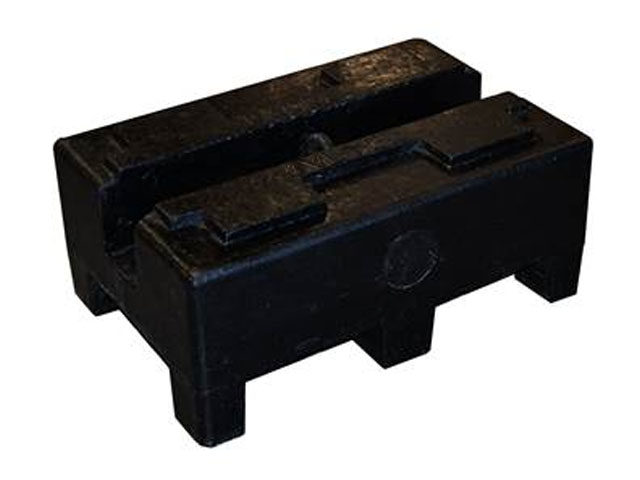
At their core, cast iron weight plates are crafted from molten iron poured into precision molds, a manufacturing process that creates a dense, solid structure free of hollow spaces or weak points. This method of production ensures that each plate carries a uniform weight distribution, a critical detail for lifters who rely on consistent load increments to progress safely and effectively. The density of cast iron also sets these plates apart from alternative materials; they are significantly slimmer in profile compared to rubber or foam-coated plates of the same weight, allowing users to load more weight onto a barbell sleeve when pushing for heavier lifts. This slim design is particularly valuable for powerlifting, strongman training, and other disciplines where maximizing the load on the bar is a key objective, as it eliminates the frustration of running out of space on the bar before reaching a target weight. Even in standard strength training sessions, this compact profile makes storage more manageable, as cast iron plates take up less room on weight racks, in gym closets, or in corner storage spots, making them ideal for both spacious commercial gyms and compact home setups.
The physical build of cast iron weight plates also contributes to their exceptional longevity, a trait that resonates with anyone looking to invest in fitness equipment that will last for years, if not decades. Unlike rubber plates that can crack, warp, or degrade with repeated use, especially when exposed to extreme temperatures or heavy impact, cast iron plates resist wear and tear remarkably well. They can withstand the rigors of daily lifting, accidental drops onto sturdy gym flooring, and constant handling without developing structural damage that could compromise their integrity or weight accuracy. While minor scuffs, dents, or surface discoloration may appear over time with regular use, these cosmetic flaws do not impact the plate’s performance or ability to hold weight consistently. This resilience means that a set of cast iron weight plates can accompany a lifter through multiple phases of their fitness journey, from beginner bodyweight and light resistance work to advanced heavy lifting, eliminating the need for frequent replacements and making them a practical, sustainable choice for long-term training.
Versatility is another hallmark of cast iron weight plates, as they are compatible with a wide range of fitness gear and training modalities, making them a versatile addition to any training arsenal. Most cast iron plates feature either a standard 1-inch center hole or an Olympic-sized 2-inch center hole, ensuring they fit securely on corresponding barbells, dumbbell bars, and weight machines. This compatibility means lifters can use the same set of plates for squats, deadlifts, bench presses, overhead presses, barbell rows, lunges, and a host of other compound and isolation exercises, creating a seamless transition between movements without needing to switch equipment. Beyond barbell training, cast iron plates can also be repurposed for bodyweight exercises: they can be held in the hands for added resistance during walking lunges or step-ups, placed on the back during push-ups to increase difficulty, or used as stable anchors for core work like planks. This multi-functional nature makes cast iron weight plates a foundational piece of equipment, capable of supporting full-body workouts that target every major muscle group, from the legs and back to the chest, shoulders, and arms.
One of the most practical benefits of cast iron weight plates is their ability to support progressive overload, the fundamental principle of strength training that involves gradually increasing resistance over time to build muscle and boost strength. Cast iron plates are available in a wide range of weight increments, from small, lightweight discs perfect for minor adjustments to heavier plates designed for significant load increases. This variety allows lifters to fine-tune the weight on the bar with precision, adding just a small amount of resistance when they are ready to progress, rather than being forced to make large, unmanageable jumps that can lead to poor form, fatigue, or injury. For beginners, this means being able to start with light, manageable loads and slowly build confidence and strength; for intermediate and advanced lifters, it means having the flexibility to push boundaries and break through plateaus by making incremental gains. Unlike some specialized plates that only come in limited weight sizes, cast iron options cater to every stage of training, ensuring that lifters never outgrow their equipment or find themselves limited by a lack of weight options.
While cast iron weight plates are celebrated for their durability and performance, they do require basic care and consideration to maintain their condition over time, especially in environments with high humidity or moisture. The raw iron material is susceptible to rust if left exposed to damp conditions for extended periods, a common concern in basements, garages, or outdoor training spaces where air circulation may be limited. Preventing rust is relatively simple, however, and involves a few routine steps: wiping down plates after use to remove sweat, moisture, or dust; storing them in a dry, well-ventilated area; and occasionally applying a thin layer of protective oil to the surface to create a barrier against moisture. Even with minimal maintenance, cast iron plates can retain their structural integrity and weight accuracy for years, and minor surface rust can often be removed with a stiff brush or light sanding without affecting performance. Additionally, when using cast iron plates, it is wise to place them on a sturdy, non-slip gym mat or lifting platform to protect both the plates and the underlying floor from damage, as the hard iron surface can scratch or dent unprotected surfaces upon impact. Taking these small precautions not only preserves the plates but also enhances the overall safety and cleanliness of the training space.
In comparison to other types of weight plates, cast iron options offer a balanced blend of performance, affordability, and practicality that is hard to match. Coated or rubberized plates often come with added costs due to their layered construction and specialized materials, while cast iron plates provide a cost-effective solution without sacrificing quality or functionality. They deliver a consistent, reliable lifting experience that aligns with traditional strength training values, appealing to lifters who prefer a raw, unfiltered feel when loading and lifting weights. The distinctive, solid feel of cast iron plates—from the weight of the disc in hand to the secure fit on the bar—creates a sense of stability and control that many lifters find reassuring, especially during heavy lifts where balance and precision are paramount. This tactile feedback helps lifters maintain proper form and focus on their movement, reducing the risk of errors that can lead to strain or injury.
Cast iron weight plates also hold a unique place in the culture of strength training, representing a connection to the long history of physical fitness and athletic development. Before the rise of high-tech, specialized gym equipment, cast iron plates were the standard for building strength, and they remain a symbol of hard work, consistency, and dedication in the fitness world. Many lifters are drawn to their classic, rugged aesthetic, which adds a timeless, industrial feel to any gym space, whether it’s a bustling commercial facility or a cozy home gym. This aesthetic appeal, paired with their unbeatable functionality, makes cast iron plates more than just a piece of equipment—they are a staple that embodies the core principles of strength training: patience, persistence, and steady progress. Unlike trendy fitness gear that comes and goes, cast iron weight plates have remained relevant because they focus on what matters most: helping individuals build strength, improve their fitness, and reach their goals.
When selecting cast iron weight plates, there are a few key factors to consider to ensure they align with individual training needs and space requirements. First, determining the correct center hole size is essential, as it must match the diameter of the barbells or weight bars in use. Standard 1-inch holes work well for basic home gym setups and lightweight bars, while Olympic 2-inch holes are designed for heavier, professional-grade barbells commonly found in commercial gyms. Next, assessing the range of weight increments needed is crucial; those new to lifting may prioritize smaller, lighter plates for gradual progression, while experienced lifters may focus on heavier plates to support advanced training. It is also wise to consider the overall quantity of plates needed to create a balanced set, ensuring there are enough pairs of each weight to load the bar evenly and avoid imbalance during lifts. Taking the time to choose a well-rounded set of cast iron plates ensures that the equipment can adapt to changing fitness goals and training routines over time.
Beyond individual use, cast iron weight plates are also a practical choice for fitness facilities and shared training spaces, thanks to their durability and low maintenance needs. Commercial gyms, community centers, and school fitness programs often rely on cast iron plates because they can withstand heavy, constant use by dozens of lifters each day without deteriorating. Their easy-to-clean surface and resistance to wear make them ideal for high-traffic environments, where equipment must hold up to frequent handling and varied usage. Additionally, the uniform design of cast iron plates simplifies equipment management for facility owners, as they are easy to stack, store, and organize on weight racks, keeping the training space tidy and functional even during peak hours. This reliability makes cast iron weight plates a smart investment for any facility looking to provide durable, accessible strength training equipment for its members.
It is also important to acknowledge the role that cast iron weight plates play in promoting safe lifting practices, a critical aspect of any fitness routine. The consistent weight distribution and secure fit of these plates reduce the risk of shifting or imbalance during lifts, which can cause accidents or injuries. When loaded correctly, cast iron plates sit firmly on the barbell sleeve, minimizing movement and allowing lifters to focus on their form and technique rather than stabilizing a wobbly load. While no piece of equipment can eliminate all risk in strength training, the stable, predictable nature of cast iron plates adds an extra layer of safety, especially for those who are still learning proper lifting mechanics. Paired with thoughtful training techniques and gradual progression, cast iron weight plates support a safe, sustainable approach to building strength that prioritizes long-term health and wellness.
As fitness trends continue to evolve and new types of weight plates hit the market, cast iron options remain a steadfast choice for lifters who value quality, simplicity, and performance. They are not defined by flashy designs or unnecessary features, but by their ability to deliver consistent results year after year. Whether used in a bustling gym filled with athletes or a quiet home space dedicated to personal fitness, cast iron weight plates serve as a reliable tool for growth, helping individuals push past their limits, build physical strength, and cultivate mental resilience. The beauty of these plates lies in their simplicity—they are a reminder that effective strength training does not require complex equipment, but rather dedication, consistency, and tools that can keep up with the journey.
In conclusion, cast iron weight plates are far more than just a basic piece of fitness equipment; they are a timeless, indispensable asset for anyone committed to strength training. Their dense, durable construction, versatile functionality, consistent weight accuracy, and practical design make them suitable for lifters of all levels, training styles, and space constraints. With proper care and maintenance, a set of cast iron weight plates can provide years of reliable use, supporting countless workouts, progress milestones, and personal achievements along the way. In a world where fitness gear often prioritizes novelty over necessity, cast iron weight plates stand out as a testament to the power of simplicity and quality, continuing to earn their place as a staple in gyms and training spaces across the globe. For those seeking a dependable, cost-effective, and long-lasting solution for strength training, cast iron weight plates remain a top choice, offering unwavering performance and value that stands the test of time.
