





Changzhou Veidt Weighing Co., Ltd. © 2022 ALL RIGHTS RESERVED Privacy Policy | Calibration Weight | Test Weights | Cast Iron Weights | Standard Weights | Laboratory Weights | XML | SITEMAP
NEWS LIST
cast iron weight heavy duty
Saturday 21st March 2026 Back to list
In industrial settings, construction sites, manufacturing facilities, and even specialized residential and agricultural spaces, heavy-duty cast iron weights stand as reliable, unassuming workhorses that fulfill critical roles where stability, consistent mass, and long-lasting performance are non-negotiable. Unlike lighter, more fragile alternative materials, cast iron carries a natural density and structural toughness that makes it uniquely suited for heavy-duty applications, where consistent weight distribution and resistance to wear and damage are essential. These weights are not designed for casual, light-use tasks; instead, they are engineered to withstand constant pressure, repeated handling, harsh environmental conditions, and the demands of high-intensity operations, making them a staple in countless fields that rely on fixed, dependable mass for functionality, safety, and precision. What sets heavy-duty cast iron weights apart is not just their substantial heft, but the inherent properties of the cast iron material itself, which has been refined and utilized for centuries to create components that outperform many modern alternatives in longevity and reliability, without the need for frequent replacements or intensive maintenance.
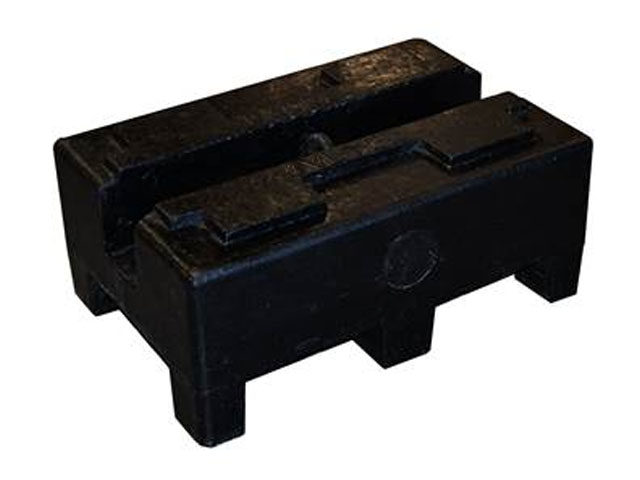
To understand the appeal of heavy-duty cast iron weights, it is first important to examine the core material properties that make cast iron an ideal choice for such applications. Cast iron is a ferrous alloy with a high carbon content, typically ranging from 2% to 4%, combined with silicon and other trace elements that enhance its castability and strength. One of the most defining traits is its high density, measuring approximately 7.1 to 7.3 grams per cubic centimeter, which means it delivers significant mass in a relatively compact form compared to materials like aluminum, plastic, or even certain types of steel. This density is a key advantage for heavy-duty use, as it allows users to achieve the desired weight without relying on overly large, bulky components that take up excessive space or are difficult to maneuver. Additionally, cast iron boasts exceptional compressive strength, meaning it can withstand immense downward pressure and heavy loads without bending, warping, or deforming over time. Unlike softer metals that may bend under repeated stress or plastic that can crack or degrade under heavy weight, cast iron maintains its shape and structural integrity even when subjected to constant, heavy use, making it perfect for static load-bearing, counterbalancing, and calibration tasks that demand unchanging mass and stability.
Another vital material benefit of cast iron for heavy-duty weights is its natural resistance to impact and abrasion. In busy industrial environments, weights are often moved, stacked, and positioned repeatedly, sometimes with mechanical equipment or by hand, and accidental bumps, drops, or scrapes are common occurrences. Cast iron’s rigid microstructure, which includes graphite flakes that act as a natural buffer against shock, helps it resist chipping, cracking, and surface damage that would compromise the weight’s accuracy and functionality. While it is not completely indestructible, heavy-duty cast iron weights can withstand moderate impacts far better than precision-machined lightweight metals or fragile composite materials, reducing the risk of sudden failure or the need for frequent repairs. Furthermore, cast iron has stable dimensional properties, meaning it experiences minimal expansion or contraction with normal fluctuations in temperature and humidity. This stability is crucial for applications where precise weight consistency is required, as even small changes in size or shape can alter the effective mass of a weight. Whether used in a cold warehouse, a warm manufacturing plant, or an outdoor construction site exposed to shifting weather, heavy-duty cast iron weights retain their exact mass and form, ensuring reliable performance across diverse environmental conditions.
The versatility of heavy-duty cast iron weights is one of their most valuable attributes, as they serve a wide range of purposes across multiple industries, each relying on the material’s unique combination of weight, strength, and durability. One of the most common uses is in industrial and commercial scale calibration, where accurate, consistent mass is essential to ensure weighing equipment provides precise readings. From large floor scales used in shipping and logistics to platform scales in manufacturing and agricultural settings, these weights act as a reference standard to verify and adjust scale accuracy, preventing errors that could lead to operational inefficiencies, inventory discrepancies, or financial miscalculations. Unlike smaller, lightweight calibration weights, heavy-duty cast iron variants are designed for high-capacity scales that measure large loads, such as pallets of goods, industrial materials, or agricultural produce, and their robust construction allows them to be used repeatedly for routine calibration checks without losing their mass integrity.
Beyond calibration, heavy-duty cast iron weights are widely used for counterbalancing and stability applications in machinery and structural projects. In manufacturing equipment, conveyor systems, and heavy machinery, counterweights are necessary to offset the weight of moving parts, ensuring smooth operation, reducing strain on mechanical components, and preventing tipping or imbalance. Cast iron’s high mass-to-volume ratio makes it perfect for this role, as it can provide the necessary counterbalance without adding unnecessary bulk to the machinery. In construction and infrastructure projects, these weights are used to secure temporary structures, hold down fencing or barriers, stabilize scaffolding, and provide ballast for heavy equipment operating on uneven terrain. They are also commonly used in agricultural settings, where they are added to tractors and farming equipment to improve traction, reduce slippage, and balance heavy attachments like plows, harvesters, and seeders. Even in marine and dockside applications, cast iron weights serve as reliable ballast for small watercraft, floating docks, and marine equipment, providing steady weight that resists shifting and maintains stability in moving water.
In addition to industrial and commercial use, heavy-duty cast iron weights have practical applications in specialized residential and workshop settings, particularly for those who require durable, heavy tools for DIY projects, woodworking, metalworking, or outdoor maintenance. For example, they can be used to hold down workpieces during cutting, sanding, or assembly, eliminating the need for bulky clamps and providing steady, consistent pressure. In outdoor spaces, they can secure patio furniture, garden decor, or temporary shelters during windy conditions, replacing flimsy plastic or lightweight metal anchors that easily blow away or break. They are also used in fitness and strength training settings, where their solid, uniform weight makes them suitable for strength-building exercises, as they hold their shape and weight even with frequent handling and use. Unlike hollow or filled weights that can leak, crack, or lose weight over time, solid cast iron weights maintain their exact mass indefinitely, making them a long-term investment for both personal and professional use.
Proper handling and basic maintenance are key to maximizing the lifespan of heavy-duty cast iron weights, and while they are low-maintenance compared to many other materials, a few simple practices can prevent unnecessary wear and extend their usability. The primary concern with cast iron is the potential for rust formation when exposed to prolonged moisture, humidity, or outdoor elements, especially in coastal or damp environments. To prevent rust, it is recommended to store cast iron weights in a dry, covered area when not in use, avoiding direct contact with standing water or damp soil. For weights used outdoors or in humid settings, a thin, light coating of mineral oil or a non-corrosive protective wax can be applied periodically to create a barrier against moisture; this coating is easy to apply and does not affect the weight’s mass or functionality. Regular cleaning is also simple: after use, wipe down the surface with a dry cloth to remove dust, dirt, or debris, and avoid using harsh chemicals or abrasive cleaners that can scratch the surface or strip away protective coatings. If minor surface rust does appear, it can be gently removed with a fine abrasive pad or steel wool, followed by a fresh coating of protective oil to prevent further oxidation.
When handling heavy-duty cast iron weights, safety is a top priority due to their substantial weight, which can range from a few kilograms for smaller units to hundreds of kilograms for large industrial models. It is important to use proper lifting techniques, bending at the knees and keeping the back straight to avoid strain, and for larger, heavier weights, mechanical aids such as hoists, forklifts, or specialized lifting equipment should always be used to prevent injury or accidental dropping. Stacking weights should be done on flat, level surfaces, ensuring they are stable and not at risk of tipping or sliding, and avoiding stacking them too high to prevent collapse. When using weights for calibration or precision tasks, it is important to handle them with clean, dry hands or gloves to avoid transferring oils or moisture to the surface, which can contribute to rust or affect measurement accuracy over time. With careful handling and minimal maintenance, heavy-duty cast iron weights can remain in functional, reliable condition for decades, often outlasting the equipment or projects they are used to support.
One of the often-overlooked benefits of heavy-duty cast iron weights is their sustainability and cost-effectiveness over the long term. Cast iron is a highly recyclable material, and even at the end of their usable life, these weights can be melted down and recast into new components without losing their inherent material properties, reducing waste and minimizing the need for new raw material extraction. Unlike disposable or short-lived weight alternatives made from plastic or low-grade metals, cast iron weights are a permanent solution that does not need to be replaced frequently, making them a more environmentally friendly choice for businesses and individuals looking to reduce their carbon footprint. From a financial perspective, while the initial acquisition of heavy-duty cast iron weights may require a moderate investment, their exceptional durability and low maintenance needs mean they offer significant long-term savings. There is no need for frequent repairs, replacements, or expensive upkeep, and their consistent performance eliminates the costs associated with inaccurate measurements, equipment damage, or unstable loads that can arise from using inferior weight materials.
In a world where many industrial and consumer products are designed for short-term use and quick replacement, heavy-duty cast iron weights stand out as a testament to timeless engineering and material reliability. They do not rely on complex technology, moving parts, or specialized coatings to perform their function; instead, they leverage the natural strength, density, and stability of cast iron to deliver consistent, unwavering performance year after year. Whether used in a large-scale industrial facility calibrating heavy machinery, a construction site stabilizing critical structures, a farm balancing agricultural equipment, or a home workshop securing workpieces, these weights fulfill their role quietly and effectively, without fanfare or frequent attention. Their design is focused purely on functionality: solid, straightforward, and built to handle the toughest tasks without compromise.
As industries continue to prioritize durability, efficiency, and sustainability, the demand for heavy-duty cast iron weights remains steady, as no other material can match the unique combination of high mass, compressive strength, impact resistance, and long-term value that cast iron provides. They are a foundational component in many operational workflows, often working behind the scenes to ensure safety, accuracy, and efficiency, and their importance is only fully recognized when inferior alternatives fail. Unlike trendy materials that promise lightweight convenience but lack the toughness for heavy-duty use, cast iron has stood the test of time, proving itself in countless applications where performance and reliability are non-negotiable. From small workshop weights to massive industrial counterbalances, heavy-duty cast iron weights are more than just simple metal objects—they are essential tools that support productivity, safety, and consistency across every sector that relies on stable, dependable mass.
In conclusion, heavy-duty cast iron weights earn their place as a staple in industrial, commercial, agricultural, and residential settings through their unbeatable combination of material strength, consistent mass, durability, and versatility. The inherent density and compressive strength of cast iron make it ideal for heavy-load applications, while its resistance to impact and environmental wear ensures long-term performance with minimal maintenance. Their wide range of uses, from precision calibration and machinery counterbalancing to outdoor stabilization and workshop utility, highlights their adaptability to diverse needs, and their sustainable, recyclable nature adds to their overall value. For anyone seeking a reliable, long-lasting weight solution that can withstand the demands of heavy use and harsh conditions, heavy-duty cast iron weights offer a practical, cost-effective choice that delivers consistent results without compromise. They represent a return to durable, purpose-built design, focusing on quality and functionality over fleeting trends, and will continue to be an indispensable tool for generations to come.
