





Changzhou Veidt Weighing Co., Ltd. © 2022 ALL RIGHTS RESERVED Privacy Policy | Calibration Weight | Test Weights | Cast Iron Weights | Standard Weights | Laboratory Weights | XML | SITEMAP
NEWS LIST
cast iron weight for weighing scale
Saturday 21st March 2026 Back to list
In the world of precision measurement and industrial weighing, cast iron weights stand as a timeless and reliable foundation, serving as the reference standard that keeps weighing scales accurate, consistent, and functional across countless settings. These unassuming metal components are far more than simple heavy objects; they are carefully engineered tools designed to maintain mass stability, withstand daily wear, and deliver consistent performance in environments ranging from quiet laboratory spaces to busy industrial floors, agricultural warehouses, logistics hubs, and small-scale commercial operations. Unlike lightweight or fragile alternative materials, cast iron has been selected for scale weights for generations due to its unique combination of physical properties that align perfectly with the demands of reliable mass calibration, making it a staple in the industry that has endured despite advances in modern materials and digital weighing technology.
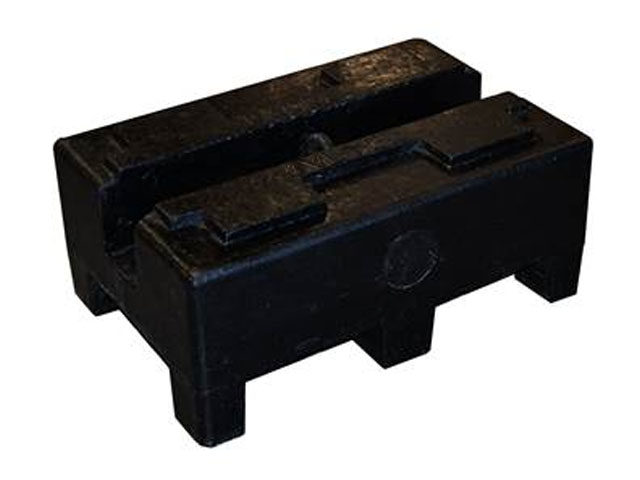
The core appeal of cast iron for weighing scale weights begins with its inherent material properties, which set it apart from other metals and alloys used in similar applications. Cast iron boasts a high density, meaning it can hold a significant amount of mass in a compact, manageable shape without requiring excessive bulk or size. This density is consistent throughout the material when produced properly, ensuring that each weight maintains its intended mass value over time without unexpected shifts or fluctuations that could throw off scale measurements. Unlike some metals that warp, bend, or deform under moderate pressure or repeated use, cast iron has exceptional compressive strength, allowing it to withstand the constant weight of being placed on scale platforms, moved by hand or machinery, and stacked for storage without losing its structural integrity. Even in high-traffic settings where weights are handled frequently and occasionally subjected to minor bumps or drops, cast iron resists chipping, cracking, and permanent distortion, preserving its mass accuracy far longer than more delicate alternatives.
Another key advantage of cast iron is its dimensional stability, which is critical for a tool that relies on unchanging mass to deliver accurate readings. Cast iron has a low coefficient of thermal expansion, meaning it does not expand or contract significantly with normal changes in temperature that occur in most working environments. Whether used in a warm factory during summer months or a cool storage facility in winter, the mass of a cast iron weight remains largely unaffected by temperature shifts, eliminating a common source of measurement error that plagues less stable materials. Additionally, cast iron has natural vibration-dampening properties, which is a subtle but important benefit during the weighing process. When placed on a scale, especially a sensitive digital or mechanical scale, the weight’s ability to absorb small vibrations prevents unnecessary movement of the scale platform, allowing the device to settle quickly and provide a steady, precise reading. This dampening effect is particularly valuable in industrial settings where nearby machinery or foot traffic creates minor vibrations that could disrupt less stable weighing processes.
The manufacturing process of cast iron weighing weights is a meticulous one, focused on consistency, uniformity, and long-term performance, with no shortcuts taken that could compromise the final product’s reliability. It starts with the careful selection of raw iron materials, blended with precise amounts of carbon and silicon to create a cast iron formulation that offers the ideal balance of density, strength, and workability. Impurities such as sulfur and phosphorus are kept to minimal levels during the melting phase, as excess impurities can create weak spots in the metal or cause uneven density, which would alter the weight’s mass. The molten iron is heated to a controlled temperature and poured into pre-shaped molds that correspond to the desired weight size and design, whether it is a small cylindrical weight for tabletop scales, a medium-sized rectangular weight for platform scales, or a large, heavy-duty weight for industrial truck scales and heavy-capacity weighing systems.
Once the molten iron cools and solidifies in the mold, the rough casting is removed and subjected to a series of finishing and treatment steps to refine its quality. The first critical step is stress relieving, often done through controlled heating and slow cooling or natural aging, which eliminates internal stresses trapped in the metal during the casting process. These internal stresses, if left untreated, could cause the weight to gradually warp or shift in mass over months or years of use, even without visible damage to the surface. After stress relieving, the weight is smoothed and shaped to remove any rough edges, excess metal, or casting imperfections, ensuring a uniform surface and consistent dimensions. Each weight is then precisely calibrated to its intended mass value, with skilled technicians adjusting the metal slightly to meet strict mass tolerances, ensuring that every weight of the same nominal value is interchangeable and delivers the same measurement result.
Surface treatment is another vital stage in the production process, designed to protect the cast iron from corrosion and extend its usable life, as exposure to moisture, dust, and mild chemicals can cause rust to form on untreated iron, which can add small amounts of mass and compromise accuracy. Most cast iron scale weights receive a durable, protective coating, such as a high-quality enamel paint or a rust-inhibiting finish that bonds tightly to the metal surface. This coating is resistant to chipping, peeling, and fading, even with regular handling and exposure to outdoor or humid indoor conditions. Some weights designed for particularly harsh environments receive additional protective treatments, such as a thin layer of oil or a specialized anti-corrosion layer, though these are applied in a way that does not alter the overall mass of the weight. Clear, permanent markings indicating the weight’s mass value are engraved or stamped deeply into the surface before the final coating is applied, ensuring that the markings remain legible for years, even as the exterior experiences normal wear and tear.
Cast iron weighing weights come in a wide range of sizes and designs to suit every type of weighing scale and application, from tiny weights used for precision laboratory balances to massive, multi-hundred-kilogram weights used for calibrating large industrial scales. Smaller weights, often used in commercial settings like grocery stores, workshops, and laboratories, are typically compact and easy to handle by hand, with smooth edges and a balanced shape that makes them simple to place on scale pans without tipping or shifting. Medium-sized weights, ranging from a few kilograms to several dozen kilograms, are commonly used for platform scales, warehouse scales, and agricultural weighing equipment, with designs that may include built-in handles or recessed grips for safe and easy lifting and moving. Larger industrial weights, used for heavy-capacity scales such as truck scales, livestock scales, and material processing scales, are often designed with reinforced structures and may include lifting points or slots compatible with forklifts or hoists, allowing safe handling of heavy masses without risking injury to workers or damage to the weight itself.
The versatility of cast iron weights extends across nearly every industry that relies on accurate weight measurement, making them an indispensable tool in global commerce, manufacturing, and quality control. In agricultural settings, they are used to calibrate scales for weighing grain, feed, livestock, and harvested crops, ensuring that farmers and suppliers get fair and consistent measurements for their goods. In manufacturing and production facilities, these weights verify the accuracy of scales used to measure raw materials, components, and finished products, preventing costly errors in production batches, inventory counts, and shipping quantities. Logistics and shipping companies depend on cast iron weights to calibrate parcel scales, pallet scales, and freight scales, ensuring that shipping weights are accurate and compliant with transportation standards, avoiding delays or unexpected fees. Laboratories and research facilities use precision cast iron weights to calibrate sensitive measuring equipment, supporting accurate experimentation, sample testing, and data collection. Even small businesses, such as bakeries, butcher shops, and hardware stores, rely on these weights to maintain accurate retail scales, ensuring fairness for both the business and its customers.
Proper handling and routine maintenance are essential to preserving the accuracy and lifespan of cast iron weighing weights, and these tasks are straightforward enough to be integrated into regular operational routines without significant effort. One of the most important practices is gentle handling; while cast iron is durable, repeated rough handling, dropping, or slamming onto hard surfaces can create internal micro-fractures or minor surface damage that may eventually affect mass stability. Weights should be lifted and placed carefully, using appropriate lifting aids for heavier models to avoid strain and accidental drops. When not in use, weights should be stored in a clean, dry area, away from direct exposure to moisture, standing water, and harsh chemicals that could damage the protective coating or cause rust. Storing weights on a flat, stable surface or in a dedicated storage rack prevents them from rolling, scratching each other, or accumulating unnecessary dust and debris.
Regular cleaning is a simple but effective maintenance step that helps preserve both the appearance and accuracy of cast iron weights. Dust, dirt, oil, and other residues can build up on the surface over time, and while these deposits are usually minimal, they can add tiny amounts of mass that may impact precision measurements over time. Cleaning can be done with a soft, dry cloth or a slightly damp cloth for mild residue, followed by immediate drying to prevent moisture from seeping into any minor coating imperfections. Harsh scrubbing tools, abrasive cleaners, or strong chemicals should be avoided, as these can scratch or strip the protective coating, leaving the iron vulnerable to rust. If minor rust spots do appear, especially on the edges or corners where the coating may have worn thin, they can be gently removed with a fine abrasive pad, followed by a touch-up of the protective coating to prevent further corrosion, as long as the repair does not alter the overall mass of the weight.
Periodic calibration checks are also recommended for cast iron weights, especially those used frequently or in critical measurement applications. Over many years of use, even the most durable cast iron weight may experience tiny mass changes due to normal wear, minor surface damage, or environmental exposure, so verifying its mass against a trusted reference standard ensures that it continues to deliver accurate results. The frequency of these checks depends on how often the weight is used and the environment it is in; weights used daily in industrial settings may be checked more often, while those used occasionally in clean, dry settings can be checked less frequently. These checks are quick to perform and help maintain the integrity of the entire weighing system, ensuring that scales remain calibrated correctly and that all measurements are reliable.
One of the most underappreciated qualities of cast iron weighing weights is their long-term cost-effectiveness and sustainability. Unlike disposable or short-lived measurement tools, cast iron weights can last for decades, even with regular use, making them a wise long-term investment for any business or facility that requires consistent weighing. Their durable construction means they do not need to be replaced frequently, reducing waste and ongoing replacement costs. Additionally, cast iron is a fully recyclable material, and at the end of its long usable life, a worn weight can be melted down and recast into new weights or other metal products, minimizing environmental impact. This combination of longevity, recyclability, and low maintenance requirements makes cast iron weights a practical and eco-friendly choice compared to many alternative materials that have shorter lifespans and are less sustainable to produce and dispose of.
In a world that increasingly relies on precise data and accurate measurements for fair trade, efficient production, and quality assurance, cast iron weighing weights remain a cornerstone of reliable measurement systems. They bridge the gap between traditional craftsmanship and modern precision needs, offering a level of stability and durability that few other materials can match. While digital weighing technology continues to evolve, the need for a physical, consistent reference mass remains unchanged, and cast iron weights fulfill this role perfectly. They are a testament to the idea that the most effective tools are often those that are well-designed, built to last, and tailored to their intended purpose, prioritizing function and reliability over unnecessary complexity.
From small retail scales that measure everyday goods to massive industrial scales that handle tons of materials, cast iron weights play a quiet but essential role in keeping operations running smoothly, ensuring fairness in commerce, and maintaining consistency across diverse industries. Their simple, robust design and proven performance have stood the test of time, making them a trusted choice for technicians, business owners, engineers, and researchers around the world. As long as accurate weighing remains a critical part of daily operations, cast iron weights will continue to be an essential component, providing stable, consistent, and reliable reference masses that support precision and efficiency in every sector they serve.
