





Changzhou Veidt Weighing Co., Ltd. © 2022 ALL RIGHTS RESERVED Privacy Policy | Calibration Weight | Test Weights | Cast Iron Weights | Standard Weights | Laboratory Weights | XML | SITEMAP
NEWS LIST
cast iron weight for lifting
Saturday 14th March 2026 Back to list
In the world of strength training and physical fitness, cast iron weights stand as a timeless staple, a reliable companion for lifters of all skill levels, from casual gym-goers building foundational strength to dedicated athletes chasing peak performance. Unlike fleeting fitness trends that come and go with each passing year, cast iron lifting weights have retained their relevance across decades, rooted in a set of inherent qualities that make them uniquely suited for the demands of resistance training. This material, forged through traditional casting processes, brings a blend of durability, functionality, and practicality that few alternative materials can match, shaping the way people approach weightlifting and strength building in both commercial gym settings and home training spaces alike. Every time a lifter grips a barbell loaded with cast iron plates or hoists a cast iron dumbbell, they engage with a tool that prioritizes substance over flash, focusing purely on the core goal of building strength, endurance, and physical resilience.
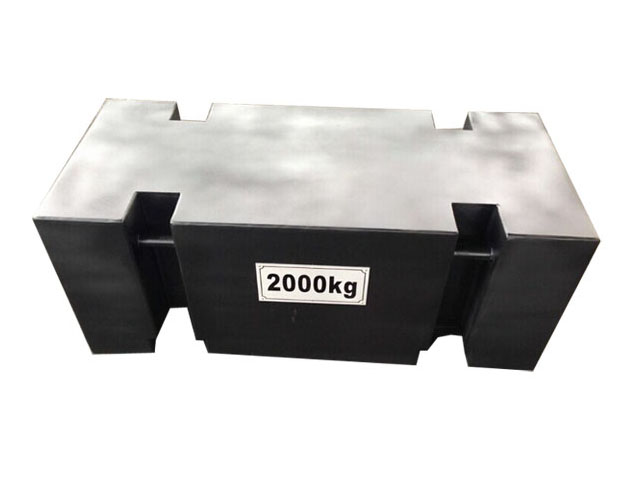
The physical properties of cast iron are the foundation of its suitability for lifting weights. Cast iron boasts a dense, solid composition that delivers consistent weight distribution, a critical factor for stable, controlled lifting movements. This density means that cast iron weights hold their form exceptionally well, resisting bending, warping, or deforming even under repeated heavy loads and high-impact use. Unlike lighter, more pliable materials that may flex or shift during lifts, compromising form and increasing the risk of injury, cast iron remains rigid and steady, providing a predictable resistance that lifters can rely on set after set. This structural integrity is not just a matter of performance; it also translates to long-term reliability, as cast iron weights can withstand years of frequent use without losing their dimensional accuracy or weight consistency. Even with regular drops, bumps, and exposure to the daily wear and tear of a busy training environment, these weights maintain their integrity, avoiding the cracks, chips, or material breakdown that plague lesser-quality training gear.
Another key advantage of cast iron for lifting lies in its tactile and sensory feedback, a subtle yet impactful element that enhances the lifting experience. When handling cast iron weights, lifters feel a firm, unyielding texture that connects them directly to the resistance they are working against. This direct contact fosters better proprioception, the body’s ability to sense its position and movement in space, which is vital for mastering proper lifting form. Whether performing compound lifts like squats, deadlifts, and bench presses, or isolation movements that target specific muscle groups, the solid feel of cast iron keeps lifters grounded, encouraging controlled, intentional movements rather than rushed, sloppy execution. The subtle clink of cast iron plates as they are loaded onto a barbell, the cool, sturdy surface of a cast iron kettlebell or dumbbell in the palm, all these small details create a sensory routine that helps lifters focus, sharpen their mental focus, and commit fully to each repetition. This feedback loop is not just psychological; it also supports muscle memory development, allowing lifters to refine their technique over time and lift more efficiently and safely as they progress.
Cast iron lifting weights also offer remarkable versatility, adapting seamlessly to a wide range of training styles and fitness goals. They are available in a variety of forms, from standard weight plates that fit barbells and machines to dumbbells, kettlebells, and weight collars, covering every aspect of resistance training. This versatility means that a set of cast iron weights can support a full-body workout routine, targeting every major muscle group in the body—legs, back, chest, shoulders, arms, and core—without the need for specialized, bulky equipment. For those training in small spaces, such as home gyms or compact studio setups, cast iron weights are a practical choice due to their space-efficient design; their dense structure means they take up minimal storage space while providing a wide range of weight increments to accommodate progressive overload. Progressive overload, the gradual increase in weight or resistance over time, is the cornerstone of muscle growth and strength gains, and cast iron weights excel in supporting this principle. Lifters can easily add small increments of weight to their bars or switch to heavier cast iron dumbbells as their strength improves, ensuring that their muscles are consistently challenged and continue to adapt and develop.
Beyond performance and versatility, cast iron weights are valued for their low-maintenance nature, making them a hassle-free option for both gym owners and individual lifters. Unlike some coated or composite weights that require special care to prevent peeling, fading, or material degradation, cast iron weights have simple upkeep needs. Regular cleaning to remove dust, sweat, and debris is typically sufficient to keep them in good condition, and occasional light oiling can help prevent surface rust, especially in humid environments. Even if minor rust does appear over time, it can be easily removed with a gentle abrasive pad and a thin coat of protective oil, restoring the weight’s appearance and functionality without extensive repairs. This resilience to wear and minimal maintenance requirements make cast iron weights a cost-effective long-term investment; they do not need frequent replacements or repairs, unlike more fragile training equipment that may wear out or break after months of use. For lifters who prioritize durability and practicality over aesthetic trends, this ease of care is a major selling point, allowing them to focus on their training rather than worrying about equipment upkeep.
In the context of serious strength training and competitive lifting, cast iron weights hold a special place as a trusted standard. Many dedicated lifters and strength coaches prefer cast iron for heavy lifting sessions because of its consistent weight and unwavering stability, which are crucial for pushing physical limits safely. When lifting near-maximal loads, even small inconsistencies in weight distribution or material flexibility can throw off balance and form, leading to potential injury, but cast iron eliminates these variables. Its solid, unchanging structure provides a stable base for heavy lifts, giving lifters the confidence to push past plateaus and test their strength without unnecessary risk. Additionally, cast iron weights are designed to fit standard lifting equipment, ensuring compatibility with most barbells, weight racks, and training machines found in gyms around the world. This universal compatibility means that lifters can transition between different training spaces—whether a local gym, a home setup, or a training facility—without having to adjust to different weight sizes or specifications, maintaining a consistent training routine regardless of location.
Cast iron lifting weights also embody a sense of simplicity and authenticity in a fitness landscape often filled with high-tech gadgets and overly complicated equipment. In an age where many training tools come with digital displays, app connectivity, and fancy features, cast iron weights strip away the distractions, focusing solely on the fundamental relationship between lifter and resistance. This simplicity resonates with lifters who value the raw, unfiltered nature of strength training, where progress is measured not by data points on a screen, but by the ability to lift more weight, complete more reps, and build a stronger, more capable body. There is a timeless appeal to working with cast iron, a nod to the traditional roots of weightlifting that prioritizes hard work, consistency, and discipline over shortcuts or gimmicks. This back-to-basics approach not only builds physical strength but also fosters mental toughness, teaching lifters to stay focused, persistent, and dedicated to their goals.
It is also worth noting that cast iron weights are designed with user safety in mind, a critical consideration in any training environment. Their solid construction reduces the risk of sudden breakage or failure during lifts, which can cause serious injury, while their consistent weight distribution helps lifters maintain proper form and control. Unlike hollow or lightweight weights that may tip or shift unexpectedly, cast iron weights stay firmly in place when set down or loaded onto a bar, minimizing the chance of accidents caused by unstable equipment. The textured surface of many cast iron weights also provides a secure grip, even when hands are sweaty, reducing the risk of weights slipping during lifts. These safety-focused design elements, combined with the material’s inherent durability, make cast iron a responsible choice for lifters of all ages and experience levels, from teenagers starting their fitness journey to older adults maintaining strength and mobility.
As fitness trends continue to evolve and new materials enter the market, cast iron lifting weights remain a constant, a testament to their enduring value and practicality. They are not defined by flashy designs or marketing hype, but by their ability to deliver consistent, reliable performance day in and day out. Whether used for building foundational strength, increasing muscle mass, improving athletic performance, or simply maintaining overall fitness, cast iron weights rise to the occasion, supporting lifters through every stage of their fitness journey. Their longevity means that a single set of cast iron weights can be used for years, even decades, passing from one lifter to the next and continuing to serve its purpose effectively. This sustainability is another often-overlooked benefit, as cast iron weights reduce waste and the need for frequent equipment replacements, aligning with a more mindful, long-term approach to fitness gear.
In conclusion, cast iron weights for lifting are far more than just pieces of metal; they are essential tools that empower lifters to pursue their strength goals with confidence and consistency. From their unbeatable durability and consistent weight distribution to their versatile design, low maintenance, and focus on safety, every aspect of cast iron weights is tailored to the needs of those who take their training seriously. They offer a straightforward, effective path to physical improvement, free from unnecessary complexities, and remind us that the core of strength training lies in hard work, proper form, and reliable equipment. For anyone committed to building a stronger, healthier body, cast iron lifting weights remain an indispensable choice, a timeless investment that delivers lasting value and supports progress for years to come. In a world that often chases the next big thing, cast iron stands firm as a reliable, proven partner in the pursuit of physical strength and wellness.
