





Changzhou Veidt Weighing Co., Ltd. © 2022 ALL RIGHTS RESERVED Privacy Policy | Calibration Weight | Test Weights | Cast Iron Weights | Standard Weights | Laboratory Weights | XML | SITEMAP
NEWS LIST
cast iron weight for laboratory
Saturday 21st March 2026 Back to list
In the structured environment of a scientific laboratory, precise and consistent measurement forms the foundation of reliable research, testing, and quality control. Among the wide range of laboratory tools and reference standards, cast iron weights hold a steady, indispensable position, serving as practical mass references for calibration, equipment verification, and experimental testing across diverse scientific disciplines. Unlike lightweight, ultra-precise metal weights designed for micro-analytical work, cast iron weights are engineered to balance durability, dimensional stability, and functional practicality, making them well-suited for routine laboratory tasks that demand consistent mass values without excessive fragility. These weights are not limited to a single branch of science; they find consistent use in chemistry labs for general balance calibration, materials science facilities for mechanical property testing, environmental research stations for field and lab equipment verification, and educational laboratories where hands-on measurement training takes place. Their enduring presence in laboratory settings stems from a unique combination of material properties, thoughtful manufacturing design, and adaptability to the daily demands of scientific work, supporting accurate and repeatable results that form the backbone of credible scientific inquiry.
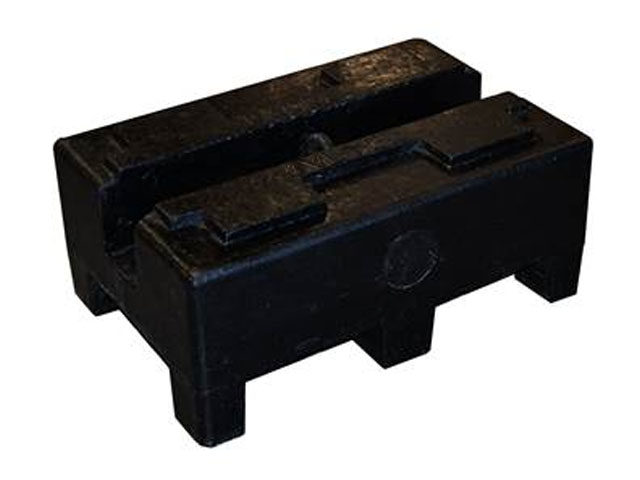
The performance of cast iron weights in laboratory settings starts with the inherent properties of the cast iron material itself, which is carefully formulated to meet the strict requirements of laboratory mass standards. The cast iron used for these weights is typically a high-density, uniformly structured alloy with controlled carbon and silicon content, crafted to minimize internal voids, density inconsistencies, and structural weaknesses that could alter mass stability over time. This specialized composition gives cast iron exceptional compressive strength, allowing it to withstand repeated handling, stacking, and placement on weighing platforms without bending, warping, or developing micro-cracks that would compromise its mass value. Unlike softer metals that may dent or deform under moderate pressure, or brittle materials that can shatter with accidental impact, cast iron maintains its physical shape and structural integrity even with regular, rigorous use, a critical trait for laboratory tools that are handled daily by multiple users. Another key material advantage is its dimensional stability across a range of temperatures commonly found in laboratory environments. Laboratory spaces are generally climate-controlled, but minor temperature fluctuations still occur throughout the day and across seasons, and cast iron’s low, consistent thermal expansion rate ensures that the weight’s volume and mass do not shift significantly with these changes. This stability eliminates the need for constant re-calibration due to environmental temperature variations, a practical benefit that streamlines daily laboratory workflows and reduces downtime for equipment checks.
Beyond structural strength and thermal stability, cast iron offers a practical density profile that allows for compact, manageable weight designs suitable for laboratory storage and use. The high density of the material means that cast iron weights can provide substantial mass in a relatively small physical footprint, unlike less dense materials that would require bulky, unwieldy shapes to achieve the same mass value. This compactness is vital in laboratories, where bench space, storage cabinets, and equipment areas are often limited, and tools must be organized efficiently to avoid clutter and disruption. Additionally, the uniform density of properly manufactured cast iron weights ensures that every section of the weight contributes evenly to its total mass, preventing uneven weight distribution that could cause inaccurate readings when placed on a balance or scale. While cast iron is more prone to surface oxidation than stainless steel or other corrosion-resistant alloys, modern manufacturing processes include targeted surface treatments that address this concern without compromising the material’s core benefits. These treatments typically involve a smooth, protective finish that seals the iron surface from moisture, dust, and mild chemical vapors commonly present in laboratory air, creating a barrier that slows rust formation and preserves the weight’s surface quality. This balance of material strength, stability, and practical design makes cast iron a thoughtful choice for laboratory weights, prioritizing long-term functionality and reliability for routine scientific tasks.
The manufacturing process of laboratory-grade cast iron weights is tailored to uphold consistent mass accuracy and structural uniformity, with every step designed to meet the strict tolerances required for laboratory reference tools. It begins with the careful selection and melting of raw iron materials, with technicians closely monitoring the melting temperature and alloy composition to ensure the final casting meets density and purity standards. Impurities are removed during the melting phase to prevent internal inclusions that could create weak spots or density variations, and the molten iron is poured into precision-crafted molds that form the weight’s standard shapes—most commonly cylindrical, cuboid, or with integrated handling features for larger sizes. The molding process is controlled to ensure slow, even cooling, which reduces internal stress and prevents warping as the iron solidifies, a critical step to maintain dimensional accuracy. Once removed from the molds, the raw castings undergo a series of finishing processes to refine their shape, smooth rough surfaces, and remove any excess material. Skilled technicians use precision machining to adjust the weight’s mass to its nominal value, carefully removing small amounts of material to meet the allowable tolerance range for laboratory use, ensuring that each weight aligns with its stated mass without significant deviation. After machining, the surface treatment is applied, which may include cleaning, degreasing, and the application of a protective coating that is resistant to minor moisture and laboratory contaminants. Each weight is then inspected for surface defects, structural integrity, and mass accuracy using calibrated weighing equipment, with only pieces that pass all quality checks moving forward for use in laboratory settings. This meticulous manufacturing process ensures that every cast iron weight delivers consistent performance, free from manufacturing flaws that could impact its function as a reliable mass reference.
In a laboratory setting, cast iron weights fulfill a wide range of essential functions that support daily operations and long-term research integrity, with applications spanning from basic equipment calibration to specialized experimental testing. One of the most common uses is the routine calibration and verification of laboratory balances, bench scales, and floor scales, which are used to measure chemicals, samples, raw materials, and finished products. Regular calibration with reliable reference weights is essential to ensure that these measuring devices provide accurate readings, as even minor deviations in measurement can lead to skewed experimental results, flawed data analysis, or inconsistent sample preparation. Cast iron weights are particularly well-suited for calibrating mid-range and larger capacity scales, where their durable construction and stable mass make them more practical for repeated use than delicate precision weights. In materials science and engineering laboratories, cast iron weights serve as controlled load sources for mechanical testing, such as evaluating the compressive strength, flexibility, and durability of test samples, polymers, metals, and composite materials. These tests require consistent, known masses to apply steady pressure over time, and the stability and strength of cast iron make it ideal for this purpose, as it does not flex or change mass during extended testing periods.
Educational and research laboratories also rely heavily on cast iron weights for teaching fundamental principles of measurement, mass, and balance. Students learning laboratory techniques for the first time need sturdy, forgiving tools to practice proper weighing and calibration procedures, and cast iron weights withstand the frequent handling and occasional mishandling that comes with hands-on learning. Unlike more fragile precision weights, which can be easily damaged by improper use, cast iron weights allow students to gain confidence in measurement practices without the risk of damaging expensive or delicate equipment. In environmental and agricultural laboratories, cast iron weights are used to calibrate equipment for soil sample testing, seed analysis, and feed formulation, where consistent mass measurements are critical for assessing nutrient content, contamination levels, and sample purity. They are also used in quality control laboratories across various industries, where routine checks of weighing equipment ensure that product formulations, batch measurements, and quality testing remain consistent over time. In all these applications, the core value of cast iron weights lies in their ability to provide a stable, repeatable mass reference that laboratories can depend on for daily tasks, reducing measurement error and supporting the overall accuracy of scientific work.
Proper handling and usage practices are essential to preserve the accuracy and extend the service life of cast iron weights in a laboratory environment, as even small oversights in care can lead to surface damage, mass variation, or reduced longevity. One fundamental rule is to always handle cast iron weights with clean, dry hands or wear soft, lint-free cotton gloves to prevent the transfer of oils, sweat, moisture, or dirt from skin to the weight’s surface. Skin oils and moisture can accelerate surface oxidation and dull the protective coating, while dust and debris can add tiny amounts of mass that may affect measurement accuracy over time, especially for smaller weight values. When placing weights on a balance or scale, they should be set gently in the center of the weighing platform to avoid uneven pressure and ensure accurate readings; sliding, dropping, or dragging weights can scratch the surface, damage the protective coating, or create micro-abrasions that lead to rust. Heavier cast iron weights should be lifted and carried using their integrated handles or designated lifting points, rather than being grabbed by the edges, to prevent strain and avoid accidental drops that could cause structural damage. It is also important to keep cast iron weights separate from sharp tools, corrosive chemicals, and abrasive materials to avoid scratches, chemical stains, or surface pitting, and never place them directly on rough, unprotected bench tops or floors.
Storage conditions play a equally vital role in maintaining the quality of cast iron weights, as laboratory environments can contain subtle moisture, chemical fumes, or dust that can impact the material over time. The ideal storage space for cast iron weights is a clean, dry, temperature-stable cabinet or drawer, away from direct sunlight, heat sources, ventilation drafts, and areas with high humidity, such as near sinks or chemical storage stations. Storing weights in individual compartments or padded trays prevents them from rubbing against each other, which can cause surface scratches and wear on the protective coating. For smaller weight sets, using a dedicated storage case with fitted slots keeps each weight organized and protected, while larger individual weights can be placed on soft, non-abrasive mats to prevent surface damage. Regular inspection is another key part of responsible weight care; laboratory staff should periodically check each weight for signs of surface rust, scratches, coating wear, or physical damage, such as chipped edges or dents. If minor surface spots appear, they can be gently cleaned with a soft, dry cloth, and in cases of light oxidation, a mild, non-abrasive cleaning agent recommended for metal laboratory tools can be used, followed by a thorough drying and reapplication of a thin protective coating if needed. It is important to avoid aggressive scrubbing or abrasive cleaning tools, as these can remove the protective surface layer and expose the iron to further corrosion. By following consistent handling and storage practices, cast iron weights can maintain their mass accuracy and structural integrity for many years, providing reliable performance throughout their extended service life.
When selecting cast iron weights for laboratory use, several practical factors should be considered to ensure the weights align with the specific needs of the facility, the type of equipment being calibrated, and the nature of the research or testing being conducted. The first consideration is the weight range and increment sizes needed, which should match the capacity and precision requirements of the laboratory’s balances and scales. For facilities with a mix of small benchtop scales and larger floor scales, a comprehensive set of weights ranging from smaller increments to larger masses provides versatility for all calibration tasks. The shape and design of the weights are also important; cylindrical weights are easy to stack and store, while weights with built-in handles are more manageable for larger mass values, reducing the risk of accidents during handling. The surface finish and protective coating should be evaluated based on the laboratory’s environmental conditions; facilities with slightly higher humidity or occasional exposure to mild chemical vapors may benefit from weights with a more robust protective coating to enhance corrosion resistance. It is also crucial to choose weights manufactured to consistent tolerance standards, ensuring that each weight’s actual mass falls within an acceptable range relative to its nominal value, as this consistency is critical for reliable calibration and measurement.
Comparing cast iron weights to alternative materials used for laboratory mass references highlights the unique practical advantages that make cast iron a preferred choice for routine laboratory work. Stainless steel weights offer superior corrosion resistance and higher precision for micro-analytical tasks, but they are also more costly and more prone to scratching and denting, making them less practical for heavy daily use and educational settings. Aluminum weights are lightweight and resistant to corrosion, but their lower density means they require larger physical sizes to achieve the same mass as cast iron, taking up valuable storage space and being less stable for larger load applications. Brass weights are durable and corrosion-resistant, but they are denser and more expensive than cast iron, making them less economical for laboratories that need multiple weights or full sets. Cast iron strikes a practical balance between performance, durability, and cost, offering a cost-effective solution for laboratories that need reliable, long-lasting mass references for routine calibration and testing, without the higher expense of ultra-precise, specialty metal weights. While cast iron may not be the ideal choice for micro-analytical balances that require extremely high precision, it fills a critical niche in general laboratory work, where durability, stability, and practicality are top priorities.
As laboratory technology continues to advance and measurement techniques become more refined, the role of cast iron weights remains unchanged in its core purpose: to provide a consistent, reliable mass reference that supports accurate and repeatable scientific measurement. Modern manufacturing techniques have only enhanced the performance of cast iron weights, with improved alloy formulations, precision casting, and enhanced protective coatings making them more durable and stable than ever before. They are not designed to replace high-precision reference weights for specialized analytical work, but rather to complement them, serving as the workhorse reference tools for daily laboratory tasks that form the foundation of all scientific research and testing. The longevity of cast iron weights also adds to their practical value; a well-maintained set of cast iron weights can serve a laboratory for decades, reducing the need for frequent replacements and offering long-term cost efficiency. In an era where laboratory equipment is increasingly digital and automated, the simple, reliable performance of cast iron weights remains a constant, reminding laboratory professionals that accurate measurement starts with a trusted reference standard.
In summary, cast iron weights are an essential and often underappreciated component of laboratory operations, combining material strength, dimensional stability, and practical design to meet the diverse needs of scientific research, education, and quality control. Their carefully engineered material composition, meticulous manufacturing process, and adaptable design make them suitable for a wide range of laboratory applications, from routine scale calibration to mechanical testing and student training. Proper handling, storage, and regular maintenance preserve their accuracy and extend their service life, making them a reliable long-term investment for any laboratory. While other materials may offer specialized benefits for specific tasks, cast iron remains a staple in laboratory settings due to its unwavering practicality, durability, and ability to deliver consistent mass references day in and day out. As long as precise measurement remains a cornerstone of scientific work, cast iron weights will continue to play a vital role in supporting the integrity and reliability of laboratory results across all scientific disciplines.
