





Changzhou Veidt Weighing Co., Ltd. © 2022 ALL RIGHTS RESERVED Privacy Policy | Calibration Weight | Test Weights | Cast Iron Weights | Standard Weights | Laboratory Weights | XML | SITEMAP
NEWS LIST
cast iron weight for industrial use
Saturday 21st March 2026 Back to list
Cast iron weights stand as a foundational and widely relied-upon component across countless industrial operations, serving dual core purposes of precise mass calibration and stable mechanical counterbalancing in environments that demand durability, consistency, and practical performance. Unlike lightweight, high-precision weights crafted from stainless steel or other specialized alloys that are reserved for laboratory settings or ultra-accurate measurement tasks, industrial cast iron weights are engineered to withstand the rigors of daily factory, warehouse, construction, and heavy machinery use, where resilience and cost-effectiveness take priority alongside reliable functionality. These weights are not designed for niche or delicate applications but rather for the robust, high-volume demands of mainstream industrial workflows, making them an indispensable part of routine operations, quality control protocols, and equipment safety systems across manufacturing, logistics, construction, marine, and heavy equipment industries. Their enduring presence in industrial settings stems from a unique combination of material properties, adaptable design, and long-term performance that aligns perfectly with the unforgiving conditions of modern industrial work, where tools and components must perform consistently even when exposed to dust, moisture, physical impact, and repeated handling.
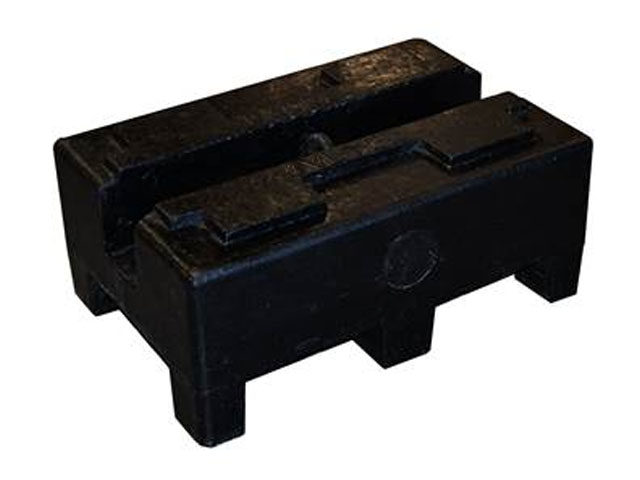
The material composition of industrial cast iron weights is the cornerstone of their utility, with most standard models crafted from gray cast iron, a variant of iron that contains a controlled percentage of carbon and graphite distributed evenly throughout the metal matrix. This specific composition delivers a set of mechanical properties that make it ideal for industrial weight production: high compressive strength, excellent resistance to wear and abrasion, and a stable density that ensures consistent mass distribution across the entire weight. The density of cast iron used for these weights remains uniform within strict parameters, which is critical for maintaining accurate nominal mass values and preventing discrepancies that could disrupt calibration or counterbalance functions. Unlike more brittle metals, gray cast iron has a moderate level of impact resistance, allowing it to withstand accidental drops, bumps, and rough handling that are common in busy industrial spaces without cracking or chipping excessively. Some heavy-duty industrial cast iron weights are produced using ductile cast iron, which undergoes a specialized treatment to modify the graphite structure into spherical formations, enhancing tensile strength and resistance to deformation under heavy load. This variant is preferred for applications involving extreme weight requirements or constant mechanical stress, such as large-scale crane counterweights or industrial press balancing, while gray cast iron remains the go-to choice for standard calibration weights and general-purpose counterbalancing due to its more accessible production process and balanced performance profile.
The manufacturing process of industrial cast iron weights is tailored to prioritize structural integrity, dimensional accuracy, and long-term stability, with each step carefully controlled to eliminate internal flaws that could compromise performance. Production begins with the careful selection and melting of raw iron materials, combined with precise amounts of alloying elements to achieve the desired material composition and density. Molten iron is poured into prefabricated molds, typically made from high-quality sand or metal, that are designed to create the standard shapes used in industrial settings—including cylindrical, rectangular, and lock-style weights, each suited to different handling and application needs. The casting process is carried out at controlled temperatures to ensure even cooling, which prevents the formation of internal voids, porosity, or uneven density that could alter the weight’s actual mass from its nominal value. Once cooled and removed from the molds, the raw castings undergo a series of finishing processes to refine their shape, smooth rough surfaces, and remove any excess material or burrs. This finishing step is crucial not only for ensuring consistent dimensions but also for preventing sharp edges that could pose safety risks during handling. After shaping, most industrial cast iron weights receive a protective surface treatment, such as a durable paint coating or a layer of rust-inhibiting oil, to guard against corrosion and oxidation. This protective layer is especially vital for weights used in outdoor or high-humidity environments, such as construction sites, shipping ports, or marine facilities, where exposure to moisture, salt air, or chemical fumes could cause rusting and gradual mass loss over time. Unlike decorative or lightweight weights, industrial cast iron weights are not designed with excessive aesthetic detailing; every element of their construction serves a functional purpose, from reinforced edges for durability to built-in handles or lifting points for safe and efficient transport by hand or machinery.
One of the most prominent applications of industrial cast iron weights is in the calibration and verification of industrial weighing equipment, a task that is essential for maintaining accuracy in production, inventory management, and commercial trade. Across manufacturing plants, logistics warehouses, agricultural facilities, and shipping ports, a wide range of weighing devices—including floor scales, platform scales, truck scales, crane scales, and conveyor belt scales—rely on these weights to ensure their measurements remain consistent and reliable. Regular calibration with cast iron weights helps correct minor drifts in scale accuracy that occur over time due to regular use, environmental changes, or mechanical wear, ensuring that raw materials are measured correctly for production, finished goods are weighed accurately for inventory, and commercial shipments are weighed fairly for logistics and billing purposes. Unlike smaller, precision weights, industrial cast iron weights are available in a broad range of nominal masses, from a few kilograms for small-scale bench scale calibration to several thousand kilograms for heavy-duty truck and rail scale verification. This wide range of sizes allows technicians to create custom weight combinations to match the full capacity of the weighing equipment being tested, ensuring comprehensive calibration across the entire measurement range. In addition to routine calibration, these weights are also used for periodic equipment testing and quality assurance checks, helping industrial facilities maintain consistent operational standards and avoid costly errors caused by inaccurate weighing.
Beyond calibration, industrial cast iron weights play a critical role as counterweights in a vast array of heavy machinery and mechanical systems, where their primary function is to balance weight distribution, enhance stability, and improve operational safety. This application is widespread across construction, manufacturing, elevator systems, marine, and material handling industries, where unbalanced machinery can pose significant safety hazards, reduce operational efficiency, and accelerate mechanical wear. In construction equipment, such as mobile cranes, excavators, and forklifts, cast iron counterweights are mounted to the rear or base of the machine to offset the weight of heavy loads being lifted, preventing tipping and ensuring smooth, controlled movement during operation. These counterweights are engineered to provide exact mass balance tailored to the machine’s load capacity, allowing operators to handle heavy materials safely and efficiently on job sites. In elevator and lift systems, cast iron counterweights are used to balance the weight of the elevator car and its passengers, reducing the strain on the elevator motor and lowering energy consumption while ensuring smooth and stable vertical movement. This balancing effect not only extends the lifespan of the elevator’s mechanical components but also enhances passenger safety and ride comfort. Industrial manufacturing machinery, such as presses, conveyor systems, and rotating equipment, also uses cast iron weights to counterbalance moving parts, reducing vibration, minimizing wear on bearings and gears, and maintaining consistent operational speed. In marine and shipbuilding applications, these weights are used to stabilize vessels, adjust draft levels, and balance cargo loads, ensuring safe navigation and optimal performance on water. The high density of cast iron makes it particularly well-suited for counterweight applications, as it provides substantial mass in a relatively compact size, allowing for efficient placement within machinery without requiring excessive space.
Industrial cast iron weights are also utilized in specialized testing and research applications within industrial settings, where controlled, consistent mass is required to evaluate the performance, durability, and load-bearing capacity of materials, components, and finished products. Material testing laboratories often use these weights to apply steady, controlled pressure or weight to test samples, such as metals, plastics, concrete, and wood, to assess their strength, flexibility, and resistance to deformation under load. This type of testing is critical for quality control in manufacturing, ensuring that raw materials and finished products meet industry-specific performance standards before being used in production or released to the market. In addition, cast iron weights are used in machinery endurance testing, where repeated exposure to weighted loads simulates long-term operational stress to identify potential weaknesses or failure points in equipment design. These weights are preferred for such testing due to their stable mass and ability to withstand repeated use without significant wear or change in weight, ensuring that test results remain consistent and reliable over multiple trials. Unlike temporary or makeshift weighting materials, such as sandbags or loose materials, cast iron weights provide a fixed, predictable mass that eliminates variability in testing conditions, making them a trusted tool for industrial research and quality assurance teams.
Proper handling and routine maintenance are essential to preserve the performance and extend the service life of industrial cast iron weights, even though they are designed for heavy-duty use. While these weights are highly durable, they are not immune to damage from improper handling, extreme environmental conditions, or neglect. Regular inspection for signs of corrosion, chipping, or deformation is recommended, as any physical damage to the weight can alter its nominal mass and compromise its accuracy for calibration or effectiveness as a counterweight. For weights used in corrosive or high-moisture environments, more frequent maintenance, such as reapplication of protective coating or rust inhibitor, may be necessary to prevent oxidation and material loss. When handling cast iron weights, especially larger and heavier models, proper lifting equipment and safety protocols should be followed to avoid personal injury and prevent accidental dropping or impact that could cause damage. Storing weights in a dry, clean, and stable environment, away from direct exposure to moisture, chemicals, and extreme temperatures, also helps maintain their structural integrity and mass consistency. It is important to avoid modifying or altering cast iron weights, such as drilling, cutting, or adding external materials, as any alteration can disrupt their balanced mass and render them unsuitable for their intended industrial use. With appropriate care and regular maintenance, industrial cast iron weights can maintain their performance and accuracy for many years, providing a reliable and cost-effective solution for long-term industrial use.
The enduring relevance of cast iron weights in modern industrial operations stems from their unique ability to balance performance, durability, and practicality, a combination that few alternative materials can match. While advances in materials science have introduced new alloys and composite materials for specialized applications, cast iron remains the preferred choice for industrial weights due to its proven track record, accessible production, and ability to meet the diverse needs of heavy industry. Unlike more expensive specialty materials, cast iron weights offer a practical solution for businesses seeking reliable performance without excessive investment, making them accessible to facilities of all sizes, from small manufacturing shops to large-scale industrial complexes. Their versatility across calibration, counterbalancing, and testing applications further adds to their value, as a single type of component can serve multiple functions within a single facility, reducing inventory complexity and operational costs. As industrial processes continue to evolve and prioritize efficiency, safety, and consistency, the fundamental role of cast iron weights remains unchanged; they are a quiet but essential part of the infrastructure that keeps industrial operations running smoothly, safely, and accurately. Whether used to calibrate a warehouse scale, balance a construction crane, or test material strength in a factory lab, these weights embody the practical engineering principles that define reliable industrial tooling—focused on function, built to last, and tailored to meet the real-world demands of heavy industry.
In summary, industrial cast iron weights are far more than simple mass components; they are a critical element of industrial safety, quality control, and operational efficiency. Their material properties, thoughtful manufacturing, and wide-ranging applications make them an irreplaceable part of daily operations across nearly every sector of heavy industry. From small-scale manufacturing facilities to large logistics and construction operations, the reliability and durability of cast iron weights ensure that industrial processes remain consistent, safe, and cost-effective. As industry standards continue to evolve and demand for reliable, long-lasting equipment grows, the demand for high-quality industrial cast iron weights remains steady, a testament to their timeless utility and ability to adapt to the changing needs of modern industrial work. Their simple, functional design and focus on practical performance ensure that they will continue to be a staple in industrial settings for years to come, supporting the backbone of global manufacturing, logistics, and heavy industry with consistent, dependable service.
