





Changzhou Veidt Weighing Co., Ltd. © 2022 ALL RIGHTS RESERVED Privacy Policy | Calibration Weight | Test Weights | Cast Iron Weights | Standard Weights | Laboratory Weights | XML | SITEMAP
NEWS LIST
cast iron weight for gym
Saturday 21st March 2026 Back to list
For anyone who steps into a gym regularly, whether they are a casual fitness enthusiast, a dedicated strength trainer, or an athlete working toward specific performance goals, the equipment chosen for training plays a pivotal role in shaping progress, safety, and overall workout quality. Among the wide array of free weights and resistance tools available, cast iron weights stand out as a timeless, reliable option that has remained a cornerstone of gym setups for decades. Unlike newer materials that prioritize softness, noise reduction, or lightweight portability, cast iron brings a unique set of physical and functional traits that align perfectly with the core principles of strength training, progressive overload, and consistent performance. These weights are not just simple pieces of metal; they are carefully crafted tools designed to support steady, sustainable fitness growth, adapt to nearly every style of resistance training, and withstand the demands of daily, heavy use in both compact home gym spaces and busy commercial fitness facilities. What makes cast iron weights so enduring is their uncomplicated, sturdy construction, which avoids unnecessary frills and focuses entirely on delivering consistent resistance and long-lasting durability, two factors that matter most to those who take their training seriously.
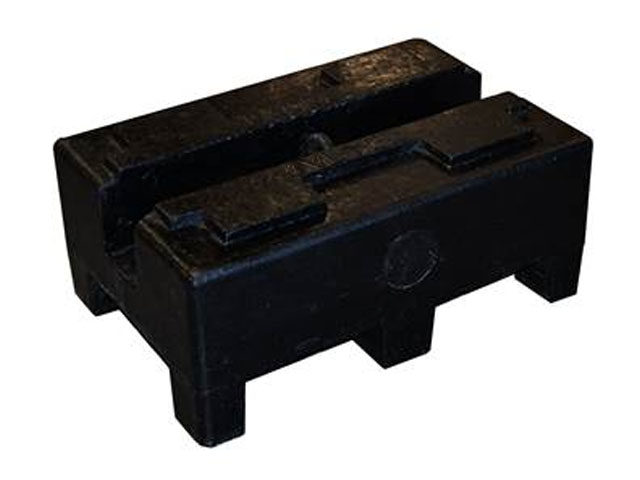
Cast iron weights come in a variety of forms to suit different training needs, from standard weight plates that slide onto barbells for compound lifts to fixed dumbbells, kettlebells, and weight collars that add versatility to isolated and functional movements. Each variant shares the same core material advantage: a dense, solid composition that creates a compact, space-efficient profile compared to weights made from lighter materials like plastic, foam, or even rubber composite. This density means that cast iron weight plates take up far less space on a barbell sleeve, allowing users to load more total weight when pushing for heavier lifts, a key benefit for those focused on building maximal strength or power. For gyms with limited storage space, this compact design is equally valuable, as a full set of cast iron weights can be stored neatly on a weight tree or rack without occupying excessive floor room, keeping the workout area organized and free of clutter. The uniform weight distribution of cast iron is another critical advantage; each plate or dumbbell is engineered to have balanced weight across its structure, eliminating the uneven balance that can throw off form during lifts and increase the risk of strain or injury. This consistent balance remains unchanged over time, unlike some lighter weights that can warp, shift, or lose their structural integrity with repeated use, ensuring that every repetition feels stable and controlled.
One of the most compelling reasons to choose cast iron weights for gym training is their exceptional durability, a quality that sets them apart from many alternative resistance tools. Cast iron is built to handle the wear and tear of frequent, intense use, resisting chips, cracks, and bending that commonly affect plastic or thin rubber weights, even when subjected to accidental drops, rough handling, or repeated loading and unloading from barbells. Unlike coated weights that can peel, fade, or flake off after months of sweat, friction, and exposure to gym cleaning products, cast iron maintains its structural integrity with minimal visible damage, only developing a patina over time that does not impact its performance or weight accuracy. This ruggedness means that a high-quality set of cast iron weights can remain a functional part of a gym setup for years, if not decades, making it a practical long-term choice for both individual home gym owners and commercial gym operators who need equipment that can handle constant use by multiple people. While some softer materials are designed to absorb impact and reduce noise, they often sacrifice longevity and structural stability in the process; cast iron, by contrast, prioritizes resilience, ensuring that the weight remains consistent and reliable session after session, year after year.
In terms of training functionality, cast iron weights offer unmatched versatility, making them suitable for every phase of fitness journey, from beginners learning basic lift form to advanced athletes tackling complex, high-intensity movements. For novice lifters, the steady, predictable resistance of cast iron is ideal for mastering foundational exercises such as squats, deadlifts, bench presses, overhead presses, and rows. These compound movements form the backbone of any effective strength training routine, and the stable, consistent weight of cast iron helps new lifters focus on proper technique without the distraction of unbalanced or flimsy equipment. As users progress and build strength, cast iron weights support progressive overload, a fundamental principle of fitness that involves gradually increasing resistance to challenge muscles and stimulate growth. The wide range of weight increments available in cast iron sets allows for small, manageable increases in load, preventing users from jumping to weights that are too heavy too quickly and reducing the risk of overexertion or injury. For intermediate and advanced lifters, cast iron weights adapt seamlessly to specialized training styles, including powerlifting, bodybuilding, functional fitness, and strongman training, as well as accessory work that targets specific muscle groups like biceps, triceps, shoulders, and core muscles.
Beyond traditional strength training, cast iron weights also enhance functional fitness, a type of training that mimics real-life movements to improve daily mobility, balance, and coordination. Kettlebells made from cast iron, for example, are perfect for dynamic movements like swings, snatches, goblet squats, and Turkish get-ups, which engage multiple muscle groups at once, boost cardiovascular endurance, and build core stability. Fixed cast iron dumbbells are versatile enough for isolated exercises, unilateral training, and even bodyweight supplementation, such as adding resistance to push-ups, lunges, or planks to increase difficulty. Even standard cast iron plates can be used beyond barbell loading; they can serve as makeshift weights for farmer’s carries, plate taps, or balance exercises, adding an extra layer of versatility to any workout routine. This multi-purpose functionality means that cast iron weights eliminate the need for excessive specialized equipment, making them a cost-effective choice for creating a well-rounded gym setup without overspending on single-use tools.
Weight accuracy is another key benefit of cast iron gym weights, a detail that often goes overlooked but is essential for consistent, measurable progress. Each cast iron weight is manufactured to meet precise weight specifications, with minimal deviation from the labeled weight, ensuring that users can track their progress accurately and plan their workouts with confidence. This level of accuracy is especially important for lifters who follow structured training programs that call for specific weight loads, as it eliminates the guesswork and inconsistency that can come from poorly calibrated weights. Unlike some lightweight or hollow weights that may have uneven weight distribution or inaccurate labeling, cast iron’s solid, dense construction ensures that the weight marked on the plate or dumbbell is the exact resistance being used during each lift. This reliability helps users set clear fitness goals, monitor incremental gains, and adjust their training routines as needed, creating a transparent and effective path to progress.
While cast iron weights do have some practical considerations, such as the potential for rust if exposed to moisture and the fact that they can create more noise when dropped compared to rubber-coated weights, these minor drawbacks are easily managed with simple care and gym setup adjustments. To prevent rust, cast iron weights only require basic maintenance: wiping down with a dry cloth after each use to remove sweat and moisture, storing them in a dry, well-ventilated area, and occasionally applying a thin layer of protective oil to the surface if the gym environment is particularly humid. For noise reduction and floor protection, placing rubber mats or lifting platforms under lifting areas minimizes sound and prevents damage to both the weights and the gym floor, creating a safe and comfortable training space. These small steps are minimal compared to the long-term benefits and longevity that cast iron weights provide, making them a small investment in maintaining equipment that will last for years.
Cast iron weights also promote a more intentional, focused lifting experience, which can have a positive impact on training mindset and consistency. The solid, substantial feel of cast iron in the hand or on the barbell creates a tangible connection to the lift, encouraging users to focus on form, control, and muscle engagement rather than rushing through repetitions. Unlike lighter, more forgiving materials, cast iron demands respect and proper technique; careless lifting or poor form is more noticeable with cast iron, which helps users develop discipline and attention to detail in their training. This mindful approach to lifting not only reduces the risk of injury but also deepens the mind-muscle connection, a key component of effective strength and muscle growth. Many experienced lifters and fitness coaches prefer cast iron for this very reason, as it fosters a more deliberate, purposeful workout style that leads to better long-term results.
In commercial gym settings, cast iron weights are a practical and popular choice because they can handle the high volume of daily use by gym members of all skill levels and strengths. From casual users lifting light weights for general fitness to serious athletes pushing heavy loads, cast iron weights hold up without losing performance or structural stability. Their classic, understated design also fits seamlessly into any gym aesthetic, from modern, minimalist fitness centers to more traditional, hardcore gym spaces, without looking out of place. Unlike trendy equipment that may fall out of favor or become obsolete as fitness fads change, cast iron weights are a permanent, essential part of any well-equipped gym, valued by both gym owners and members for their reliability and functionality.
For home gym users, cast iron weights offer the same benefits in a more compact, personal setup. Many people building home gyms prioritize equipment that is durable, versatile, and space-efficient, and cast iron checks all these boxes. A basic set of cast iron plates, a barbell, and a pair of dumbbells can create a complete home gym that supports nearly every type of resistance training, eliminating the need for expensive, bulky machines that take up excessive space. Home gym users can start with a small set of weights and gradually expand their collection as their strength and fitness goals grow, making cast iron a flexible option that adapts to changing needs over time. The longevity of cast iron also means that home gym owners do not have to replace their weights frequently, saving money and reducing waste compared to cheaper, less durable alternatives.
Another often-overlooked advantage of cast iron weights is their environmental footprint, as their long lifespan reduces the need for frequent manufacturing and replacement. Unlike disposable or short-lived fitness equipment that ends up in landfills after a few years of use, cast iron weights can be used for generations, and even when they do reach the end of their usable life, cast iron is fully recyclable, making it a more sustainable choice for eco-conscious fitness enthusiasts. This combination of durability, recyclability, and minimal maintenance aligns with a mindful approach to fitness gear, focusing on quality over quantity and long-term use over quick, disposable solutions.
When comparing cast iron weights to other materials, it becomes clear that their value lies in their simplicity and effectiveness. Rubber-coated weights may be quieter and softer, but they often lack the same density and durability, and their coatings can wear down over time, exposing the inner material to damage. Plastic weights are lightweight and affordable but are prone to cracking, warping, and inaccurate weight distribution, making them unsuitable for serious strength training. Composite materials may offer a mix of traits but often come with a higher price tag and do not match the longevity of cast iron. Cast iron, by contrast, is a straightforward, no-nonsense material that delivers consistent performance, durability, and functionality without unnecessary extras, making it a staple in the fitness industry for good reason.
Training with cast iron weights also encourages a focus on gradual, sustainable progress rather than quick fixes or rapid gains, which aligns with healthy, long-term fitness practices. The incremental weight options available with cast iron allow users to make small, steady increases in resistance, which helps muscles, joints, and connective tissues adapt safely over time. This slow, steady approach reduces the risk of overuse injuries, which are common when lifters rush to add weight before their bodies are ready. Cast iron’s solid resistance also promotes muscle growth and strength gains that are sustainable, rather than temporary, as the consistent load challenges muscles to grow stronger and more resilient with each workout.
In conclusion, cast iron weights remain an indispensable part of gym training for a wide range of reasons, from their unmatched durability and consistent weight accuracy to their exceptional versatility and space-efficient design. They cater to lifters of all skill levels, support every style of resistance training, and stand the test of time even under the most demanding gym conditions. While newer materials and fitness trends come and go, cast iron weights have maintained their place as a trusted tool for building strength, improving fitness, and achieving long-term wellness. Their simple, sturdy construction and focus on functionality make them more than just gym equipment; they are a reliable partner in the journey toward better physical health, helping users stay consistent, focused, and safe through every workout. Whether in a bustling commercial gym or a cozy home setup, cast iron weights continue to prove that the most effective fitness tools are often the ones that prioritize quality, durability, and purpose above all else, supporting countless individuals in reaching their fitness goals one controlled, intentional lift at a time.
