





Changzhou Veidt Weighing Co., Ltd. © 2022 ALL RIGHTS RESERVED Privacy Policy | Calibration Weight | Test Weights | Cast Iron Weights | Standard Weights | Laboratory Weights | XML | SITEMAP
NEWS LIST
cast iron weight for elevator
Saturday 21st March 2026 Back to list
In the complex web of modern vertical transportation systems, elevators stand as indispensable pillars of urban living and commercial operation, connecting floors seamlessly and enabling the smooth flow of people and goods in high-rise residential buildings, office towers, shopping centers, and industrial facilities. While much attention is often paid to the elevator car, control panels, door mechanisms, and motor drive systems, there is a critical, often overlooked component that forms the backbone of reliable and energy-efficient elevator performance: the cast iron weight. These solid, precisely engineered counterweights play a silent but vital role in balancing the entire elevator system, reducing mechanical strain, optimizing energy usage, and upholding long-term operational stability across countless daily trips. Unlike flashy or high-tech visible parts, cast iron elevator weights operate quietly within the elevator shaft, working continuously to maintain equilibrium and ensure that every upward and downward movement is controlled, smooth, and consistent. To fully understand their importance, it is essential to explore their fundamental purpose, manufacturing processes, material properties, practical applications, maintenance requirements, and their unique position in the broader landscape of elevator counterweight options.
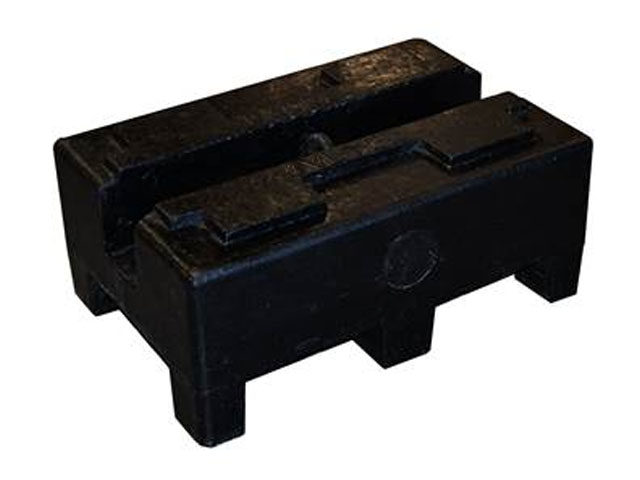
At its core, the primary function of a cast iron elevator weight is to create a balanced mechanical system between the elevator car and the counterweight assembly, a design principle that has stood the test of time in elevator engineering. The basic physics behind this balance is straightforward: the counterweight is calibrated to match a specific percentage of the elevator car’s empty weight plus a portion of its maximum intended load capacity, typically set to offset roughly half of the standard passenger or cargo load the elevator is designed to carry. This careful calibration means that the elevator’s motor and traction system do not have to work excessively to lift the full weight of the car and its contents, nor do they struggle to control rapid downward movement when the car is light or empty. Without this balanced counterweight system, the motor would face extreme, uneven stress during every trip, leading to rapid wear of moving parts, higher energy consumption, and a greater risk of erratic movement or mechanical failure. Cast iron weights excel in this role because of their inherent material density, which allows them to provide substantial mass in a compact, space-efficient form factor—an essential feature in modern elevator shafts where space is often limited, especially in high-rise constructions where shaft dimensions are carefully optimized to maximize usable building space. This high density ensures that engineers can achieve the required counterbalance without sacrificing valuable shaft space or requiring overly large, bulky weight assemblies that could complicate installation and limit design flexibility.
The manufacturing process of cast iron elevator weights is a precise, methodical practice that prioritizes uniformity, structural integrity, and consistent mass distribution, with every step designed to eliminate defects that could compromise performance or safety. It begins with the careful selection and melting of raw iron materials, often blended with controlled proportions of complementary alloys and mineral additives to enhance density, durability, and resistance to wear and environmental damage. The molten iron is heated to extremely high temperatures until it reaches a fully liquid, uniform state, ensuring that all impurities are removed or minimized to prevent weak spots or irregularities in the finished product. Once properly melted and purified, the molten iron is poured into custom-designed, rigid molds that are shaped to meet exact dimensional specifications for different elevator models and shaft configurations. These molds are engineered to create solid, one-piece weight blocks or modular segments, with smooth surfaces, rounded edges, and pre-drilled mounting points that align perfectly with standard counterweight frames. After pouring, the molten iron is left to cool slowly and evenly within the molds, a controlled cooling process that is critical to preventing internal cracking, warping, or uneven density—common flaws that can arise from rapid temperature changes. Once fully cooled and solidified, the cast iron weights are removed from the molds and undergo a series of finishing processes: excess material is trimmed, rough edges are smoothed to eliminate safety hazards during installation and maintenance, and surfaces are treated to enhance resistance to moisture, oxidation, and corrosion, which are common challenges in enclosed elevator shafts that may have fluctuating humidity levels. Each weight is then carefully weighed and inspected to ensure it meets strict mass tolerance standards, with deviations kept within a narrow, acceptable range to maintain the precise balance required for smooth elevator operation. This attention to detail throughout production ensures that every cast iron elevator weight performs consistently, with predictable weight and structural stability over years of continuous use.
When compared to alternative materials used for elevator counterweights, such as concrete, steel plates, or composite materials, cast iron offers a unique combination of advantages that make it a preferred choice for many elevator installations, especially those focused on long-term reliability and low maintenance. Concrete counterweights, while cost-effective in some cases, are bulkier for the same mass, more prone to chipping, cracking, and moisture absorption, and can gradually lose structural integrity over time with repeated mechanical stress. Steel plate counterweights, while durable and precise, often require multiple layered segments to achieve the necessary mass, which can increase the risk of loose components or uneven weight distribution if not secured properly. Composite materials, though lighter and more modern, may lack the same level of long-term wear resistance and density consistency as cast iron, and they can be more susceptible to damage from impact or prolonged exposure to the mild environmental conditions found in elevator shafts. Cast iron, by contrast, offers exceptional structural rigidity and resistance to impact and mechanical wear; it can withstand the constant jostling, vibration, and minor impacts that occur during elevator operation without cracking, breaking, or losing mass. Its dense, solid structure means it does not absorb moisture, so it will not gain weight or degrade over time due to humidity, a common issue in underground or poorly ventilated shafts. Additionally, cast iron has a long operational lifespan, with the ability to perform reliably for decades without significant degradation, reducing the need for frequent replacements and minimizing downtime for elevator maintenance. This longevity not only supports consistent system performance but also contributes to lower long-term operational costs for building owners and property managers, as fewer replacements and repairs are required over the life of the elevator system.
Cast iron elevator weights are designed to adapt to a wide range of elevator types and building environments, making them a versatile solution for both new construction projects and retrofitting or upgrading existing elevator systems. In residential buildings, which typically have lower traffic volumes but require consistent, quiet performance, cast iron weights provide the steady balance needed for smooth, comfortable rides for residents, with minimal vibration or noise transfer between floors. In commercial office towers and high-traffic public buildings, such as shopping malls, hospitals, and transit hubs, where elevators run continuously throughout the day and carry heavy, fluctuating loads, the durability and stable mass of cast iron weights become even more critical. They help absorb the constant mechanical stress of frequent trips, prevent the motor from overworking during peak hours, and maintain a consistent level of performance even under heavy, repetitive use. For industrial elevators designed to carry heavy equipment, tools, or cargo, cast iron weights can be manufactured in larger, heavier segments to match the increased load capacity requirements, providing the robust counterbalance needed to handle the significant weight of industrial loads without compromising safety or efficiency. Even in older buildings with limited shaft space or non-standard elevator configurations, modular cast iron weight segments offer flexibility, as they can be stacked or combined in precise quantities to achieve the exact balance needed, without requiring major modifications to the shaft or counterweight frame. This adaptability ensures that cast iron elevator weights remain a practical choice across the full spectrum of vertical transportation needs, from small, low-rise residential lifts to large, high-speed elevators in skyscrapers.
Proper installation and ongoing maintenance are key to maximizing the performance and lifespan of cast iron elevator weights, and these tasks follow straightforward, industry-standard practices that prioritize safety and system balance. Installation begins with careful alignment of the counterweight frame within the elevator shaft, ensuring it runs parallel to the elevator car’s guide rails to prevent friction or rubbing during movement. The cast iron weights are then loaded into the frame securely, with each segment placed evenly and fastened to prevent shifting, sliding, or movement that could disrupt the weight distribution or cause damage to the shaft or other elevator components. Technicians take precise measurements to confirm that the total mass of the counterweight assembly matches the engineering specifications for the specific elevator model, making minor adjustments as needed to achieve perfect balance. Once installed, cast iron weights require minimal active maintenance, thanks to their durable, low-maintenance material properties. Routine inspections, typically conducted during scheduled elevator maintenance visits, focus on checking for signs of surface corrosion, loose mounting hardware, or physical damage such as chips or cracks—issues that are rare with cast iron but should be addressed promptly if identified. Cleaning the surfaces of the weights to remove dust, debris, or minor moisture buildup is a simple task that helps preserve the protective surface treatment and prevent long-term corrosion. Unlike more fragile counterweight materials, cast iron does not require frequent repairs or replacements, so maintenance efforts are minimal and do not disrupt regular elevator use for extended periods. This ease of maintenance is another key advantage for building operators, as it reduces maintenance time and labor costs while keeping the elevator system in optimal working condition.
Beyond individual performance and durability, cast iron elevator weights also play a role in the overall energy efficiency of elevator systems, a factor that has grown increasingly important in modern sustainable building design. By balancing the load on the elevator’s motor and traction system, cast iron counterweights reduce the amount of electrical power needed to move the elevator car between floors. When the system is properly balanced, the motor only needs to overcome the friction of the guide rails and the difference in weight between the car and the counterweight, rather than lifting the full weight of the car and its passengers or cargo. This reduced workload translates directly to lower energy consumption per trip, which adds up to significant energy savings over months and years of operation, especially for elevators in high-rise buildings that make hundreds of trips daily. Lower energy usage not only reduces utility costs for building owners but also aligns with global efforts to create more sustainable, energy-efficient buildings with smaller carbon footprints. Additionally, the long lifespan of cast iron means that these components do not need to be replaced frequently, reducing the demand for new raw materials and minimizing waste associated with component replacements. Cast iron is also highly recyclable at the end of its long service life, further supporting sustainable practices in the building and vertical transportation industries. This combination of energy efficiency and material sustainability makes cast iron elevator weights a responsible choice for modern construction projects that prioritize both performance and environmental consciousness.
In the context of elevator engineering and design, every component must work in harmony to deliver safe, reliable, and efficient performance, and cast iron elevator weights are a perfect example of how seemingly simple parts can have a profound impact on the entire system. They represent a blend of traditional material science and modern engineering precision, leveraging the natural strengths of cast iron while adhering to strict standards for quality, consistency, and safety. While advances in elevator technology continue to introduce new materials and design innovations, cast iron remains a staple in counterweight systems because it delivers consistent, proven results that meet the rigorous demands of daily elevator operation. It does not rely on complex technology or fragile components to perform its function; instead, it uses the inherent density and durability of cast iron to provide steady, reliable balance year after year. This reliability is especially important in vertical transportation, where safety and consistent performance are non-negotiable, as elevators are responsible for the safe movement of millions of people every day around the world.
Looking ahead, cast iron elevator weights will continue to evolve alongside advancements in manufacturing technology and sustainable material practices, with refinements to production processes that enhance precision, reduce waste, and improve environmental performance without compromising their core strengths. Engineers will continue to optimize the design and dimensions of cast iron weights to fit the increasingly compact and efficient elevator systems used in modern high-rise construction, ensuring they remain compatible with the latest elevator designs and safety standards. As urban populations grow and buildings reach greater heights, the demand for reliable, efficient vertical transportation will only increase, and cast iron elevator weights will remain a critical component in meeting that demand. They serve as a reminder that in complex engineering systems, the most essential components are often those that perform their duties quietly and consistently, without fanfare, but are indispensable to the overall functionality and safety of the entire system. From the smallest residential lift to the tallest skyscraper elevator, cast iron weights continue to play a vital role in keeping vertical transportation moving smoothly, safely, and efficiently, supporting the daily lives of people in cities and communities around the world.
In summary, cast iron elevator weights are far more than just heavy metal blocks; they are a foundational element of modern elevator systems, integrating precise engineering, durable material science, and practical design to deliver balance, efficiency, and longevity. Their unique combination of high density, impact resistance, low maintenance, and adaptability makes them an ideal choice for a wide range of elevator applications, while their contribution to energy efficiency and sustainability adds to their value in modern building design. As vertical transportation continues to evolve, the humble cast iron elevator weight will remain a key component, trusted by engineers, builders, and building operators for its consistent performance and ability to uphold the safety and reliability that elevators must provide. It is a testament to the idea that the most reliable engineering solutions often prioritize stability, durability, and proven performance, and cast iron elevator weights embody these principles fully, serving as a silent yet essential partner in the world of modern vertical mobility.
