





Changzhou Veidt Weighing Co., Ltd. © 2022 ALL RIGHTS RESERVED Privacy Policy | Calibration Weight | Test Weights | Cast Iron Weights | Standard Weights | Laboratory Weights | XML | SITEMAP
NEWS LIST
cast iron weight for crane
Saturday 21st March 2026 Back to list
In the complex ecosystem of heavy lifting machinery, cranes stand as indispensable workhorses across construction sites, port terminals, manufacturing facilities, and infrastructure projects. These machines are designed to handle massive loads, move heavy materials vertically and horizontally, and support a wide range of industrial and commercial operations that rely on precise, reliable lifting power. At the heart of every crane’s ability to operate safely and maintain balance under varying load conditions lies a seemingly simple yet critically important component: the cast iron weight. Often referred to as a counterweight or ballast weight, this solid cast iron structure is not merely an additional mass attached to the crane; it is a foundational element that shapes the machine’s stability, load-bearing capacity, and overall operational efficiency. Without properly engineered and manufactured cast iron weights, cranes would face severe limitations in their lifting capabilities, and the risk of structural failure, tipping, or operational accidents would rise dramatically, disrupting work flows and endangering both personnel and equipment.
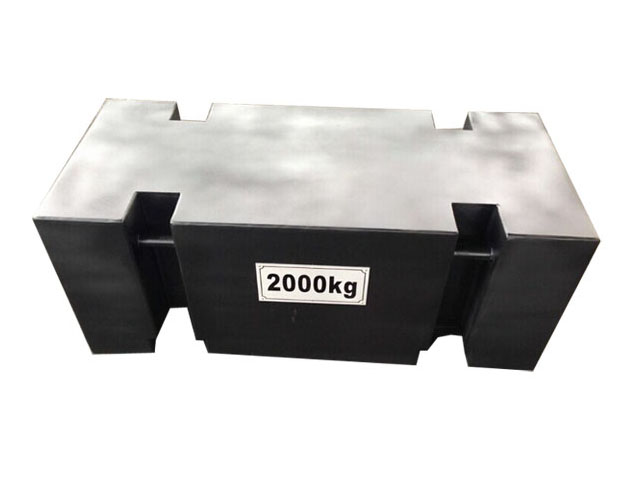
To understand the significance of cast iron weights for cranes, it is first essential to grasp the basic physical principle that governs their function: torque and moment balance. A crane operates by extending a boom or jib outward from its main structure, with a load suspended from the end of this boom. This creates an uneven distribution of weight, with the loaded boom generating a significant tipping moment that pulls the crane toward the side of the load. The cast iron weight acts as a counteracting force, positioned on the opposite side of the crane’s central pivot or support structure, creating a reverse moment that offsets the load-induced torque. For a crane to remain stable during lifting, lowering, and slewing movements, the moment generated by the counterweight must match and balance the moment generated by the suspended load, accounting for variables such as boom length, load radius, and the weight of the boom itself. This balance is not static; it adapts to different operating scenarios, from light loads at short radii to heavy loads at extended reaches, and cast iron weights are engineered to provide consistent, predictable mass to maintain this equilibrium across a wide spectrum of working conditions. Unlike temporary or makeshift balancing materials, cast iron weights offer a fixed, dense mass that does not shift, compress, or degrade during use, ensuring that the moment balance remains reliable even during prolonged, repetitive lifting cycles.
The choice of cast iron as the primary material for crane weights is rooted in a unique combination of physical and mechanical properties that make it ideally suited for this demanding application. Cast iron is a ferrous alloy with a high density, typically ranging from 7.0 to 7.3 grams per cubic centimeter, which allows it to deliver substantial mass in a relatively compact volume. This high density is crucial for cranes, as it enables engineers to design counterweights that provide the necessary balancing force without taking up excessive space on the crane’s structure, preserving maneuverability and reducing overall machine bulk. Beyond density, cast iron exhibits excellent compressive strength, meaning it can withstand constant downward pressure and the dynamic stresses generated by crane movements, including sudden starts, stops, and wind-induced vibrations. It also has good resistance to wear and abrasion, standing up to the friction and impact that occur during transportation, installation, and routine handling on job sites. Another key advantage of cast iron is its castability; it can be easily melted and poured into custom molds to create weights of specific shapes, sizes, and weights, tailored to the exact specifications of different crane models. This malleability in the casting process allows for the production of modular weights, interlocking blocks, and weights with integrated lifting points or mounting fixtures, enhancing versatility and ease of installation. While other materials such as concrete or steel are sometimes used for crane ballast, cast iron strikes a balanced middle ground: it is more durable and space-efficient than concrete, which has a much lower density and requires larger volumes to achieve the same mass, and more cost-effective to produce in custom configurations than solid steel, which often involves more complex fabrication processes. Cast iron also maintains its structural integrity over long periods, resisting warping, cracking, or deformation under the heavy, consistent loads that crane counterweights endure daily.
Cast iron weights for cranes are not one-size-fits-all components; they are meticulously designed to align with the specific requirements of each crane type and its intended use cases. Different crane categories, including tower cranes, mobile cranes, overhead cranes, gantry cranes, and port cranes, each have unique structural layouts and load profiles, necessitating counterweights of varying sizes, shapes, and total mass. Tower cranes, commonly used on high-rise construction sites, feature a long horizontal jib and a vertical tower structure, requiring heavy, flat cast iron counterweight blocks that are stacked along the rear of the jib to balance the load at the front. These counterweights are often modular, allowing workers to add or remove individual blocks to adjust the total balancing mass based on the height of the lift and the weight of the materials being handled. Mobile cranes, which are designed for on-the-go transportation and flexible job site use, typically have cast iron weights mounted on the crane’s chassis or counterweight boom, with the ability to extend or reposition the weight assembly to adapt to different load radii. Overhead cranes, used inside manufacturing plants and warehouses, require more compact cast iron weights that fit within the limited overhead space, providing precise balance for the horizontal bridge and hoist assembly. Port cranes, which handle shipping containers and heavy cargo at docks and terminals, operate in harsh, outdoor environments with constant exposure to saltwater, wind, and heavy loads, so their cast iron weights are designed with additional structural robustness to withstand these harsh conditions while delivering maximum balancing force. In all cases, the design process involves detailed engineering calculations to determine the exact mass required, the optimal placement of the weights, and the structural attachments needed to secure them firmly to the crane frame, preventing movement or dislodgement during operation.
The manufacturing process of cast iron weights for cranes is a precise, multi-stage procedure that prioritizes consistency, structural integrity, and adherence to dimensional and weight specifications. It begins with the selection of high-quality raw cast iron material, which is melted in industrial furnaces at extremely high temperatures to achieve a uniform, liquid state free of impurities that could weaken the final product. Foundry technicians then prepare custom-made molds, typically crafted from sand or other refractory materials, that are shaped to the exact dimensions and weight requirements of the target counterweight. These molds are designed with precision to ensure that the finished weight has smooth surfaces, consistent thickness, and accurate weight distribution, with integrated features such as lifting holes, notches, or mounting brackets if required. The molten cast iron is carefully poured into the molds, taking care to avoid air bubbles or uneven filling that could create weak spots or weight inconsistencies. Once poured, the cast iron is left to cool and solidify slowly within the mold, a process known as annealing, which helps relieve internal stresses and enhance the material’s strength and durability. After cooling, the rough castings are removed from the molds and undergo a series of finishing processes, including sandblasting to remove excess mold material and create a smooth, clean surface, and machining to refine dimensions, smooth edges, and ensure the exact weight tolerance. Some cast iron weights also receive protective surface treatments, such as paint coatings or rust inhibitors, to guard against corrosion, especially for cranes that operate in humid, coastal, or outdoor environments where moisture and oxidation are common concerns. Each finished weight is then thoroughly inspected and weighed to verify that it meets the specified mass requirements, with strict quality checks to identify any cracks, voids, or structural defects that could compromise performance. This rigorous manufacturing process ensures that every cast iron crane weight is consistent, reliable, and capable of performing its critical balancing role over years of heavy use.
In practical operation, cast iron weights contribute to several key aspects of crane performance beyond basic stability. First and foremost, they enhance operational safety by eliminating the risk of tipping or overturning, one of the most hazardous failures associated with cranes. By maintaining proper moment balance, these weights allow crane operators to focus on precise load handling without worrying about structural instability, even when working at maximum load capacity or extended boom lengths. This stability also protects the crane’s structural components, including the boom, mast, hydraulic systems, and support frames, from excessive stress and strain. When a crane is unbalanced, its structural parts are subjected to uneven forces that can accelerate wear, cause fatigue cracking, and shorten the overall service life of the machine. Cast iron counterweights distribute these forces evenly across the crane’s structure, reducing mechanical stress and minimizing the need for frequent repairs and component replacements. Additionally, balanced crane operation improves energy efficiency, as the machine does not have to work harder to compensate for uneven weight distribution. A well-balanced crane consumes less power during lifting and slewing movements, reducing operational costs and environmental impact over time. Cast iron weights also support greater lifting flexibility; with the right counterweight configuration, cranes can handle a wider range of load sizes and reach longer distances, making them more versatile for different job site tasks. This versatility is especially valuable in construction and infrastructure projects, where load requirements can change frequently, from lifting steel beams and concrete blocks to installing prefabricated building components and heavy machinery.
Proper maintenance and handling of cast iron crane weights are essential to preserve their functionality and extend their service life, as well as to maintain ongoing crane safety. While cast iron is a durable material, regular inspections are necessary to identify signs of wear, corrosion, or structural damage. Operators and maintenance teams should routinely check the surface of the weights for rust, cracks, or chipping, particularly in areas where the protective coating may have worn away. Small areas of rust can be cleaned and re-coated to prevent further oxidation, while any signs of cracking or structural damage require immediate attention, as damaged weights can compromise balance and safety. It is also important to inspect the mounting and fastening systems that secure the cast iron weights to the crane frame, ensuring that bolts, brackets, and locking mechanisms are tight and secure. Loose counterweights can shift during crane movement, disrupting the moment balance and creating a serious safety hazard. During transportation and installation, cast iron weights should be handled carefully using appropriate lifting equipment to avoid dropping or impact damage, which can cause hidden cracks that may not be visible immediately but can worsen over time. Modular cast iron weight systems should be stacked and secured according to the crane manufacturer’s guidelines, with proper alignment to prevent uneven weight distribution. In outdoor or harsh environments, additional protective measures, such as regular cleaning to remove dirt, debris, or salt residue, can help prolong the life of the protective coating and prevent corrosion. Unlike consumable parts that need frequent replacement, well-maintained cast iron weights can last for the entire service life of the crane, making them a long-term, cost-effective investment in reliable crane operation.
The role of cast iron weights for cranes extends beyond individual machine performance to impact entire job sites and industrial operations. In construction, where cranes are central to building high-rises, bridges, roads, and other critical infrastructure, reliable counterweights ensure that projects stay on schedule by minimizing downtime due to equipment issues or safety concerns. Delays caused by crane instability or component failure can lead to costly project overruns and disrupt supply chains, making the dependability of cast iron weights a key factor in project efficiency. In port and logistics operations, where cranes handle millions of tons of cargo each year, consistent and stable lifting performance is essential to keep shipping routes and supply chains moving smoothly. Cast iron weights enable port cranes to operate efficiently around the clock, handling heavy containers with precision and reducing the risk of cargo damage or accidents. In manufacturing and industrial facilities, overhead cranes rely on compact cast iron counterweights to move raw materials and finished products safely within production lines, supporting seamless manufacturing processes and workplace safety. Even in smaller-scale operations, such as equipment maintenance or heavy machinery installation, cranes equipped with properly sized cast iron weights provide the stability needed to handle specialized loads safely and accurately.
As industrial and construction practices continue to evolve, the design and production of cast iron crane weights have also adapted to meet new demands. Modern engineering techniques allow for more precise weight calculation and custom molding, creating counterweights that are optimized for specific crane models and operating conditions, reducing excess material usage while maximizing balancing efficiency. Advances in casting technology have also improved the consistency and quality of finished weights, with tighter weight tolerances and enhanced structural uniformity. Sustainability has also become a consideration in cast iron weight production, with foundries implementing more efficient melting processes and recycling scrap cast iron to reduce waste and environmental impact. Despite these advancements, the core purpose of cast iron crane weights remains unchanged: to provide reliable, consistent, and durable balancing force that keeps cranes stable and operational. Unlike many high-tech components that require frequent updates or replacements, cast iron weights are a timeless, proven solution that has stood the test of time in the heavy lifting industry, valued for their simplicity, effectiveness, and long-term reliability.
In conclusion, cast iron weights are far more than passive metal blocks attached to cranes; they are a critical, irreplaceable component that underpins the safety, stability, and efficiency of all crane operations. Their unique material properties, precise engineering, and robust manufacturing make them uniquely suited to handle the demanding conditions of heavy lifting, providing consistent balancing force that protects both personnel and equipment. From towering tower cranes on construction sites to mobile cranes navigating job sites and overhead cranes in manufacturing plants, cast iron weights play a silent but essential role in keeping industrial and infrastructure projects moving forward. Proper design, manufacturing, installation, and maintenance of these weights ensure that cranes can operate at their full potential, safely handling heavy loads and supporting the countless industries that rely on lifting machinery. As the demand for heavy lifting continues to grow with global infrastructure development and industrial expansion, cast iron weights will remain a foundational element of crane technology, a testament to the power of simple, well-engineered solutions in complex industrial applications. Their enduring relevance lies in their ability to deliver reliable performance year after year, making them an indispensable part of the modern heavy lifting landscape.
