





Changzhou Veidt Weighing Co., Ltd. © 2022 ALL RIGHTS RESERVED Privacy Policy | Calibration Weight | Test Weights | Cast Iron Weights | Standard Weights | Laboratory Weights | XML | SITEMAP
NEWS LIST
cast iron weight for counterweight
Saturday 21st March 2026 Back to list
In the vast landscape of industrial and mechanical engineering, the role of counterweights often goes unnoticed, yet these unassuming components serve as a foundational element for stability, balance, and efficient operation across countless systems. Among the various materials used to craft counterweights, cast iron stands out as a time-tested, reliable choice that has maintained its relevance through decades of technological advancement. Cast iron weights designed for counterweight purposes combine unique material properties, versatile manufacturing flexibility, and long-term durability, making them suitable for everything from heavy construction machinery to precision vertical transport systems and agricultural equipment. Unlike lightweight or low-density alternatives, cast iron delivers a high mass-to-volume ratio, which is the core reason it remains a staple in applications where space is limited but substantial weight is required to offset dynamic loads and prevent instability. Every aspect of cast iron counterweights, from their material composition to their production and real-world use, is tailored to meet the rigorous demands of continuous, heavy-duty operation, addressing both functional needs and practical concerns like longevity and maintenance.
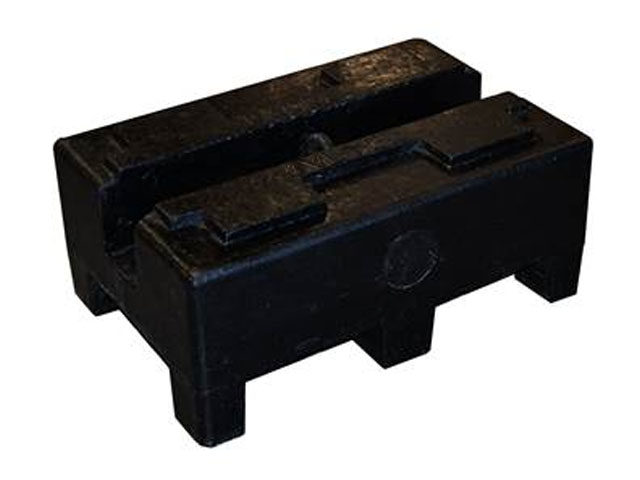
To understand the value of cast iron counterweights, it is essential to first examine the inherent material properties that set cast iron apart from other common counterweight materials such as concrete, steel alloys, or composite materials. Cast iron boasts a high density, typically far greater than that of standard concrete, meaning it can provide the necessary balancing weight in a far more compact form factor. This compactness is a critical advantage in equipment design, as it allows engineers to optimize space usage without compromising on the weight required for proper balance. In machinery where every inch of space matters, such as compact lifting equipment or narrow elevator shafts, this density advantage eliminates the need for oversized counterweight assemblies that would add unnecessary bulk and limit maneuverability. Additionally, cast iron exhibits strong compressive strength and excellent impact resistance, able to withstand repeated stress, vibration, and minor physical impacts without cracking, warping, or deteriorating quickly. Unlike concrete, which can develop cracks under cyclic loading or sudden jolts, cast iron maintains its structural integrity over extended periods of use, even in harsh working environments with constant movement and variable loads. It also has natural vibration-dampening properties, which help reduce excess movement and noise in mechanical systems, creating smoother operation and less strain on connected components.
The manufacturing process of cast iron counterweights is another key factor that contributes to their widespread use, as it allows for high customization and consistent quality without excessive complexity. Most cast iron counterweights are produced using sand casting, a traditional yet highly effective method that has been refined for modern industrial standards. This process involves creating a mold from compacted sand that matches the exact shape and dimensions required for the specific application, then pouring molten cast iron into the mold and allowing it to cool and solidify into the desired weight form. Sand casting is highly adaptable, enabling the production of counterweights in a wide range of shapes, sizes, and weight specifications—from small, precision weights for light industrial machinery to large, heavy blocks for construction cranes and mining equipment. The mold can be tailored to include mounting holes, notches, or custom contours that align perfectly with the equipment’s frame, ensuring a secure and precise fit during installation. After casting, the counterweights undergo finishing processes to smooth rough edges, remove excess material, and apply protective surface treatments. These treatments, such as specialized coatings or paint, are designed to enhance resistance to moisture, oxidation, and corrosion, particularly important for counterweights used outdoors, in humid conditions, or in marine and coastal environments where exposure to the elements could accelerate wear. The manufacturing process is also well-suited for large-scale production, allowing for consistent weight distribution across multiple units, which is vital for applications where uniform balance is non-negotiable.
Cast iron counterweights find indispensable use across a diverse array of industries, each relying on their unique properties to solve specific balance and stability challenges. One of the most prominent applications is in heavy construction and earth-moving machinery, including cranes, excavators, forklifts, and loaders. In these machines, the counterweight is typically positioned opposite the lifting or digging mechanism to offset the weight of heavy loads, preventing the equipment from tipping forward or becoming unbalanced during operation. For example, a forklift lifting heavy pallets relies on a cast iron counterweight at the rear to maintain equilibrium, allowing the operator to maneuver safely even with maximum load capacity. Cranes, whether mobile or fixed, use large, stacked cast iron counterweights to balance the weight of the boom and lifted materials, especially when operating at extended reaches or on uneven terrain. Without these precisely calibrated cast iron weights, such machinery would be unstable, unsafe, and unable to perform its intended function effectively. In the construction industry, where downtime and safety risks carry significant consequences, the reliability of cast iron counterweights directly impacts operational efficiency and worker safety.
Another major application is in vertical transport systems, most notably elevators in residential, commercial, and industrial buildings. Elevator counterweights are engineered to balance the weight of the elevator car and a portion of the maximum passenger or cargo load, reducing the strain on the elevator motor and significantly improving energy efficiency. By offsetting most of the car’s weight, the counterweight allows the motor to use far less power to move the car up and down, lowering energy consumption and extending the lifespan of the entire elevator system. Cast iron is ideal for this application due to its compact size, consistent weight, and ability to fit within the narrow elevator shaft space. These counterweights are often manufactured to strict weight tolerances to ensure smooth, stable movement of the elevator car, eliminating jolts or uneven motion that would disrupt passenger comfort. Beyond elevators, cast iron counterweights are also used in other lifting and hoisting systems, such as material lifts, dumbwaiters, and industrial winches, where balanced movement and reduced motor load are key priorities.
The agricultural sector also relies heavily on cast iron counterweights to enhance the performance and stability of farming equipment, such as tractors, harvesters, and specialized attachments. Tractors, especially those used for heavy plowing, tilling, or pulling large implements, often require additional weight on the front or rear axles to improve traction, prevent wheel slippage, and balance the weight of attached tools. Cast iron counterweights are preferred here because they are durable enough to withstand the rough, outdoor conditions of farm work, including exposure to dirt, mud, and uneven terrain, and can be easily added or removed to adjust to different tasks. Their solid construction resists damage from rocks, debris, and repeated use, making them a cost-effective choice for farmers who need reliable equipment that can hold up to daily wear. Additionally, cast iron counterweights are used in stationary agricultural systems, such as grain elevators and irrigation equipment, to balance moving parts and ensure consistent operation.
Beyond these core industries, cast iron counterweights have a wide range of specialized uses in smaller-scale applications, including industrial machinery, gym equipment, marine vessels, and even theatrical stage rigging. In industrial machinery, they help balance rotating shafts, reduce vibration in manufacturing equipment, and stabilize heavy workstations. In gym equipment, they provide consistent, reliable weight resistance for strength-training machines, offering a smooth and controlled motion during workouts. On marine vessels, cast iron counterweights help stabilize smaller boats and ships, offsetting top-heavy equipment and improving balance in choppy water conditions. In stage rigging, they are used to balance curtains, lighting rigs, and stage props, ensuring smooth and safe movement during performances. This versatility across so many different sectors highlights the universal need for reliable, high-density counterweights and the enduring suitability of cast iron for this role.
When comparing cast iron counterweights to alternative materials, several practical advantages become clear, solidifying their position as a top choice for most balancing applications. As mentioned earlier, the high density of cast iron means a smaller footprint, which is a major advantage in space-constrained designs. Concrete counterweights, while lower in initial material cost, require a much larger volume to achieve the same weight, leading to bulkier designs that can limit equipment functionality. Steel counterweights, while strong, are often more expensive to produce and shape into custom forms, and they do not offer the same vibration-dampening benefits as cast iron. Composite materials may be lightweight but lack the durability and weight consistency needed for heavy-duty applications. Cast iron also offers superior long-term value: it is highly resistant to wear and tear, requires minimal maintenance beyond periodic checks of protective coatings, and can be recycled and repurposed at the end of its lifespan, making it an environmentally sustainable choice. Unlike some materials that degrade irreparably over time, cast iron can be melted down and recast into new counterweights or other metal components, reducing waste and conserving natural resources.
Proper selection and installation of cast iron counterweights are essential to maximizing their effectiveness and lifespan, and there are several key factors to consider when choosing the right weight for a specific application. First and foremost is the required weight capacity: the counterweight must be precisely calibrated to offset the intended load, as too little weight will lead to instability, while too much weight can put unnecessary strain on equipment and reduce efficiency. Engineers calculate the exact weight needed based on the equipment’s design, load capacity, and operating conditions, ensuring perfect balance. The shape and mounting style are also important; the counterweight must fit seamlessly into the equipment’s frame, with secure attachment points to prevent shifting or movement during operation. For outdoor or harsh environment use, selecting a counterweight with a durable, corrosion-resistant coating is critical to prevent rust and extend lifespan. Regular inspection and maintenance, such as checking for coating damage or signs of wear, can further prolong the life of the counterweight and ensure continued safe operation. While cast iron is highly durable, taking these simple steps helps avoid potential issues and maintains optimal performance over years of use.
In an era where industrial design is increasingly focused on efficiency, sustainability, and reliability, cast iron counterweights continue to evolve to meet modern demands. Manufacturers are refining casting techniques to improve weight precision, reduce material waste, and enhance surface finish, while also developing more eco-friendly protective coatings that offer better corrosion resistance without harming the environment. The shift toward sustainable manufacturing practices has also highlighted the recyclability of cast iron, making it a preferred choice for companies looking to reduce their carbon footprint and adopt more circular economy principles. Unlike materials that rely heavily on virgin resources, cast iron counterweights can be produced using a high percentage of recycled metal, without sacrificing any of their key properties. This combination of performance, sustainability, and cost-effectiveness ensures that cast iron will remain a leading material for counterweight applications for years to come.
Often overlooked as a simple, functional component, the cast iron counterweight plays a vital role in keeping the modern world running smoothly. From the cranes that build our cities and the elevators that move us through tall buildings to the tractors that support agriculture and the machinery that drives manufacturing, these heavy, solid weights provide the balance and stability that makes complex mechanical systems possible. Their enduring popularity stems from a unique blend of material properties, manufacturing flexibility, and long-term value that few other materials can match. Unlike fleeting material trends, cast iron has proven its worth through centuries of use, adapting to new technologies and new applications while retaining its core strengths. As industries continue to push for greater efficiency, safety, and sustainability, the humble cast iron counterweight will remain an essential, irreplaceable part of mechanical and industrial design, quietly supporting every operation that relies on perfect balance and steady performance.
