





Changzhou Veidt Weighing Co., Ltd. © 2022 ALL RIGHTS RESERVED Privacy Policy | Calibration Weight | Test Weights | Cast Iron Weights | Standard Weights | Laboratory Weights | XML | SITEMAP
NEWS LIST
cast iron weight for balance scale
Saturday 21st March 2026 Back to list
In the vast landscape of tools that have shaped human trade, craftsmanship, and daily life, few objects carry the quiet reliability and historical weight of cast iron weights designed for balance scales. These unassuming, solid pieces of metal have stood as silent guardians of accuracy for centuries, bridging ancient marketplaces and modern workshops, rural homesteads and industrial settings alike. Unlike fragile or short-lived measuring tools, cast iron balance weights endure through years of use, their dense composition and sturdy build making them a staple in any setting where consistent, unchanging mass is required to gauge the weight of goods, materials, or ingredients. They are not flashy or ornate in most cases, yet their role in maintaining fairness, consistency, and order in countless human interactions cannot be overstated. To understand the cast iron balance weight is to understand a fundamental piece of human ingenuity—one that prioritizes function, durability, and precision above all else, adapting to changing eras while retaining its core purpose.
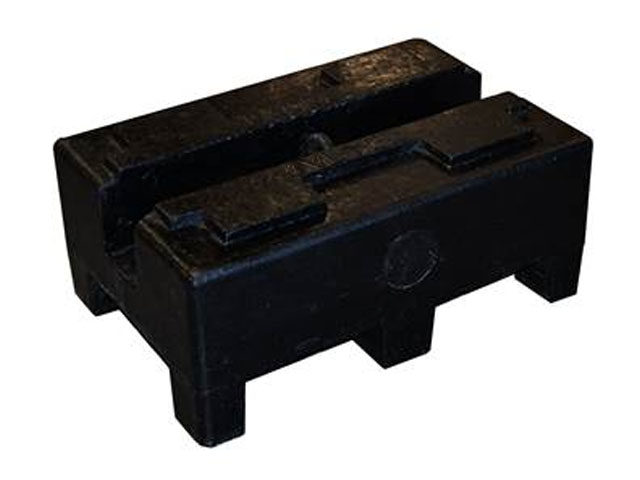
The story of cast iron as a material for balance weights begins long before modern manufacturing techniques, rooted in the early mastery of metalworking that allowed civilizations to create dense, stable objects for measuring mass. Long before standardized systems of measurement were widely adopted, ancient communities relied on simple balance scales to trade goods, with weights made from stone, ceramic, or basic metals serving as the reference points. As ironworking advanced, particularly with the development of cast iron, craftspeople recognized that this material offered unparalleled advantages for weight-making. Cast iron is an alloy of iron, carbon, and silicon, formed by melting iron ore and pouring the molten metal into pre-shaped molds, a process that allows for consistent density and uniform mass distribution across each finished piece. This density is critical for balance weights, as it ensures that each weight holds a fixed, unchanging mass over time, unaffected by minor dents, scratches, or regular handling that might alter the weight of lighter, softer metals. Unlike materials that can warp, corrode quickly, or lose mass with wear, cast iron’s inherent stability makes it ideal for a tool that demands absolute consistency—one that must remain reliable day after day, year after year, across countless weigh-ins.
The historical evolution of cast iron balance weights mirrors the growth of global trade and local commerce alike. In ancient marketplaces, from the bustling streets of Asian trading hubs to the village squares of Europe, merchants relied on handcrafted cast iron weights to ensure fair exchanges of grain, spices, textiles, and precious goods. These early weights were often simple in shape—round, square, or hexagonal, with a small loop or handle for easy handling and placement on the balance scale beam. Each weight was carefully calibrated by skilled metalworkers, who tested and adjusted the molten iron during casting to match the local measurement standards of the region. There were no universal standards in these early times, so each community’s weights reflected its own system of trade, yet the use of cast iron remained consistent because of its practical benefits. As trade routes expanded and civilizations began to align on more uniform measurement systems, cast iron weights evolved in design to fit these new standards, but their core construction and purpose stayed the same. They became a symbol of trust in commerce; a merchant using well-crafted cast iron weights signaled to customers that transactions were fair and transparent, a value that remains central to trade even in modern times.
Crafting a cast iron balance weight is a process that blends traditional craftsmanship with careful attention to detail, a practice that has been refined over generations but still honors the basic principles of casting. The process starts with the creation of a mold, typically made from sand or metal, shaped to the exact dimensions and weight specification desired. The mold must be perfectly formed to ensure that the molten cast iron fills every corner evenly, preventing air bubbles or uneven density that could throw off the weight’s accuracy. Once the mold is prepared, iron is heated to extremely high temperatures until it becomes a liquid, ready for casting. The molten metal is poured slowly and steadily into the mold, allowing it to cool and harden gradually—a slow cooling process is key to creating a dense, solid weight with no internal weaknesses. After the metal has fully cooled, the weight is removed from the mold, and any rough edges or excess material are smoothed and finished by hand or with basic tools. Skilled craftspeople then calibrate each weight individually, comparing it to a reference standard to ensure that it holds the exact mass intended. This calibration step is vital, as even a small discrepancy in mass can lead to inaccurate measurements on a balance scale, affecting everything from small household ingredient measurements to large-scale commercial transactions. Some weights are given a protective finish to guard against surface rust, a natural occurrence with iron that does not impact the internal mass but can affect the weight’s appearance and longevity with prolonged exposure to moisture. This finish is subtle, designed to protect the metal without adding any extra mass that would alter the weight’s precision.
Cast iron balance weights come in a wide range of sizes and shapes, each tailored to specific uses and measurement needs, making them versatile tools for nearly any setting that requires manual weighing. Smaller weights, often compact and lightweight, are designed for use in household kitchens, small craft workshops, or apothecaries, where measuring small quantities of ingredients, herbs, or materials is essential. These smaller pieces are easy to handle, fit neatly on smaller balance scales, and provide precise measurements for tasks that demand attention to detail. Larger, heavier cast iron weights are built for commercial use—grain markets, feed stores, hardware suppliers, and industrial workshops where bulk materials are weighed regularly. These larger weights are sturdier, with thicker walls and more robust handles to withstand frequent use and the weight of heavy loads on the balance scale. Common shapes include cylindrical, square, rectangular, and hexagonal, with some featuring a raised center or a loop on top for easy lifting and placement. The shape of each weight is not just for practicality; it also helps prevent rolling on the scale beam, ensuring that the weight sits evenly and does not shift during measurement, which could disrupt the balance and lead to incorrect readings. No matter the size or shape, every cast iron balance weight shares the same core trait: a fixed, unchanging mass that users can rely on for consistent results every time.
One of the most notable advantages of cast iron balance weights is their exceptional durability and longevity, a quality that sets them apart from many modern plastic or lightweight metal alternatives. A well-made cast iron weight can last for decades, even generations, with minimal maintenance. Unlike plastic weights that can crack, warp, or become brittle with age, or aluminum weights that can bend or lose mass over time, cast iron is resistant to most forms of physical damage that would render a measuring tool useless. Minor scratches or small surface dents do not affect the internal mass of the weight, so even with regular, heavy use, it remains accurate. Basic maintenance is simple: keeping the weight dry and wiping away moisture to prevent excessive surface rust is enough to preserve its condition for years. Many families and small businesses pass down cast iron balance weights from one generation to the next, turning a simple tool into a small piece of family or business history. These vintage weights still function perfectly, a testament to the quality of traditional casting and the timeless nature of the design. In a world where many products are built to be replaced quickly, cast iron balance weights stand as a reminder of durable, sustainable craftsmanship—tools that are made to last, reducing waste and reliance on frequent replacements.
The practical applications of cast iron balance weights extend far beyond traditional marketplaces, touching nearly every aspect of manual and semi-manual weighing across different industries and daily life. In agricultural settings, farmers use these weights to measure crops, feed, and seeds, ensuring that they get fair value when selling their goods and accurate portions when caring for livestock. Small-scale artisans and crafters rely on them to measure raw materials like metals, clay, or dyes, maintaining consistency in their work and producing high-quality, uniform products. In home kitchens, particularly those that prioritize traditional cooking methods or homemade goods, cast iron weights are used to measure flour, sugar, and other dry ingredients with precision, avoiding the inaccuracies that can come from volume-based measuring tools. For hobbyists, such as those who work with small machinery, jewelry making, or model building, these weights provide the exact measurements needed for delicate projects where even a small difference in mass can impact the final result. In industrial settings, they are used for quality control, checking the weight of small parts or materials to ensure they meet production standards. Even in an age of digital scales and electronic measuring devices, cast iron balance weights remain in use because they do not require power, batteries, or calibration adjustments beyond their initial setup. They work in any environment, from dusty workshops to humid kitchens, without failing, making them a reliable backup or primary tool for those who value simplicity and independence from electronic equipment.
Beyond their practical uses, cast iron balance weights hold a quiet cultural and historical significance, representing the human drive for fairness, precision, and order in daily life. For centuries, they have been a symbol of equity in trade—ensuring that both buyers and sellers are treated fairly, with no room for manipulation or dishonesty. In many cultures, the balance scale itself is a symbol of justice, and the cast iron weights that make it function are the unsung foundation of that symbolism. They represent a time when craftsmanship was valued, when tools were made with care and intended to serve a lifetime of use. Vintage cast iron weights are often collected by enthusiasts, not just for their functionality but for their connection to a bygone era of handcrafted goods and local commerce. Each scratch, patina, and minor imperfection on a vintage weight tells a story of its use—of the goods it weighed, the hands that held it, and the transactions it facilitated. These objects connect us to the past, reminding us of the simple yet essential tools that built communities and sustained trade long before modern technology took over.
In the modern world, where technology continues to advance and digital measuring tools become more prevalent, cast iron balance weights have not become obsolete; instead, they have found a new place as a reliable, timeless alternative to electronic equipment. Many people choose to use cast iron weights alongside digital scales, valuing the tactile, hands-on nature of manual weighing and the peace of mind that comes with a tool that cannot malfunction due to power outages, dead batteries, or electronic glitches. They are also favored in settings where portability and lack of power access are important, such as outdoor markets, remote workshops, or rural areas with limited electricity. Additionally, the sustainable nature of cast iron aligns with modern values of reducing waste and choosing long-lasting products over disposable ones. Unlike plastic or lightweight metal tools that end up in landfills after a short period of use, cast iron weights can be recycled or repurposed if they are no longer used for their original purpose, further adding to their appeal as an eco-friendly choice.
Caring for a cast iron balance weight is straightforward, requiring only basic attention to preserve its accuracy and appearance. The primary concern with cast iron is preventing excessive rust, which can be done by storing the weight in a dry, cool place when not in use. If surface rust does appear, it can be gently removed with a fine abrasive cloth, followed by a light coating of food-safe oil or protective wax to seal the metal and prevent future rust formation. It is important to avoid using harsh chemicals or abrasive materials that could damage the surface of the weight, as this could alter its mass or make it more prone to rust. With proper care, a cast iron balance weight will maintain its precision and structural integrity for years, continuing to perform its intended function without needing repairs or replacements. Unlike many modern tools that require regular maintenance or part replacements, cast iron weights are low-effort and high-reward, making them a practical choice for both casual users and professionals.
The consistency and reliability of cast iron balance weights also make them an important tool for teaching and learning about measurement, mass, and balance. In educational settings, they are used to help students understand the basic principles of weight and measurement, providing a hands-on, tangible way to learn about these fundamental scientific concepts. Unlike digital scales that give a quick numerical reading, manual balance scales with cast iron weights allow students to see the direct relationship between mass and balance, learning how different weights counteract each other to find an equal balance. This hands-on learning helps build a deeper understanding of measurement that cannot be gained from electronic devices alone. For young learners, handling these solid, sturdy weights also teaches respect for tools and craftsmanship, instilling an appreciation for durable, well-made objects that serve a clear purpose.
Looking to the future, cast iron balance weights will likely continue to hold their place as a trusted tool, even as technology evolves further. Their timeless design, unmatched durability, and unwavering precision make them irreplaceable in many settings, appealing to those who value tradition, reliability, and sustainability. They are a reminder that some of the most essential tools in human life are not the most advanced or complex, but the ones that perform their task consistently, fairly, and for a lifetime. Cast iron balance weights do not seek attention; they simply do their job, day in and day out, supporting trade, craftsmanship, cooking, and learning in ways that often go unnoticed. They are a small but vital piece of human history, a testament to the ingenuity of early metalworkers and the enduring need for accuracy in every aspect of life.
In conclusion, the cast iron weight for balance scales is far more than just a piece of shaped metal. It is a product of centuries of craftsmanship, a symbol of fairness and precision, and a tool that has adapted to the changing needs of humanity while retaining its core value. From ancient marketplaces to modern workshops, from family kitchens to industrial settings, it has served as a constant, reliable reference for mass, guiding countless transactions and creative endeavors. Its durable cast iron construction ensures longevity, its dense composition guarantees accuracy, and its simple design makes it accessible to users of all ages and skill levels. In a world that often prioritizes speed and novelty, the cast iron balance weight stands as a quiet champion of durability, tradition, and practicality—a tool that will continue to serve generations to come, upholding the timeless principles of fairness and precision that have defined human interaction for centuries.
