





Changzhou Veidt Weighing Co., Ltd. © 2022 ALL RIGHTS RESERVED Privacy Policy | Calibration Weight | Test Weights | Cast Iron Weights | Standard Weights | Laboratory Weights | XML | SITEMAP
NEWS LIST
cast iron weight class m1
Saturday 21st March 2026 Back to list
Cast iron weights designated as M1 class stand as a fundamental and widely adopted element in the field of mass measurement and equipment calibration, bridging the gap between laboratory-level precision and industrial-grade durability. Unlike lightweight or highly specialized metallic alternatives, M1 class cast iron weights are engineered to deliver consistent mass values across diverse working environments, making them a staple in workshops, warehouses, manufacturing facilities, logistics hubs, and routine metrology verification scenarios. This category of weights is defined by its balanced performance profile, combining reliable dimensional stability, moderate precision tolerance, and robust physical structure, all tailored to meet the daily demands of regular scale calibration, mass comparison, and equipment performance testing without relying on overly complex manufacturing or excessive material costs. Every aspect of their design and production is focused on practicality and long-term functionality, ensuring that they can perform consistently even with frequent handling, transportation, and exposure to typical industrial conditions that are far from the controlled, sterile settings of high-precision metrology labs.
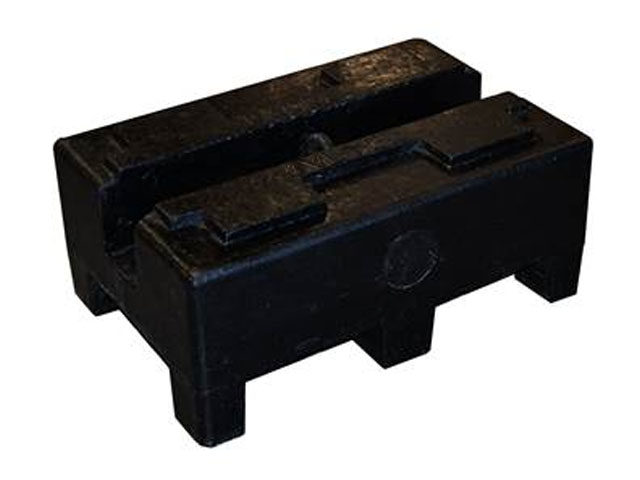
The material foundation of M1 class cast iron weights is what sets them apart for their intended applications. Cast iron, as the core raw material, is selected for its unique combination of physical properties that align perfectly with the requirements of M1 classification. First and foremost, cast iron offers a high and uniform density, which allows for a compact, manageable physical size relative to the mass it holds; this means that even larger M1 weights do not become unwieldy or overly bulky, making them easy to store, transport, and position on weighing platforms during calibration. The density remains consistent throughout the entire structure of the weight when produced properly, eliminating internal voids, air pockets, or uneven material distribution that could alter the actual mass over time. This uniform density is critical for maintaining the intended mass value, as any internal inconsistency would lead to gradual shifts in performance and inaccurate calibration results. Additionally, cast iron has a low coefficient of thermal expansion, a key trait that ensures the weight’s volume and mass change very little with fluctuations in ambient temperature. In settings where temperatures can shift significantly between day and night, or between different seasons, this thermal stability prevents the kind of mass distortion that can plague materials with higher expansion rates, keeping calibration results reliable regardless of minor environmental temperature changes.
Another vital material advantage of cast iron for M1 class weights is its exceptional mechanical durability and resistance to wear and minor impact. In industrial and field settings, weights are often moved by hand or with basic lifting tools, stacked in storage areas, and occasionally subjected to accidental bumps or minor drops during daily use. Cast iron’s rigid structure resists chipping, cracking, and surface abrasion far better than softer metals or fragile composite materials, meaning that M1 class cast iron weights can withstand regular, rough handling without sustaining damage that would compromise their mass integrity. While cast iron is naturally prone to oxidation and rust when exposed to moisture and harsh chemicals over time, high-quality M1 weights are treated with protective surface finishes that create a reliable barrier against these elements. These finishes are applied evenly across the entire surface, including edges and recessed areas, to prevent moisture penetration and slow the development of surface corrosion. Unlike uncoated cast iron, which can degrade quickly in damp or humid spaces, properly finished M1 cast iron weights retain their structural and surface integrity for years, preserving their mass stability and reducing the need for frequent replacement or intensive maintenance.
The production process of M1 class cast iron weights follows a structured, meticulous approach that prioritizes consistency and adherence to performance standards, without cutting corners on structural quality. The process begins with the melting and refining of cast iron material, ensuring that the molten metal meets strict purity and composition requirements to guarantee uniform density and mechanical strength. Once refined, the molten iron is poured into precision-crafted molds that are designed to produce the standard shape and size associated with M1 class weights, typically a solid, symmetrical block or cylindrical form that promotes stable placement on weighing surfaces and even weight distribution. The casting process is carefully controlled to avoid common flaws such as porosity, uneven cooling, or misshapen edges, as even small imperfections can impact the weight’s performance and longevity. After the casting is complete and the metal has cooled and solidified fully, the raw weight undergoes a series of precision machining and finishing steps. This includes smoothing the surface to remove any rough casting marks, trimming edges to ensure uniform dimensions, and creating a flat, stable base that sits evenly on weighing platforms without wobbling. For some M1 weights, small, sealed adjustment cavities are integrated into the structure during production, allowing for fine-tuning of the mass to meet the precise tolerance range required for the M1 class; these cavities are securely sealed after adjustment to prevent dust, moisture, or debris from entering and altering the mass over time.
The tolerance range of M1 class cast iron weights is carefully calibrated to suit its intended practical applications, striking a balance between precision and accessibility. This tolerance level is not as narrow as that of high-precision laboratory weights used for scientific research or primary metrology standards, but it is more than sufficient for the vast majority of routine calibration tasks in commercial and industrial settings. M1 class weights are designed to verify and calibrate a wide range of weighing equipment, from small bench scales used in manufacturing quality control to large platform scales and weighbridges used in logistics and freight operations. The moderate tolerance ensures that the weights can deliver consistent, repeatable results when used to test scale accuracy, helping businesses maintain fair trade practices, accurate inventory management, and reliable production quality control. This balance of precision and durability makes M1 class cast iron weights a versatile choice, as they can perform reliably in both semi-controlled indoor spaces and more challenging outdoor or semi-outdoor environments where high-precision weights would be too delicate and prone to damage.
The practical applications of M1 class cast iron weights span nearly every industry that relies on accurate mass measurement, highlighting their universal utility in modern commerce and production. In manufacturing and industrial production, these weights are used daily to calibrate scales that measure raw materials, component parts, and finished products, ensuring that production processes run smoothly and that product quantities meet specified requirements. Accurate weighing is critical for maintaining consistent product quality, controlling material waste, and ensuring that production batches adhere to formulation standards, and M1 weights provide the reliable reference mass needed to keep these scales calibrated correctly. In logistics, warehousing, and freight transportation, M1 class cast iron weights are essential for calibrating large platform scales and weighbridges used to weigh pallets, crates, and entire vehicle loads. Properly calibrated scales prevent disputes over freight charges, ensure compliance with load weight regulations for transportation safety, and help warehouses manage inventory accurately by tracking incoming and outgoing goods by weight. For small to medium-sized businesses, agricultural operations, and local trade environments, M1 cast iron weights offer a cost-effective and durable solution for calibrating weighing scales used to measure bulk goods, produce, and other commodities, supporting fair and transparent trade between buyers and sellers.
Beyond commercial and industrial use, M1 class cast iron weights also play a key role in routine metrology maintenance and equipment testing for public and private service providers. They are commonly used by maintenance technicians to perform on-site calibration of weighing equipment in retail settings, post offices, and agricultural collection points, where portable, durable reference weights are essential. Unlike more sensitive, high-precision weights that require specialized carrying cases and controlled handling, M1 cast iron weights can be transported easily in standard tool kits or storage containers, making them ideal for field calibration work. Their robust construction means they can withstand the bumps and vibrations of transportation between job sites without losing their mass accuracy, ensuring that technicians can perform reliable calibrations no matter the location. Additionally, M1 weights are often used in training settings for metrology technicians and equipment operators, teaching proper scale calibration techniques and mass measurement best practices due to their forgiving nature and consistent performance.
Proper handling and routine maintenance are essential to preserving the performance and lifespan of M1 class cast iron weights, and these practices are straightforward enough to be integrated into daily operational routines without significant effort. One of the most important care practices is avoiding direct contact with bare hands during handling, as the oils, moisture, and dirt on human skin can accumulate on the weight’s surface over time, leading to corrosion and gradual mass changes. Instead, users should wear clean, dry gloves or use specialized lifting tools to handle the weights, ensuring that no contaminants are transferred to the surface. When not in use, M1 weights should be stored in a clean, dry, and well-ventilated area, away from direct exposure to moisture, chemicals, sharp objects, and extreme temperature fluctuations. Stacking weights should be done carefully to avoid scratching or damaging the protective surface finish, and heavier weights should be placed on stable, flat surfaces to prevent warping or structural stress over time.
Regular cleaning is another simple yet effective maintenance step for M1 cast iron weights. Surface dust and dirt can be wiped away gently with a soft, dry, lint-free cloth, and any minor surface smudges or light contaminants can be cleaned with a mild, non-abrasive cleaning solution and a soft cloth, followed by immediate drying to prevent moisture from lingering on the surface. Abrasive cleaners, steel wool, or harsh chemicals should never be used, as these can scratch or remove the protective finish and expose the cast iron to corrosion. It is also recommended to inspect M1 weights periodically for signs of surface damage, such as scratches, chips, or early rust spots, and to address any issues promptly to prevent further deterioration. While M1 class weights are designed for long-term stability, periodic mass verification is recommended to ensure that they continue to meet the required tolerance standards, especially if they are used frequently or exposed to harsh conditions regularly. This verification process is simple and can be done by comparing the weight to a trusted reference standard, helping to catch any minor mass shifts early and maintain reliable calibration results.
When compared to other types of calibration weights, such as those made from stainless steel, aluminum, or specialized alloys, M1 class cast iron weights offer a unique set of advantages that make them the preferred choice for many practical applications. Stainless steel weights, while highly corrosion-resistant and precise, are often more costly to produce and purchase, making them less practical for large-scale industrial use or businesses with limited budgets. Aluminum weights are lightweight but lack the durability and density of cast iron, making them prone to damage and less suitable for heavy-duty, frequent use. Specialized alloy weights are designed for extreme precision but are far too delicate and expensive for routine industrial and field work. M1 class cast iron weights, by contrast, offer an optimal balance of affordability, durability, and sufficient precision for most everyday calibration needs. They are accessible to businesses of all sizes, durable enough to withstand regular use in tough environments, and precise enough to ensure accurate and reliable measurement results, making them a cost-effective long-term investment for any operation that requires consistent mass calibration.
The design of M1 class cast iron weights also prioritizes user-friendliness and practical functionality, with thoughtful details that enhance daily use. Most M1 weights feature a standard, symmetrical shape that allows for stable placement on any weighing platform, reducing the risk of tipping or uneven weight distribution that could affect calibration readings. Many models include integrated lifting points, recessed handles, or smooth, ergonomic edges that make it easier and safer to lift and move weights, especially larger, heavier models. These design elements are simple but effective, reducing the risk of accidental drops and damage during handling and improving overall workflow efficiency during calibration tasks. The surface finish of M1 weights is also designed to be smooth but not slippery, providing a secure grip during handling while resisting the accumulation of dust and debris that can affect mass accuracy. Every design choice is rooted in real-world use cases, ensuring that the weights work seamlessly for technicians and operators rather than requiring specialized training or handling protocols.
In the broader landscape of mass metrology, M1 class cast iron weights occupy a critical middle ground that supports the entire ecosystem of accurate measurement. They serve as a practical link between high-level national and international metrology standards and the day-to-day measurement needs of businesses and industries worldwide. Without reliable, accessible calibration weights like M1 class cast iron models, maintaining consistent and accurate weighing across commerce, manufacturing, and logistics would be extremely difficult, leading to costly errors, trade disputes, production inefficiencies, and safety risks. M1 weights ensure that weighing equipment of all types remains calibrated correctly, promoting fairness in trade, consistency in production, and safety in transportation. Their widespread adoption is a testament to their practical value, as they have proven their worth in countless different settings and industries over years of use.
Looking ahead, the relevance of M1 class cast iron weights remains strong, even as measurement technology continues to advance and evolve. Modern digital weighing systems and automated calibration tools still require physical reference masses to verify their accuracy, and M1 cast iron weights provide the stable, reliable reference needed for these advanced systems. While new materials and manufacturing techniques may emerge, the core advantages of cast iron—density, stability, durability, and affordability—ensure that M1 class weights will continue to be a staple in mass calibration for years to come. Manufacturers continue to refine the production process to improve surface finish, enhance corrosion resistance, and optimize dimensional consistency, further extending the lifespan and performance of these weights without compromising their practical nature. The focus remains on meeting the evolving needs of modern industry while preserving the core qualities that make M1 class cast iron weights so indispensable.
In summary, M1 class cast iron weights are far more than just simple metal masses; they are a carefully engineered solution to the universal need for reliable, practical mass calibration in diverse operational settings. Their combination of cast iron’s inherent material benefits, thoughtful production and design, balanced precision tolerance, and user-focused functionality makes them an essential tool for businesses, technicians, and industries worldwide. From small manufacturing workshops to large logistics hubs, from agricultural trade to retail operations, M1 class cast iron weights play a quiet but critical role in ensuring accurate, consistent, and fair mass measurement every day. With proper care and maintenance, these weights provide years of reliable service, offering a cost-effective and durable solution to one of the most fundamental requirements in modern commerce and industry. Their enduring popularity and widespread use reflect their ability to meet real-world needs effectively, proving that practicality and reliability are just as important as extreme precision in the vast majority of measurement applications.
