





Changzhou Veidt Weighing Co., Ltd. © 2022 ALL RIGHTS RESERVED Privacy Policy | Calibration Weight | Test Weights | Cast Iron Weights | Standard Weights | Laboratory Weights | XML | SITEMAP
NEWS LIST
cast iron weight class e2
Saturday 21st March 2026 Back to list
Cast iron weight class E2 represents a specialized category of precision mass standards designed for consistent, reliable measurement across industrial, laboratory, and calibration environments, blending the inherent physical advantages of cast iron with tight dimensional and mass tolerances that support high-precision weighing operations. Unlike general-purpose cast iron weights built for heavy-duty, low-precision tasks, E2 class variants are engineered to maintain strict mass consistency, resist physical distortion, and deliver repeatable results even with frequent handling and long-term use. This category of weights occupies a unique niche in the metrology landscape, bridging the gap between ultra-fine, delicate precision weights and rugged industrial mass standards, making it suitable for a wide range of settings where both accuracy and durability are non-negotiable. To fully understand the value of cast iron weight class E2, it is essential to explore its material composition, core performance traits, manufacturing processes, real-world applications, proper handling protocols, and long-term maintenance practices, as each element contributes to its functionality and reliability in professional measurement workflows.
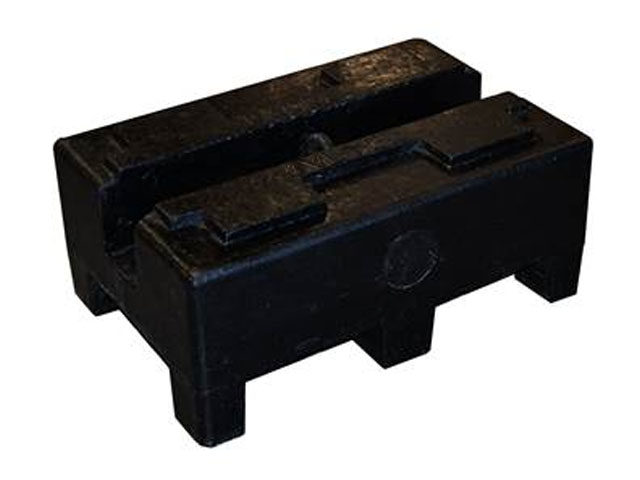
The foundation of cast iron weight class E2 lies in the carefully selected cast iron material, which is not a generic alloy but a refined grade optimized for density uniformity, structural stability, and resistance to wear. Gray cast iron is the primary material used for these weights, chosen for its consistent molecular structure that ensures even mass distribution across the entire volume of the weight—an critical factor for maintaining precision. This type of cast iron features a controlled graphite flake formation within its metal matrix, which enhances its damping properties, reduces vibration transfer during placement on weighing devices, and minimizes the risk of chipping or cracking under moderate impact. Unlike softer metals that may dent or deform under pressure, or brittle materials that can shatter with accidental drops, the cast iron used for E2 class weights offers a balanced combination of hardness and toughness, able to withstand the rigors of daily use in busy workshops, calibration labs, and field testing scenarios without losing its calibrated mass value. Additionally, this grade of cast iron has a stable thermal expansion coefficient, meaning it experiences minimal dimensional change when exposed to moderate temperature fluctuations commonly found in indoor workspaces; this stability prevents mass deviations that could occur with materials more sensitive to heat or cold, ensuring that the weight remains accurate across typical operating conditions without requiring constant recalibration due to environmental shifts.
One of the defining characteristics of cast iron weight class E2 is its strict adherence to narrow mass tolerances, which set it apart from lower-class cast iron weights designed for general industrial use. While the exact tolerance ranges vary based on the nominal mass of the individual weight—smaller units feature tighter tolerances, with gradually expanded but still controlled limits for larger units—every E2 class cast iron weight is manufactured to stay within a tiny margin of error relative to its stated mass. This level of precision is not achieved by chance; it requires meticulous manufacturing and finishing processes that prioritize consistency at every stage. The production journey begins with precise mold design, where molds are crafted to exact dimensional specifications to ensure each weight has a uniform shape and volume, eliminating variations that could lead to mass inconsistencies. Molten cast iron is poured under controlled temperature and flow conditions to avoid air bubbles, porosity, or uneven cooling, which are common flaws that can compromise density and mass accuracy. Once cooled and demolded, each weight undergoes a series of precision machining and finishing steps: rough grinding to remove excess material, fine milling to achieve smooth, flat surfaces and consistent dimensions, and careful mass adjustment to bring it within the required E2 class tolerance range. Skilled technicians perform incremental material removal or targeted density adjustments to fine-tune the mass, checking repeatedly against calibrated reference standards to ensure compliance. Unlike mass-produced, low-precision weights, E2 class cast iron weights undergo multiple rounds of inspection and verification during production, with every unit tested for both mass accuracy and structural integrity before being approved for use.
Surface treatment is another key aspect of cast iron weight class E2 production, designed to protect the material from environmental damage and preserve its precision over time. Raw cast iron is susceptible to oxidation and surface rust when exposed to moisture, humidity, or airborne contaminants, which can add subtle mass buildup or cause gradual surface erosion that affects accuracy. To counter this, E2 class weights receive a durable, non-contaminating surface coating that is applied evenly to avoid altering the calibrated mass. The coating is thin, uniform, and resistant to peeling, chipping, or flaking with regular handling, and it does not react with common workplace substances such as mild cleaning solutions, dust, or oils. This protective layer serves two primary purposes: it prevents corrosion that could change the weight’s mass, and it creates a smooth, easy-to-clean surface that resists the accumulation of dirt, dust, or debris—particles that could add unwanted mass and throw off measurements if left unchecked. The surface finish is also designed to minimize friction when placing or removing the weight from weighing scales, reducing the risk of accidental damage to both the weight and the sensitive weighing components. Unlike rough, uncoated cast iron weights, E2 class units have a consistent, matte or lightly polished finish that balances practicality with precision, avoiding overly glossy coatings that might attract fingerprints or residue buildup.
Cast iron weight class E2 finds its place in a diverse array of professional settings, where its unique blend of precision and ruggedness fills a critical gap that lighter, more fragile precision weights and heavier, less accurate industrial weights cannot fill. In calibration laboratories, these weights are commonly used to verify and calibrate mid-range precision weighing instruments, including high-precision bench scales, laboratory balances, and industrial counting scales that require consistent, traceable mass references. They are particularly valuable for calibrating equipment that does not demand the ultra-fine tolerances of premium laboratory weights but still needs far greater accuracy than standard industrial cast iron weights provide. For manufacturing facilities, especially those involved in the production of small parts, pharmaceuticals, food products, and chemical compounds, E2 class cast iron weights are essential for routine quality control checks. Production lines rely on accurate weighing to ensure consistent product composition, proper portioning, and compliance with internal quality standards, and regular calibration with E2 class weights helps prevent costly errors such as underfilling, overfilling, or material waste. In logistics and warehousing operations, these weights are used to verify the accuracy of floor scales and platform scales used for weighing packaged goods, raw materials, and finished shipments, ensuring that weight-based billing and inventory tracking remain reliable.
Beyond industrial and laboratory settings, cast iron weight class E2 is also utilized in research and development environments where consistent mass measurements are needed for experimental testing, material analysis, and prototype development. Research teams working with small-batch materials, sensitive instrumentation, or controlled testing protocols rely on these weights to establish reliable reference points for their experiments, as the stable cast iron construction and tight tolerances minimize variables that could skew test results. Field calibration technicians also favor E2 class cast iron weights for on-site calibration work, as they are more durable and less prone to damage during transport than ultra-fine precision weights made from stainless steel or other delicate materials. They can withstand the minor bumps and vibrations of travel between job sites without losing their calibration, making them a practical choice for mobile calibration services that serve multiple businesses or facilities. Additionally, educational institutions offering technical training in metrology, manufacturing, or quality control use E2 class cast iron weights to teach students about precision measurement principles, proper weighing techniques, and calibration best practices, as they provide a hands-on, durable tool that demonstrates real-world accuracy requirements without the risk of easy damage.
Proper handling and usage practices are vital to preserving the precision and lifespan of cast iron weight class E2, as even small mistakes can lead to mass deviations, surface damage, or shortened service life. First and foremost, these weights should always be handled with clean, dry hands or soft, lint-free gloves to prevent the transfer of oils, sweat, or dirt onto the surface, which can accumulate over time and alter the mass. When placing a weight on a weighing device, it should be set down gently and centered on the weighing platform to avoid impact that could cause internal structural stress or surface chipping; sliding or dropping the weight, even from a small height, should be strictly avoided, as repeated impact can gradually shift the internal density or damage the protective coating. Weights should never be used for unintended purposes, such as hammering, pressing, or as a makeshift tool for heavy lifting, as this can cause permanent deformation that invalidates the calibrated mass. When not in use, E2 class cast iron weights should be stored in a clean, dry, temperature-stable environment, away from direct sunlight, moisture, and corrosive fumes. Stacking weights should be done carefully, with softer, non-abrasive liners between units to prevent scratching or surface wear, and larger weights should be placed on stable, sturdy storage surfaces to avoid tipping or falling. It is also important to avoid exposing these weights to extreme temperature changes, such as moving them directly from a cold storage area to a warm workshop, as rapid thermal shift can cause temporary expansion or contraction that may affect short-term accuracy, even though the cast iron has stable long-term thermal properties.
Regular maintenance is equally important to ensure that cast iron weight class E2 retains its accuracy and structural integrity over years of use. Routine cleaning should be performed using a soft, lint-free cloth and a mild, non-abrasive cleaning solution that is safe for the protective coating; harsh chemicals, steel wool, or abrasive scrubbers should never be used, as they can damage the coating or scratch the surface. After cleaning, the weight should be dried thoroughly with a clean cloth to remove any moisture, preventing oxidation beneath the coating. Periodic visual inspections are recommended to check for signs of damage, including chipped coating, surface rust, dents, or cracks; any visible damage should be addressed promptly, as it can indicate a potential change in mass. While E2 class cast iron weights are designed for long-term stability, they are not immune to gradual wear or minor mass shifts over extended periods, so periodic recalibration is necessary to confirm accuracy. The frequency of recalibration depends on usage intensity: weights used daily in high-volume settings may require more frequent checks, while those used occasionally for periodic calibration can be checked less often. Recalibration should be performed by trained professionals using reference standards that meet or exceed the precision of the E2 class weight, ensuring that any minor mass deviations are corrected and the weight is restored to its original tolerance range. By following a consistent maintenance schedule, users can extend the service life of E2 class cast iron weights significantly, often keeping them in reliable use for decades with proper care.
When comparing cast iron weight class E2 to other types of precision weights, it becomes clear why this category remains a popular choice for balanced performance. Stainless steel precision weights are often used for ultra-fine applications, but they are more expensive, more prone to scratching, and less durable in rough industrial environments. Lower-class cast iron weights are affordable and rugged but lack the tight tolerances needed for precision work, making them unsuitable for calibration or quality control tasks that require consistent accuracy. Cast iron weight class E2 strikes a practical balance: it offers the durability and affordability of cast iron while meeting the strict precision standards of E2 classification, making it a cost-effective solution for businesses and facilities that need accuracy without the fragility and higher cost of premium stainless steel weights. Another advantage is the versatility of cast iron for producing a wide range of nominal mass sizes in E2 class, from small units suitable for bench scales to larger units for industrial platform scales, allowing users to build a complete set of precision weights tailored to their specific weighing needs. The uniform density and stable structure of cast iron also mean that E2 class weights hold their calibration longer than some lower-quality materials, reducing the frequency of recalibration and lowering long-term operational costs.
It is important to note that cast iron weight class E2 is not designed for extreme environmental conditions, such as highly corrosive industrial settings, constant exposure to moisture, or extreme temperature fluctuations outside normal indoor ranges. In such environments, specialized coated or alloyed weights may be more suitable, but for the vast majority of indoor industrial, laboratory, and commercial settings, E2 class cast iron weights perform reliably and consistently. Users should also understand that the E2 classification refers to precision and tolerance levels, not a specific size or shape; these weights are available in a variety of standard shapes, including cylindrical, rectangular, and flat disc designs, each optimized for different types of weighing equipment and handling preferences. Cylindrical E2 class weights are popular for their stability and ease of stacking, while flat disc weights are ideal for compact storage and use on smaller weighing platforms. Regardless of shape, all E2 class cast iron weights adhere to the same core precision and material standards, ensuring consistent performance across different form factors.
In the broader context of metrology and precision measurement, cast iron weight class E2 plays a vital role in maintaining consistency and reliability across industries. Accurate weighing is a foundational element of modern manufacturing, commerce, research, and quality control, and without reliable mass standards like E2 class cast iron weights, businesses would face increased waste, inconsistent product quality, billing errors, and compliance challenges. These weights serve as a critical link between high-level national and international measurement standards and day-to-day industrial operations, ensuring that weighing equipment across different facilities and sectors operates on a consistent, traceable measurement scale. Every time a manufacturer calibrates a production scale, a lab verifies a balance, or a warehouse checks a freight scale with an E2 class cast iron weight, they are upholding a standard of accuracy that supports fair trade, product safety, and operational efficiency.
As industries continue to prioritize precision and quality control, the demand for reliable, durable precision weights like cast iron weight class E2 remains steady. Advancements in manufacturing techniques have only improved the consistency and accuracy of these weights, with modern molding, machining, and quality control processes ensuring that each unit meets strict E2 class standards with minimal variation. Unlike disposable or low-quality measurement tools, E2 class cast iron weights are built for long-term use, representing a sustainable investment for businesses that value durability and consistent performance. The combination of cast iron’s natural physical benefits, tight E2 class tolerances, practical design, and ease of maintenance makes this category of weights a staple in professional environments where precision and reliability go hand in hand.
In conclusion, cast iron weight class E2 stands as a testament to the balance between industrial ruggedness and precision engineering, offering a practical, reliable solution for a wide range of precision weighing and calibration needs. From its refined cast iron material and strict manufacturing processes to its diverse applications and straightforward maintenance requirements, every aspect of these weights is designed to deliver consistent, accurate mass measurements over an extended service life. It fills a unique niche in the metrology market, catering to users who need more accuracy than general-purpose industrial weights but require greater durability than ultra-fine precision weights. By understanding the material properties, performance traits, proper usage, and maintenance of cast iron weight class E2, users can maximize its functionality, ensure ongoing measurement accuracy, and rely on it as a dependable tool for daily operations. Whether used in a calibration lab, a manufacturing plant, a research facility, or a warehouse, E2 class cast iron weights continue to be an essential component of reliable, consistent precision measurement across countless industries, supporting efficiency, quality, and accuracy in every application they serve.
