





Changzhou Veidt Weighing Co., Ltd. © 2022 ALL RIGHTS RESERVED Privacy Policy | Calibration Weight | Test Weights | Cast Iron Weights | Standard Weights | Laboratory Weights | XML | SITEMAP
NEWS LIST
calibration weight for weighing scale
Saturday 21st March 2026 Back to list
Calibration weights stand as indispensable tools in the world of precision weighing, serving as the foundational reference point that ensures every weighing scale, from compact bench models used in small workshops to heavy-duty platform scales deployed in industrial facilities, delivers consistent and reliable measurement results. At their core, calibration weights are precisely manufactured solid masses with meticulously defined nominal values, crafted to serve as a stable and repeatable benchmark for verifying, adjusting, and validating the performance of weighing equipment across countless professional and industrial settings. Unlike ordinary weighted objects that may have uneven density, inconsistent dimensions, or variable mass due to poor manufacturing, calibration weights are engineered with extreme attention to detail, designed to eliminate variables that could compromise their accuracy and make them unsuitable for formal weighing system calibration. Every aspect of their production, from the selection of raw materials to the final finishing and precision balancing, is carried out with a focus on uniformity, stability, and resistance to external factors that could alter their mass over time, ensuring they remain a trustworthy reference for extended periods when handled and stored correctly. The fundamental purpose of a calibration weight is to create a direct, measurable comparison between the known mass of the weight and the reading displayed by a weighing scale, allowing operators to identify even minor deviations in the scale’s performance and make targeted adjustments to restore its measuring integrity. Without this critical reference, weighing scales would gradually drift from their intended accuracy due to a range of internal and external factors, leading to inconsistent measurements, flawed quality control, inaccurate inventory tracking, and potential disruptions to daily operations in sectors where precise weighing is non-negotiable.
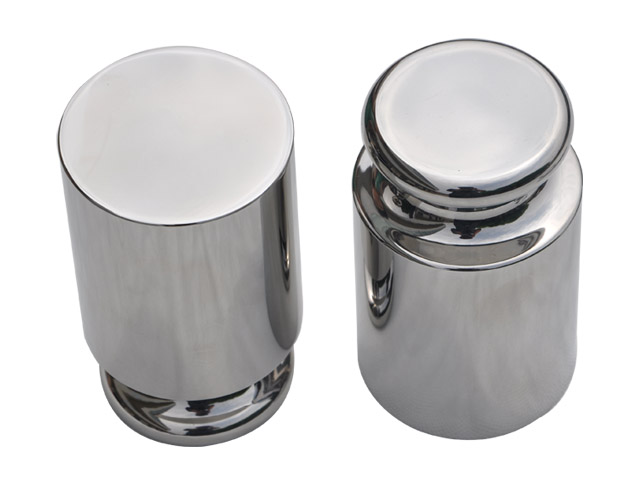
To understand the full significance of calibration weights, it is essential to first examine the basic mechanics of how weighing scales operate and why regular calibration is necessary. Most modern weighing scales rely on internal load cells, spring mechanisms, or strain gauge sensors to convert the force exerted by a placed object into a digital or analog weight reading, and these components are susceptible to gradual changes over time. Regular use, exposure to varying temperatures, minor physical impacts, dust accumulation, and even minor shifts in the scale’s placement can cause the internal sensing elements to lose their initial calibration, resulting in readings that are either higher or lower than the true mass of the object being weighed. This drift in accuracy is not always immediately noticeable, especially for scales used in low-volume settings, but over weeks and months, even small discrepancies can accumulate into significant errors that impact business operations, product quality, and compliance with internal quality standards. Calibration weights address this issue by providing a fixed, known mass that can be applied to the scale’s weighing platform at regular intervals, creating a clear benchmark to test the scale’s accuracy at multiple points across its measuring range. For example, a scale designed to measure weights up to a moderate capacity can be tested using a calibration weight that matches half of its maximum capacity, a weight that matches its full capacity, and smaller incremental weights to verify linear accuracy, ensuring the scale performs consistently from the lowest measurable weight to its upper limit. This process is not limited to fixing existing inaccuracies; it also serves as a proactive measure to prevent future errors, extending the functional lifespan of the weighing scale and reducing the risk of costly mistakes related to incorrect weight measurements.
The design and construction of calibration weights are tailored to meet the diverse needs of different weighing applications, with variations in material, shape, size, and nominal mass to suit everything from laboratory analytical balances to large industrial floor scales. One of the most critical considerations in calibration weight manufacturing is the choice of material, as the physical properties of the material directly impact the weight’s stability, durability, and resistance to environmental damage. Common materials used in high-quality calibration weights include corrosion-resistant stainless steel, durable cast iron, lightweight aluminum, and brass, each selected for specific operational environments and accuracy requirements. Stainless steel is a popular choice for general-purpose and precision calibration weights due to its exceptional resistance to rust, oxidation, and chemical damage, making it suitable for use in humid workshops, laboratory settings, and facilities where exposure to mild chemicals is common. Cast iron calibration weights, while heavier and more prone to surface corrosion if not properly coated, are ideal for heavy-duty industrial applications where large nominal masses are required, such as calibrating high-capacity platform scales used in shipping, warehousing, and manufacturing. Aluminum weights offer a lightweight alternative for smaller nominal masses, reducing physical strain during handling while maintaining consistent mass properties, and brass weights are often used in more controlled environments where a high degree of dimensional stability and resistance to tarnish is preferred. Each material is chosen to balance three core attributes: mass stability, meaning the weight’s actual mass does not change significantly over time; durability, to withstand regular handling, stacking, and occasional minor impacts; and environmental resistance, to protect against damage from moisture, dust, temperature fluctuations, and mild chemical exposure that are common in most working environments.
Beyond material selection, the physical design of calibration weights is carefully optimized to ensure ease of use, safe handling, and consistent contact with the weighing scale platform. Most standard calibration weights feature a compact, symmetrical shape, typically cylindrical or cubic, with smooth, flat surfaces that distribute weight evenly when placed on a scale, eliminating uneven pressure points that could skew measurement results. Many larger calibration weights include integrated handles or lifting slots, designed to allow safe and secure handling without direct contact with the critical weighing surface, which helps prevent oil, dirt, or moisture from human hands from transferring to the weight and altering its mass over time. Smaller calibration weights, used for precision laboratory scales and analytical balances, often have a compact, low-profile design with rounded edges to avoid damaging delicate weighing pans and to ensure stable placement on small, sensitive platforms. Every calibration weight is engraved or marked with its nominal mass value in clear, permanent markings, typically in metric units, allowing for quick and easy identification during the calibration process; these markings are designed to resist fading or wear, even with regular use and cleaning. The manufacturing process for calibration weights involves multiple stages of precision machining and balancing, with each weight undergoing rigorous internal testing to ensure its actual mass falls within an acceptable tolerance range relative to its nominal value. This tolerance level is determined by the intended use of the weight, with weights designed for high-precision laboratory work having much tighter tolerance ranges than those used for general industrial weighing, where slightly wider margins are acceptable for practical daily use. It is this strict adherence to tolerance standards during production that separates genuine calibration weights from ordinary weighted objects, as even a tiny deviation in mass can render a weight ineffective for reliable scale calibration.
Calibration weights find application across an extremely broad range of industries and settings, each with unique weighing requirements that demand specific types of weights and calibration practices. In laboratory and research environments, where precise measurements are critical for experiments, chemical formulation, and sample analysis, small, high-precision calibration weights are used to calibrate analytical balances and precision bench scales, ensuring that even minute quantities of materials are measured with consistent accuracy. These environments often require weights with tight tolerance levels, as even a small error in mass can skew experimental results, compromise research data, or lead to incorrect formulation of chemical compounds. In the manufacturing sector, calibration weights play a vital role in quality control processes, where raw materials, component parts, and finished products must be weighed accurately to maintain product consistency, meet production specifications, and manage inventory levels. Manufacturing facilities rely on a range of calibration weights, from small weights for testing compact parts counters to large, heavy weights for calibrating scales used to weigh bulk raw materials and finished shipments. In the food and beverage industry, accurate weighing is essential for portion control, recipe consistency, and compliance with internal quality guidelines, and calibration weights ensure that scales used for measuring ingredients, packaging portions, and weighing finished products remain accurate, preventing waste and ensuring uniform product quality. Logistics, shipping, and warehousing operations depend heavily on large-capacity platform scales and pallet scales to weigh incoming and outgoing shipments, and regular calibration with heavy-duty calibration weights is essential to avoid discrepancies in shipping weights, which can lead to incorrect billing, delayed shipments, and disputes with partners and customers. Even in small businesses, retail settings, and agricultural operations, calibration weights are used to maintain the accuracy of commercial scales, ensuring fair transactions, accurate inventory tracking, and reliable measurement of goods and materials.
Proper handling, storage, and maintenance of calibration weights are critical to preserving their accuracy and extending their usable life, as even minor damage or contamination can alter their mass and render them unfit for calibration purposes. One of the most fundamental rules of handling calibration weights is to avoid direct contact with bare hands whenever possible, as natural oils, sweat, and moisture from skin can leave residue on the weight’s surface, adding tiny amounts of mass that can accumulate over time and affect measurement accuracy, especially for smaller, high-precision weights. Operators should use clean, lint-free gloves or specialized handling tools when lifting and placing calibration weights, and larger weights with integrated handles should be lifted using the handles only, avoiding contact with the main weighing surface. When placing a calibration weight on a weighing scale, it should be set down gently and centered on the platform to avoid sudden impacts that could damage both the weight and the scale’s internal sensors; dropping or slamming a calibration weight can cause internal structural damage that alters its mass, even if no visible damage is present. After use, calibration weights should be cleaned gently with a soft, dry cloth to remove dust, dirt, or minor debris, avoiding harsh chemicals, abrasive cleaners, or excessive moisture that could damage the weight’s surface coating or base material. For weights used in dusty or industrial environments, a soft brush can be used to remove loose particles before wiping, ensuring no abrasive material scratches the surface during cleaning. Proper storage is equally important: calibration weights should be stored in a clean, dry, temperature-stable environment, away from direct sunlight, moisture, extreme temperatures, and chemical fumes that could cause corrosion, oxidation, or warping. Many calibration weights come with protective cases or storage boxes lined with soft material, which not only protect the weights from physical damage and dust but also help maintain a consistent environment around the weight, preventing rapid temperature changes that could cause minor expansion or contraction of the material. Stacking calibration weights should be done carefully, with heavier weights placed at the bottom and lighter weights on top, to avoid bending or damaging smaller weights and to prevent tipping or falling that could cause injury or damage.
The process of calibrating a weighing scale using calibration weights follows a consistent, step-by-step workflow that is designed to maximize accuracy and minimize external variables that could affect the results, regardless of the type or size of the scale being calibrated. Before beginning the calibration process, it is essential to prepare the scale and the surrounding environment to ensure stable conditions: the scale should be placed on a flat, level, and stable surface, free from vibrations, drafts, and sudden movements that could interfere with the scale’s internal sensors. The scale should be turned on and allowed to warm up for the recommended period, typically several minutes, to ensure the internal electronic components reach a stable operating temperature, as temperature fluctuations can cause temporary drift in sensor accuracy. The weighing platform should be completely clean and free of any debris, dust, or residual material that could add extra mass during calibration, and the scale should be zeroed or tared to reset the reading to zero with no weight applied. Once the scale is prepared, the operator selects the appropriate calibration weights based on the scale’s capacity and the desired calibration points; for most standard scales, a multi-point calibration approach is recommended, using weights that cover the lower, middle, and upper ranges of the scale’s measuring capacity to verify linear accuracy. The first calibration weight is placed gently and centered on the platform, and the scale is allowed to stabilize until the reading remains constant; the displayed reading is then compared to the nominal mass of the calibration weight, and any deviation is noted. If the reading does not match the nominal weight, the scale’s calibration adjustment settings are used to fine-tune the reading until it aligns with the calibration weight’s mass, following the scale manufacturer’s recommended adjustment procedures. This process is repeated for each selected calibration weight, with the scale zeroed between each test to ensure consistency, and once all calibration points are verified and adjusted, the scale is tested again with the same weights to confirm that the readings remain stable and accurate. After calibration is complete, the weights are removed carefully, cleaned, and returned to their storage case, and a record of the calibration date, results, and any adjustments made is kept for future reference, helping to track the scale’s performance over time and schedule the next calibration session appropriately.
Even with proper handling and regular calibration, calibration weights can be affected by common issues that may impact their performance, and understanding these potential problems can help operators identify and resolve issues before they compromise weighing accuracy. One of the most common issues is surface contamination, such as dust, dirt, oil, or chemical residue, which can add small amounts of mass to the weight and lead to slightly high scale readings; regular cleaning and proper handling can largely prevent this issue, and weights that show signs of heavy contamination can be gently cleaned following recommended guidelines to restore their original mass. Physical damage, such as dents, scratches, or bending, is another common problem, especially for larger industrial weights that are handled frequently or stacked heavily; even minor dents can alter the weight’s mass, so any weight that shows visible signs of damage should be removed from use and inspected for accuracy before being reused. Environmental factors, such as prolonged exposure to high humidity, corrosive chemicals, or extreme temperatures, can cause corrosion, oxidation, or material warping, particularly in weights made from cast iron or non-stainless steel materials; storing weights in a controlled environment and using corrosion-resistant materials for harsh settings can mitigate this risk. Another potential issue is improper calibration technique, such as placing weights off-center on the scale platform, using the wrong weight for the scale’s capacity, or failing to allow the scale to stabilize before taking readings; these user errors can lead to false calibration results, so proper training for operators on correct handling and calibration procedures is essential. Over time, even well-maintained calibration weights may experience minor mass drift due to gradual material wear or environmental exposure, which is why periodic verification of the weights themselves is recommended, using reference standards to confirm their accuracy and ensure they continue to meet the required tolerance levels for their intended use.
The long-term value of calibration weights extends far beyond simple scale accuracy, touching on operational efficiency, cost savings, quality assurance, and consistency across all weighing-dependent processes. By ensuring that weighing scales deliver accurate and repeatable readings, calibration weights help businesses avoid costly errors such as over-using raw materials, under-delivering finished products, mislabeling package weights, or inaccurately tracking inventory, all of which can lead to financial losses, wasted resources, and damaged reputation. In industries where product quality is directly tied to precise ingredient or component weighing, such as food production, pharmaceuticals, and manufacturing, calibration weights play a direct role in maintaining consistent product quality, ensuring that every batch meets internal specifications and customer expectations. Calibration weights also promote operational efficiency by reducing downtime associated with faulty scales; regular, proactive calibration with reliable weights minimizes the need for emergency scale repairs or replacements, as minor accuracy issues are addressed before they escalate into major malfunctions. Additionally, using consistent calibration weights across multiple scales within a facility ensures uniformity in measurements, eliminating discrepancies between different scales that can cause confusion in production, inventory, and shipping processes. For businesses that prioritize reliability and consistency in their operations, investing in high-quality calibration weights and following a regular calibration schedule is a proactive measure that delivers long-term benefits, far outweighing the minimal effort and resources required for proper maintenance and use.
As weighing technology continues to evolve, with new digital scales, smart sensing systems, and automated weighing solutions entering the market, the role of calibration weights remains unchanged as the foundational reference for measurement accuracy. Advanced digital scales may offer built-in diagnostic tools and automated calibration prompts, but they still rely on physical calibration weights to provide the trusted mass reference needed to validate their performance, as electronic systems alone cannot create a tangible, measurable force to test the scale’s sensing elements. Calibration weights are not limited to permanent, fixed installations either; portable calibration weight sets are widely used for field calibration, allowing technicians to calibrate scales on-site in remote locations, warehouses, and production facilities without the need to transport scales to a dedicated testing area. This portability makes calibration weights an essential tool for mobile calibration services and businesses with multiple weighing stations across different locations, ensuring consistent accuracy everywhere weighing is performed. The adaptability of calibration weights to different scale types, environments, and industry needs further solidifies their role as a timeless and essential component of precision weighing, with no technological advancement able to replace the simple, reliable, and tangible reference that a well-crafted calibration weight provides.
In summary, calibration weights are far more than just solid metal masses; they are the cornerstone of accurate, reliable, and consistent weighing operations across every industry that relies on precise weight measurement. Their precise manufacturing, careful material selection, and thoughtful design ensure they provide a stable, repeatable reference point for calibrating weighing scales of all types and sizes, addressing the natural drift in accuracy that occurs with regular scale use. Proper handling, storage, and maintenance of these weights preserve their integrity and extend their usable life, while following a structured calibration process ensures that weighing scales continue to perform as intended, minimizing errors and maximizing operational efficiency. From high-precision laboratory work to heavy-duty industrial weighing, calibration weights play a vital, often underappreciated role in maintaining quality control, reducing waste, avoiding financial losses, and ensuring consistency in daily operations. As long as weighing scales are used to measure mass, calibration weights will remain an essential tool, providing the reliability and accuracy that businesses, researchers, and operators depend on to make informed decisions, maintain product quality, and run efficient, effective operations. Investing time and resources into selecting the right calibration weights, training staff on proper use, and adhering to a regular calibration schedule is a small but impactful step that yields significant long-term benefits, making calibration weights an indispensable part of any operation that values precision and consistency in weighing.
