





Changzhou Veidt Weighing Co., Ltd. © 2022 ALL RIGHTS RESERVED Privacy Policy | Calibration Weight | Test Weights | Cast Iron Weights | Standard Weights | Laboratory Weights | XML | SITEMAP
NEWS LIST
calibration weight for test weight
Saturday 21st March 2026 Back to list
In the broad field of precision measurement and quality control, calibration weights stand as the unshakable foundation for verifying and validating test weights, a pair of tools that work in tandem to uphold the consistency and reliability of mass measurement across countless industrial, laboratory, and commercial scenarios. To understand the role of calibration weights for test weights, one must first grasp the distinct yet complementary purposes of each component: a test weight is a standardized mass device used to check the accuracy of weighing instruments, ranging from small laboratory balances to large industrial floor scales, while a calibration weight is a higher-precision mass standard that serves to calibrate, verify, and adjust test weights themselves, ensuring that every test weight in use maintains a stable and traceable mass value. Without properly calibrated calibration weights, test weights would gradually lose their accuracy over time due to environmental exposure, physical wear, and handling variations, leading to skewed measurement results, flawed product quality checks, and inconsistent data across different testing stations. This interdependence creates a critical chain of mass traceability, where calibration weights act as the direct link between international mass standards and the practical test weights used in daily measurement operations, bridging the gap between theoretical mass benchmarks and real-world testing applications.
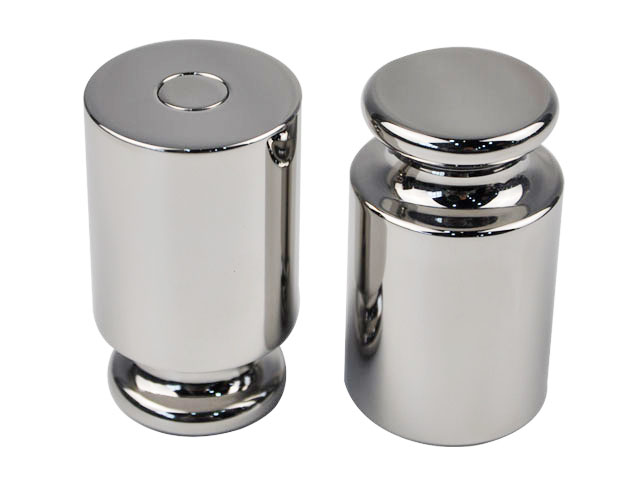
The core function of a calibration weight in relation to test weights is to provide a fixed, reliable reference mass that eliminates uncertainties in the test weight’s nominal value. Every test weight, regardless of its size or intended use, is designed to match a specific nominal mass, such as grams, kilograms, or larger units for heavy-duty applications, but even the most carefully manufactured test weight will have minor deviations from its stated mass due to production tolerances. Calibration weights are crafted to far stricter precision standards than standard test weights, with tightly controlled allowable error margins that ensure their actual mass is as close to their nominal mass as possible. This precision gap is intentional: when calibrating a test weight, the difference between the test weight’s measured mass and the calibration weight’s known mass is used to calculate the test weight’s error, which can then be documented, adjusted if necessary, or used to determine if the test weight remains suitable for its intended testing tasks. This process is not a one-time activity but a recurring necessity, as test weights are subjected to constant handling, contact with different surfaces, temperature fluctuations, and even minor impacts that can alter their mass over weeks, months, or years of regular use. Calibration weights, by contrast, are handled with extreme care and stored in controlled conditions to preserve their mass stability, making them the ideal reference for ongoing test weight verification.
Material selection is a pivotal factor that defines the performance of calibration weights for test weight calibration, as the physical and chemical properties of the material directly impact mass stability, resistance to wear, and resistance to environmental factors that could alter mass. Manufacturers of calibration weights prioritize materials with high density, low porosity, resistance to corrosion, and minimal magnetic susceptibility, as these traits prevent mass loss or gain from oxidation, moisture absorption, or physical abrasion—common issues that affect lower-quality test weights. Common materials for precision calibration weights include high-grade stainless steel, which is widely used for mid-range to high-precision weights due to its durability, resistance to rust and tarnish, and ease of cleaning; solid brass, which offers excellent density consistency and is often used for heavier calibration weights intended for industrial test weight calibration; and cast iron, which is utilized for large, heavy-caliber calibration weights designed to verify oversized test weights used in construction, logistics, and heavy manufacturing. Each material is chosen based on the intended precision level and application environment: stainless steel calibration weights are preferred for laboratory settings where cleanliness and corrosion resistance are paramount, while cast iron calibration weights are suitable for industrial environments where durability under rough handling is more critical, though they require protective coatings to prevent rust that could affect mass accuracy. Unlike standard test weights, which may use more cost-effective materials with slightly higher tolerance for mass variation, calibration weights are made from materials that undergo rigorous testing to ensure uniform density throughout the entire weight, eliminating internal voids or inconsistencies that could create hidden mass deviations.
The design and construction of calibration weights are also tailored specifically to support accurate test weight calibration, with every structural detail engineered to minimize measurement error during the calibration process. Most standard calibration weights feature a compact, symmetrical shape—typically cylindrical for small to medium sizes and block-shaped for larger weights—with smooth, flat surfaces that prevent the accumulation of dust, debris, or moisture, all of which could add unintended mass and skew calibration results. High-precision calibration weights often have a polished finish that repels contaminants and allows for easy cleaning without damaging the surface, while heavier industrial calibration weights may include reinforced edges or lifting points to facilitate safe handling without causing damage that could alter mass. A key design difference between calibration weights and standard test weights is the absence of unnecessary protrusions or hollow cavities in high-precision calibration weights, as these features can trap debris or allow moisture buildup, whereas some basic test weights may have hollow sections for cost or weight adjustment purposes. Additionally, calibration weights are marked with clear, permanent nominal mass markings that resist fading or wear, ensuring that users can easily identify the reference mass during test weight calibration without confusion. These markings are etched or engraved directly into the material, rather than being applied as stickers or paint, to prevent loss of marking over time, which is essential for maintaining traceability in long-term test weight calibration programs.
Selecting the appropriate calibration weight for test weight calibration requires careful consideration of several key factors, starting with the precision level required for the test weight’s intended use. Not all test weights need the same level of calibration precision: test weights used for high-precision laboratory balances, which measure small masses with extreme accuracy, require calibration weights with extremely low allowable error margins, often several times more precise than the test weights themselves. Conversely, test weights used for general industrial scales or rough weighing applications can be calibrated with calibration weights that have slightly wider error margins, as the measurement tolerance of the end weighing instrument is more forgiving. A general guiding principle in this selection process is that the allowable error of the calibration weight should be significantly smaller than the allowable error of the test weight being calibrated, a standard that ensures any measured deviation in the test weight is genuine and not caused by uncertainty in the calibration weight itself. Another critical factor is the nominal mass match: the calibration weight’s mass should align closely with the test weight’s nominal mass to ensure accurate comparison; for example, a 1-kilogram test weight is best calibrated using a 1-kilogram calibration weight, while a set of test weights with varying masses requires a matching set of calibration weights to cover each nominal value in the test weight set. Mass range is also important, as large test weights used for heavy industrial scales need correspondingly large calibration weights, while miniature test weights for micro-balances require tiny, high-precision calibration weights that can measure minute mass deviations accurately.
Environmental conditions play a substantial role in the effectiveness of using calibration weights for test weight calibration, as even minor changes in temperature, humidity, air pressure, and air density can impact the measured mass of both calibration weights and test weights. Mass measurement is inherently sensitive to environmental factors, particularly in high-precision calibration scenarios where even a fraction of a milligram deviation can affect the validity of the test weight’s calibration. Temperature fluctuations cause thermal expansion or contraction of the metal materials used in both calibration and test weights, which can slightly alter their volume and, in turn, their apparent mass when measured in air. Humidity can lead to moisture absorption on the surface of weights, adding small amounts of mass that are not part of the actual weight value, while air pressure and air density variations affect buoyancy forces acting on the weights, which can create measurable differences in weighing results. To mitigate these environmental impacts, test weight calibration using calibration weights should be conducted in a controlled environment with stable temperature, consistent humidity levels, and minimal air movement. Calibration weights should be allowed to acclimate to the calibration environment for a sufficient period before use, ensuring that their temperature matches the surrounding air and eliminating thermal expansion effects. Similarly, test weights should be cleaned and acclimated under the same conditions to ensure that the comparison between the calibration weight and test weight is as accurate as possible, with no external environmental variables skewing the results. Taking these environmental precautions is not just a best practice but a necessity for maintaining the integrity of test weight calibration, especially for high-precision applications where measurement consistency is non-negotiable.
Proper handling techniques are equally vital when using calibration weights to calibrate test weights, as improper handling can introduce mass deviations in both the calibration weight and the test weight, rendering the calibration process useless. Calibration weights are precision instruments, and even small amounts of contamination from skin oils, dust, or dirt can add measurable mass, while dropping or bumping a calibration weight can cause physical deformation or internal damage that alters its mass permanently. For this reason, anyone handling calibration weights for test weight calibration must use proper protective gear, such as lint-free gloves or specialized tweezers, to avoid direct skin contact with the weight surface. Bare hand contact is strictly avoided, as the oils and salts from human skin can corrode the surface of the calibration weight over time and leave residue that affects mass accuracy. When moving calibration weights, they should be lifted slowly and carefully, using designated lifting points if available, and never slid across surfaces, as friction can cause abrasion and remove small particles of material, leading to gradual mass loss. Test weights should also be handled with the same level of care during calibration, even if they are designed for more rugged use, to ensure that the calibration process measures the true mass of the test weight rather than the effects of recent handling damage. After calibration, both calibration weights and test weights should be returned to their protective storage cases immediately, which are designed to shield them from dust, moisture, and physical damage when not in use. Storage cases for calibration weights are typically lined with soft, non-abrasive material to prevent scratches and include individual compartments for each weight to avoid contact between multiple weights, which could cause scratches or chips that alter mass.
The calibration process itself, using calibration weights to verify test weights, follows a systematic, repeatable procedure designed to minimize human error and ensure consistent results across multiple calibration cycles. The process begins with pre-calibration preparation: both the calibration weight and test weight are inspected for visible damage, contamination, or wear, and any surface debris is gently removed using a soft, lint-free cloth or a specialized cleaning solution that does not leave residue. Damaged test weights, such as those with cracks, chips, or significant corrosion, are removed from service immediately, as they cannot be reliably calibrated and may produce inaccurate test results for weighing instruments. Once cleaned and inspected, both weights are placed in the calibration environment to acclimate, as previously discussed, to ensure temperature and humidity equilibrium. The actual calibration involves placing the test weight on a calibrated, high-precision weighing instrument and comparing its measured mass to the known, certified mass of the calibration weight, which is placed on the same instrument under identical conditions. Multiple measurements are taken for each test weight to account for any minor instrument variability, with the average of these measurements used to determine the test weight’s actual mass. The difference between the test weight’s actual mass and its nominal mass is calculated to determine its error value, which is then compared to the acceptable error range for the test weight’s intended use. If the error falls within the acceptable range, the test weight is approved for continued use, and the calibration results are documented for future reference; if the error exceeds the acceptable range, the test weight may be adjusted (if possible) or taken out of service to prevent inaccurate testing of weighing equipment. This systematic approach ensures that test weight calibration is not subjective but based on concrete, repeatable measurements anchored to the reliable reference of the calibration weight.
Regular calibration intervals are a key component of maintaining reliable test weights, and the frequency of calibration using calibration weights depends on several factors, including the frequency of test weight use, the environment in which they are used, and the level of precision required for their application. Test weights that are used daily in harsh industrial environments, exposed to dust, moisture, and frequent handling, require more frequent calibration than those used occasionally in clean, controlled laboratory settings. Similarly, test weights used for critical applications, such as pharmaceutical manufacturing, food quality control, or laboratory research, where measurement accuracy directly impacts product safety or data validity, require more frequent calibration than those used for general-purpose weighing. While there is no universal interval that applies to all scenarios, a common practice is to schedule calibration every 6 to 12 months for regularly used test weights, with additional spot checks using calibration weights if a test weight is dropped, exposed to extreme conditions, or shows signs of wear or damage. These regular calibrations create a historical record of each test weight’s mass stability over time, allowing users to identify trends in mass drift and predict when a test weight may need to be replaced before it falls outside acceptable error ranges. This proactive approach to test weight maintenance, supported by consistent use of calibration weights, prevents unexpected measurement failures and ensures that weighing instruments are always tested against reliable, accurate standards.
The impact of calibration weight quality on test weight reliability extends far beyond individual calibration cycles, influencing the entire ecosystem of mass measurement in an organization. Inconsistent or low-quality calibration weights will produce unreliable test weight calibration results, leading to a chain reaction of inaccurate measurements: a poorly calibrated test weight will incorrectly verify a weighing instrument, which will then produce inaccurate weight readings for products, materials, or samples. This can lead to costly consequences, such as overproduction, underfilling of products, failed quality control tests, wasted materials, and non-compliance with internal quality standards or industry requirements. In contrast, high-quality, well-maintained calibration weights ensure that test weights remain accurate, which in turn ensures that all weighing instruments calibrated with those test weights produce consistent, reliable data. This level of consistency is especially critical in industries where mass measurements are regulated or where product consistency is a core competitive advantage, as it builds trust in measurement data and reduces the risk of costly errors or rework. Calibration weights thus serve as a silent quality assurance tool, protecting the integrity of every measurement that relies on test weights for verification, from small-scale laboratory experiments to large-scale industrial production lines.
One common misconception about calibration weights for test weights is that a single calibration weight can be used to calibrate any test weight, regardless of size or precision level. In reality, calibration weight sets are often necessary to cover the full range of test weights used in a given operation, as each nominal mass requires a corresponding calibration weight for accurate comparison. A complete calibration weight set typically includes a range of masses that match the most common test weight values, from small milligram weights for miniature test weights to large kilogram weights for heavy-duty industrial test weights. Using a calibrated set ensures that every test weight in an organization’s inventory is calibrated against a reference mass that matches its own nominal value, eliminating errors that would occur from using a mismatched calibration weight. Additionally, different precision grades of calibration weights are available to match different grades of test weights: higher-precision calibration weights for high-precision test weights used in laboratories, and standard-precision calibration weights for general-purpose test weights used in industrial settings. This matching of precision grades ensures that the calibration process is efficient and cost-effective, as organizations do not need to invest in overly precise calibration weights for test weights that do not require extreme accuracy.
Wear and tear is an inevitable reality for both calibration weights and test weights, but understanding how to manage and mitigate this wear is essential for prolonging their usable life and maintaining accuracy. Calibration weights, despite being handled with extreme care, will experience minor wear over time from regular use, cleaning, and storage, which can cause gradual mass drift. For this reason, calibration weights themselves require periodic recalibration against higher-level mass standards, ensuring that their own mass values remain traceable and accurate for test weight calibration. This creates a hierarchical traceability chain: primary mass standards calibrate secondary calibration weights, which in turn calibrate working calibration weights, which then calibrate test weights, each step maintaining a consistent level of precision relative to the level above it. Test weights, which are often handled more frequently and exposed to harsher conditions, will show wear more quickly, including surface scratches, minor dents, and corrosion, all of which can affect mass accuracy. Regular inspection of test weights, paired with calibration using reliable calibration weights, allows users to detect wear early and take corrective action, such as cleaning, minor refinishing (if appropriate), or replacement. Addressing wear promptly not only maintains test weight accuracy but also extends the life of the test weight, reducing replacement costs and ensuring continuous availability of reliable testing tools.
In laboratory environments, calibration weights for test weights play an especially critical role in supporting scientific research and analytical testing, where measurement precision can directly impact the validity of experimental results. Laboratory balances and analytical scales require regular testing with calibrated test weights to ensure they are measuring samples accurately, and those test weights must themselves be calibrated against high-precision calibration weights to eliminate any margin of error. In research settings, even a tiny deviation in test weight mass can lead to significant errors in sample measurements, skewing experimental data, compromising research conclusions, and requiring repeated experiments that waste time and resources. Calibration weights used in laboratory test weight calibration are typically of the highest precision grade, with extremely narrow allowable error margins, and are stored in dedicated, controlled laboratory spaces to preserve their accuracy. Laboratory technicians follow strict protocols for handling and using these calibration weights, adhering to standardized procedures to ensure that test weight calibration is consistent and reproducible, a key requirement for scientific research that demands data integrity and repeatability.
In industrial and manufacturing settings, calibration weights for test weights are essential for maintaining production efficiency and product quality, particularly in industries where precise mass measurements are critical to product formulation, packaging, and compliance. Manufacturing facilities rely on test weights to calibrate conveyor scales, filling machines, packaging scales, and quality control weighing instruments, ensuring that products are filled to the correct weight, raw materials are measured accurately for production, and finished goods meet quality standards. Without regular calibration of these test weights using reliable calibration weights, production lines can experience inconsistent product weights, leading to product recalls, customer complaints, and lost revenue. Heavy manufacturing industries, such as construction, logistics, and metalworking, use large test weights to calibrate heavy-duty scales for measuring bulk materials, and these test weights require robust, heavy-caliber calibration weights to ensure accurate verification in demanding industrial environments. Industrial calibration weights are built to withstand the rigors of factory floors, with durable materials and protective coatings that resist damage from dust, moisture, and rough handling, while still maintaining the precision needed to calibrate test weights effectively.
Training and education for personnel who handle calibration weights and test weights are often overlooked but are vital to ensuring the effectiveness of test weight calibration programs. Even the highest-quality calibration weights will produce unreliable results if used by untrained personnel who do not follow proper handling, cleaning, and calibration procedures. Employees responsible for test weight calibration should receive comprehensive training on the importance of calibration weights, proper handling techniques, environmental control requirements, and the step-by-step calibration process. They should also be trained to inspect both calibration weights and test weights for damage or contamination, recognize signs of mass drift, and document calibration results accurately. Ongoing refresher training is beneficial to reinforce best practices and keep personnel updated on any changes to calibration protocols or industry standards. Well-trained staff not only ensure accurate test weight calibration but also help prolong the life of calibration weights and test weights by preventing damage from improper use, creating a more efficient and reliable measurement system overall.
Documentation and record-keeping are integral parts of using calibration weights for test weight calibration, as they provide a clear trail of traceability and accountability for every test weight in use. Every calibration event should be documented with detailed information, including the date of calibration, the specific calibration weight used, the measured mass of the test weight, the calculated error value, the environmental conditions during calibration, and the name of the personnel who performed the calibration. These records serve as proof of test weight accuracy for internal quality audits, industry inspections, and compliance reviews, and they also allow organizations to track the long-term performance of each test weight. By reviewing historical calibration records, teams can identify test weights that are experiencing rapid mass drift, indicating that they need to be replaced sooner than expected, and adjust calibration intervals accordingly. Proper documentation also ensures consistency across different calibration cycles and different personnel, as anyone accessing the records can replicate the calibration process accurately and understand the current status of each test weight. In this way, documentation transforms test weight calibration from a routine task into a data-driven process that supports continuous improvement in measurement quality.
As measurement technology continues to evolve, the role of calibration weights for test weights remains unchanged in its core purpose, even as the tools and processes around them advance. Modern weighing instruments offer higher precision and digital data recording capabilities, but they still rely on test weights for verification, and those test weights still require calibration weights as their reference standard. The fundamental principle of mass traceability—anchoring practical measurement tools to stable, internationally recognized mass standards—depends entirely on the reliability of calibration weights, which serve as the critical link between global standards and local testing operations. While automated calibration systems have streamlined some aspects of test weight calibration, reducing human error and increasing efficiency, these systems still depend on high-quality calibration weights to provide the reference mass needed for accurate verification. This enduring relevance highlights that calibration weights are not outdated tools but essential components of modern precision measurement, adapting to new technologies while maintaining their core function of ensuring test weight accuracy.
In summary, calibration weights are indispensable to the effective use of test weights, serving as the backbone of accurate, reliable mass measurement across all industries and applications. They provide the stable, traceable reference mass needed to calibrate and verify test weights, mitigate the effects of wear, environmental factors, and handling errors, and uphold the integrity of the entire mass measurement chain. From small laboratory test weights used in scientific research to large industrial test weights used in manufacturing and logistics, every test weight relies on calibration weights to maintain its accuracy and ensure that weighing instruments produce consistent, trustworthy results. Investing in high-quality calibration weights, following proper handling and calibration protocols, maintaining regular calibration schedules, and documenting all calibration activities are all essential steps to maximize the effectiveness of test weights and minimize measurement uncertainty. As precision and consistency continue to be priorities in quality control, research, and production, the role of calibration weights for test weights will remain central, ensuring that mass measurement remains reliable, traceable, and consistent across every application where accurate weighing is essential.
