





Changzhou Veidt Weighing Co., Ltd. © 2022 ALL RIGHTS RESERVED Privacy Policy | Calibration Weight | Test Weights | Cast Iron Weights | Standard Weights | Laboratory Weights | XML | SITEMAP
NEWS LIST
calibration weight for portable scale
Saturday 21st March 2026 Back to list
Portable scales have become indispensable tools in countless daily and professional settings, offering compact design, quick functionality, and the ability to deliver weight readings anywhere from a home kitchen to a remote field site, a small retail stall, a jewelry workshop, or a travel-friendly packing station. Unlike fixed, heavy-duty industrial scales that remain in a controlled, stationary environment, portable scales are constantly exposed to movement, vibration, temperature shifts, and minor physical impacts that can gradually disrupt their internal weighing mechanisms and lead to inaccurate readings over time. This is where calibration weights for portable scales step in as a quiet but critical component of maintaining reliable measurement, serving as a standardized reference point to verify, adjust, and restore the precision of these mobile weighing devices. Calibration weights are precisely manufactured masses with consistent, verified weight values, designed specifically to match the weighing capacity and sensitivity of portable scales, eliminating guesswork and ensuring that every measurement taken with a portable scale is consistent, trustworthy, and aligned with universal weight standards. Unlike makeshift reference objects such as coins, household items, or small packaged goods, which often have inconsistent weights due to manufacturing variations, wear, or residue buildup, dedicated calibration weights are engineered to maintain a stable mass over extended periods, making them the only reliable option for consistent portable scale calibration.
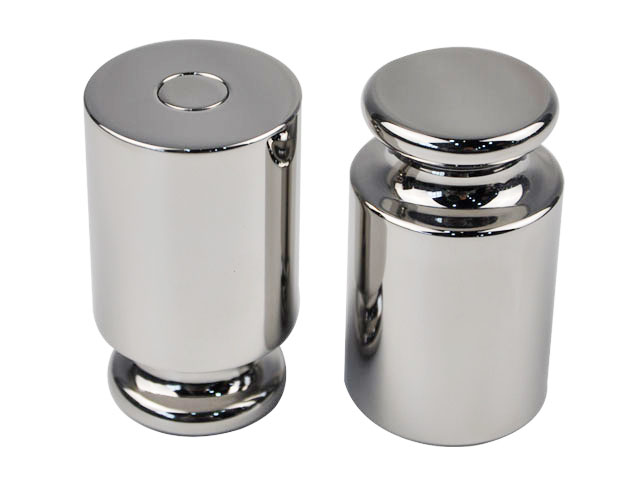
To understand the true value of calibration weights for portable scales, it is first important to grasp how portable scales operate and why they require regular calibration. Most modern portable scales rely on internal load cells, spring mechanisms, or digital sensors that convert physical pressure into a numerical weight reading, a process that depends on the precise alignment and functionality of internal components. When a portable scale is carried in a bag, dropped accidentally, exposed to extreme heat or cold, or used frequently on uneven surfaces, these internal parts can shift slightly, lose tension, or develop minor wear that causes the scale to display readings that are higher or lower than the actual weight of an object. Even small, gradual changes in accuracy can have meaningful consequences, depending on how the scale is used. For individuals weighing ingredients for baking, crafting, or dietary tracking, slight inaccuracies can ruin recipes, throw off portion control, or lead to inconsistent results in homemade projects. For small business owners, such as those selling handmade goods, spices, jewelry, or small retail items by weight, unreliable readings can lead to lost product, dissatisfied customers, or inconsistent inventory counts. In professional settings like field research, environmental sampling, or on-the-go quality checks for small parts, inaccurate weight measurements can skew data, compromise research findings, or lead to flawed quality assessments. Calibration weights address this issue by providing a fixed, known weight that the scale can use to reset its internal settings, correcting any drift or misalignment and restoring its ability to deliver accurate readings time after time.
Calibration weights for portable scales come in a range of sizes and weight values to match the diverse specifications of portable scales, which typically have lower maximum weighing capacities compared to industrial models, often ranging from a fraction of a gram up to several kilograms. Common weight values for portable scale calibration include 1 gram, 5 grams, 10 grams, 50 grams, 100 grams, 200 grams, 500 grams, and 1 kilogram, with smaller weights designed for ultra-sensitive mini portable scales used for jewelry, herbs, or laboratory samples, and larger weights suited for general-purpose portable scales used for cooking, shipping small packages, or general weighing tasks. The selection of the correct calibration weight depends entirely on the specific portable scale being used; most portable scale manufacturers include guidance in the product manual about the ideal weight value for calibration, ensuring that the reference mass aligns with the scale’s mid-range capacity for the most accurate adjustment. Using a weight that is too light or too heavy for the scale’s capacity can lead to incomplete calibration, leaving the scale inaccurate across parts of its weighing range, which is why matching the calibration weight to the scale’s specifications is a key step in the process.
The materials used to make calibration weights for portable scales are carefully chosen to prioritize stability, durability, resistance to environmental factors, and consistent mass, all of which are essential for maintaining long-term accuracy. The most common material is high-grade stainless steel, valued for its resistance to rust, corrosion, and oxidation, as well as its non-magnetic properties, which prevent interference with the digital sensors found in most modern portable scales. Stainless steel calibration weights are also dense and hard, meaning they resist dents, scratches, and wear from regular handling, which could alter their mass over time. Some smaller, more affordable calibration weights for basic portable scales are made from coated brass or aluminum, which offer lightweight design and sufficient stability for casual, low-frequency use, though they may require more careful handling to avoid damage. Higher-precision calibration weights for professional portable scales often feature a polished, smooth finish to prevent the buildup of dust, dirt, oil, or moisture, which can add tiny amounts of extra weight and throw off measurements. Unlike decorative or novelty weights, calibration weights are manufactured with strict tolerances to ensure that their actual mass matches the stated weight value within a tiny margin of error, a level of precision that is not found in ordinary weighted objects. This strict manufacturing process ensures that the calibration weight remains a reliable reference point, even with regular use and exposure to the varied conditions that portable scales encounter.
Using a calibration weight to calibrate a portable scale is a straightforward process, but it requires attention to detail to achieve optimal results, and it can be completed quickly by any user, regardless of technical expertise. The first step is to prepare the scale and the calibration weight by placing the scale on a flat, stable, level surface free from vibration, drafts, or unevenness—common issues in portable settings that can affect readings. The scale should be turned on and allowed to warm up for a minute or two, as digital scales often need a short period to stabilize their internal sensors after powering on. Next, the scale should be reset to zero or placed in calibration mode, following the simple steps outlined in the scale’s manual, which usually involves pressing a specific button or combination of buttons until the display indicates calibration is ready. Once in calibration mode, the calibration weight is placed gently and centered on the scale’s weighing platform, avoiding any sudden pressure or movement that could disrupt the reading. The scale will then compare the displayed weight to the known mass of the calibration weight, automatically adjusting its internal settings to align the two values. After a few seconds, the scale will confirm that calibration is complete, and the weight can be carefully removed. It is important to handle calibration weights with clean, dry hands or soft tweezers to avoid transferring oil, dirt, or moisture onto the weight, as even small amounts of residue can add minimal weight and reduce calibration accuracy over time. For best results, calibration should be performed regularly, with frequency depending on how often the scale is used and the conditions it is exposed to; scales that are carried frequently, used daily, or exposed to harsh environments should be calibrated more often than those used occasionally in a stable setting.
Proper storage and maintenance of calibration weights are just as important as correct usage, as they directly impact the longevity and accuracy of the weights themselves. Calibration weights for portable scales are typically sold in a compact, protective case or foam-lined box, designed to keep the weight safe from scratches, dust, moisture, and physical damage when not in use. Storing the weight in its original case prevents contact with other objects that could cause dents or abrasions, which would alter its mass, and shields it from humidity or temperature extremes that could affect certain materials. When not in use, the calibration weight should be kept in a cool, dry area away from direct sunlight, heat sources, or chemical fumes, all of which can potentially damage the weight’s surface or compromise its stability. If the weight becomes dirty or dusty, it should be cleaned gently with a soft, dry cloth; mild, non-abrasive cleaning solutions can be used for stubborn residue, but the weight must be dried completely before use to avoid adding moisture weight. Regular visual inspections are also recommended to check for signs of damage, such as dents, scratches, rust, or discoloration; any weight that shows visible wear should be replaced, as even minor physical damage can change its mass and make it an unreliable calibration reference. Taking these small maintenance steps ensures that the calibration weight remains accurate for years, providing consistent value for all portable scale calibration needs.
One common misconception about portable scales is that they remain accurate indefinitely without calibration, especially if they appear to be working properly or have not been visibly damaged. In reality, all weighing devices, regardless of size or quality, experience gradual accuracy drift due to normal use, environmental factors, and internal component wear. Portable scales are particularly vulnerable to this drift because of their mobile nature; even gentle movement during transport can shift internal load cells or sensors, leading to subtle inaccuracies that may go unnoticed until a significant error occurs. Relying on a portable scale without regular calibration using a dedicated weight is similar to using a measuring tape that has stretched or a clock that runs slow—the tool appears functional, but the results it produces are unreliable. Calibration weights eliminate this risk by providing a simple, accessible way to verify accuracy on a regular basis, giving users confidence that their portable scale is performing as intended. This confidence is invaluable in both personal and professional contexts, where consistent, accurate weight measurements are essential for achieving desired outcomes, whether that is a perfectly baked recipe, a fairly priced retail product, reliable field data, or properly portioned materials for a project.
Another key benefit of using dedicated calibration weights for portable scales is the consistency they bring to measurements across different settings and over time. A portable scale that is calibrated regularly with the same reliable weight will deliver nearly identical readings whether it is used at home, in a workplace, while traveling, or at a remote location, ensuring that measurements are not dependent on the scale’s location or recent movement. This consistency is especially useful for individuals or businesses that use multiple portable scales, as calibrating all scales with the same set of reference weights ensures that readings are uniform across devices, eliminating discrepancies that can arise from uncalibrated equipment. For example, a small business owner who uses two portable scales for inventory and customer sales can ensure both scales provide the same readings by calibrating them with the same calibration weight, preventing inconsistencies that could lead to inventory errors or customer disputes. In personal use, calibrating a portable kitchen scale regularly ensures that ingredient measurements are consistent from one baking session to the next, even if the scale is moved between different countertops or stored in a cabinet between uses.
Calibration weights also offer a cost-effective solution for maintaining portable scale performance, as they eliminate the need for professional calibration services or frequent replacement of inaccurate scales. While professional calibration is available for weighing devices, it is often impractical for portable scales due to their mobile nature and the cost and time associated with professional servicing. A single, well-made calibration weight can be used repeatedly for years, providing a self-service calibration option that is fast, convenient, and accessible at any time. Instead of replacing a portable scale that seems inaccurate, users can simply calibrate it with the appropriate weight to restore performance, extending the lifespan of the scale and reducing unnecessary waste. This long-term value makes calibration weights a smart investment for anyone who relies on a portable scale for regular use, from casual home users to small business owners and field professionals.
It is also important to note that calibration weights for portable scales are designed to be highly portable themselves, matching the compact, lightweight nature of the scales they are intended to calibrate. Most calibration weights for portable use are small, slim, and lightweight, easily fitting into a pocket, bag, or the carrying case of the portable scale, ensuring that the reference weight is always available when calibration is needed. This portability means that users can calibrate their scales on the go, whether they are at a market stall, a field research site, a friend’s house for a baking project, or a hotel room while traveling, without being limited to a specific location. This level of convenience aligns perfectly with the core purpose of portable scales—versatility and mobility—and ensures that accuracy does not have to be sacrificed for the sake of portability.
In summary, calibration weights are an essential accessory for anyone who uses a portable scale, serving as the foundation for accurate, consistent, and reliable weight measurements in all mobile settings. From correcting minor accuracy drift caused by regular use and movement to providing a standardized reference for long-term performance, these precisely crafted masses play a vital role in maximizing the functionality and lifespan of portable scales. By selecting the appropriate weight value, handling and storing the weight properly, and performing regular calibration, users can ensure that their portable scales deliver consistent results every time, regardless of where they are used or how frequently they are moved. The simplicity, affordability, and long-term value of calibration weights make them an indispensable tool for both personal and professional portable scale use, bridging the gap between mobility and precision and ensuring that weight measurements remain trustworthy in every situation. As portable scales continue to be a staple in daily life and various industries, the role of calibration weights in maintaining measurement integrity will only grow more important, highlighting the need for every portable scale user to have a reliable calibration weight as part of their weighing toolkit.
