





Changzhou Veidt Weighing Co., Ltd. © 2022 ALL RIGHTS RESERVED Privacy Policy | Calibration Weight | Test Weights | Cast Iron Weights | Standard Weights | Laboratory Weights | XML | SITEMAP
NEWS LIST
calibration weight for pocket scale
Thursday 12th March 2026 Back to list
For anyone who relies on a pocket scale for daily weighing tasks, whether for personal use, small-scale crafting, culinary measurements, or general precision weighing, the accuracy of the device is non-negotiable. A pocket scale’s ability to deliver consistent, reliable readings hinges entirely on proper calibration, and at the heart of this process lies the calibration weight—a small, unassuming tool that serves as the foundation for trustworthy weight measurement. Without a high-quality calibration weight, even the most finely engineered pocket scale will gradually lose precision over time, leading to flawed readings that can disrupt routines, compromise the integrity of small-batch work, or create unnecessary frustration for users. Understanding the role, characteristics, proper use, and care of calibration weights for pocket scales is essential for anyone looking to maintain the functionality and accuracy of their portable weighing device, as these weights bridge the gap between a scale’s internal sensors and the real-world mass they are meant to measure.
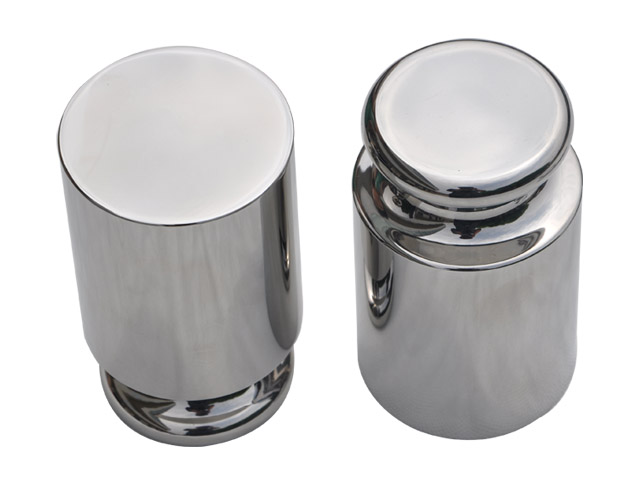
To grasp the importance of calibration weights, it is first necessary to understand why pocket scales require regular calibration in the first place. These compact scales are designed for portability, meaning they are frequently moved, transported, or exposed to a range of environmental conditions that can impact their internal components. Fluctuations in temperature, minor bumps or jostling during transit, changes in altitude, and even prolonged use can cause the scale’s load cells and sensitive electronic parts to shift slightly, altering the way it interprets weight. Unlike larger, stationary scales that remain in a controlled environment, pocket scales are subjected to constant movement and variable conditions, making them far more susceptible to measurement drift. Calibration is the process of resetting the scale’s internal settings to align with a known, fixed mass, and this is only possible with a calibration weight that has a precisely defined, unchanging weight value. This weight acts as a universal reference point, allowing the scale to recalibrate its sensors and restore its ability to measure mass accurately, regardless of previous wear or environmental exposure.
Calibration weights for pocket scales are crafted with meticulous attention to detail, as even the tiniest imperfection can undermine their effectiveness as a reference standard. The materials used to make these weights are chosen for their stability, durability, and resistance to environmental changes that could alter their mass. Common materials include dense metals that hold their shape and weight over time, free from corrosion, warping, or degradation that would compromise their precision. These materials are engineered to minimize the effects of oxidation, moisture, and physical wear, ensuring that the weight remains consistent for extended periods with proper care. Unlike ordinary household objects that may seem to have a fixed weight but can vary due to manufacturing inconsistencies, wear, or moisture absorption, calibration weights are manufactured to strict tolerances, with each weight tested to confirm it matches its stated mass within a narrow margin of error. This level of precision is what sets calibration weights apart from makeshift alternatives and makes them indispensable for reliable pocket scale calibration.
When selecting a calibration weight for a pocket scale, compatibility is key, as using a weight that does not match the scale’s calibration requirements will render the process ineffective. Pocket scales come in a range of weighing capacities and precision levels, from small units designed for measuring minute quantities to larger portable scales that handle heavier small loads. Each scale model is engineered to be calibrated using a specific weight value, typically corresponding to a portion of its maximum weighing capacity or a standard reference mass that aligns with its internal sensor setup. Using a weight that is too light, too heavy, or mismatched to the scale’s calibration parameters will not only fail to restore accuracy but can also disrupt the scale’s internal programming, leading to even greater measurement errors. It is important to choose a calibration weight that aligns with the specific needs of the pocket scale, taking into account both the scale’s maximum capacity and its intended use case. For example, a pocket scale used for measuring small, lightweight items will require a calibration weight of a corresponding small mass, while a scale designed for slightly heavier portable weighing will need a larger, appropriately sized calibration weight to ensure proper sensor alignment.
Proper handling of calibration weights is just as critical as selecting the right weight, as careless use can introduce contaminants, scratches, or surface irregularities that alter the weight’s mass and reduce its accuracy. One of the most common mistakes users make is touching the weighing surface of the calibration weight with bare hands, as the oils, dirt, and moisture present on skin can accumulate on the weight over time, adding tiny amounts of mass that throw off its precision. Even a small amount of residue from fingerprints, lotions, or dust can be enough to create a noticeable discrepancy in calibration, especially for smaller, more sensitive pocket scales that measure in fractions of a gram. To avoid this, calibration weights should always be handled with clean, dry gloves or using a soft, lint-free cloth, gripping the edge or base of the weight rather than the flat weighing surface. Additionally, the weight should never be placed on dirty, rough, or uneven surfaces, as scratches or dents can remove small amounts of material from the weight, permanently altering its mass. When placing the weight on the pocket scale during calibration, it should be set gently and centered on the weighing platform to ensure the scale’s sensors read the mass evenly, without any uneven pressure that could skew the calibration process.
The step-by-step process of using a calibration weight to calibrate a pocket scale, while straightforward, requires patience and attention to detail to achieve optimal results. Before beginning calibration, it is essential to prepare both the scale and the surrounding environment to eliminate external factors that could interfere with the process. The pocket scale should be placed on a flat, stable, level surface free from vibrations, drafts, or sudden movements, as even minor disturbances can disrupt the scale’s sensor readings during calibration. The scale should be turned on and allowed to warm up for a few minutes, giving its internal electronic components time to stabilize and reach a consistent operating temperature, which is vital for accurate calibration. Any debris, dust, or residue should be gently removed from the scale’s weighing platform using a soft brush or cloth, as foreign objects on the platform can add unintended mass and affect the calibration outcome. Once the scale is ready, the user can access the calibration mode, a dedicated setting on most pocket scales that initiates the reset process. The scale will typically prompt the user to place the calibration weight on the platform, at which point the pre-selected, properly handled weight is set carefully in the center. The scale will then process the reference mass, adjusting its internal settings to match the known weight, and signal when calibration is complete, usually with a visual indicator on the display. After calibration, the weight should be removed promptly, and the scale should be tested with a separate, small object to confirm that readings are now consistent and accurate.
Regular calibration, paired with proper care of the calibration weight, is essential for maintaining long-term accuracy of a pocket scale. There is no universal timeline for calibration, as it depends on how frequently the scale is used, the conditions it is exposed to, and the level of precision required for its intended tasks. For casual, infrequent use, calibration may only be needed every few months or after the scale has been subjected to significant movement or environmental changes, such as a drop, a move to a different location, or exposure to extreme temperatures. For users who rely on the scale daily for precise measurements, such as those working with small materials, culinary ingredients, or personal items that require exact weights, calibration should be performed more frequently—often every few weeks or even before each intensive use session. It is also wise to calibrate the scale whenever it begins to show signs of inconsistent readings, such as fluctuating numbers, delayed responses, or measurements that do not align with expected values. By staying consistent with calibration and using a well-maintained weight, users can extend the lifespan of their pocket scale and ensure it remains a reliable tool for all their portable weighing needs.
Storage of calibration weights is another key aspect of preserving their accuracy and functionality, as improper storage can lead to damage, corrosion, or contamination that renders the weight unusable. Calibration weights should be stored in a clean, dry, temperature-stable environment, away from moisture, direct sunlight, chemicals, and sharp objects that could scratch or damage the surface. Most calibration weights come with a protective case or storage container, often lined with soft material to prevent scratches and keep the weight free from dust and debris. This case should be used consistently, as it provides a dedicated, safe space for the weight when not in use, protecting it from the same environmental hazards that affect the pocket scale itself. Storing the weight in a sealed container also prevents moisture buildup and oxidation, which are common causes of mass changes in metal calibration weights. Additionally, the weight should be stored separately from other small objects to avoid accidental scratches or dings, and the storage area should be free from heavy items that could fall onto the weight and cause deformation. Taking the time to store the calibration weight properly ensures that it remains a stable, reliable reference point for calibration, year after year.
While calibration weights are designed for durability, they are not indestructible, and signs of wear or damage should be addressed promptly to avoid inaccurate calibration. Over time, even with careful handling and storage, a calibration weight may show minor signs of use, such as faint scratches, slight discoloration, or a buildup of residue that cannot be cleaned away. In some cases, the weight may become damaged from accidental drops or rough handling, leading to dents, chips, or bending that alters its mass. When any of these issues occur, the calibration weight is no longer a valid reference standard, and continuing to use it will result in flawed scale calibration. It is important to inspect the calibration weight regularly for signs of damage or degradation, checking for any physical imperfections that could impact its weight. If damage is detected, the weight should be replaced immediately to maintain the accuracy of the pocket scale. Investing in a new, high-quality calibration weight when needed is a small but necessary step to uphold the reliability of the weighing process, as cutting corners on the reference standard will only lead to consistent measurement errors.
Beyond basic calibration, calibration weights for pocket scales also play a role in verifying ongoing accuracy between full calibrations, allowing users to confirm that their scale is performing correctly without going through the entire calibration process each time. By periodically placing the calibration weight on the scale during routine use, users can quickly check if the scale displays the correct weight value for the reference mass. If the reading matches the known weight of the calibration weight, the scale remains accurate, and no further action is needed. If the reading is off, even by a small margin, it is a clear sign that the scale requires full calibration to restore precision. This quick verification step is especially useful for users who need consistent accuracy but may not have time for frequent full calibrations, providing a simple way to monitor the scale’s performance and catch drift early before it leads to significant errors. This proactive approach to scale maintenance ensures that users can trust their pocket scale’s readings at all times, whether they are weighing small items at home, on the go, or in a casual work setting.
The versatility of pocket scales makes them a staple tool for a wide range of users, and this versatility directly correlates to the importance of reliable calibration weights. Hobbyists who work with small materials, such as jewelry makers, crafters, or model builders, rely on precise weight measurements to ensure consistency in their projects, and even a small error can ruin hours of work. In the kitchen, home bakers and cooks use pocket scales for measuring small quantities of spices, extracts, or specialty ingredients, where accurate weights are critical for achieving the desired flavor and texture. Individuals who manage personal items, such as small collectibles, supplements, or travel-sized goods, also depend on accurate pocket scale readings for organization and consistency. For all these users, the calibration weight is not just an accessory but a fundamental tool that enables the pocket scale to fulfill its purpose effectively. Without a properly functioning calibration weight, all these tasks become more challenging, as users cannot trust the measurements they are relying on, leading to wasted materials, inconsistent results, and unnecessary frustration.
In the realm of portable weighing, precision is not a luxury but a necessity, and calibration weights are the unsung heroes that make that precision possible. They embody the standard against which all pocket scale measurements are compared, turning a simple electronic device into a reliable tool for accurate weight determination. The care and attention given to selecting, handling, maintaining, and storing calibration weights directly translate to the performance and longevity of the pocket scale itself. Taking the time to understand these small but vital tools, investing in a quality calibration weight that matches the scale’s needs, and following best practices for use and storage are simple yet impactful steps that every pocket scale user should prioritize. Whether for casual, occasional use or daily, precision-dependent tasks, a well-maintained calibration weight ensures that a pocket scale remains accurate, consistent, and dependable, no matter where life takes it. In a world where small details often make a big difference, the role of the calibration weight in keeping pocket scales performing at their best cannot be overstated, as it turns estimated weights into confirmed measurements and uncertainty into reliability.
As portable weighing technology continues to evolve, with pocket scales becoming more compact and sensitive, the demand for high-quality, consistent calibration weights remains unchanged. These tools are rooted in the basic principles of weights and measures, providing a fixed reference that transcends technological advancements in the scales themselves. Even as scales become more advanced, their need for a reliable calibration weight remains constant, as the most sophisticated sensors still require a known mass to reset and align their readings. This timeless relevance makes calibration weights a permanent essential for anyone who owns a pocket scale, a small investment that delivers ongoing value by preserving the accuracy and functionality of a device that is relied on for countless daily tasks. By respecting the role of the calibration weight, handling it with care, and using it properly, users can ensure that their pocket scale remains a trusted companion for accurate weighing, delivering consistent results whenever it is needed.
