





Changzhou Veidt Weighing Co., Ltd. © 2022 ALL RIGHTS RESERVED Privacy Policy | Calibration Weight | Test Weights | Cast Iron Weights | Standard Weights | Laboratory Weights | XML | SITEMAP
NEWS LIST
calibration weight for kitchen scale
Thursday 12th March 2026 Back to list
In the heart of every home kitchen, precision plays a quiet but vital role in turning simple ingredients into delicious, consistent meals and baked goods. A kitchen scale stands as one of the most reliable tools for achieving that precision, eliminating the guesswork that comes with volume measurements and ensuring every batch of cookies, every loaf of bread, and every seasoned dish turns out as intended. Yet even the most well-made kitchen scale can lose its accuracy over time, affected by regular use, minor bumps, shifts in environment, or simple wear and tear on its internal components. This is where a calibration weight for kitchen scale steps in as an unsung hero, a small but essential accessory that keeps weighing equipment performing reliably and maintains the integrity of every measurement taken in the kitchen. Unlike generic household items that may be used as makeshift references, a dedicated calibration weight is crafted to deliver a consistent, unchanging mass, making it the only truly trustworthy way to reset a kitchen scale and restore its measuring accuracy whenever it drifts off course.
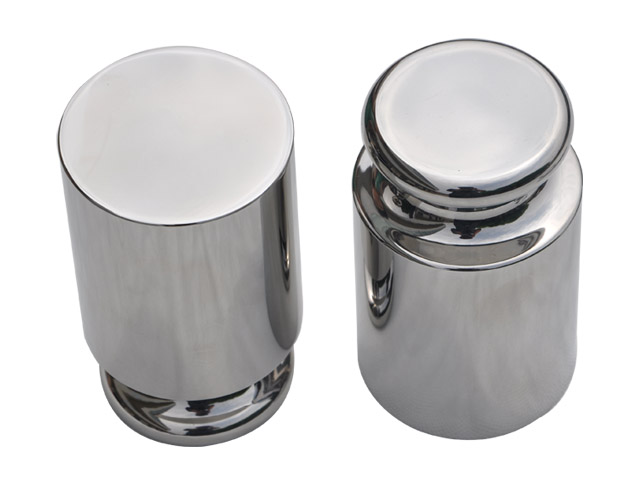
To understand the importance of a calibration weight, it helps to first grasp how a kitchen scale operates and why calibration is necessary. Most modern kitchen scales rely on sensitive load cells or spring mechanisms to detect weight and translate that data into a digital or analog reading. Over weeks and months of use, these internal parts can experience slight shifts—whether from being moved across the counter, accidentally knocked during busy cooking sessions, or exposed to minor changes in temperature or humidity. Even a tiny deviation in the scale’s internal calibration can lead to noticeable differences in measurements: a few extra grams of flour can make a cake dense instead of light, a slight shortage of salt can leave a dish bland, and an inaccurate portion of sugar can throw off the balance of a sweet treat. Calibration works by resetting the scale’s internal settings using a known, fixed mass, and a purpose-built calibration weight is designed to provide that exact, unwavering mass without variation. It acts as a universal reference point, aligning the scale’s readings with true weight and erasing any small errors that have built up over time.
Calibration weights for kitchen use come in a range of standard sizes, each tailored to fit the common weighing capacities of household kitchen scales. Smaller weights, often measured in grams, are ideal for compact scales used for measuring spices, yeast, or other tiny portions where precision is critical. Mid-range weights work well for everyday ingredients like flour, sugar, oats, and produce, matching the typical weights home cooks handle daily. Larger calibration weights cater to scales designed for heavier items, such as bulk grains, large cuts of meat, or full mixing bowls filled with ingredients. What unites all these weights is their commitment to consistency: each one is manufactured to maintain its mass over time, resisting changes that could affect its accuracy. Unlike everyday objects like coins, packaged foods, or kitchen utensils, which can vary in weight due to manufacturing differences, moisture absorption, wear, or packaging inconsistencies, a dedicated calibration weight is engineered to stay stable, making it the only reliable choice for proper scale calibration.
The materials used to craft kitchen scale calibration weights are carefully selected to prioritize stability, durability, and resistance to common kitchen stressors. Many high-quality calibration weights are made from dense, non-reactive metals that hold their shape and mass exceptionally well, avoiding warping, corrosion, or flaking that could alter their weight over time. These materials are also resistant to moisture, grease, and food residue—common culprits in a busy kitchen that can add unwanted mass to makeshift calibration items. Some weights feature a smooth, easy-to-clean finish, allowing users to wipe away any accidental spills or dust without worrying about damaging the weight or changing its mass. The solid construction of these weights also means they can withstand minor drops or bumps that often occur in a kitchen setting, though proper handling is still key to preserving their accuracy for years to come. Unlike flimsy plastic or lightweight materials that may bend or degrade, the robust build of a quality calibration weight ensures it remains a dependable tool for countless calibration sessions.
Using a calibration weight to adjust a kitchen scale is a straightforward process, though it requires a bit of care and attention to detail to ensure optimal results. Before beginning any calibration, it is crucial to prepare the scale and the workspace properly: the scale should be placed on a flat, stable, level surface free from vibrations, drafts, or unevenness that could skew readings. Soft surfaces like carpets, towels, or uneven counter tiles should be avoided, as they can disrupt the scale’s ability to detect weight accurately. The scale should be turned on and given a moment to warm up and stabilize, clearing any residual readings or error messages. Next, users should consult the basic operational guidance for their specific scale to locate the calibration mode—most digital kitchen scales enter this mode through a simple button sequence, often involving holding a power or mode button until a calibration indicator appears on the display. Once the scale signals it is ready for calibration, the calibration weight is placed gently and evenly in the center of the weighing platform, avoiding any contact with the edges of the scale or surrounding objects that could interfere with the reading.
Patience is key during the calibration process, as rushing can lead to incomplete or inaccurate adjustments. After placing the calibration weight, the scale will typically take a few seconds to process the reading and reset its internal settings, often displaying a confirmation message or returning to a zero reading once calibration is complete. It is important not to move the scale or touch the weight during this time, as even the slightest movement can disrupt the calibration. Once the process finishes, the calibration weight is carefully removed, and the scale can be tested to verify its accuracy by placing the weight back on the platform to ensure the reading matches the weight’s marked mass. This quick check confirms that the calibration was successful and the scale is ready for regular use. For best results, it is recommended to perform this calibration routine periodically—how often depends on usage frequency, but most home cooks find that calibrating every few months, or whenever the scale seems to give inconsistent readings, keeps measurements reliable. Additionally, calibrating the scale after moving it to a new location or after any accidental impact is a smart practice to catch and correct accuracy issues early.
Proper care and storage of a calibration weight are just as important as correct usage, as they preserve the weight’s accuracy and extend its lifespan. One of the most critical rules is to keep the calibration weight clean and free from any foreign substances that could add mass: food grease, flour, sugar, dust, and moisture should all be wiped away promptly with a soft, dry cloth. Harsh cleaning chemicals, abrasive scrubbers, or submerging the weight in water should be avoided, as these can damage the weight’s surface or alter its mass. When not in use, the calibration weight should be stored in a clean, dry, stable place, away from extreme temperatures, direct sunlight, or humid environments that could affect its material properties. Many calibration weights come with a protective case or storage pouch, which helps prevent scratches, dust buildup, and accidental damage when the weight is not being used. Handling the weight with clean, dry hands is also recommended, as oils or residue from skin can transfer to the weight and create tiny, unwanted additions to its mass over time. By following these simple care steps, a calibration weight can maintain its precise mass for years, making it a long-term investment in kitchen accuracy.
Beyond home kitchens, calibration weights for scales serve a valuable purpose in any setting where consistent food measurement matters, from small catering businesses and home bakeries to cafes and meal prep services. For anyone who relies on repeatable results in their cooking or baking, whether for personal enjoyment, family meals, or small-scale commercial use, accurate weighing is non-negotiable. A calibration weight removes the uncertainty from scale measurements, ensuring that every recipe is followed exactly and every portion is consistent. This consistency not only improves the taste and texture of food but also reduces waste: when measurements are accurate, there is less need to discard batches that turn out poorly due to incorrect ingredient amounts, and ingredients are used more efficiently. In a world where many home cooks are embracing more intentional, precise cooking practices, a calibration weight has evolved from a niche tool to a fundamental accessory that elevates the functionality of any kitchen scale.
It is also important to distinguish between a dedicated calibration weight and makeshift alternatives that are often suggested for kitchen scale calibration. While some people may use coins, packaged foods, or other household items as quick references, these options lack the consistency and precision of a purpose-built calibration weight. Coins can vary slightly in weight due to wear, circulation, and minting differences, packaged foods may have slight variations in net weight or absorb moisture from the air, and kitchen utensils are not manufactured to strict mass standards. These inconsistencies mean that using makeshift items can lead to partial calibration, leaving small errors in the scale’s readings that add up over time. A calibration weight, by contrast, is produced to strict mass specifications, designed specifically to provide a fixed, unchanging reference for scale calibration. This level of reliability is what makes it worth incorporating into a kitchen toolkit, as it ensures that the scale’s measurements are truly accurate, not just close enough.
Another benefit of investing in a calibration weight for a kitchen scale is the peace of mind it brings. Cooking and baking should be enjoyable, not stressful, and knowing that your measuring tools are accurate removes a common source of frustration. Whether you are a seasoned home baker perfecting a signature recipe, a casual cook experimenting with new dishes, or someone focused on portion control for dietary needs, having a scale that you can trust makes the entire process smoother. There is no need to second-guess measurements, adjust recipes on the fly to compensate for suspected inaccuracies, or worry that a dish will fail due to a faulty scale reading. The calibration weight acts as a safety net, ensuring that the scale performs as intended and letting you focus on the creativity and joy of cooking, rather than the technical details of measurement.
When selecting a calibration weight for a kitchen scale, there are a few practical factors to consider to find the right fit. First, match the weight’s size to the scale’s maximum capacity: a small, low-capacity scale will only need a compact calibration weight, while a larger scale designed for heavy loads will require a heavier weight to calibrate effectively. It is also wise to choose a weight made from durable, stable materials that can withstand the kitchen environment, avoiding lightweight or flimsy options that may lose accuracy quickly. Opting for a weight with a smooth, easy-to-clean surface simplifies maintenance, ensuring that the weight remains pure and unaltered by kitchen debris. While some users may prefer a single calibration weight, others find value in a small set of weights, which allows for calibration at multiple points across the scale’s weighing range, enhancing overall accuracy for both small and large measurements. Regardless of the specific choice, the core goal remains the same: to secure a reliable, fixed mass that can consistently calibrate the kitchen scale and uphold precise measurements.
In the grand scheme of kitchen tools and gadgets, a calibration weight is a modest item, but its impact on cooking and baking accuracy is profound. It is a small investment that pays off in every dish made, every batch baked, and every meal prepared with care. In a space where precision and consistency turn good cooking into great cooking, a calibration weight ensures that the kitchen scale—one of the most vital tools in the modern kitchen—always performs at its best. It eliminates the small inaccuracies that can derail recipes, reduces food waste, and makes cooking a more enjoyable, reliable experience. Whether you are baking a delicate pastry, crafting a savory sauce, or portioning ingredients for a healthy meal, the calibration weight behind the scenes ensures that every measurement is true, turning culinary vision into delicious reality time and time again. Taking the time to calibrate a kitchen scale with a dedicated weight is not just a technical step; it is a commitment to quality in the kitchen, honoring the ingredients, the recipes, and the joy of creating food that tastes exactly as it should.
As kitchen trends continue to lean toward precision and homemade quality, the role of the calibration weight will only grow more significant. More home cooks are moving beyond rough volume measurements and embracing the accuracy of weight-based cooking, and a reliable calibration weight is the foundation of that shift. It ensures that even affordable, everyday kitchen scales can deliver professional-level accuracy, making precise cooking accessible to everyone, regardless of skill level or kitchen setup. No longer just a tool for professional bakers or culinary experts, the calibration weight has become a staple for any home cook who values consistency, reliability, and perfect results. By keeping a calibration weight on hand and using it regularly to maintain scale accuracy, anyone can elevate their cooking and baking, ensuring that every creation is made with the exact right amount of ingredients—and that is the true magic of this small but indispensable kitchen accessory.
