





Changzhou Veidt Weighing Co., Ltd. © 2022 ALL RIGHTS RESERVED Privacy Policy | Calibration Weight | Test Weights | Cast Iron Weights | Standard Weights | Laboratory Weights | XML | SITEMAP
NEWS LIST
calibration weight for industrial scale
Thursday 12th March 2026 Back to list
In the complex and fast-paced landscape of modern industrial operations, precise weight measurement stands as a cornerstone of consistent performance, reliable quality control, and streamlined operational efficiency. Every industrial scale, whether deployed in heavy manufacturing facilities, food processing plants, logistics and warehousing hubs, pharmaceutical production lines, or agricultural processing centers, relies on a critical reference tool to uphold its accuracy: the calibration weight. These precisely crafted masses are not mere metal or alloy blocks; they are the silent guardians of measurement integrity, ensuring that industrial scales deliver consistent, trustworthy readings day in and day out, even under the demanding conditions of daily industrial use. Without properly designed and maintained calibration weights, even the most advanced industrial weighing equipment would gradually lose its precision, leading to a cascade of operational challenges, financial losses, and compromised product quality across countless industrial sectors.
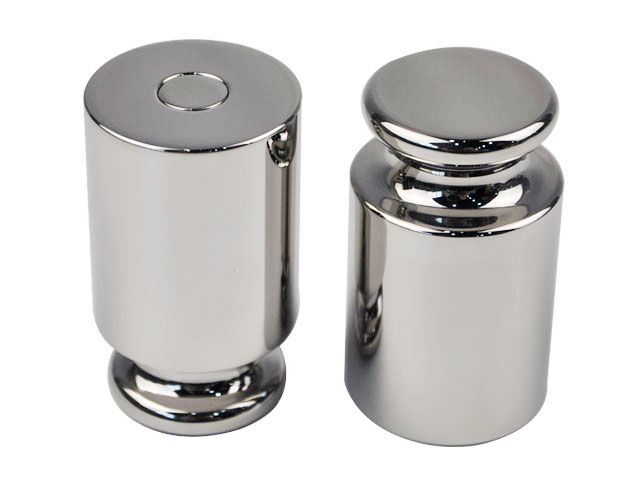
To understand the true significance of calibration weights for industrial scales, it is essential to first grasp the core function they serve within the calibration process. Calibration, at its heart, is the act of comparing the readings generated by an industrial scale against a known, stable mass value—the calibration weight—to identify and correct any deviations or inaccuracies in the scale’s performance. Industrial scales are subjected to a multitude of stressors in routine operation: repeated loading and unloading of heavy materials, exposure to fluctuating temperatures, humidity, dust, and mechanical vibrations, as well as gradual wear and tear on internal components like load cells and weighing platforms. Over time, these factors can cause subtle shifts in the scale’s calibration, resulting in minor measurement errors that may seem insignificant at first glance but can escalate into major issues over extended periods. A small deviation in weight measurement, when multiplied across thousands of production batches, shipping loads, or material inventory checks, can lead to excessive material waste, underfilled or overfilled products, inaccurate billing for goods, mismanaged inventory levels, and even non-compliance with industry operational standards. Calibration weights eliminate this risk by providing a fixed, unchanging reference point, allowing operators to adjust the scale’s settings, verify its performance, and restore its measurement accuracy with confidence.
The design and material composition of industrial calibration weights are engineered specifically to withstand the harsh realities of industrial environments, setting them apart from standard precision weights used in laboratory settings. Durability, stability, and resistance to environmental degradation are the top priorities in their manufacturing, as these weights must maintain their precise mass values for years despite frequent handling, transport, and exposure to harsh conditions. Common materials used for industrial calibration weights include high-grade cast iron, stainless steel, and specialized alloy metals, each chosen for its unique set of properties that align with different industrial needs. Cast iron calibration weights are favored for heavy-duty, high-capacity applications, such as calibrating large platform scales, truck scales, and weighbridges; their robust construction resists dents, cracks, and deformation under heavy loads, making them ideal for rugged industrial settings where rough handling is unavoidable. Stainless steel calibration weights, on the other hand, offer exceptional resistance to corrosion, rust, and chemical damage, making them the preferred choice for industries with strict hygiene standards, such as food and beverage production, pharmaceutical manufacturing, and chemical processing. These weights do not absorb moisture or contaminants, ensuring that their mass remains unaltered even in damp or chemically active environments, and they are easy to clean and sanitize to meet strict operational protocols.
Beyond material selection, the physical design of industrial calibration weights is tailored to enhance usability and practicality in industrial workflows. Many industrial weights feature ergonomic handling features, such as built-in lifting eyes, recessed handles, or tapered edges, to facilitate safe and efficient transport using forklifts, cranes, or manual handling equipment, especially for larger, heavier weights used in high-capacity scale calibration. They are also manufactured in a wide range of mass values to accommodate the diverse needs of industrial scales, from small fractional weights used for fine-tuning precision bench scales to massive single-piece or stackable weights designed for calibrating heavy-duty industrial scales that measure tons of material. This versatility ensures that there is a suitable calibration weight solution for every type of industrial weighing equipment, regardless of its capacity or application. Additionally, industrial calibration weights are crafted to strict dimensional and mass tolerances, with meticulous attention to detail during the manufacturing process to ensure that each weight meets the required precision standards for its intended use. Even minor imperfections in weight composition or dimensions could alter its mass, so manufacturers employ rigorous quality control measures to eliminate defects and ensure uniformity across every weight produced.
The practical application of calibration weights spans every corner of the industrial world, with each sector relying on these tools to maintain operational excellence and meet specific performance goals. In heavy manufacturing and metalworking industries, for example, industrial scales are used to measure raw materials like steel, aluminum, and other metals, as well as finished components and assemblies. Accurate weight measurements here are critical for maintaining production consistency, ensuring that material batches meet precise specifications, and preventing costly overuse of expensive raw materials. Calibration weights are used regularly to verify the accuracy of these scales, ensuring that production lines run smoothly and that finished products meet quality and dimensional requirements. In the food and beverage industry, where precise ingredient measurements are essential for product consistency, taste, and safety, calibration weights play a vital role in calibrating scales used for mixing, blending, and packaging food products. Even a tiny error in ingredient weight can alter the texture, flavor, or nutritional profile of a food item, leading to product recalls, wasted inventory, and damage to brand reputation; regular calibration with reliable weights mitigates this risk entirely.
Logistics, warehousing, and transportation sectors also depend heavily on calibrated industrial scales, and by extension, calibration weights, to manage cargo and shipping operations efficiently. Industrial scales in these settings are used to weigh pallets, crates, and entire truckloads of goods, with accurate weight readings directly impacting shipping costs, load distribution, and compliance with transportation weight limits. Overweight shipments can lead to fines, delays, and safety hazards on the road, while underweight shipments can result in lost revenue for businesses. Calibration weights ensure that these scales remain accurate, allowing logistics teams to calculate shipping costs correctly, distribute weight evenly across vehicles, and avoid costly disruptions to supply chain operations. In pharmaceutical and chemical manufacturing, where precision is non-negotiable for product safety and efficacy, calibration weights are used to calibrate high-precision scales that measure active ingredients, excipients, and chemical compounds. The strict operational requirements of these industries leave no room for measurement error, as even a small deviation in ingredient weight can compromise the safety and effectiveness of medications or chemical products, making reliable calibration weights an indispensable part of daily operations.
Agricultural and agricultural processing industries also benefit greatly from industrial calibration weights, as scales are used to measure grains, seeds, fertilizers, livestock feed, and harvested crops. Farmers and agricultural processors rely on accurate weight measurements to determine crop yields, calculate proper application rates for fertilizers and pesticides, and facilitate fair trade when buying or selling agricultural commodities. Calibration weights ensure that these scales provide consistent readings, supporting sustainable farming practices, reducing input waste, and ensuring transparency in agricultural commerce. In addition to these core industries, calibration weights are essential in mining, construction, textile manufacturing, and countless other industrial fields where weight measurement is a fundamental part of daily operations. No matter the industry, the common thread is clear: calibration weights are the foundation of accurate industrial weighing, enabling businesses to operate efficiently, reduce waste, maintain quality, and avoid the financial and operational pitfalls of inaccurate measurements.
Proper handling, storage, and maintenance of industrial calibration weights are equally important to their design and application, as these practices directly impact their long-term stability and accuracy. Even the most precisely manufactured calibration weight can lose its accuracy if subjected to improper care, making routine maintenance a critical part of any industrial calibration program. One of the key aspects of maintaining calibration weights is proper storage; weights should be kept in a clean, dry, temperature-stable environment, free from dust, moisture, chemicals, and physical damage. Specialized storage cases, racks, or cabinets are often used to keep weights organized and protected, preventing scratches, dents, or corrosion that could alter their mass. When handling calibration weights, operators should use clean, dry gloves or tools to avoid transferring oils, dirt, or moisture from their hands to the weight surface, as these contaminants can add subtle mass and affect accuracy over time. Weights should be lifted and moved carefully, avoiding dragging, dropping, or stacking them in a way that could cause mechanical damage, especially for heavier cast iron or alloy weights.
Regular inspection and periodic recalibration of calibration weights themselves are also essential practices in industrial settings. Over time, even the most durable weights can experience subtle wear or mass loss due to repeated use, environmental exposure, or minor damage. Industrial facilities should establish a routine inspection schedule to check for signs of corrosion, deformation, scratches, or contamination on each calibration weight, and any damaged or compromised weights should be removed from service immediately to prevent inaccurate scale calibration. Additionally, calibration weights should be periodically tested against higher-level reference standards to verify their mass accuracy and ensure they continue to meet the required performance criteria. This proactive approach to maintenance not only preserves the integrity of the calibration weights but also ensures that the industrial scales they calibrate remain reliable, reducing the risk of measurement errors and minimizing downtime associated with faulty weighing equipment.
Investing in high-quality industrial calibration weights and implementing a consistent calibration schedule is a strategic decision that delivers long-term value for industrial businesses of all sizes. While some may view calibration as a routine, non-essential task, the reality is that accurate weighing is integral to every aspect of industrial operations, from cost control and quality assurance to regulatory adherence and customer satisfaction. The costs associated with neglected calibration—including material waste, product defects, shipping errors, inventory discrepancies, and operational delays—far outweigh the investment in reliable calibration weights and regular calibration procedures. Calibration weights act as a safeguard against these risks, providing a cost-effective solution to maintain measurement accuracy and uphold operational efficiency across the board.
As industrial technology continues to advance and weighing equipment becomes increasingly sophisticated, the role of calibration weights remains unchanged and irreplaceable. Even the most automated, digital industrial scales still require a physical, known mass reference to verify and adjust their accuracy, and calibration weights fulfill this role perfectly. They are a timeless, reliable tool that bridges the gap between cutting-edge weighing technology and real-world industrial performance, ensuring that modern scales operate at their full potential. In an era where industrial operations are driven by data, efficiency, and precision, the accuracy of weight measurements is more critical than ever, and calibration weights stand as the unwavering standard that keeps these measurements reliable.
In conclusion, calibration weights are an indispensable component of industrial scale maintenance and operational success. Their robust design, precise manufacturing, and adaptability to harsh industrial environments make them the ideal reference tool for verifying and restoring scale accuracy, while their widespread application across diverse industries highlights their universal importance. From heavy manufacturing to food production, logistics to pharmaceuticals, every industrial sector that relies on weight measurement depends on calibration weights to maintain consistency, reduce waste, and ensure operational excellence. By prioritizing the use of high-quality calibration weights, implementing proper handling and maintenance practices, and adhering to a regular calibration schedule, industrial businesses can protect their operations from the risks of inaccurate weighing, optimize their performance, and position themselves for long-term success in a competitive global market. The true value of calibration weights lies not in their physical form, but in the stability, accuracy, and reliability they bring to every industrial weighing operation, making them an essential investment for any forward-thinking industrial enterprise.
