





Changzhou Veidt Weighing Co., Ltd. © 2022 ALL RIGHTS RESERVED Privacy Policy | Calibration Weight | Test Weights | Cast Iron Weights | Standard Weights | Laboratory Weights | XML | SITEMAP
NEWS LIST
calibration weight for imperial scale
Saturday 21st March 2026 Back to list
In the vast landscape of weighing and measurement, imperial scales remain a staple across countless industries, commercial settings, and even everyday operational spaces, rooted in a long-standing system of weights and measures that has shaped trade, manufacturing, and quality control for generations. At the heart of maintaining the reliability and precision of these imperial scales lies a small yet indispensable tool: the calibration weight designed specifically for imperial unit measurements. Unlike generic mass standards that cater to metric systems, these imperial calibration weights are crafted to align perfectly with pounds, ounces, hundredweights, and other traditional imperial weight denominations, serving as the critical reference point that ensures every reading on an imperial scale is consistent, accurate, and free from avoidable error. To understand their true significance, it is essential to explore their purpose, design, material composition, proper handling, practical applications, and the far-reaching impact they have on operations that rely on unwavering measurement integrity.
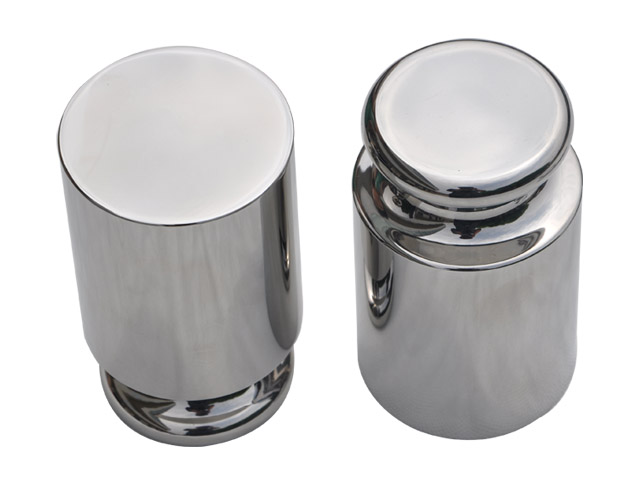
First and foremost, calibration weights for imperial scales fulfill a fundamental role in the calibration process, a routine yet vital procedure that restores and verifies a scale’s ability to deliver correct weight readings. Over time, all weighing equipment, regardless of build quality or frequency of use, experiences subtle shifts in accuracy due to a range of external and internal factors. Regular use can cause minor wear to internal components, exposure to dust, moisture, or temperature fluctuations can disrupt the scale’s sensitive load cells or mechanical balance, and even accidental bumps or shifts in placement can alter its calibration settings. For imperial scales, which are calibrated to read in imperial units exclusively or as a primary measurement option, using a standard metric weight for calibration would create a mismatch in unit conversion and precision, leading to persistent inaccuracies that can compromise entire workflows. Imperial calibration weights eliminate this issue by providing a fixed, known mass measured strictly in imperial units—from fractional ounces for small, precision-focused scales to heavy pounds for industrial floor scales—allowing technicians or operators to adjust the scale’s internal settings to match this reference mass exactly. This direct alignment ensures that the scale reads true to imperial measurements, avoiding the small but cumulative errors that can arise from cross-unit calibration or the use of non-standard reference masses.
The design and construction of these calibration weights are carefully engineered to meet the demands of consistent, long-term use, with variations tailored to different types of imperial scales and working environments. Most imperial calibration weights are crafted in compact, durable shapes that are easy to handle, store, and place on a scale’s weighing platform without causing damage or uneven weight distribution. Common shapes include cylindrical weights for tabletop and precision scales, flat slab weights for larger industrial and platform scales, and grip-handle weights for heavier pound denominations that require secure lifting and placement. Each weight is marked clearly with its imperial mass value—such as 1 oz, 2 lb, 5 lb, 25 lb, or 50 lb—ensuring quick and easy identification during calibration, even in fast-paced or low-light work settings. The marking is typically engraved or permanently stamped into the surface, preventing fading or wear that could make the weight value unreadable over time, a key detail that supports ongoing usability and reliability.
Material selection is another critical aspect of imperial calibration weight design, as the chosen material directly impacts the weight’s stability, resistance to environmental damage, and ability to maintain a consistent mass over years of use. Two primary materials dominate the production of these weights, each suited to distinct use cases and environmental conditions. The first is high-grade stainless steel, a popular choice for precision and laboratory-grade imperial calibration weights. Stainless steel offers exceptional resistance to rust, corrosion, and oxidation, making it ideal for use in humid environments, laboratories, food processing facilities, or any space where moisture or chemical exposure is a concern. It also has a dense, uniform composition that ensures the mass remains stable and unchanging, even with frequent handling and regular calibration use. Stainless steel weights are often polished to a smooth finish, reducing the buildup of dust, dirt, or residue that could add tiny, unwanted mass and throw off calibration accuracy. The second common material is cast iron, typically used for heavier industrial imperial calibration weights, such as those used for large platform scales, warehouse scales, or shipping and receiving scales. Cast iron is highly durable and cost-effective for producing larger mass weights, with a robust build that can withstand the rough handling and heavy use common in industrial settings. While cast iron weights may be coated with a protective paint or finish to prevent rust, they are best suited for dry, controlled environments where moisture exposure is minimal. Both materials are chosen for their ability to retain a consistent mass over time, a non-negotiable trait for any calibration weight, as even a minute change in mass can render the entire calibration process ineffective.
Proper handling and usage protocols are essential to preserve the accuracy and lifespan of imperial calibration weights, as careless handling can introduce mass variations or damage that undermines their purpose as a reference standard. One of the most important rules is to avoid touching the weighing surface of the weight with bare hands, as natural oils, sweat, and dirt from skin can leave a residue that adds a small amount of extra mass, which can be significant for smaller, precision weights. Instead, users should wear clean, lint-free gloves or use specialized handling tools, such as tweezers for small ounce weights or lifting hooks for heavy pound weights, to ensure no foreign material is transferred to the weight. When placing a calibration weight on an imperial scale, it should be set gently and centered on the weighing platform to avoid putting uneven pressure on the scale’s sensors, which can cause temporary inaccuracies during the calibration process. After use, weights should be stored in a dedicated, clean, and dry case or storage tray, separate from other tools or equipment, to prevent scratches, dents, or contamination. Stacking weights haphazardly or placing heavy objects on top of them can cause physical damage that alters their mass, so proper storage is a simple yet effective way to protect their integrity. Additionally, calibration weights should be kept away from extreme temperatures, direct sunlight, and chemical fumes, as these environmental factors can gradually degrade the material or cause subtle expansion and contraction that affects mass consistency.
The range of applications for imperial calibration weights is incredibly diverse, spanning nearly every sector that relies on imperial scale measurements for daily operations. In commercial retail settings, such as grocery stores, delis, and specialty food shops, imperial scales are used to weigh fresh produce, meat, baked goods, and other loose items, and accurate readings are essential to ensure fair pricing for customers and consistent inventory tracking for business owners. Regular calibration with dedicated imperial weights prevents undercharging or overcharging, maintaining trust between businesses and consumers and avoiding disputes over weight measurements. In manufacturing and production facilities, imperial scales play a key role in measuring raw materials, components, and finished products, where precise weight ratios are critical to maintaining product quality, adhering to production formulas, and meeting internal quality standards. For example, in food and beverage manufacturing, accurate weighing of ingredients in pounds and ounces ensures that every batch of product meets flavor, texture, and safety standards, while in hardware and parts manufacturing, precise weight measurements help verify product consistency and compliance with production specifications. In shipping, logistics, and warehouse operations, imperial scales are used to weigh packages, crates, and pallets, with accurate weight readings directly impacting shipping costs, load balancing, and compliance with transportation guidelines. Calibration with imperial weights ensures that shipping weights are recorded correctly, preventing costly adjustments or delays in transit.
Beyond commercial and industrial use, imperial calibration weights are also vital in agricultural operations, where imperial scales are used to weigh crops, livestock feed, seeds, and fertilizers. Farmers and agricultural workers rely on accurate weight measurements to determine crop yields, calculate feed ratios for livestock, and apply the correct amount of fertilizers and soil amendments, all of which impact crop health, livestock well-being, and overall farm productivity. In small-scale workshops and repair shops, smaller imperial calibration weights are used to calibrate compact bench scales for weighing small parts, fasteners, and materials, ensuring that precision work is carried out with accurate measurements. Even in educational settings, such as vocational schools and technical training programs, imperial calibration weights are used to teach students about weighing equipment maintenance, calibration techniques, and the importance of accurate measurement in skilled trades, helping to build a foundation of knowledge for future technicians and operators.
Regular calibration with imperial weights is not just a matter of maintaining accuracy; it also supports consistency across multiple scales within a single operation. Many businesses and facilities use multiple imperial scales across different departments or workstations, and without a unified reference standard, each scale may develop its own unique margin of error, leading to inconsistent measurements across the board. By using the same set of calibrated imperial weights to calibrate all scales regularly, operators can ensure that every scale delivers identical readings for the same mass, creating a standardized measurement system that streamlines operations, reduces errors, and improves overall efficiency. This standardization is particularly important for businesses that track inventory across multiple locations or departments, as inconsistent weight readings can lead to discrepancies in stock levels, waste, and lost revenue.
Over time, even the most well-maintained imperial calibration weights may require periodic verification to confirm their mass remains consistent and accurate. While these weights are designed to be stable, long-term use, minor wear, or accidental damage can cause subtle changes in mass that are not immediately visible to the naked eye. Scheduling regular verification checks with a dedicated measurement standard helps identify any minor deviations early, allowing for adjustments or replacement of weights that no longer meet the required precision levels. This proactive approach to maintenance ensures that the calibration weights themselves remain reliable reference points, so every scale calibration performed using them delivers trustworthy results. It is important to note that verification should be done at regular intervals, tailored to the frequency of use and the working environment; weights used daily in industrial settings may require more frequent checks than those used occasionally in a low-traffic office or retail space.
One common misconception about imperial calibration weights is that they are only necessary for high-precision or industrial scales, but this is far from the truth. Every imperial scale, from small countertop scales used in small businesses to heavy-duty industrial platform scales, benefits from regular calibration with the correct imperial weights. Even scales that are used infrequently can drift out of calibration over time due to environmental factors or storage conditions, so a consistent calibration schedule is essential for all equipment. Investing in a set of high-quality imperial calibration weights is a modest investment that delivers significant long-term value, as it prevents the costly consequences of inaccurate weight measurements, including lost revenue, wasted materials, customer dissatisfaction, and operational delays.
In a world where precision and consistency are foundational to successful operations, the role of calibration weights for imperial scales cannot be overstated. These unassuming tools serve as the quiet backbone of reliable imperial measurement, bridging the gap between a scale’s mechanical or electronic functionality and accurate, actionable weight data. They embody the importance of attention to detail in maintenance and quality control, reminding us that even the smallest components play a critical role in the smooth running of businesses, industries, and daily operations. As imperial scales continue to be widely used across the globe, the demand for well-crafted, durable, and accurate imperial calibration weights remains steady, as they are essential to upholding the integrity of the imperial measurement system for years to come. Whether in a bustling retail store, a busy manufacturing floor, a sprawling warehouse, or a small family-owned workshop, these calibration weights work tirelessly behind the scenes, ensuring that every weight reading is consistent, fair, and reliable, and supporting the seamless flow of operations that drive countless sectors forward.
Taking the time to select the right imperial calibration weights for specific scale types and applications, follow proper handling and storage practices, and stick to a regular calibration and verification schedule is a commitment to quality and accuracy that pays off in every aspect of operation. It eliminates guesswork from weighing processes, reduces the risk of avoidable errors, and builds trust in the data generated by imperial scales. In essence, imperial calibration weights are more than just reference masses; they are a symbol of operational diligence, a tool that upholds standards, and a key component in maintaining the reliability of the measurement systems that shape our daily work and commerce. Without them, the consistency and accuracy of imperial scale measurements would be compromised, leading to a ripple effect of inefficiencies and inaccuracies that impact businesses, consumers, and industries alike. Their quiet, consistent performance makes them an irreplaceable asset for anyone who relies on imperial scales for accurate, dependable weight measurement.
