





Changzhou Veidt Weighing Co., Ltd. © 2022 ALL RIGHTS RESERVED Privacy Policy | Calibration Weight | Test Weights | Cast Iron Weights | Standard Weights | Laboratory Weights | XML | SITEMAP
NEWS LIST
calibration weight for high precision scale
Saturday 21st March 2026 Back to list
In the world of precise measurement, high-precision scales serve as foundational tools across countless industries and professional settings, from laboratory research and material testing to manufacturing quality control and pharmaceutical formulation. These devices rely on unwavering accuracy to deliver consistent, reliable readings that form the basis of critical decisions, experimental results, and product integrity. At the heart of maintaining this accuracy lies the calibration weight, a seemingly simple yet profoundly important reference standard that ensures high-precision scales operate within acceptable tolerance levels over time. Without properly designed and carefully handled calibration weights, even the most advanced high-precision scales will gradually drift from their intended measurement accuracy, leading to inconsistent data, flawed experimental outcomes, and compromised product quality. Understanding the role, design, materials, handling, and maintenance of calibration weights is essential for anyone who depends on high-precision scales for daily work, as this knowledge directly translates to more reliable measurements and long-term equipment stability.
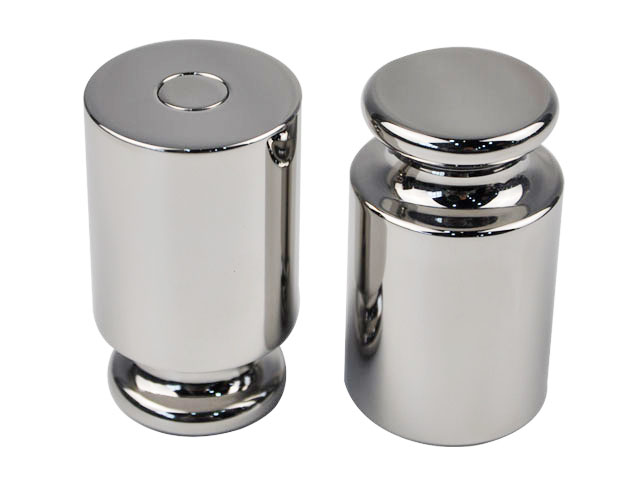
Calibration weights function as fixed reference masses that allow users to adjust and verify the measurement accuracy of high-precision scales. Unlike standard weights used for general balancing tasks, calibration weights are engineered to extremely tight manufacturing tolerances, with every detail of their composition and construction optimized to preserve a consistent, unchanging mass. The core principle behind their use is straightforward: when a calibration weight of a known, fixed mass is placed on the weighing platform of a high-precision scale, the scale’s internal sensors and measurement system should detect and display that exact mass. If the reading deviates from the known value, the scale can be adjusted to align with the calibration weight’s mass, correcting any drift caused by internal component wear, environmental factors, or regular use. This process is not a one-time task; regular calibration with suitable weights is necessary to counteract the gradual changes that occur in all precision weighing equipment, no matter how well it is constructed or how carefully it is used.
The selection of materials for calibration weights intended for high-precision scales is a critical factor that directly impacts their performance and longevity. Materials must meet several key criteria to be suitable: they must have a stable density that does not change over time, resist corrosion and oxidation, minimize magnetic susceptibility, and withstand minor physical impacts without deforming or losing mass. Common materials used for these precision weights include high-grade stainless steel alloys, non-magnetic metals, and specialized dense alloys, each chosen for specific use cases and tolerance requirements. Stainless steel is a widely preferred material for many calibration weights due to its excellent resistance to rust and tarnish, which is vital for maintaining mass consistency; even a small layer of corrosion or surface contamination can alter the mass of a weight enough to affect calibration results for high-precision scales. Non-magnetic materials are especially important for scales used in environments with magnetic fields or for weighing magnetic materials, as magnetic attraction between the weight and the scale’s internal components can create false readings and disrupt the calibration process. Denser materials are often used for smaller calibration weights, as they allow for a compact size while maintaining the required mass, making them easier to handle and store without taking up excessive space in laboratory or industrial settings.
The physical design and construction of calibration weights are also carefully engineered to support accurate, repeatable calibration of high-precision scales. Most precision calibration weights feature a smooth, polished surface free of rough edges, pores, or irregularities that could trap dust, moisture, or other contaminants. Contaminant buildup is a common cause of mass change in calibration weights, so a non-porous, easy-to-clean surface is essential for preserving the reference mass over extended periods. Many standard calibration weights have a cylindrical or block shape with a small handle or indentation for safe handling, designed to minimize direct contact with the main mass surface. Direct skin contact is a significant risk for calibration weights, as natural oils, sweat, and skin particles can leave a residue that adds tiny amounts of mass, gradually throwing off the weight’s accuracy. For ultra-high-precision applications, weights may have a one-piece construction with no internal cavities or adjustable components, as these features can introduce opportunities for mass shift or contamination. Larger calibration weights may feature reinforced edges to prevent chipping or deformation during transport and use, while smaller micro-weights are designed with delicate, compact structures that require extra care to avoid damage.
Proper handling techniques are among the most important practices to preserve the accuracy of calibration weights for high-precision scales, yet they are often overlooked in busy work environments. Even the smallest mistakes in handling can compromise the integrity of a calibration weight, leading to inaccurate scale adjustments. First and foremost, direct contact with bare hands should always be avoided; instead, users should wear lint-free, powder-free gloves or use specialized handling tools such as soft-tipped tweezers or weight hooks to lift and place the weight. This prevents the transfer of skin oils, moisture, and debris onto the weight’s surface, which can accumulate over time and create a measurable change in mass. When placing a calibration weight on a high-precision scale, it should be set down gently and centered on the weighing platform to avoid damaging the scale’s sensitive load cells and to ensure an even distribution of mass. Sliding or dropping the weight can cause physical damage to both the weight and the scale, leading to permanent changes in mass or scale calibration drift. After use, calibration weights should never be left on the scale platform or exposed to open air for extended periods; they should be returned promptly to their designated storage case to protect against dust, moisture, and accidental contact.
Environmental conditions play a substantial role in both the performance of high-precision scales and the stability of calibration weights, making it essential to use and store weights in a controlled environment that supports measurement accuracy. Temperature fluctuations are a major environmental factor that can affect both calibration weights and scales: most materials expand slightly when heated and contract when cooled, and while this change is minimal for high-quality calibration weight materials, it can be detectable by high-precision scales that measure to very small increments. For this reason, calibration should always be performed in a space with stable ambient temperature, free from direct sunlight, heating vents, or air conditioning units that can cause rapid temperature shifts. Humidity is another key consideration, as high humidity can lead to moisture accumulation on the weight’s surface, adding minor mass and affecting calibration results. Dust and airborne particles are also problematic, as they can settle on the weight and scale platform, creating a layer that alters measurement readings. Ideally, calibration activities should take place in a clean, low-dust environment with minimal air movement, such as a dedicated laboratory weighing station or a controlled quality control room. Additionally, calibration weights should be stored in a protective case lined with soft, non-abrasive material, placed in a location that is dry, cool, and free from vibration, as excessive vibration can damage both the weights and the precision scales they are used to calibrate.
Regular cleaning and maintenance are vital to preserve the mass stability of calibration weights and ensure consistent calibration results for high-precision scales. Cleaning should be performed on a routine schedule, but only when necessary and using gentle, non-abrasive methods to avoid damaging the weight’s surface or altering its mass. Before cleaning, users should always wear proper handling gloves to avoid recontaminating the weight after cleaning. For light dust and surface debris, a soft, lint-free microfiber cloth or a gentle blast of clean, dry compressed air is sufficient to remove particles without touching the surface aggressively. For more persistent residue, a slightly dampened microfiber cloth with a mild, non-corrosive cleaning solution can be used, but the weight must be dried immediately and thoroughly with a clean, dry cloth to prevent moisture from lingering on the surface. Harsh chemicals, abrasive scrubbers, and rough brushes should never be used, as they can scratch the weight’s polished surface, remove small amounts of material, or create pores that trap contaminants. After cleaning, the weight should be allowed to acclimate to the ambient temperature of the calibration area for a sufficient period before use, as temperature differences between the weight and the scale can cause temporary measurement discrepancies. It is also important to inspect calibration weights regularly for signs of damage, such as scratches, dents, corrosion, or chipping; any weight that shows visible damage should be removed from use and evaluated, as physical damage can permanently alter its mass and render it unreliable for precision calibration.
Choosing the right calibration weights for a specific high-precision scale requires careful consideration of several key factors to ensure compatibility and accurate results. One of the most important factors is matching the tolerance level of the calibration weight to the precision level of the scale; the weight must have a tighter tolerance than the scale it is calibrating, as a lower-precision weight cannot accurately verify a higher-precision scale. Users should assess the scale’s measurement increment, or readability, and select weights that meet a more stringent mass tolerance to ensure reliable adjustment. The mass range of the calibration weights is another critical consideration; it is recommended to use weights that cover the full operating range of the scale, including a weight near the scale’s maximum capacity and smaller weights for testing lower measurement ranges. Using a single weight for calibration may not catch drift across the entire scale range, so a set of weights with varying masses is often more effective for comprehensive calibration. The intended application of the scale also influences weight selection: scales used for laboratory research or pharmaceutical manufacturing may require weights with extremely tight tolerances and non-magnetic, corrosion-resistant materials, while scales used in industrial manufacturing may prioritize durability and resistance to harsh environmental conditions without sacrificing core precision. Taking the time to select the appropriate calibration weights for a specific scale and application ensures that calibration efforts are effective and that the scale continues to deliver accurate measurements for its intended use.
The frequency of calibration with precision weights varies depending on several factors, including the type of high-precision scale, how often it is used, the environment it operates in, and the criticality of the measurements it produces. Scales that are used multiple times daily in demanding environments, such as busy research laboratories or high-volume manufacturing facilities, will require more frequent calibration than scales used occasionally in controlled settings. Generally, high-precision scales should be calibrated upon initial installation, after any relocation or physical movement, and at regular scheduled intervals thereafter. Even scales with internal calibration systems benefit from regular verification with external calibration weights, as internal systems can also drift over time and need independent validation. Some scales may show signs of inaccurate readings, such as inconsistent measurements for the same sample or slow response times, which indicate that immediate calibration is needed. Keeping a detailed log of calibration activities, including the date of calibration, the weights used, and the results obtained, is a valuable practice for tracking scale performance over time and identifying patterns of drift that may indicate underlying equipment issues. This log also helps ensure that calibration remains consistent and that any deviations are addressed promptly before they impact measurement quality.
The long-term value of investing time and care into calibration weights for high-precision scales extends far beyond simple measurement accuracy, impacting overall operational efficiency, cost savings, and quality assurance. Inaccurate measurements from uncalibrated scales can lead to a range of costly problems: in laboratory settings, flawed data can ruin research projects, waste valuable samples and materials, and delay important scientific advancements. In manufacturing, incorrect weight measurements can result in product defects, wasted raw materials, and inconsistent product quality, leading to production delays and increased operational costs. In pharmaceutical and chemical industries, precise weighing is critical to ensure product safety and efficacy, making accurate calibration a key component of responsible production practices. By maintaining properly calibrated weights and performing regular scale calibration, users can minimize measurement errors, reduce material waste, avoid costly rework, and ensure that all measurement-based decisions are based on reliable data. Well-maintained calibration weights can last for many years with proper care, providing a consistent reference standard that supports the accuracy of high-precision scales throughout their operational lifespan.
Common misconceptions about calibration weights can lead to improper use and reduced scale accuracy, making it important to address these misunderstandings for effective precision measurement. One common misconception is that calibration weights never change mass and require no maintenance, but in reality, all weights are susceptible to minor mass changes from contamination, surface wear, or physical damage over time, even with careful handling. Another misconception is that any standard weight can be used for calibrating high-precision scales, but general-purpose weights do not meet the tight tolerances required for precision calibration and will only lead to inaccurate scale adjustments. Some users also believe that once a scale is calibrated, it will remain accurate indefinitely, but regular use, environmental changes, and component aging all cause gradual drift that requires ongoing calibration. Understanding these misconceptions helps users adopt better practices, prioritize regular weight maintenance, and approach calibration as a continuous process rather than a one-time task.
Training for anyone who handles calibration weights or operates high-precision scales is an often-overlooked aspect of maintaining measurement accuracy. Proper training ensures that users understand the importance of calibration weights, know the correct handling and cleaning procedures, and can perform calibration correctly without introducing errors. Training should cover topics such as proper glove use, safe weight handling techniques, environmental control for calibration, cleaning protocols, and how to interpret calibration results and adjust the scale accordingly. Even experienced users can benefit from periodic refreshers to reinforce best practices and avoid developing careless habits that can compromise weight integrity. When all users follow consistent, proper procedures, the risk of calibration errors is greatly reduced, and the overall reliability of high-precision scale measurements is significantly improved.
As measurement technology continues to advance, the design and production of calibration weights for high-precision scales have also evolved to meet increasingly strict performance demands. Manufacturers continue to refine materials and construction methods to enhance mass stability, reduce magnetic susceptibility, and improve resistance to environmental factors. New surface treatment techniques help create smoother, more contamination-resistant surfaces that preserve mass consistency for longer periods. While the core function of calibration weights remains unchanged, these advancements ensure that modern weights can support the higher precision levels of modern scales, meeting the needs of cutting-edge research, advanced manufacturing, and specialized industrial applications. Despite these technological advancements, the fundamental principles of careful handling, proper storage, and regular maintenance remain essential for maximizing the performance and lifespan of any calibration weight.
In summary, calibration weights are indispensable tools for sustaining the accuracy and reliability of high-precision scales across all fields that depend on precise weight measurement. Their careful design, specialized material composition, and strict manufacturing tolerances make them the only reliable reference for adjusting and verifying scale performance, while proper handling, storage, cleaning, and maintenance are critical to preserving their mass stability. Choosing the right weights for a specific scale and application, performing regular calibration at appropriate intervals, and providing proper training for all users all contribute to consistent, accurate measurements that support quality work, reliable data, and efficient operations. By recognizing the importance of calibration weights and implementing best practices for their use and care, individuals and organizations can ensure that their high-precision scales continue to perform as intended, delivering accurate results that drive informed decisions, high-quality products, and successful scientific and industrial outcomes. Every small effort put into maintaining calibration weights and following proper calibration protocols translates to significant long-term benefits, from reduced costs and waste to enhanced credibility and consistency in all measurement-related tasks.
