





Changzhou Veidt Weighing Co., Ltd. © 2022 ALL RIGHTS RESERVED Privacy Policy | Calibration Weight | Test Weights | Cast Iron Weights | Standard Weights | Laboratory Weights | XML | SITEMAP
NEWS LIST
calibration weight for hanging scale
Saturday 21st March 2026 Back to list
In the wide range of weighing equipment used across commercial, industrial, and logistical operations, hanging scales stand out as versatile tools designed to measure weight in suspended setups, where traditional platform scales cannot easily fit or function. These scales rely on precise internal mechanisms—from load cells to mechanical levers and tension sensors—to convert gravitational force into readable weight values, but like all measuring devices, their accuracy can shift over time due to regular use, environmental changes, mechanical wear, and minor structural adjustments. This is where calibration weights for hanging scales become an indispensable component of consistent, reliable weighing practices, serving as fixed reference masses that allow users to check, adjust, and restore the accuracy of hanging scales without relying on external technical support or complex diagnostic tools. Unlike standard weights made for bench or floor scales, calibration weights crafted for hanging scales are engineered with unique physical and functional traits tailored to the vertical, suspended weighing process, ensuring they can be securely attached, evenly balanced, and fully stable during calibration to deliver accurate reference data. Every detail of these weights, from their material composition to their shape, weight distribution, and attachment points, is optimized to match the operating conditions of hanging scales, making them far more effective than generic weights for this specific purpose.
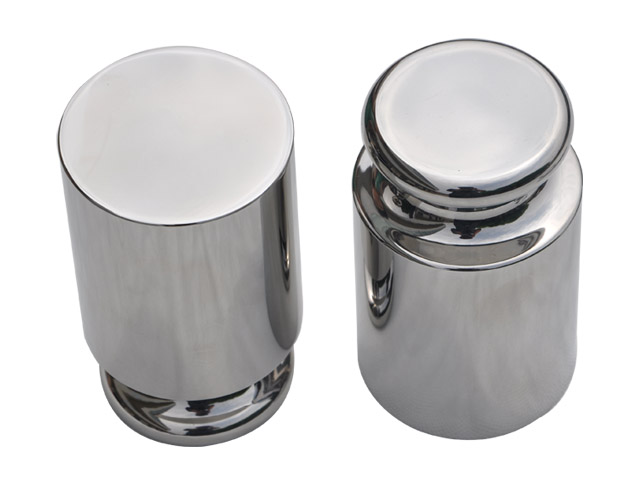
The core purpose of calibration weights for hanging scales is to establish a consistent, known mass benchmark that aligns with the full operating range of the scale being tested. Hanging scales are used in an incredibly diverse array of settings, from small retail markets weighing fresh produce, bulk grains, or packaged goods, to large industrial facilities handling raw materials, manufactured parts, heavy equipment components, and agricultural harvests, as well as shipping and logistics hubs weighing cargo, pallets, and oversized items that cannot be placed on flat scales. In each of these environments, even a small deviation in scale readings can lead to tangible consequences: inaccurate inventory counts, incorrect pricing for goods, wasted materials during production, disputes in commercial transactions, or non-compliance with internal quality control standards. Calibration weights eliminate these risks by providing a tangible, unchanging reference point; when a calibrated weight is suspended from the hanging scale, the scale’s displayed reading should match the exact mass of the weight within an acceptable tolerance range. If the reading falls outside this range, users can make targeted adjustments to the scale’s internal settings to bring it back into alignment, ensuring that every subsequent weighing operation delivers consistent and trustworthy results. This process is not a one-time task but a regular maintenance step that preserves the scale’s functionality over its entire service life, protecting both the user and the parties relying on the weight measurements from errors and inconsistencies.
Design-wise, calibration weights for hanging scales differ significantly from standard flat or block weights used for stationary scales, as they must adapt to the vertical suspension and dynamic balance requirements of hanging scale operations. The most prominent feature is the integrated attachment point—typically a sturdy, centered hook, eyelet, or loop—designed to hold the weight securely without tilting, shifting, or swinging during calibration. This central attachment is critical because uneven weight distribution or off-center hanging can create false tension readings, skewing the calibration results and leading to inaccurate scale adjustments. High-quality calibration weights for hanging scales are crafted with uniform density throughout their structure, ensuring that the mass is evenly distributed and that the weight hangs perfectly vertical when suspended, mimicking the way real-world items are hung from the scale during regular use. They are available in a wide spectrum of mass values to match the varying capacity ranges of hanging scales, from small, lightweight units for low-capacity scales used in small businesses and laboratories, to heavy, robust weights for industrial-grade hanging scales that measure hundreds or even thousands of kilograms. This range of options allows users to select weights that cover key points along their scale’s operating range—such as 25%, 50%, 75%, and 100% of the scale’s maximum capacity—enabling comprehensive calibration that verifies accuracy across the entire spectrum of use, not just at a single weight level.
Material selection for these calibration weights is carefully considered to balance durability, stability, resistance to environmental damage, and consistent mass retention. Common materials include high-grade cast iron, solid steel, and corrosion-resistant alloys, each chosen for specific operating environments. Cast iron weights are favored for heavy-duty industrial and outdoor use due to their exceptional durability, resistance to dents and physical damage, and ability to maintain a stable mass even with frequent handling and exposure to minor moisture or dust. Steel weights, often finished with a smooth, protective coating, offer a more precise mass consistency and are ideal for indoor settings, clean manufacturing facilities, and applications where fine-tuned accuracy is a priority. Alloy weights, designed to resist rust, oxidation, and chemical exposure, are well-suited for humid environments, agricultural settings, or facilities that handle mild chemicals or moisture-rich materials, such as food processing plants or fisheries. Unlike decorative or non-calibrated weights, these calibration weights are manufactured under strict quality controls to ensure that their actual mass matches the marked mass within a narrow, predefined tolerance, with no variations that could compromise calibration accuracy. They are free from hollow spaces, loose components, or uneven surfaces that could alter their mass over time, and their surfaces are finished to prevent the buildup of dust, dirt, or residue that could add extra, unintended weight and throw off measurements.
Proper handling of calibration weights for hanging scales is just as important as their design and material quality, as careless handling can gradually alter their mass or damage their structure, rendering them ineffective for calibration. One of the most fundamental handling practices is using clean, dry gloves or specialized handling tools when lifting and attaching the weights, rather than touching them directly with bare hands. Natural oils, sweat, and moisture from human skin can leave residue on the weight’s surface, which over time can build up and add a small amount of extra mass, creating a consistent error in calibration. Additionally, direct contact can lead to corrosion or rust on metal surfaces, especially for steel and alloy weights, further changing their mass and structural integrity. When attaching a calibration weight to a hanging scale, users should take care to lift the weight smoothly and secure it to the scale’s hook or suspension point slowly, avoiding sudden jolts, swings, or impacts that could damage both the weight and the scale’s internal sensors. Rough handling, such as dropping the weight or letting it swing violently, can cause micro-fractures in the weight’s structure or misalign the scale’s internal components, defeating the purpose of calibration entirely. After use, weights should be placed in a dedicated, clean storage case or rack, away from sharp objects, corrosive substances, extreme temperatures, and direct moisture, to preserve their condition and mass consistency.
The calibration process using these specialized weights follows a straightforward, repeatable sequence that can be mastered by trained on-site personnel, eliminating the need for frequent external calibration services and reducing operational downtime. Before beginning calibration, the hanging scale should be placed in a stable, level position, free from external forces that could affect readings—such as strong wind, vibration from nearby machinery, or uneven mounting. The scale should be powered on and allowed to warm up for the recommended period, ensuring that its internal electronic components (if applicable) reach a stable operating temperature, as temperature fluctuations can cause temporary accuracy shifts in digital hanging scales. Once the scale is ready, it should be zeroed out to account for the weight of any hooks, chains, or suspension accessories attached to it, ensuring that only the mass of the calibration weight is measured during the process. The selected calibration weight is then carefully attached to the scale’s suspension point, and the user waits for the scale’s reading to stabilize completely, without any movement or disturbance. The displayed reading is compared to the marked mass of the calibration weight, and any noticeable deviation is noted. If the deviation falls outside the acceptable range for the scale’s intended use, minor adjustments are made to the scale’s calibration dial, digital settings, or internal mechanisms, following the manufacturer’s guidelines for adjustment. This process is repeated with multiple calibration weights across the scale’s capacity range to confirm accuracy at every level, ensuring that the scale performs consistently whether measuring light items or approaching its maximum weight capacity.
Regular calibration with dedicated hanging scale weights brings long-term value to any operation that relies on suspended weighing, extending the lifespan of the scale and maintaining operational efficiency. Hanging scales that are not calibrated regularly are prone to gradual accuracy drift, a slow shift in readings that often goes unnoticed until a significant error occurs. This drift can be caused by a range of factors: repeated lifting of heavy loads that strains the scale’s internal components, exposure to extreme temperatures or humidity that affects sensor performance, minor physical damage from daily use, or even normal wear and tear on moving parts. By implementing a consistent calibration schedule—adjusted based on the frequency of scale use and the operating environment—users can catch accuracy issues early, before they lead to costly mistakes. For high-use scales in busy industrial or logistical settings, monthly or quarterly calibration may be necessary, while scales used less frequently in low-impact environments may only require calibration every six months or annually. Keeping a simple log of calibration dates, results, and any adjustments made helps track the scale’s performance over time, identifying patterns of drift that may indicate a need for maintenance or repair, rather than just calibration. This proactive approach not only protects against measurement errors but also prevents premature scale replacement, as regular calibration and minor adjustments can keep a hanging scale functioning accurately for many years.
Beyond individual operational benefits, calibration weights for hanging scales play a vital role in upholding fairness and consistency across industries where weight-based transactions are common. In commercial settings, such as farmers’ markets, wholesale distributors, and livestock operations, accurate weighing ensures that both buyers and sellers are treated fairly, with no party gaining an unfair advantage from inaccurate scale readings. In manufacturing and production, precise weighing of raw materials and components ensures that products meet quality specifications, reducing waste from overuse of materials and preventing defects caused by incorrect ingredient ratios. In agricultural and farming operations, accurate weighing of harvests, feed, and livestock helps track yields, manage inventory, and make informed decisions about crop and livestock management. Even in laboratory and research settings, smaller hanging scales used for specialized testing rely on calibration weights to maintain precise measurements for experiments and data collection, ensuring that research results are reliable and repeatable. In every case, the calibration weight acts as a silent standard, bridging the gap between the scale’s mechanical or electronic function and the true mass of the items being weighed, creating a common benchmark for accuracy that transcends different types of scales and operating environments.
It is important to distinguish calibration weights for hanging scales from generic counterweights or decorative weights, as these alternative items lack the precise mass consistency and structural design needed for effective calibration. Generic weights are often produced with loose tolerances, uneven mass distribution, and low-quality materials that can change weight over time, making them unsuitable for reference purposes. Using such weights for calibration can lead to false confidence in scale accuracy, as the reference mass itself is unreliable, resulting in persistent measurement errors that go undetected. Calibration weights, by contrast, are purpose-built to maintain a fixed, accurate mass for extended periods, with consistent performance that users can rely on for repeated calibration sessions. While they require minimal maintenance—primarily regular cleaning, proper storage, and periodic checks for damage or residue—their longevity and reliability make them a cost-effective investment for any business or individual using hanging scales regularly. Over time, the savings from reduced errors, minimized waste, and extended scale life far outweigh the initial cost of acquiring a set of high-quality calibration weights tailored to hanging scale use.
As weighing technology continues to evolve, with digital hanging scales offering more advanced features, higher precision, and wider capacity ranges, the role of calibration weights remains unchanged and equally essential. Even the most sophisticated digital hanging scales with advanced sensor technology and digital displays still require a physical reference mass to verify and adjust their accuracy, as electronic components can still experience drift and degradation over time. Calibration weights provide a tangible, technology-neutral benchmark that works equally well for mechanical and digital hanging scales, making them a timeless tool in the world of weighing equipment. They adapt to new scale designs and operating needs, with manufacturers continuing to refine their materials, shapes, and attachment features to match the latest innovations in hanging scale technology. This adaptability ensures that calibration weights will remain a cornerstone of accurate suspended weighing for years to come, supporting safe, fair, and efficient operations across countless industries.
In summary, calibration weights for hanging scales are far more than just simple metal masses; they are critical tools that uphold the integrity of weighing operations, protect against financial and operational errors, and ensure consistency across commercial, industrial, and logistical applications. Their specialized design, durable materials, and precise manufacturing make them uniquely suited for the suspended weighing process, while proper handling, storage, and regular use keep them effective for long-term calibration needs. By integrating these weights into routine scale maintenance, users can ensure that their hanging scales operate at peak accuracy, delivering reliable measurements every time they are used. Whether in a small local business, a large industrial plant, or a busy logistics center, the impact of high-quality calibration weights for hanging scales is far-reaching, supporting smooth operations, fair transactions, and consistent quality in every weight-related task. Investing in the right set of calibration weights and following a structured calibration schedule is a small but impactful step that yields significant long-term benefits, making it an essential practice for anyone who depends on hanging scales for accurate weight measurement.
