





Changzhou Veidt Weighing Co., Ltd. © 2022 ALL RIGHTS RESERVED Privacy Policy | Calibration Weight | Test Weights | Cast Iron Weights | Standard Weights | Laboratory Weights | XML | SITEMAP
NEWS LIST
calibration weight for gram scale
Saturday 21st March 2026 Back to list
Calibration weights stand as an indispensable accessory for gram scales, serving as the foundational element that ensures every weighing measurement remains consistent, reliable, and aligned with established mass standards across personal, professional, and industrial settings. A gram scale, regardless of its design, size, or intended use, relies on internal sensors and mechanical components to translate the force of an object’s mass into a numerical reading, and over time, these components can shift due to regular use, environmental changes, physical movement, or minor wear and tear. Without a reference point to reset and verify its accuracy, a gram scale can gradually produce readings that deviate from true mass values, leading to a cascade of unintended consequences in every task that depends on precise weight measurements. Calibration weights are precisely crafted mass standards designed to provide that fixed, unchanging reference, allowing users to recalibrate their gram scales and restore measurement accuracy whenever needed. These weights are not random pieces of metal or material; they are manufactured to strict dimensional and mass tolerances, with each individual weight engineered to hold a specific, consistent gram value that remains stable under normal operating conditions, making them the only trustworthy tool for validating and adjusting gram scale performance.
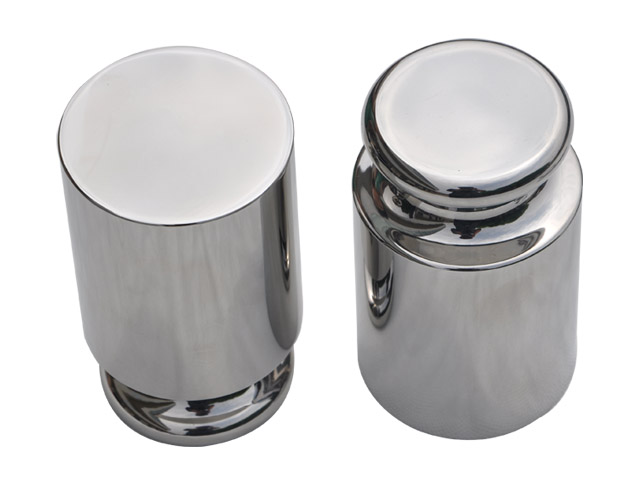
The core purpose of calibration weights for gram scales extends far beyond simple adjustment; it revolves around maintaining measurement integrity across every application where gram-level precision matters. For everyday users, a gram scale might be used for cooking and baking, where even a small deviation in ingredient measurements can alter the texture, taste, and consistency of a finished dish. In home kitchens, recipes often call for precise gram amounts of dry ingredients like flour, sugar, or spices, and liquid extracts or oils, and a scale that reads even one or two grams high or low can turn a carefully planned recipe into a disappointing result. For hobbyists, such as those involved in jewelry making, model building, herb preparation, or small-scale crafting, gram accuracy is even more critical. Jewelry makers work with tiny quantities of precious metals, gemstones, and setting compounds, where a single gram miscalculation can waste valuable materials or compromise the structural integrity of a finished piece. Hobbyists who create small-scale models or mechanical components rely on exact weight measurements to ensure parts fit together properly and function as intended, and any inconsistency in scale readings can derail hours of detailed work. In these casual and hobby-focused settings, calibration weights eliminate the guesswork of whether a scale is performing correctly, giving users confidence that their measurements are accurate enough to support their projects and daily tasks.
Moving beyond personal and hobby use, calibration weights play a vital role in professional fields where gram-scale precision directly impacts quality control, safety, and compliance with operational standards. In small-scale food production and artisanal food businesses, such as bakeries, coffee shops, spice blenders, and specialty food makers, gram scales are used to portion ingredients consistently, ensuring every batch of product meets the same flavor and texture standards. Regulatory guidelines for food labeling often require accurate weight declarations, and a scale that is not properly calibrated can lead to incorrect labeling, which can create issues for small business operations. In the field of herbal medicine and natural supplement preparation, practitioners and small-scale producers rely on gram scales to measure botanical ingredients with exactness, as the potency and safety of these preparations depend on precise dosing. Even a minor deviation in gram measurements can affect the effectiveness of a herbal blend or supplement, making regular calibration with dedicated weights a non-negotiable step in the production process. Educational settings, including science classrooms, vocational training labs, and research facilities for middle, high school, and university-level studies, also depend heavily on calibration weights for gram scales. Students learning basic chemistry, physics, biology, and material science conduct experiments that require accurate mass measurements to observe chemical reactions, calculate densities, analyze material properties, and validate scientific principles. A miscalibrated scale in a classroom can lead to inconsistent experimental results, confusing students and undermining the learning process, so having reliable calibration weights ensures that educational tools remain accurate and support meaningful hands-on learning.
Industrial and laboratory environments, where gram-scale measurements are integral to research, development, and manufacturing processes, demand the highest level of consistency from calibration weights. In laboratory settings, researchers working in fields such as pharmaceuticals, chemistry, material science, and environmental testing use analytical gram scales that measure down to fractions of a gram, and even the tiniest measurement error can skew research data, compromise test results, or delay critical studies. Manufacturing facilities that produce small parts, electronic components, cosmetics, or pharmaceutical products use gram scales to weigh raw materials, active ingredients, and finished components, ensuring every product meets strict internal quality specifications. In these high-stakes environments, calibration weights are not just a tool for adjustment but a critical part of quality assurance protocols, helping teams maintain consistent production standards and avoid costly errors caused by inaccurate weighing. Across all these settings—from home kitchens to industrial labs—the common thread is that calibration weights provide a universal, stable mass reference that transcends the limitations of individual gram scale mechanics, making them a universal solution for preserving measurement accuracy.
To fully understand the value of calibration weights for gram scales, it is essential to examine the materials used in their construction, as material choice directly impacts weight stability, durability, resistance to environmental factors, and overall performance. The most widely used material for high-quality calibration weights is stainless steel, chosen for its unique combination of physical properties that make it ideal for consistent mass standards. Stainless steel is highly resistant to corrosion, rust, and oxidation, meaning it will not degrade or change mass over time when exposed to normal air, moisture, or mild environmental contaminants. This resistance is crucial because any change in the weight’s mass—even a microscopic amount due to rust, tarnish, or material erosion—would render it useless as a calibration reference. Stainless steel calibration weights also have a high density, allowing manufacturers to create compact, easy-to-handle weights that hold precise gram values without being overly bulky or fragile. Additionally, high-quality stainless steel used for calibration weights is often non-magnetic, preventing interference with the internal sensors of digital gram scales, which can be sensitive to magnetic fields and lead to skewed readings. Non-magnetic properties ensure that the weight itself does not affect the scale’s measurement mechanism, providing a pure, unbiased mass reference during calibration.
Other materials are used for calibration weights designed for less sensitive, general-purpose gram scales, each with its own set of advantages and suitable applications. Some basic calibration weights are made from coated metal alloys, which offer a cost-effective option for casual users who need reliable reference weights for home or hobby use. These coated weights provide a smooth, durable surface that resists minor scratches and surface damage, making them suitable for regular, light use in environments where exposure to harsh elements is minimal. Solid brass is another material used for certain calibration weights, valued for its density, malleability, and resistance to tarnish when properly finished. Brass weights are often used in mid-range calibration applications, balancing durability and precision for users who need more consistency than basic coated weights but do not require the ultra-high precision of laboratory-grade stainless steel. For heavier gram weight values, some industrial-focused calibration weights are made from cast iron with a protective finish, designed to withstand the rigors of frequent use in workshop or light industrial settings where portability and ruggedness are prioritized. Regardless of the material, all reliable calibration weights undergo strict manufacturing processes to ensure their mass remains fixed, with smooth, polished surfaces that prevent the accumulation of dust, dirt, or debris—factors that could add tiny amounts of extra mass and throw off calibration accuracy over time.
The design and physical characteristics of calibration weights for gram scales are carefully engineered to enhance usability, accuracy, and compatibility with different types of gram scales. Most standard calibration weights come in a compact, cylindrical or block shape, with a flat, stable base that sits evenly on the weighing platform of a gram scale without wobbling or shifting. This stable design is critical because an unevenly placed weight can cause the scale to register an incorrect mass value, leading to a faulty calibration. Smaller gram weights, such as those measuring 1 gram, 2 grams, 5 grams, and 10 grams, are often designed with a small, easy-to-grip edge or a slightly rounded top to facilitate safe handling, while larger weights (20 grams, 50 grams, 100 grams, and above) feature a more robust build to support their mass without bending or warping. Many calibration weights are sold in matched sets, which include a range of gram values to accommodate different calibration needs for various scale capacities. A typical set might include weights from 1 gram up to 200 grams, covering the most common weighing ranges for household, hobby, and professional gram scales. Having a full set of weights allows users to perform multi-point calibration, which involves testing the scale at multiple weight points across its range (not just a single maximum weight) to ensure accuracy across the entire spectrum of measurements, rather than just at one specific point.
Multi-point calibration is a key practice for maximizing gram scale accuracy, and calibration weight sets make this process accessible to all users. Single-point calibration, using only one weight, can adjust the scale for that specific mass but may not address inaccuracies at lighter or heavier weights within the scale’s capacity. For example, a gram scale calibrated with a 100-gram weight might read accurately at 100 grams but show a small deviation at 10 grams or 50 grams, which can be problematic for users who measure a wide range of weights regularly. Multi-point calibration, using several different weights from a set, allows the scale to be adjusted at multiple intervals, ensuring linear accuracy across its entire weighing range. This is especially important for digital gram scales with a wide measurement range, as their internal sensors can perform differently at various weight thresholds. Calibration weight sets are typically housed in a protective, fitted case with individual compartments for each weight, which serves two main purposes: preventing the weights from scratching or damaging each other during storage or transport, and keeping them organized so users can quickly locate the exact weight needed for calibration. The protective case also shields the weights from dust, moisture, and physical impact, preserving their mass integrity and extending their usable life significantly.
Proper handling of calibration weights is just as important as their material and design, as incorrect handling can introduce small changes in mass that compromise their effectiveness as a reference standard. One of the most fundamental rules of handling calibration weights is to avoid direct skin contact with the weight surface. Human skin naturally produces oils, sweat, and tiny particles of dead skin, which can transfer to the weight’s surface and add a negligible but impactful amount of extra mass over time. Even a small amount of skin oil or debris on a 1-gram calibration weight can create a measurable deviation when used to calibrate a high-precision gram scale, leading to consistent inaccuracies in all subsequent measurements. To prevent this, users should always handle calibration weights with clean, dry gloves made from a soft, lint-free material, or use specialized plastic or bamboo tweezers for smaller weights. Gloves create a barrier between skin and the weight surface, eliminating the risk of contamination, while tweezers allow for precise, controlled handling of tiny gram weights that are difficult to grip safely with bare hands. When placing a calibration weight on a gram scale, it should be set down gently in the center of the weighing platform, avoiding any sudden drops or impacts that could damage the scale’s internal sensors or the weight itself. Dropping a calibration weight can cause minor dents, bends, or internal structural changes that alter its mass, even if the damage is not visible to the naked eye.
Before every calibration session, both the gram scale and the calibration weights should be inspected and cleaned to ensure optimal accuracy. The weighing platform of the scale should be free of any dust, crumbs, residue, or debris, as even a tiny speck of material on the platform can add extra mass and affect the calibration reading. A soft, lint-free cloth or a small, gentle brush can be used to wipe the platform clean, taking care not to scratch or damage the surface. Similarly, calibration weights should be inspected for any signs of dirt, dust, or foreign material before use. If a weight appears dusty or has a small amount of debris on its surface, it can be gently wiped with a clean, dry, lint-free cloth; harsh cleaning chemicals, abrasive scrubbers, or liquid cleaners should never be used, as these can damage the weight’s finish, corrode the material, or leave behind residue that alters its mass. After use, calibration weights should be returned immediately to their designated compartments in the protective case, rather than being left out on countertops or work surfaces where they can accumulate dust, absorb moisture, or be accidentally knocked over or damaged. Storing weights in their case in a cool, dry, stable environment, away from direct sunlight, extreme temperatures, and high humidity, further protects their mass stability, as extreme temperature fluctuations can cause minor expansion or contraction of the weight material, which could impact precision over prolonged exposure.
Understanding when to calibrate a gram scale using calibration weights is essential for maintaining consistent accuracy, as there are several key scenarios that signal a need for calibration. First and foremost, a new gram scale should always be calibrated before its first use, even if it is labeled as pre-calibrated by the manufacturer. Transportation and shipping can subject the scale to movement, vibration, and physical jostling that disrupts its internal settings, and environmental differences between the manufacturing facility and the user’s location can also affect sensor performance. Calibrating a new scale with a reliable calibration weight ensures that it starts its usable life with accurate readings, setting a baseline for all future measurements. Gram scales should also be calibrated after being moved from one location to another, even if the move is short. Moving a scale can shift its internal components, disrupt its level positioning, or disturb the sensor alignment, all of which can lead to measurement inaccuracies. For users who rely on their gram scale daily, regular scheduled calibration is recommended—such as once every few months—even if no obvious issues with accuracy are apparent. Regular calibration acts as preventative maintenance, catching minor shifts in performance before they become significant deviations that impact measurements. Additionally, if a scale is dropped, bumped, or exposed to extreme physical stress, it should be calibrated immediately before further use, as physical impact can easily damage internal sensors or mechanical parts.
Environmental factors play a significant role in gram scale performance and should be considered alongside calibration weight use to achieve the best possible accuracy. Calibration should always be performed in the same environment where the scale is regularly used, as changes in temperature, humidity, air flow, and altitude can all affect measurement readings. For example, a scale used in a warm, humid kitchen will perform differently than it would in a cool, dry laboratory, and calibrating it in the intended environment ensures that the settings are adjusted to account for those specific environmental conditions. Air flow, such as drafts from open windows, fans, or heating and cooling systems, can create slight air pressure changes that affect the sensitive sensors of digital gram scales, leading to fluctuating readings during calibration. To mitigate this, calibration should be done in a draft-free area, with the scale placed on a stable, level, rigid surface—such as a solid countertop or table—away from any sources of vibration, like refrigerators, washing machines, or foot traffic. A soft or uneven surface, such as a tablecloth, carpet, or foam mat, can absorb weight pressure and cause inaccurate readings, so a hard, flat surface is always required for both calibration and regular weighing. Taking the time to set up the ideal environment before calibration ensures that the process is not influenced by external factors, allowing the calibration weight to provide a true, unaltered reference for the scale.
The step-by-step process of calibrating a gram scale with a calibration weight follows a consistent, straightforward sequence that applies to most standard digital and mechanical gram scales, with minor variations based on the scale’s specific design. For digital gram scales, the process typically begins with turning the scale on and allowing it to warm up for a short period, as cold sensors can take time to stabilize and produce consistent readings. Once the scale is powered on and ready, the user should press the calibration function button (often labeled with a standard symbol for calibration) to enter calibration mode; some scales may require holding the button down for a few seconds to activate this setting. Once in calibration mode, the scale will display a prompt indicating the required calibration weight, usually matching a common gram value from a standard calibration set. The user then places the specified calibration weight gently and centered on the weighing platform, taking care to follow proper handling guidelines to avoid contamination or impact. The scale will then process the weight reading, automatically adjusting its internal settings to align with the calibration weight’s true mass value. After a few seconds, the scale will signal that calibration is complete, either with a visual indicator or a stable reading matching the calibration weight’s value. The user then removes the calibration weight, returns it to its case, and the scale is ready for accurate use. Mechanical gram scales follow a similar logic, using calibration weights to adjust the balance or dial settings until the scale’s indicator aligns perfectly with the weight’s marked value, ensuring manual alignment with the reference mass.
After calibration, it is good practice to perform a quick verification test to confirm that the scale is operating accurately, using the same calibration weights or a sample object with a known mass. This verification step adds an extra layer of confidence, ensuring that the calibration process was completed correctly and that no external factors interfered with the adjustment. For example, after calibrating a scale with a 50-gram weight, users can place the same weight back on the scale to confirm that the reading matches 50 grams exactly, or test with multiple weights from the set to verify accuracy across different values. If the verification test shows a consistent deviation outside of acceptable limits for the scale’s intended use, the calibration process can be repeated, taking extra care to check the scale’s level, the cleanliness of the platform and weight, and the absence of environmental interference. In most cases, repeating the calibration process with attention to detail will resolve any minor inaccuracies, restoring the scale to full precision. It is important to note that calibration weights themselves do not require frequent adjustment or recalibration by the user; when handled and stored properly, their mass remains stable for long periods, making them a one-time investment that provides ongoing value for maintaining gram scale accuracy.
One common misconception about gram scales is that they will remain accurate indefinitely without calibration, especially if they are not used heavily. In reality, all measuring devices with mechanical or electronic components are subject to gradual drift over time, caused by normal wear, minor component aging, and repeated use. Even occasional use can lead to small shifts in sensor sensitivity or mechanical alignment, meaning that infrequent users still benefit from periodic calibration with dedicated weights. Another misconception is that household items, such as coins, small food packages, or other everyday objects, can serve as a substitute for proper calibration weights. While some household items may have a labeled mass, these labels are approximate and not manufactured to the strict tolerances of calibration weights; packaging variations, minor damage, or moisture absorption can alter their mass, making them an unreliable reference. Using household items for calibration can lead to consistent, hidden inaccuracies that users may not notice until a critical measurement is compromised. Calibration weights are the only tool designed specifically for this purpose, with strict quality control during manufacturing to ensure their mass is exact and unchanging, making them irreplaceable for reliable gram scale calibration.
The long-term value of investing in a set of high-quality calibration weights for gram scales extends far beyond immediate measurement accuracy, impacting efficiency, cost savings, and peace of mind for all users. For home users, accurate measurements reduce food waste by ensuring precise ingredient portions, avoiding overuse or underuse of costly ingredients, and lead to better culinary results. For hobbyists, accurate scales prevent the waste of expensive materials like precious metals, craft supplies, or specialized components, saving money and reducing frustration from failed projects. For small business owners and professionals, calibrated scales support consistent product quality, which builds customer trust and loyalty, and helps avoid errors that could lead to product recalls, rework, or regulatory concerns. In educational and laboratory settings, accurate scales ensure that experiments and tests yield reliable data, supporting academic learning and scientific progress. In industrial settings, calibrated scales streamline production processes, reduce material waste, and maintain strict quality control standards, contributing to overall operational efficiency. In every scenario, calibration weights eliminate the risk of inaccurate measurements, which can have cascading effects on time, resources, and outcomes, making them a small but essential tool for anyone who relies on gram scales for regular use.
As gram scale technology continues to evolve, with more compact, sensitive, and feature-rich models entering the market, the role of calibration weights remains unchanged and equally vital. Newer digital scales may offer enhanced sensor technology, faster read times, and more user-friendly calibration interfaces, but they still require a fixed, external mass reference to maintain accuracy—no amount of internal technology can replace the need for a physical calibration weight. The basic principles of mass measurement and calibration remain universal, rooted in the need for a consistent standard, and calibration weights fulfill that role perfectly. Manufacturers of gram scales consistently recommend the use of dedicated calibration weights for regular maintenance, as they understand that even the most advanced scales will lose accuracy over time without proper reference points. This ongoing relevance ensures that calibration weights will remain a staple accessory for gram scales, adapting to new scale designs while retaining their core purpose of preserving measurement integrity.
When selecting calibration weights for a gram scale, users should consider several key factors to choose the right set for their specific needs, without relying on brand names or external certifications. The first factor is the scale’s maximum weighing capacity and precision level; users should select calibration weights that cover the full range of weights they regularly measure, including a weight close to the scale’s maximum capacity for full-range calibration. For high-precision scales that measure fractions of a gram, smaller, ultra-precise calibration weights are necessary, while general-purpose scales for heavier gram amounts can use a standard set of larger weights. The material of the weights is another important consideration: stainless steel is ideal for most users due to its durability, corrosion resistance, and non-magnetic properties, while coated alloy weights may suffice for casual, light use. The quality of craftsmanship is also key; well-made weights have smooth, even surfaces, no visible defects or rough edges, and a solid, sturdy feel that indicates consistent mass distribution. A protective storage case is a practical feature that helps preserve the weights’ condition and organization, making it easier to maintain proper handling and storage habits.
It is also important to recognize that calibration weights are not limited to single-use or short-term functionality; with proper care, a high-quality set of calibration weights can last for many years, providing consistent performance throughout their lifespan. Unlike disposable or short-lived accessories, calibration weights are a durable, long-term investment that requires minimal maintenance beyond proper handling and storage. Users do not need to replace them regularly, as their mass does not change under normal conditions, making them a cost-effective solution for ongoing gram scale maintenance. This longevity adds to their overall value, as a single set of weights can support multiple gram scales in a household, workshop, or lab, serving as a universal reference for all weighing equipment. Whether a user owns one basic kitchen scale or multiple precision scales for different tasks, a single set of calibration weights can be used to calibrate all of them, streamlining maintenance and ensuring consistency across all measurements.
In summary, calibration weights are an essential, irreplaceable accessory for every gram scale, serving as the cornerstone of accurate, reliable mass measurement across all personal, professional, educational, and industrial applications. They provide a stable, consistent mass reference that counteracts the natural drift and wear of gram scale components, ensuring that measurements remain true to established standards over time. From simple daily tasks like cooking and crafting to critical professional work in labs, small businesses, and manufacturing, the accuracy enabled by calibration weights impacts the quality, safety, and efficiency of countless activities. Proper selection, handling, storage, and regular use of calibration weights are simple yet powerful practices that maximize the performance and lifespan of gram scales, eliminating measurement guesswork and instilling confidence in every reading. As a fundamental tool for maintaining measurement integrity, calibration weights offer enduring value that far outweighs their initial investment, making them an indispensable item for anyone who depends on precise gram-scale weighing. By prioritizing regular calibration with high-quality, well-cared-for weights, users can ensure that their gram scales consistently deliver accurate results, supporting their goals and tasks with reliable, trustworthy measurements every single time.
