





Changzhou Veidt Weighing Co., Ltd. © 2022 ALL RIGHTS RESERVED Privacy Policy | Calibration Weight | Test Weights | Cast Iron Weights | Standard Weights | Laboratory Weights | XML | SITEMAP
NEWS LIST
calibration weight for grain scale
Saturday 21st March 2026 Back to list
In the global agricultural supply chain, grain scales stand as one of the most essential tools for farmers, grain elevators, processors, and traders alike. These devices are responsible for quantifying the weight of harvested grains, determining quality metrics, facilitating fair trade, managing inventory, and guiding storage and transportation decisions. At the heart of maintaining consistent, reliable performance for any grain scale lies a simple yet critical component: the calibration weight. Without properly designed and used calibration weights, grain scales can drift from their intended accuracy over time, leading to discrepancies that impact every stage of the grain handling process, from the field to the final market. Calibration weights serve as the fixed reference point that brings balance to weight measurements, ensuring that every reading on a grain scale aligns with a known, consistent mass standard.
To understand why calibration weights are indispensable for grain scales, it is first necessary to recognize the unique operating conditions of grain weighing equipment. Unlike precision scales used in laboratory settings, grain scales are often exposed to harsh, variable environments: outdoor temperatures that shift dramatically between seasons, high levels of dust and grain particles, occasional exposure to moisture, and frequent heavy use with bulk loads of corn, wheat, soybeans, rice, and other cereal grains. Over weeks and months of regular operation, the internal components of a grain scale—including load cells, strain gauges, and digital display mechanisms—can experience subtle shifts in performance. Minor wear and tear, temperature-induced expansion or contraction of metal parts, dust accumulation, and even repeated impact from heavy grain loads can cause the scale to produce readings that are slightly higher or lower than the actual weight of the grain. These small errors may seem insignificant in isolated measurements, but they accumulate rapidly across large volumes of grain, which are typically measured in tons or bushels. For a farmer selling a full harvest, a small consistent error in weight can translate to meaningful losses in revenue; for a grain elevator or processor, inaccurate measurements can disrupt inventory tracking, lead to overpayment or underpayment for grain loads, and create inefficiencies in storage and processing workflows. Calibration weights eliminate this uncertainty by providing a tangible, fixed mass that the scale can be tested against, allowing operators to identify and correct deviations before they lead to costly mistakes.
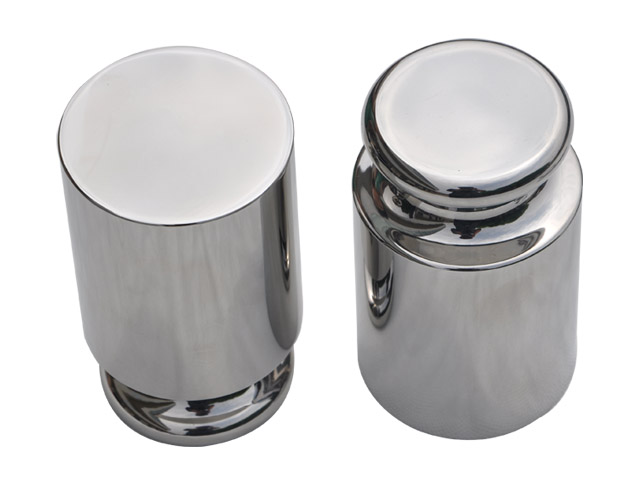
Calibration weights designed for grain scales are engineered to meet the specific demands of agricultural weighing, differing from standard calibration weights used in more controlled environments in several key ways. First and foremost, these weights are built for durability, as they are often transported between field sites, grain bins, and processing facilities, and may be handled frequently by farm or elevator staff. Common materials include solid cast iron and high-grade stainless steel, both of which resist corrosion, denting, and wear that could alter the mass of the weight over time. Cast iron weights are often preferred for heavy-duty, bulk grain scale calibration due to their density and ruggedness, while stainless steel weights are valued for their resistance to moisture and grain dust, making them suitable for both portable bench scales used for small grain samples and larger stationary scales used for full truck or bin loads. Unlike decorative or non-calibrated weights, these precision tools are manufactured to maintain a consistent mass within strict tolerance ranges, meaning their actual weight deviates only minimally from the marked value. The tolerance level of a calibration weight is carefully matched to the readability and capacity of the grain scale it is intended for; weights used for smaller, high-precision grain scales used for quality testing will have tighter tolerance ranges, while those used for large bulk scales will have tolerances aligned with the scale’s operational capacity to ensure practical, effective calibration.
The size and weight range of calibration weights for grain scales are also tailored to common grain weighing scenarios. Most grain scale calibration sets include a range of individual weights, from smaller masses used for fine-tuning smaller scales to larger weights that can test the upper capacity of bulk grain scales. A typical set may include weights of varying increments, allowing operators to test the scale at multiple points across its weighing range, not just at a single maximum capacity. This multi-point calibration is critical for grain scales, as these devices must perform accurately across light, medium, and heavy loads—from small grain samples taken for quality analysis to full truckloads delivered to elevators. Testing only at maximum capacity can leave gaps in accuracy at lower weight ranges, which are equally important for tasks like measuring seed quantities, checking test weight per bushel, or portioning grain for feed and processing. Calibration weights are also designed for easy handling, with built-in handles or flat surfaces that allow them to be placed securely on the scale platform without shifting or damaging the scale’s surface. This practical design ensures that calibration can be performed quickly and efficiently, minimizing downtime for busy agricultural operations that rely on continuous scale use during harvest and shipping seasons.
Proper usage of calibration weights is just as important as selecting the right weight for a grain scale, as incorrect calibration techniques can render the process ineffective and lead to false confidence in scale accuracy. Before beginning any calibration, operators should first prepare the grain scale and its surrounding environment to ensure stable conditions. The scale should be placed on a flat, level surface, free from debris, grain piles, or obstructions that could interfere with the load cells or weighing platform. Any dust or loose grain particles on the scale platform should be gently removed, as accumulated debris can add extra weight and skew calibration readings. The scale should be powered on and allowed to warm up for a short period, as electronic grain scales often require a few minutes to stabilize internally and produce consistent readings, especially after being exposed to cold or hot temperatures. Environmental conditions should also be noted: extreme temperatures can affect both the scale’s components and the calibration weight itself, so calibration is best performed in moderate conditions, away from direct sunlight, wind, or moisture sources that could impact measurements.
Once the scale is prepared, the calibration process begins with placing the calibration weight carefully in the center of the weighing platform, ensuring it is evenly balanced and not touching any surrounding structures. The scale is then allowed to register the weight, and the reading displayed is compared to the marked mass of the calibration weight. If the reading matches the known weight within the acceptable tolerance range, the scale remains accurate; if there is a consistent deviation outside the tolerance range, the scale can be adjusted using its internal calibration settings to align the reading with the calibration weight. This process should be repeated with multiple weights across the scale’s operating range to verify accuracy at different load levels, a method often referred to as a build-up test for larger bulk scales. For example, starting with a smaller calibration weight, then adding progressively larger weights to test medium and maximum loads, ensures that the scale performs consistently across all typical grain weighing scenarios. After adjustment, the calibration weights are removed, and the scale is zeroed and tested again to confirm that it returns to a neutral reading with no load present. This step is vital, as a scale that fails to zero properly will carry that error into all subsequent grain weight measurements.
Calibration frequency is a key consideration for maintaining grain scale accuracy, and it is determined by several factors related to usage intensity and environmental conditions. Grain scales that are used daily during peak harvest seasons, handling hundreds of loads, require more frequent calibration than scales used only occasionally for small sample testing. Similarly, scales located in harsh environments—such as unheated outdoor grain bins, areas with high humidity, or facilities with heavy dust accumulation—will drift more quickly and need more regular calibration checks. As a general guideline, most agricultural operations schedule calibration at least once before the start of harvest season, when scale use is at its highest, and additional mid-season checks if the scale is used heavily or exposed to extreme conditions. Calibration should also be performed after any maintenance or repair work on the scale, after the scale is moved to a new location, or if operators notice inconsistent readings during regular use. Keeping a simple log of calibration dates, results, and any adjustments made helps track the scale’s performance over time and identifies any patterns of drift that may indicate underlying component wear, allowing for proactive maintenance before a complete failure occurs.
Beyond direct accuracy in weight measurement, calibration weights for grain scales play a vital role in supporting fair trade and quality assessment within the agricultural industry. Grain trading relies heavily on consistent weight measurements to determine the value of each load, with prices based on weight per unit or bushel test weight, a key quality metric that reflects grain density and maturity. Inaccurate scales can create inequities between buyers and sellers: a scale that reads high may lead a buyer to overpay for grain, while a scale that reads low may shortchange a farmer for their harvest. Calibration weights ensure that both parties operate from a shared, objective standard of weight, fostering transparency and trust in grain transactions. For grain quality testing, which often involves measuring small, precise samples to determine test weight, moisture content, and purity, calibrated scales are essential for accurate grading. High-quality grain with optimal test weight commands better market value, and inaccurate measurements can lead to misgrading, either underestimating the quality of a load or failing to identify lower-quality grain that may affect storage and processing outcomes. Calibration weights ensure that these quality assessments are based on reliable data, helping farmers make informed decisions about harvesting, drying, and marketing their crops, and helping processors maintain consistent product quality.
Calibration weights also contribute to efficient grain storage and transportation, two critical aspects of post-harvest agricultural management. Accurate weight measurements allow operators to calculate exact storage capacities, ensuring that grain bins are filled to safe, optimal levels without overloading, which reduces the risk of structural damage to storage facilities and spoilage from poor air circulation. For transportation, knowing the exact weight of grain loads helps trucking and logistics teams comply with weight regulations for road travel, avoiding fines for overloaded vehicles and ensuring safe transport. Inaccurate weight readings can lead to underloading trucks, which reduces transport efficiency and increases fuel and labor costs per unit of grain, or overloading, which poses safety risks and regulatory penalties. By keeping grain scales calibrated with reliable weights, agricultural operations can optimize their storage and transportation workflows, reduce waste, and lower operational costs over time. Additionally, accurate inventory tracking, made possible by calibrated scales, helps businesses manage stock levels, plan for future sales and processing, and reduce losses from unaccounted-for grain discrepancies.
Proper care and maintenance of calibration weights themselves are essential to preserve their accuracy and extend their usable life, as even small changes to the weight’s mass can compromise calibration results. Calibration weights should be stored in a clean, dry, protective case when not in use, away from dust, moisture, chemicals, and other contaminants that could cause corrosion or buildup. They should be handled with clean hands or soft gloves to avoid transferring oils, dirt, or moisture to the surface, and never dropped, bent, or scratched, as physical damage can alter the mass of the weight. Periodic gentle cleaning with a soft, dry cloth is sufficient to remove dust and grain particles; harsh cleaning agents or abrasive materials should be avoided, as they can damage the surface and affect weight consistency. If a calibration weight is visibly damaged, corroded, or suspected of having an altered mass, it should be removed from use and replaced immediately, as using a compromised weight will lead to inaccurate scale calibration and unreliable measurements. Regular visual inspections of calibration weights, conducted alongside scale calibration, help identify potential issues early and ensure that the reference standard remains dependable.
It is also important to recognize that calibration weights for grain scales are not one-size-fits-all tools, and selecting the appropriate weight for a specific scale requires careful consideration of the scale’s specifications. Operators should consult the guidelines provided for their grain scale to determine the recommended weight range, tolerance requirements, and calibration methods, as different scale models and capacities have unique calibration needs. Portable handheld grain scales used for field testing small samples require smaller, highly precise calibration weights, while large stationary floor scales or truck scales used for bulk grain loads require heavier, rugged weights that can test the scale’s full capacity. Using a calibration weight that is too light, too heavy, or outside the recommended tolerance range for the scale will not provide an accurate calibration, defeating the purpose of the process. Taking the time to match calibration weights to the specific grain scale ensures that the calibration is effective and that the scale performs reliably for its intended use.
In the broader context of sustainable and efficient agriculture, the role of calibration weights for grain scales extends beyond individual operations to support industry-wide consistency and accountability. As global demand for grain continues to grow, and supply chains become more interconnected, the need for uniform, reliable weight measurements becomes increasingly important. Calibration weights serve as a universal reference point, ensuring that grain weights are consistent across different regions, facilities, and operators, regardless of local conditions or equipment types. This consistency helps streamline trade, reduces disputes between buyers and sellers, and supports data-driven decision-making in agricultural production and distribution. For small-scale farmers and large commercial operations alike, investing in quality calibration weights and adhering to regular calibration practices is a small but impactful step toward improving operational efficiency, reducing financial risk, and maintaining integrity in grain handling.
In conclusion, calibration weights are an unsung cornerstone of effective grain scale operation, playing a critical role in every aspect of agricultural grain management, from harvest and quality testing to trading, storage, and transportation. These precision tools provide the stable, known mass reference needed to keep grain scales accurate, even in the harsh, demanding conditions of agricultural settings. By selecting the right calibration weights, following proper calibration protocols, maintaining weights carefully, and adhering to a consistent calibration schedule, operators can ensure that their grain scales deliver reliable, consistent measurements year after year. The impact of this simple practice ripples through the entire agricultural supply chain: supporting fair trade, enabling accurate quality assessment, optimizing storage and transportation efficiency, reducing financial losses, and fostering trust between farmers, processors, traders, and buyers. In an industry where precision and reliability directly affect profitability and sustainability, calibration weights for grain scales are not just a tool for maintenance—they are an essential investment in the success and integrity of agricultural operations worldwide. As grain handling practices continue to evolve and technology advances, the fundamental need for a fixed, reliable reference standard in calibration weights remains unchanged, making them a timeless and indispensable component of modern agricultural weighing systems.
