





Changzhou Veidt Weighing Co., Ltd. © 2022 ALL RIGHTS RESERVED Privacy Policy | Calibration Weight | Test Weights | Cast Iron Weights | Standard Weights | Laboratory Weights | XML | SITEMAP
NEWS LIST
calibration weight for floor scale
Saturday 21st March 2026 Back to list
In industrial, commercial, and logistical operations, floor scales stand as foundational tools for measuring the weight of heavy, bulky, or large-volume items, from raw materials and finished goods to palletized shipments and industrial equipment. These scales rely on consistent, precise performance to support daily workflows, inventory management, shipping accuracy, and operational fairness, yet their ability to deliver reliable readings is not permanent without regular, proper calibration. At the heart of this calibration process lies the calibration weight, a specialized precision tool designed to establish and restore the accuracy of floor scales by providing a known, fixed mass reference. Without these calibrated weights, floor scales can gradually drift from their intended accuracy due to a range of environmental and operational factors, leading to small discrepancies that compound over time and create significant disruptions across entire operations. Understanding the role, design, proper use, and maintenance of calibration weights for floor scales is essential for any team that depends on accurate weighing, as it ensures long-term scale performance, reduces costly errors, and maintains consistency in every measurement taken.
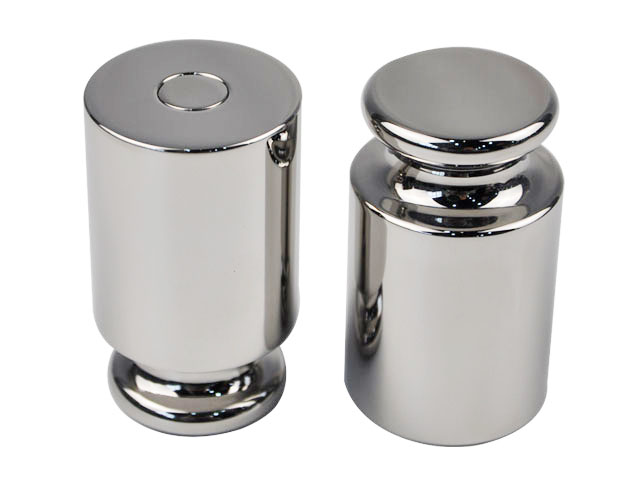
Calibration weights for floor scales are engineered to meet strict dimensional and mass standards, crafted to resist changes in weight that could compromise their reliability as reference tools. Unlike ordinary metal objects or makeshift weights, these specialized pieces are manufactured with consistent density and structural integrity, free from internal voids, uneven surfaces, or material inconsistencies that would alter their actual mass. Common materials used in their construction include durable cast iron and corrosion-resistant stainless steel, each chosen for specific operating environments. Cast iron calibration weights are well-suited for heavy-duty industrial settings where ruggedness and resistance to impact are priorities, as they can withstand frequent handling, placement on rough floor scale platforms, and exposure to minor debris without sustaining damage that affects their mass. Stainless steel weights, by contrast, offer superior resistance to moisture, humidity, and mild chemical exposure, making them ideal for facilities with controlled environments, food processing areas, or warehouses where condensation or occasional liquid contact may occur. Neither material is prone to rapid wear or mass loss under normal use, ensuring that each weight retains its fixed value for extended periods when handled correctly, a critical trait for maintaining consistent calibration results across multiple uses.
The design of floor scale calibration weights also aligns with the unique structure of floor scales, which feature large, flat platforms built to support heavy loads. These weights are typically available in solid, block-style designs or cylindrical shapes, with sizes and mass values ranging from smaller increments for fine-tuning to large, heavy weights that match the upper capacity range of the floor scale. This variety allows users to perform both single-point and multi-point calibration, two core methods that ensure accuracy across the entire weighing range of the scale, not just at a single load level. Single-point calibration involves using a weight that approximates the most commonly measured load for the scale, providing a quick reference check for daily or weekly verification. Multi-point calibration, however, is a more comprehensive process that uses multiple weights of varying values, typically covering low, mid, and high capacity ranges of the floor scale. This method is far more thorough, as it identifies and corrects inaccuracies that may only appear at specific load levels, such as slight deviations when the scale is lightly loaded versus fully loaded. For floor scales used in high-stakes operations where every weight reading impacts costs, compliance, or product quality, multi-point calibration with a full set of appropriate weights is a standard practice to eliminate hidden errors.
One of the most critical factors in using calibration weights effectively is understanding the environmental and operational factors that cause floor scales to lose accuracy, as this context highlights why consistent calibration is non-negotiable. Floor scales are exposed to a host of stressors in daily use that gradually affect their internal components, most notably the load cells that convert physical weight into measurable readings. Constant heavy loading, repeated impact from pallets or equipment being rolled onto the scale, minor shifts in the scale’s leveling, and temperature fluctuations can all cause the load cells and internal mechanisms to shift slightly, leading to readings that are higher or lower than the actual weight. Temperature changes, in particular, can cause metal components of the scale to expand or contract slightly, altering the sensitivity of the load cells and creating consistent measurement drift. High-traffic areas with constant vibration from machinery or vehicles can also disrupt the scale’s internal alignment, while dust, dirt, and small debris buildup on the scale platform can add unintended weight and skew results. Even with careful daily use, these factors are unavoidable in most working environments, meaning that calibration is not a one-time task but a recurring process that must be integrated into regular equipment maintenance routines.
The process of using calibration weights to calibrate a floor scale follows a structured, methodical sequence to ensure accurate results, and it begins long before the weights are placed on the scale platform. First, the scale must be prepared properly to eliminate external interference: the platform should be cleared of all debris, dust, and leftover items, as even small amounts of material can add extra weight and affect calibration. The scale must be placed on a flat, stable, and level surface, as uneven flooring can cause uneven weight distribution across the load cells, leading to false readings during calibration. Most floor scales have adjustable feet to aid in leveling, and taking the time to confirm levelness with a basic level tool prevents a common source of calibration failure. Next, the scale should be powered on and allowed to warm up fully, as electronic components within the scale need time to reach a stable operating temperature; rushing this step can lead to fluctuating readings that make calibration impossible to complete accurately. Once the scale is warmed up and stabilized, it should be zeroed out to ensure the display reads zero with no load present, a baseline step that sets the foundation for accurate calibration.
With the scale prepared, the calibration process moves to placing the calibration weights in strategic positions on the platform. For optimal accuracy, weights should be placed at the center of the platform first, as this is the most balanced point for the scale’s load cells. For larger floor scales, weights may also be placed at multiple corners and edge points to test uniformity across the entire platform, ensuring that the scale reads accurately no matter where the load is positioned—a key detail for scales used with irregularly shaped or unevenly distributed loads. When placing weights, careful handling is essential to avoid damage to both the weights and the scale platform; dropping or sliding weights can cause dents, chips, or structural damage that alters the mass of the calibration weight or damages the scale’s surface. Users should avoid touching the working surfaces of calibration weights with bare hands, as natural oils, moisture, and dirt from skin can transfer to the weight and gradually change its mass over time; clean, dry gloves or specialized handling tools are recommended to preserve the weight’s integrity. After placing each weight, the scale’s display is checked against the known mass of the calibration weight, and any adjustments are made to align the scale’s reading with the reference value. This process is repeated for each weight in the calibration set, with adjustments made incrementally to ensure consistency across all load ranges.
Proper maintenance of calibration weights is just as important as correct usage, as it preserves their mass accuracy and extends their usable life, reducing the need for frequent replacement. Calibration weights should be stored in a clean, dry, and stable environment when not in use, protected from dust, moisture, extreme temperatures, and physical damage. A dedicated storage case or cabinet, lined with a soft, non-abrasive material, prevents scratches, dents, and corrosion, while also keeping weights organized by mass value for quick access during calibration. Regular cleaning is necessary to remove any buildup of dust, grease, or residue that may accumulate on the weight’s surface; cleaning should be done with a soft, dry cloth or a mild, non-corrosive cleaning solution for stubborn debris, followed by thorough drying to prevent moisture retention. Weights should be inspected regularly for signs of damage, such as cracks, chips, rust, or warping, as any visible damage indicates that the weight’s mass may have changed and it can no longer be relied on for accurate calibration. In cases of minor surface corrosion, appropriate cleaning and treatment can restore the weight, but severely damaged weights should be removed from use and replaced to avoid compromising future calibration results.
The impact of using properly calibrated floor weights extends far beyond accurate number readings, touching every aspect of operational efficiency and financial stability for businesses of all sizes. In manufacturing settings, accurate weighing ensures that raw materials are measured correctly for production batches, preventing waste from overuse of materials or quality issues from underuse. Consistent measurements also support precise inventory tracking, allowing teams to maintain accurate stock levels, avoid overordering or understocking, and streamline supply chain operations. In logistics and shipping, correct weight readings prevent undercharging or overcharging for freight services, avoiding financial disputes with carriers and customers, while also ensuring compliance with transportation guidelines that govern load limits for safety. For retail and wholesale operations, accurate floor scales promote fairness in transactions, building trust with customers and partners by ensuring that every product or shipment is weighed honestly. Over time, the small savings from reduced material waste, avoided financial errors, and streamlined operations add up to significant long-term benefits, making the time and effort invested in proper calibration weight use a worthwhile investment for any operation that relies on floor scales.
It is also important to recognize that calibration weights are not universal tools, and selecting the right weights for a specific floor scale is critical to effective calibration. The mass values of the weights should match the capacity and resolution of the floor scale; using weights that are too light or too heavy for the scale’s range can lead to incomplete or inaccurate calibration. For example, a high-capacity industrial floor scale used for weighing tons of materials requires large, heavy calibration weights to test its upper range, while a smaller floor scale used for lighter palletized goods can use a set of medium-sized weights for comprehensive calibration. Teams should assess their scale’s typical usage patterns, maximum capacity, and required level of precision to choose a set of weights that covers all necessary measurement points. Additionally, the frequency of calibration should be adjusted based on usage intensity: scales used daily in heavy industrial environments may require calibration every few weeks, while scales used less frequently in milder conditions may only need calibration every few months. Keeping a detailed log of calibration dates, weight values used, and any adjustments made to the scale helps track performance over time, identifies patterns of drift, and ensures that calibration is performed consistently before significant inaccuracies develop.
Another key consideration is the difference between routine calibration checks and full calibration procedures. Routine checks, often done with a single standard calibration weight, are quick verifications to confirm that the scale is performing accurately between full calibrations; these can be done weekly or monthly to catch sudden drift caused by impact or environmental changes. Full calibration, which uses a full set of weights across the scale’s range, is a more detailed process that should be performed at scheduled intervals, after the scale is moved or repaired, or after any incident that may have affected its accuracy, such as a heavy impact or extreme temperature shift. Both types of calibration rely on high-quality, well-maintained calibration weights to be effective, and neither can be replaced with makeshift weights or unregulated objects. Using non-calibrated weights for scale adjustment may seem like a time-saving shortcut, but it often leads to hidden inaccuracies that are far more costly to resolve in the long run, from wasted materials to lost revenue and damaged business relationships.
In summary, calibration weights are indispensable tools for maintaining the performance and reliability of floor scales in all operational settings. They serve as the universal reference point that grounds floor scale measurements in accuracy, counteracting the natural drift and wear that occur with regular use. From their careful design and material selection to their proper handling, storage, and maintenance, every aspect of calibration weight care contributes to the overall accuracy of weighing operations. By integrating regular calibration with high-quality weights into routine equipment maintenance, businesses can ensure consistent, reliable weight readings, reduce operational errors, protect their financial interests, and uphold standards of fairness and efficiency in their daily work. Floor scales are only as reliable as the calibration process that supports them, and investing in proper calibration weights and practices is a fundamental step for any operation that depends on precise, consistent weight measurement to succeed.
