





Changzhou Veidt Weighing Co., Ltd. © 2022 ALL RIGHTS RESERVED Privacy Policy | Calibration Weight | Test Weights | Cast Iron Weights | Standard Weights | Laboratory Weights | XML | SITEMAP
NEWS LIST
calibration weight for digital scale
Thursday 12th March 2026 Back to list
In the world of precise measurement, digital scales have become indispensable tools across countless settings, from small home kitchens and hobby workshops to large industrial facilities, research laboratories, and commercial retail spaces. These devices rely on advanced internal sensors and electronic components to convert physical weight into readable numerical values, but even the most well-designed digital scales are not immune to shifts in accuracy over time. Factors such as regular use, transportation, changes in ambient temperature, exposure to moisture or dust, and minor mechanical stress can all alter the calibration of a digital scale, leading to readings that deviate from true weight values. This is where calibration weights play a vital role, serving as the cornerstone of reliable weighing practices and ensuring that digital scales perform consistently and accurately with every use. Calibration weights are precisely manufactured masses designed to provide a known, stable reference point for adjusting and verifying the accuracy of digital scales, bridging the gap between a scale’s internal settings and the actual weight of objects being measured.
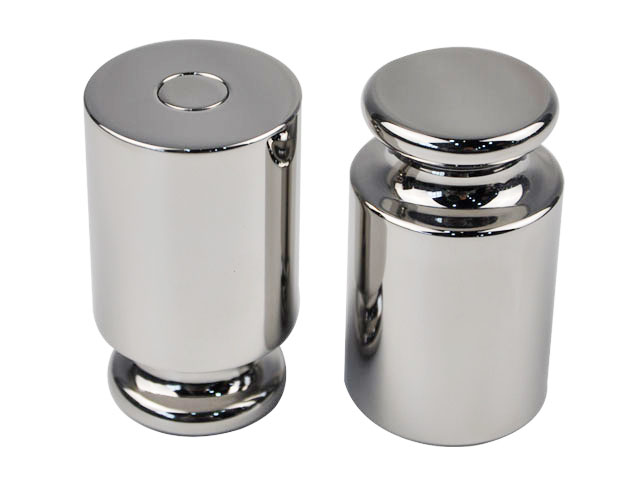
Understanding the fundamental purpose of calibration weights requires a basic grasp of how digital scales operate. A typical digital scale uses a load cell, a transducer that converts force or weight into an electrical signal, which is then processed by a microchip to display a weight reading on a digital screen. Over time, the load cell and other internal parts can experience slight wear or drift, causing the scale to misinterpret the electrical signals and produce incorrect measurements. Calibration works by placing a calibration weight of a known, fixed mass on the scale’s weighing platform while the device is in its dedicated calibration mode, allowing the scale’s internal system to reset its internal parameters and align its readings with the true mass of the calibration weight. Without this reference mass, digital scales would lack a reliable benchmark for accuracy, making it impossible to trust the measurements they provide for daily tasks, professional work, or critical operations.
One of the key attributes of high-quality calibration weights is their material composition, which directly impacts their stability, durability, and resistance to environmental factors that could alter their mass. Different materials are chosen for calibration weights based on the intended use case, precision requirements, and operating conditions, with each material offering distinct advantages for long-term performance. Stainless steel is one of the most widely used materials for calibration weights, prized for its exceptional resistance to corrosion, rust, and oxidation, even in humid or damp environments. Stainless steel calibration weights maintain their mass integrity over extended periods, resist scratches and minor damage, and are easy to clean and maintain, making them suitable for both general-purpose use and more demanding settings like laboratories or industrial spaces. Brass is another common material, valued for its high density, which allows for compact, easy-to-handle calibration weights without sacrificing mass, as well as its smooth finish and resistance to tarnish when properly cared for. Brass weights are often preferred for portable, smaller-scale calibration needs, such as for pocket scales or jewelry scales, where portability and compactness are key. Cast iron is typically used for larger, heavier calibration weights designed for industrial digital scales that measure larger loads, offering robust durability and cost-effectiveness for heavy-duty applications. Lighter materials like aluminum may be used for ultra-small, precision calibration weights, ideal for micro-scales or devices that require fine-tuned calibration for minute measurements. Regardless of the material, the core goal is to create a calibration weight with a stable, unchanging mass that remains consistent regardless of minor environmental fluctuations, ensuring reliable calibration results every time.
Selecting the right calibration weight for a digital scale is a critical step that cannot be overlooked, as using an inappropriate weight can lead to faulty calibration and persistent measurement errors. The first consideration when choosing a calibration weight is matching the weight value to the scale’s specifications and intended weighing range. Most digital scales come with guidelines outlining the recommended calibration weight value, which is typically aligned with the scale’s maximum capacity or a key mid-range value that covers the majority of its weighing range. For example, a small pocket scale used for weighing jewelry or herbs may require a calibration weight of 50 grams or 100 grams, while a larger kitchen scale or commercial retail scale may need a 500-gram or 1-kilogram weight, and industrial scales may require weights of 5 kilograms, 10 kilograms, or more. Using a weight that is too light or too heavy for the scale’s capacity will not provide an accurate reference point, rendering the calibration process ineffective. It is also important to consider the precision level of the calibration weight relative to the scale’s readability; a high-precision laboratory scale that measures to the nearest 0.001 gram will need a calibration weight with extremely tight mass tolerances, while a standard household kitchen scale may only require a weight with moderate precision for reliable everyday use.
Beyond selecting the correct weight value and material, proper handling of calibration weights is essential to preserve their accuracy and extend their usable life. Even small changes to a calibration weight’s mass, such as the accumulation of dust, dirt, oil, or fingerprints, can throw off its precise measurement and compromise calibration results. For this reason, calibration weights should always be handled with care, ideally using soft-tipped tweezers or clean, lint-free gloves to avoid direct contact with bare hands, which can leave behind oils or moisture that alter the weight’s mass. When not in use, calibration weights should be stored in a clean, dry, and stable environment, such as a protective case or a lined storage box, to prevent exposure to dust, moisture, extreme temperatures, or physical damage that could scratch, dent, or warp the weight. Cleaning calibration weights should be done gently with a soft, dry cloth or a mild, non-abrasive cleaning solution for stubborn residue, taking care not to scrub aggressively or use harsh chemicals that could damage the weight’s surface or alter its mass. It is also important to avoid dropping or bumping calibration weights, as even minor impacts can cause subtle structural changes that affect their precision. By following these simple handling and storage practices, users can ensure that their calibration weights remain accurate and reliable for years, providing consistent reference points for digital scale calibration.
The process of calibrating a digital scale with a calibration weight is straightforward, but following a structured, careful approach is key to achieving accurate results. Before beginning calibration, it is important to prepare the scale and the surrounding environment to eliminate potential sources of error. The digital scale should be placed on a flat, stable, and level surface free from vibrations, drafts, or unevenness, as an unlevel platform can cause the scale to distribute weight unevenly and produce false readings. The scale should be powered on and allowed to warm up for a short period, typically a few minutes, to allow its internal electronic components to stabilize and reach optimal operating temperature, as cold or overheated components can affect signal accuracy. The weighing platform should be cleared of any objects and wiped clean of dust or debris to ensure that no extra weight is present during calibration. Once the scale is ready, users can access the calibration mode, which varies by scale model but often involves pressing a specific combination of buttons as outlined in the scale’s user manual. When the scale enters calibration mode, it will typically prompt the user to place the calibration weight on the center of the weighing platform; it is crucial to position the weight evenly and gently, without placing excess force on the platform, to ensure accurate readings. After the weight is placed, the scale will process the reference mass and adjust its internal settings, often displaying a confirmation message or symbol once calibration is complete. The calibration weight can then be carefully removed, and the scale should be tested with an object of known weight to verify that the calibration was successful, ensuring that readings match the true mass of the test object.
Regular calibration with reliable calibration weights offers a host of practical benefits for both personal and professional users of digital scales, making it a non-negotiable part of scale maintenance. For commercial businesses such as grocery stores, bakeries, or shipping centers, accurate weight measurements are essential for fair pricing, customer trust, and compliance with industry standards; a mis-calibrated scale can lead to overcharging or undercharging customers, damaging reputation and potentially leading to operational inefficiencies. In laboratory and research settings, precise weighing is critical for experiments, sample preparation, and data analysis, where even tiny measurement errors can skew results, compromise research integrity, or lead to flawed conclusions. For culinary professionals and home cooks, accurate scale measurements ensure consistent recipe results, perfect portion control, and reliable baking or cooking outcomes, avoiding the frustration of ruined dishes due to incorrect ingredient weights. Hobbyists, such as jewelry makers, model builders, or coin collectors, rely on accurate scales to measure small, valuable items with precision, ensuring that their work meets quality standards and that valuable materials are handled correctly. In industrial settings, calibrated scales support efficient inventory management, quality control, and production processes, preventing material waste and ensuring that products meet weight specifications. Even for casual home use, regular calibration ensures that digital scales remain dependable for tasks like tracking food intake, measuring ingredients, or weighing small packages, eliminating guesswork and ensuring consistency in daily tasks.
It is also important to recognize that calibration weights themselves may require periodic verification to ensure their mass remains accurate, as even the most durable weights can experience subtle changes over time due to long-term use or environmental exposure. While high-quality calibration weights are designed to maintain stability, regular checks against a more primary reference standard can help identify any minor mass deviations, allowing users to replace or recondition weights if needed. This proactive approach ensures that the calibration weights used to adjust digital scales remain reliable, creating a chain of accuracy that extends from the reference weight to the final measurements taken by the scale. Users should also be mindful of signs that a digital scale is in need of calibration, such as inconsistent readings for the same object, noticeable deviations from known weights, or erratic display values; these signs indicate that the scale’s internal settings have drifted, and a calibration session with a trusted weight is needed to restore accuracy.
In addition to individual calibration weights, many users opt for calibration weight sets, which include a range of different mass values in a single kit, offering versatility for calibrating multiple digital scales or adjusting scales for different weighing ranges. Calibration weight sets typically include a variety of small, medium, and sometimes large weights, stored in a protective case for organized storage and easy access, making them ideal for users who work with multiple scales or need to calibrate devices with varying capacity requirements. These sets eliminate the need to purchase separate weights for different scales, providing a cost-effective and convenient solution for maintaining accuracy across a range of weighing equipment. Whether using a single calibration weight or a comprehensive set, the core value remains the same: having a trusted, stable reference mass to keep digital scales performing at their best.
As digital scales continue to evolve with advanced technology and improved sensor design, the role of calibration weights remains unchanged as the foundation of accurate weighing. No amount of technological innovation can replace the need for a physical, known reference mass to validate and adjust a scale’s measurements, as even the most sophisticated digital systems rely on external benchmarks to ensure precision. Calibration weights are not just accessories for digital scales; they are essential tools that uphold the integrity of measurement, supporting accuracy, reliability, and consistency across every application where weight matters. By investing in high-quality calibration weights, following proper handling and maintenance practices, and adhering to a regular calibration schedule, users can maximize the lifespan of their digital scales, eliminate measurement errors, and trust the readings provided by their equipment for every task, big or small.
In summary, calibration weights are an integral component of effective digital scale use, offering a simple yet powerful solution to maintaining measurement accuracy in the face of daily wear and environmental changes. From material selection and proper handling to strategic calibration routines, every aspect of working with calibration weights contributes to the overall reliability of digital scales. Whether used in a professional laboratory, a busy commercial kitchen, a bustling retail space, or a quiet home setting, calibration weights ensure that digital scales deliver consistent, truthful measurements, making them an indispensable investment for anyone who relies on precise weight data. Taking the time to understand, select, and care for calibration weights is a small effort that yields significant long-term benefits, safeguarding against errors, enhancing operational efficiency, and upholding the standards of accurate measurement in all aspects of daily life and work.
