





Changzhou Veidt Weighing Co., Ltd. © 2022 ALL RIGHTS RESERVED Privacy Policy | Calibration Weight | Test Weights | Cast Iron Weights | Standard Weights | Laboratory Weights | XML | SITEMAP
NEWS LIST
calibration weight for crane scale
Saturday 21st March 2026 Back to list
In the broad field of industrial weighing and lifting operations, crane scales stand as indispensable tools that bridge the gap between heavy load handling and accurate weight measurement, serving sectors ranging from construction and manufacturing to logistics, mining, maritime shipping and metal processing. Unlike bench scales or floor scales that operate in stable, controlled indoor environments, crane scales function under dynamic, often harsh conditions—exposed to varying temperatures, mechanical vibrations, sudden load impacts, outdoor moisture and dust, and the constant stress of lifting tons of material at varying heights. Over time, these external factors and regular wear can gradually shift the measurement accuracy of a crane scale, leading to slight deviations in weight readings that may seem insignificant at first but carry far-reaching consequences for operational safety, material accountability, process efficiency and compliance with basic industrial weighing standards. This is where calibration weights for crane scales step in as the foundational reference standard, a precisely engineered mass component that serves as the ultimate benchmark to verify, adjust and restore the accuracy of crane scale systems, ensuring that every weight measurement aligns with true mass values and maintains consistent performance across all lifting tasks. Calibration weights are not merely passive metal blocks; they are precision-crafted tools designed to meet strict mass tolerance requirements, tailored specifically to the unique operational demands of crane scales, which handle loads that can range from a few hundred kilograms to dozens of tons, far exceeding the capacity of standard laboratory or small-scale industrial calibration weights. Understanding the role, design, selection, handling and maintenance of these specialized calibration weights is essential for any team responsible for operating, maintaining or quality-checking crane scales, as it directly impacts the reliability of daily weighing activities and the overall integrity of industrial operations that depend on accurate load data.
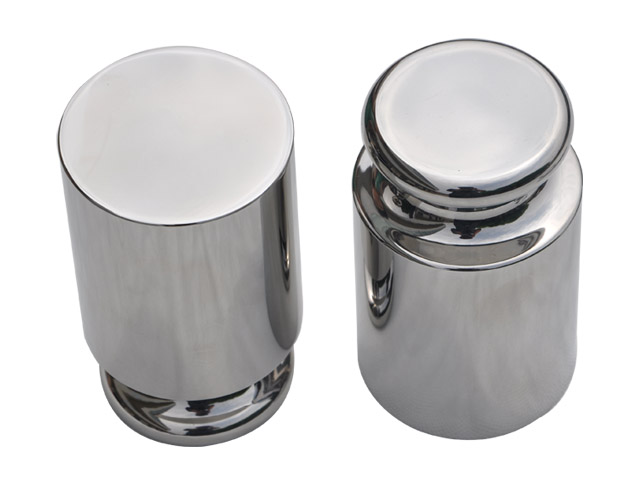
To grasp the full significance of crane scale calibration weights, it is first necessary to define their core purpose within the weighing ecosystem. A crane scale operates by converting the mechanical force exerted by a suspended load into an electrical signal through internal load cells, which is then processed and displayed as a numerical weight reading. This conversion process relies on a pre-set calibration curve that links force input to weight output, and any drift in this curve—caused by load cell fatigue, electronic component aging, physical damage to the scale body, or repeated exposure to harsh working conditions—will result in inaccurate readings. Calibration weights provide a known, fixed mass that is applied to the crane scale’s lifting hook or load bearing point in a controlled manner, allowing operators to compare the scale’s displayed reading with the actual mass of the calibration weight. If a discrepancy is found, the crane scale can be adjusted internally to align its output with the reference mass, eliminating systematic errors and restoring its measurement precision. This process is not limited to one-time adjustment after purchase or repair; it is a recurring, routine practice that must be integrated into regular equipment maintenance schedules to counteract the gradual degradation of accuracy that occurs with normal use. Beyond correcting existing errors, calibration weights also play a critical role in preventive verification, helping operators identify early signs of scale malfunction or component wear before a minor deviation escalates into a major measurement failure. In industries where loads are bought, sold, or transported based on weight readings, such as bulk material logistics or scrap metal processing, consistent calibration with reliable weights prevents financial losses from over- or under-measurement, eliminates disputes between suppliers and receivers, and upholds transparency in material handling. For heavy-lifting operations, such as construction site material lifting or industrial equipment installation, accurate weight data from a calibrated crane scale is a cornerstone of safety: knowing the exact weight of a load ensures that lifting equipment is not overloaded, reduces the risk of structural failure, cable snap or load drop, and protects workers, equipment and valuable assets from preventable accidents. Even in internal production processes, where raw materials or finished goods are weighed for inventory or production planning, calibrated crane scales deliver consistent data that supports efficient inventory management, reduces waste and optimizes production workflows, making calibration weights a silent but vital asset across every stage of industrial operation.
The design and manufacturing of crane scale calibration weights are uniquely adapted to the challenges of heavy-duty, mobile and often outdoor use, distinguishing them from standard calibration weights used in laboratory or stationary scale settings. One of the most critical considerations is material selection, as the chosen metal must possess high density, dimensional stability, resistance to corrosion and wear, and consistent mass properties over time, even when exposed to the rough handling and environmental conditions common in crane scale operations. Cast iron is one of the most widely used materials for medium to large capacity crane scale calibration weights, valued for its high density, low cost relative to load capacity, durability and ability to withstand minor impacts without deforming or chipping. Cast iron weights are typically coated with a protective layer, such as epoxy paint or powder coating, to shield the metal from rust, moisture and industrial dust, preserving both their physical integrity and mass accuracy. For applications that demand higher precision or involve exposure to corrosive substances, such as chemical processing plants or coastal marine operations, stainless steel is the preferred material; it offers exceptional corrosion resistance, non-porous surfaces that resist dirt accumulation and easy cleaning, making it ideal for long-term use in harsh or hygienic environments. While stainless steel weights come with a higher material density and precision profile, cast iron remains the practical choice for most heavy-duty industrial applications due to its balance of durability, load capacity and cost-effectiveness, without compromising the necessary mass tolerance for crane scale calibration. In terms of physical design, crane scale calibration weights are engineered for safe, efficient handling with lifting equipment, as they must be easily attached to a crane scale’s hook and lifted smoothly without shifting or tipping. Common designs include cylindrical weights with a central lifting eye bolt, rectangular block weights with integrated lifting slots or handles, and stackable weights that allow operators to combine multiple units to achieve a specific total load mass for full-range calibration. Cylindrical weights are compact and stable, making them suitable for single-mass calibration of mid-capacity crane scales, while rectangular and stackable designs offer flexibility, enabling operators to test the scale at multiple load points—from light loads near the minimum capacity to heavy loads near the maximum capacity—to verify linear accuracy across the entire measurement range. The shape of these weights is carefully calculated to ensure a low center of gravity, which enhances stability during lifting and prevents uneven load distribution that could skew calibration results. Additionally, high-quality crane scale calibration weights feature smooth, rounded edges and no sharp protrusions, reducing the risk of damage to the crane scale’s hook, load cell or housing during attachment and removal, and also minimizing safety hazards for handling personnel. Each weight is manufactured to strict mass tolerances, with tiny adjustments made during production to ensure that its actual mass matches the nominal value within an acceptable margin, a level of precision that is non-negotiable for reliable calibration results.
Selecting the right calibration weights for a crane scale is a structured process that depends on several key factors, and making an informed choice is essential to ensure effective, accurate calibration and avoid unnecessary costs or operational delays. The first and most fundamental factor is the capacity of the crane scale itself: calibration weights should cover the full working range of the scale, from the minimum measurable load up to the maximum rated capacity. For most industrial crane scales, it is standard practice to use a set of weights that includes smaller individual masses for testing low-load accuracy and larger masses or stacked combinations for testing full-capacity performance, as accuracy can vary at different points along the scale’s load range. Skipping full-capacity calibration is a common mistake that can lead to hidden errors when lifting heavy loads, which are the most critical for safety and operational efficiency, so a comprehensive weight set that covers the entire spectrum is always recommended. The second factor is the required tolerance and precision level, which aligns with the operational needs of the business; industries that handle high-value materials or require strict measurement consistency will need weights with tighter mass tolerances, while general-purpose material handling may use weights with standard industrial-grade tolerances that meet practical operational requirements without excessive precision. It is important to note that calibration weights for crane scales are designed for field use and do not need the ultra-high precision of laboratory analytical weights, but they must still maintain consistent, stable mass values to serve as a reliable reference. The third factor is practical handling and storage: weights should be sized and shaped to fit the available lifting space, easy to transport between work sites if the crane scale is mobile, and compatible with the lifting accessories used on-site. Stackable weights are a popular choice for businesses with limited storage space, as they can be neatly stacked and secured when not in use, while individual large-capacity weights are suitable for permanent installation at a fixed lifting station. Environmental conditions also play a role in selection; for outdoor use in rainy or humid climates, coated cast iron or stainless steel weights are essential to prevent corrosion, while weights used in indoor manufacturing facilities may have less stringent protective coating requirements. Another often-overlooked consideration is compatibility with the crane scale’s design: some crane scales have compact hook assemblies or limited clearance, so slim, compact weight designs are more practical than bulky or irregularly shaped units that may be difficult to attach safely. Taking the time to assess these factors ensures that the selected calibration weights are not only precise but also practical for daily use, reducing the risk of handling errors, damage to the weights or scale, and incomplete calibration that fails to address real-world operational conditions.
Proper handling and execution of calibration with crane scale weights are just as important as selecting high-quality weights, as even the most precise weights will deliver inaccurate results if the calibration process is rushed, careless or performed in an uncontrolled manner. Calibration should always be carried out in a stable, safe environment, free from strong winds, excessive vibration, or other external disturbances that could affect the scale’s readings; outdoor calibrations should be scheduled during calm weather conditions, and indoor calibrations should be performed when nearby machinery that causes vibration is not operating. Before beginning the calibration process, the crane scale should be inspected for visible damage: check the hook for cracks or bending, the load cell housing for dents or loose components, the display for clear functionality, and all cables and connections for wear or damage. Any visible defects should be addressed and repaired before calibration, as a damaged scale cannot be accurately calibrated and may produce false readings even with reference weights. The scale should also be zeroed properly with no load attached, ensuring that the baseline reading is set to zero to eliminate any offset errors before applying the calibration weight. When attaching the calibration weight, it is critical to center the weight evenly on the crane scale’s hook, avoiding any off-balance positioning that could create uneven force on the load cell and lead to skewed measurements. For stacked weights, each additional weight should be placed carefully and evenly on top of the previous one, ensuring that the stack is stable and does not shift or lean during lifting; it is also important to avoid touching the weights or scale during the reading process, as even slight contact can introduce minor vibrations or force that affects the result. Once the weight is securely attached, the load should be lifted slowly and smoothly to a standard height, consistent with the height at which the scale normally operates, and held steady until the display reading stabilizes. Rushing the lifting process or jerking the load can cause dynamic force spikes that the load cell cannot process accurately, leading to temporary false readings that do not reflect the true static mass of the calibration weight. The stabilized reading should be recorded carefully, then compared to the known mass of the calibration weight; any deviation should be noted, and the scale adjusted according to the manufacturer’s operational guidelines to align the displayed value with the reference mass. This process should be repeated at multiple load points across the scale’s capacity range, including mid-range and maximum capacity, to verify linear accuracy—meaning the scale maintains consistent precision at all load levels, not just at a single weight point. After adjustment, a verification test should be performed with the same calibration weights to confirm that the readings are now accurate, and any adjustment changes should be documented for future reference and maintenance tracking. Calibration should never be performed by untrained personnel; operators should be familiar with both the crane scale’s functions and the proper handling of calibration weights to minimize the risk of accidents, equipment damage or inaccurate calibration data.
Long-term maintenance and care of crane scale calibration weights are essential to preserve their mass accuracy and structural integrity, as even minor damage, corrosion or surface contamination can alter their mass and render them unreliable as reference standards. One of the most basic but effective maintenance practices is regular cleaning: after each use, weights should be wiped down with a clean, dry cloth to remove dust, dirt, oil, moisture or any other debris that may have accumulated during calibration. For weights used in industrial environments with heavy dust, grease or metal shavings, a mild, non-corrosive cleaning solution can be used to remove stubborn residue, followed by thorough drying to prevent moisture from seeping into the metal and causing corrosion. It is important to avoid abrasive cleaning tools or harsh chemicals that can scratch or damage the protective coating on cast iron weights or corrode stainless steel surfaces, as this compromises both the physical appearance and the mass stability of the weight. When not in use, calibration weights should be stored in a clean, dry, temperature-stable environment, away from direct sunlight, moisture, chemical fumes and sharp objects that could cause scratches or dents. Stackable weights should be stacked neatly on a flat, stable surface or stored in a dedicated storage rack to prevent tipping and physical damage, while individual large weights should be placed on a padded or non-slip surface to avoid scratching and to maintain their balance. Physical damage is a major threat to calibration weight accuracy; dents, chips or cracks can alter the mass of the weight, even if the damage appears minor, so weights should be handled with care at all times—avoid dropping, dragging or throwing them, and use proper lifting equipment or handles when moving heavy weights to prevent impact damage. Regular visual inspections are a key part of maintenance: check for signs of corrosion, coating peeling, cracks, dents or bending, and examine lifting eye bolts or handles for looseness or wear. If any damage or deterioration is found, the weight should be removed from service immediately and inspected by a qualified professional to assess whether its mass has been affected; damaged weights should not be used for calibration until they have been repaired, re-verified for mass accuracy or replaced entirely. Periodic recalibration of the calibration weights themselves is also a necessary practice, as even the most durable weights can experience slight mass drift over years of use and handling. The frequency of weight recalibration depends on usage intensity: weights used daily for frequent crane scale calibration should be checked and re-verified more often, while weights used for monthly or quarterly calibration can be verified on a longer schedule. This periodic check ensures that the reference weights remain within their specified mass tolerances, maintaining the chain of accuracy from the calibration weight to the crane scale and ultimately to the load being measured. By implementing a consistent maintenance routine, businesses can extend the service life of their calibration weights, protect their investment and ensure that every crane scale calibration delivers reliable, trustworthy results.
Calibration weights for crane scales find application across a diverse range of industrial sectors, each with unique operational demands that highlight the versatility and necessity of these precision tools. In the construction industry, crane scales are used to lift building materials such as steel beams, concrete blocks, reinforcement bars and prefabricated components, and calibrated weights ensure that weight readings are accurate to prevent overloading of lifting cranes and ensure compliance with on-site safety protocols; construction sites often operate in outdoor, dusty conditions, so robust, coated calibration weights are ideal for withstanding these harsh environments. In the manufacturing sector, particularly heavy manufacturing involving metal fabrication, machinery production and automotive parts assembly, crane scales weigh raw materials, semi-finished parts and finished products, and consistent calibration with reliable weights supports precise inventory management and quality control, preventing production delays caused by inaccurate material counting or sizing. Logistics and warehousing operations rely on crane scales for weighing bulk goods, palletized shipments and oversized items that cannot be weighed on standard floor scales, and accurate calibration ensures that shipping weights are correct for freight calculation, customs documentation and inventory tracking, reducing costly errors in logistics and supply chain management. Mining and quarrying operations use crane scales to handle extracted minerals, ores and rock materials, often in wet, abrasive environments, and corrosion-resistant calibration weights are essential to maintain accuracy amid constant exposure to moisture and mineral dust. Maritime and port operations use crane scales for loading and unloading cargo ships, weighing large cargo containers and heavy goods, where precise weight data is critical for ship stability and safe loading practices, making regular calibration with high-quality weights a non-negotiable part of port safety and operational efficiency. Agricultural operations that handle large batches of grains, feed or bulk produce also use crane scales for weighing, and calibration weights ensure that harvest yields are measured accurately, supporting fair trade and efficient storage planning. Even in waste management and recycling facilities, crane scales weigh scrap metal, paper and plastic materials, and calibrated weights prevent revenue loss from inaccurate measurement of recyclable materials. Across all these sectors, the core role of the calibration weight remains unchanged: to provide a reliable reference for accurate crane scale operation, adapting to the unique environmental and operational challenges of each industry while upholding consistent measurement standards.
One common misconception about crane scale calibration is that it is only necessary when the scale appears to be malfunctioning or giving obviously wrong readings, but this approach ignores the gradual, subtle accuracy drift that occurs with regular use and can lead to cumulative errors over time. In reality, regular calibration with dedicated weights is a proactive maintenance task, not a reactive fix, and establishing a consistent calibration schedule is key to maintaining reliable performance. The frequency of calibration depends on several factors, including the intensity of use, environmental conditions, industry requirements and internal quality standards. Crane scales that are used daily for heavy lifting in harsh conditions may require calibration every few months, while scales used less frequently in milder environments may be calibrated semi-annually or annually. It is also recommended to perform calibration after any significant event that could affect scale accuracy, such as a drop, impact, repair or component replacement, as these events can disrupt the scale’s internal calibration and require immediate verification with reference weights. Documenting every calibration session is a valuable practice for long-term equipment management: records should include the date of calibration, the weights used, the readings obtained before and after adjustment, any adjustments made and the name of the operator who performed the calibration. These records provide a historical track record of the scale’s performance, help identify patterns of accuracy drift, support internal quality audits and ensure accountability for weighing operations. Another important consideration is training for personnel involved in calibration and weight handling; even the best calibration weights and procedures will fail if operators lack the knowledge to handle weights correctly, perform calibration safely or interpret results accurately. Training should cover proper weight handling techniques, calibration step-by-step protocols, safety precautions, basic maintenance of weights and scales, and how to identify signs of weight or scale damage. Well-trained personnel not only ensure accurate calibration but also reduce the risk of workplace accidents related to heavy weight handling and equipment operation.
As industrial operations continue to evolve with greater emphasis on safety, efficiency and data accuracy, the role of calibration weights for crane scales remains as relevant as ever, even as weighing technology advances with digital displays, wireless data transmission and automated load monitoring features. Advanced crane scale technology may offer enhanced functionality and ease of use, but it still relies on a physical reference standard to validate accuracy, and calibration weights remain the most direct, reliable way to establish that reference. Investing in high-quality, well-maintained calibration weights is not an unnecessary expense but a strategic investment in operational safety, financial stability and process efficiency; the cost of maintaining accurate calibration weights is far lower than the potential costs of inaccurate weighing, including financial losses from material measurement errors, safety incidents from overloaded lifting equipment, production delays from faulty scale data and disputes over weight-based transactions. Small businesses and large industrial enterprises alike benefit from prioritizing calibration weight quality and proper calibration practices, as consistent weighing accuracy creates a ripple effect across all aspects of operations, from worker safety to supply chain transparency. In an industrial landscape where precision and reliability are key to competitive performance and regulatory adherence, crane scale calibration weights stand as a foundational element of responsible equipment management. They represent the commitment to accuracy in every lift, every measurement and every load handled, ensuring that industrial operations run smoothly, safely and efficiently, with the confidence that weight data is always trustworthy and consistent. By understanding the critical role of these specialized weights, investing in quality products, following proper handling and maintenance protocols, and scheduling regular calibration, businesses can maximize the performance and lifespan of their crane scales, mitigate operational risks and uphold the highest standards of accuracy in all heavy-load weighing activities.
