





Changzhou Veidt Weighing Co., Ltd. © 2022 ALL RIGHTS RESERVED Privacy Policy | Calibration Weight | Test Weights | Cast Iron Weights | Standard Weights | Laboratory Weights | XML | SITEMAP
NEWS LIST
calibration weight for counting scale
Saturday 21st March 2026 Back to list
In the world of precise weighing and inventory management, counting scales stand as indispensable tools for businesses, workshops, laboratories, and manufacturing facilities that handle small parts, components, raw materials, and packaged goods. These specialized scales do more than just measure weight; they use weight readings to calculate the quantity of identical items, streamlining counting processes that would be time-consuming and prone to human error if done manually. However, the accuracy of a counting scale is entirely dependent on one critical accessory: the calibration weight. Without properly calibrated reference weights, even the most advanced counting scale will deliver inconsistent, unreliable readings, leading to costly mistakes, inventory discrepancies, production delays, and compromised quality control across every operation that relies on accurate counting and weighing. Calibration weights serve as the fixed, trusted reference point that ensures a counting scale can convert weight measurements into precise item counts, making them a non-negotiable component for anyone who uses a counting scale regularly, whether for light-duty daily tasks or heavy-duty industrial applications.
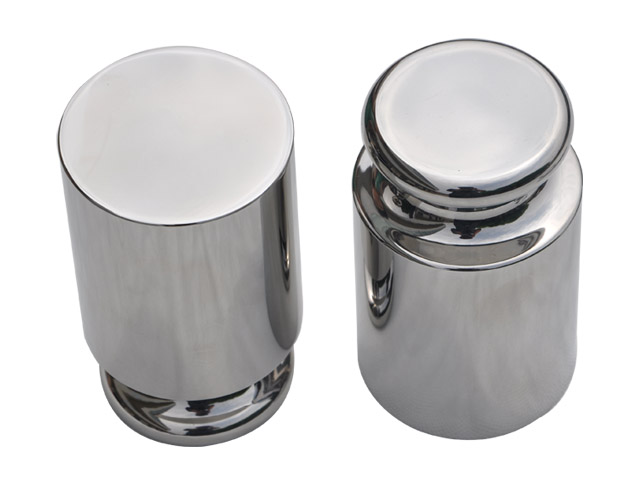
To understand the vital role of calibration weights for counting scales, it is first necessary to grasp how a counting scale operates. Unlike standard weighing scales that only display a single weight value, counting scales are programmed with a sample weight for a set number of identical items, which the scale uses to compute the total quantity of a larger batch placed on the weighing platform. This process relies on the scale’s internal load cell and sensor system to detect even minor weight changes and translate them into accurate numerical data. Over time, however, several factors can disrupt the scale’s internal calibration and cause its readings to drift away from true values. Regular use, minor bumps or impacts, changes in ambient temperature and humidity, wear and tear on internal components, and even slight shifts in the scale’s positioning can all alter its sensitivity and accuracy. A counting scale that is not calibrated with a reliable reference weight will gradually lose precision, leading to overcounting or undercounting items that may seem insignificant in small batches but create major issues when scaled up to large inventories or production runs. Calibration weights eliminate this problem by providing a known, consistent mass that the scale can use to reset its internal settings, ensuring that every weight measurement and subsequent item count aligns with real-world values.
Calibration weights designed for counting scales are crafted with extreme precision to meet strict tolerance standards, even without formal certification labels, as their manufacturing process prioritizes uniformity and stability above all else. These weights are not random pieces of metal; they are engineered to maintain a fixed mass over long periods, resisting changes that could affect their accuracy and make them unfit for calibration purposes. The materials used to make these calibration weights are carefully selected for their durability, resistance to corrosion, low magnetic permeability, and ability to withstand daily handling without losing mass or becoming damaged. Common materials include high-grade stainless steel, solid brass, and certain non-magnetic alloys, each chosen for specific working environments. Stainless steel calibration weights are widely preferred for general-purpose use with counting scales, as they resist rust and tarnish, handle frequent handling well, and remain stable in most indoor working conditions, from quiet office stock rooms to busy manufacturing floors. Brass weights, while slightly softer, offer excellent density and resistance to oxidation, making them suitable for environments with moderate moisture levels. The weight and size of calibration weights are also tailored to match the capacity and precision range of different counting scales, with smaller weights used for compact, high-precision counting scales that handle tiny components, and larger weights designed for heavy-duty counting scales that process bulkier items or larger batches.
One of the key considerations when using calibration weights with counting scales is selecting the right weight value and set to match the scale’s specifications. A calibration weight that is too light or too heavy for the counting scale’s capacity will not provide an accurate reference, leading to flawed calibration and unreliable counting results. Users must first assess the maximum weighing capacity of their counting scale, as well as the minimum weight increment it can detect, to choose calibration weights that cover the full range of weights the scale will regularly measure. Many users opt for complete calibration weight sets that include a range of individual weights, allowing them to calibrate their counting scale at multiple points across its weighing range, rather than just a single point. This multi-point calibration is especially important for counting scales, as it ensures accuracy across both small and large batch sizes, preventing discrepancies that can occur when a scale is only calibrated for a single weight value. For example, a counting scale used to count small screws or electronic components may require a set of lightweight calibration weights, while a scale used for counting larger hardware items or packaged parts will need heavier reference weights to match its operational range. Taking the time to select the appropriate calibration weights ensures that the calibration process is effective and that the counting scale performs consistently across all intended tasks.
The process of calibrating a counting scale with a calibration weight is straightforward, but it requires careful attention to detail to avoid introducing errors that could undermine the entire calibration. Before beginning the calibration, the counting scale should be placed on a flat, stable, level surface free from vibrations, drafts, or sudden movements that could interfere with the scale’s sensor readings. The scale should be turned on and allowed to warm up for a few minutes, as many digital counting scales need a short period to stabilize their internal electronics and achieve optimal performance. The calibration weight or weights should be handled with clean, dry hands or soft, non-abrasive tools to prevent oil, dirt, dust, or moisture from transferring onto the weight surface, as even small amounts of debris can add tiny amounts of mass and alter the weight’s true value. It is important to never drop or roughly handle calibration weights, as impacts can cause dents, scratches, or internal structural changes that affect their mass and render them unusable for accurate calibration. Once the scale is ready, the user follows the scale’s calibration instructions, placing the calibration weight gently in the center of the weighing platform and waiting for the scale to register the weight and stabilize its reading. The scale will then compare the displayed weight to the known mass of the calibration weight and make internal adjustments to align its readings correctly. For multi-point calibration, this process is repeated with different weights from the set, covering the low, mid, and high ranges of the scale’s capacity to ensure uniform accuracy across all weighing scenarios. After calibration is complete, the user can perform a quick verification test by placing a known quantity of items on the scale to confirm that the count matches the actual number, confirming that the calibration was successful.
Regular calibration with dedicated weights is essential for maintaining the long-term performance of a counting scale, and the frequency of calibration depends on how often the scale is used and the level of accuracy required for the task at hand. Counting scales used in high-volume environments, such as manufacturing assembly lines, warehouse inventory management, or quality control labs, should be calibrated more frequently, as constant use increases the risk of accuracy drift. Scales used for critical applications where even a small counting error can lead to significant product waste, inventory shortages, or compliance issues also require more regular calibration. For less frequent, light-duty use, such as small office stock checks or occasional part counting, calibration can be performed less often, but it should still be done on a consistent schedule to prevent gradual accuracy loss. Many users establish a routine calibration schedule, whether daily, weekly, monthly, or quarterly, to ensure the counting scale remains reliable at all times. Additionally, calibration should be performed any time the scale is moved to a new location, dropped or bumped, or exposed to extreme environmental conditions, as these events can immediately disrupt the scale’s internal calibration and require a quick reset with a calibration weight to restore accuracy.
Proper care and storage of calibration weights are just as important as correct usage, as mishandling or poor storage can quickly diminish their accuracy and shorten their usable lifespan. Calibration weights should be stored in a clean, dry, temperature-stable environment when not in use, away from direct sunlight, moisture, dust, chemicals, and magnetic fields that could damage the material or alter their mass. Most calibration weights come with a protective storage case or tray that keeps each weight separate and prevents them from rubbing against each other, which can cause scratches and wear over time. Storing weights individually also prevents cross-contamination from debris or residue that may be present on different weights. When cleaning calibration weights, only a soft, lint-free cloth should be used to gently wipe away surface dust or dirt; harsh chemicals, abrasive cleaners, or water should be avoided, as they can corrode the material or leave behind residues that affect the weight. If a weight becomes visibly damaged, dented, or tarnished, it should no longer be used for calibration, as its mass is no longer consistent and reliable. Investing time in proper maintenance ensures that calibration weights remain accurate reference tools for years, providing consistent calibration results for counting scales and avoiding the need for frequent replacements.
The impact of using uncalibrated counting scales, or scales calibrated with low-quality, non-standard weights, extends far beyond simple counting errors and affects every aspect of a business or operation that relies on accurate inventory and production data. In manufacturing settings, incorrect part counts can lead to production delays, as workers may run out of components mid-assembly or use excess parts that drive up material costs. In warehouses and distribution centers, inaccurate counting can result in incorrect inventory records, leading to overstocking, understocking, missed order fulfillment deadlines, and lost customer trust. For businesses that sell small parts or components by quantity, counting errors can lead to financial losses, either by giving away more items than intended or shortchanging customers, which can damage reputation and customer loyalty. In laboratory and research settings, precise counting and weighing are critical for experimental accuracy and consistent results, and even minor calibration errors can compromise research data and lead to invalid conclusions. Calibration weights mitigate all these risks by providing a reliable, consistent reference that keeps counting scales performing at their intended level of accuracy, protecting businesses from unnecessary costs, operational disruptions, and quality control failures.
Another often-overlooked benefit of using proper calibration weights with counting scales is the improvement in operational efficiency and cost savings over time. While some may view calibration weights as an additional expense, they actually reduce long-term costs by minimizing waste, preventing inventory errors, and extending the lifespan of the counting scale itself. A well-calibrated counting scale requires fewer re-counts and re-weighs, saving time for employees who can focus on other core tasks instead of correcting counting mistakes. Accurate inventory counts also reduce the need for emergency orders of parts or materials, cutting down on rush shipping costs and production downtime. Additionally, regular calibration with high-quality reference weights helps identify early signs of wear or damage to the counting scale’s internal components, allowing for timely maintenance or repairs before a small issue turns into a costly breakdown. By ensuring that the counting scale operates accurately and efficiently, calibration weights become a valuable investment that supports smooth, reliable operations across every industry that relies on precise counting and weighing.
Calibration weights for counting scales are also versatile tools that can be used across multiple scales in a single facility, making them a practical choice for businesses with several counting scales in different departments. As long as the weights match the capacity and precision requirements of each scale, a single high-quality weight set can be used to calibrate multiple units, eliminating the need for separate weights for each scale and reducing overall equipment costs. This versatility is especially beneficial for small to mid-sized businesses with limited resources, as it allows them to maintain accuracy across all their weighing equipment without excessive spending on specialized tools. Even as counting scales are upgraded or replaced, a good set of calibration weights will remain useful, as long as they are properly maintained, making them a long-lasting asset in any workspace that relies on precise counting.
In conclusion, calibration weights are the foundation of accurate and reliable performance for counting scales, playing a critical role in ensuring that weight-based item counts are consistent, precise, and trustworthy. From small-scale retail operations and workshops to large manufacturing plants and research laboratories, the need for accurate counting cannot be overstated, and calibration weights are the only way to guarantee that counting scales deliver the results users depend on. Every step of the process, from selecting the right materials and weight values to following correct calibration procedures and maintaining the weights properly, contributes to the overall accuracy of the counting scale and the success of the operations it supports. Neglecting to use proper calibration weights, or skipping regular calibration, may seem like a small shortcut, but it leads to a cascade of errors that can harm productivity, profitability, and quality. By prioritizing the use of well-made, properly maintained calibration weights, users can ensure their counting scales remain reliable tools that streamline operations, reduce errors, and provide accurate data day in and day out. In the world of precise weighing and counting, there is no substitute for a trusted calibration weight, and its role in keeping counting scales functioning effectively makes it an essential item for anyone who relies on these specialized scales for their daily work.
