





Changzhou Veidt Weighing Co., Ltd. © 2022 ALL RIGHTS RESERVED Privacy Policy | Calibration Weight | Test Weights | Cast Iron Weights | Standard Weights | Laboratory Weights | XML | SITEMAP
NEWS LIST
calibration weight for carat scale
Saturday 21st March 2026 Back to list
In the world of precision weight measurement, especially for small, high-value items like gemstones and pearls, the carat scale stands as an indispensable tool, and its reliability hinges entirely on one often underappreciated component: the calibration weight. Unlike standard household scales that measure larger masses with relatively broad tolerances, carat scales are engineered to detect minuscule weight differences, often down to fractions of a carat, making even the slightest deviation in readings capable of altering assessments, transactions, and overall trust in measurement outcomes. Calibration weights serve as the fixed reference point that brings these sensitive scales back to true accuracy, correcting for the gradual shifts in performance that occur with regular use, environmental changes, and minor mechanical wear. Without properly matched, well-maintained calibration weights, even the most finely crafted carat scale will slowly lose its precision, leading to inconsistent readings that can create tangible disruptions for professionals and hobbyists alike who rely on these tools daily.
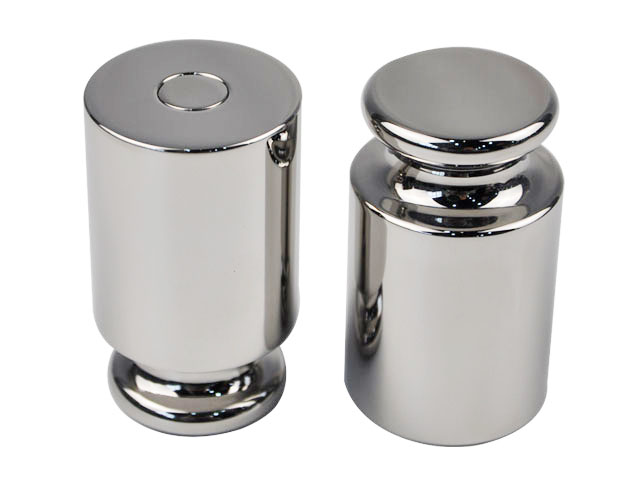
To understand the critical role of calibration weights for carat scales, it is first necessary to grasp the unique nature of carat as a unit of measurement. The carat is a specialized mass unit designed exclusively for precious gemstones and pearls, with a standardized conversion to the metric system that sets 1 carat equal to 0.2 grams, or 200 milligrams. This small baseline measurement means that every milligram or even fraction of a milligram matters, as a tiny discrepancy in weight can translate to a noticeable difference in the perceived carat weight of a gemstone. For context, a single point, which is one hundredth of a carat, equals just 2 milligrams, so a scale that is off by just a few milligrams can mislabel a gemstone by multiple points, a difference that holds real significance in gemstone evaluation and trade. Carat scales are built to capture these ultra-fine measurements, often featuring readability levels that go to a hundredth or even a thousandth of a carat, and this level of sensitivity demands a calibration weight that is equally precise, stable, and consistent in its mass.
Calibration weights for carat scales are not one-size-fits-all tools; they are crafted to align with the specific capacity and readability of the scale they are intended to calibrate, ensuring a perfect match that delivers reliable calibration results. Most carat scales used in professional settings, such as jewelry workshops, gemstone trading floors, and gemological labs, have relatively low maximum weight capacities, typically ranging from a few carats to a few hundred carats, as they are meant for small, lightweight gemstones rather than larger items. As a result, calibration weights for these scales are available in a range of nominal carat values, from small fractional weights used for fine-tuning low-range measurements to larger weights that match the upper capacity of the scale. Common nominal values include 1 carat, 5 carats, 10 carats, 20 carats, 50 carats, and 100 carats, with some specialized weights available in fractional carat measurements to support calibration at critical mid-range points. These weights are designed to correspond directly to the carat unit, eliminating the need for complex metric conversions during calibration and streamlining the process for users who work exclusively with carat-based measurements.
The material composition of calibration weights for carat scales is a key factor in their performance and long-term stability, as the right materials resist common issues that can alter mass, such as corrosion, oxidation, surface abrasion, and moisture absorption. Manufacturers select materials that are dense, non-porous, and resistant to environmental stressors, ensuring that the weight’s nominal mass remains consistent over years of use with proper care. Many high-quality calibration weights for precision carat scales are made from hardened, non-magnetic metals that maintain their shape and mass even with regular handling, while some lighter, more compact weights use polished, corrosion-resistant alloys that prevent surface buildup that could add unintended mass. Unlike lower-grade weights that may warp, tarnish, or collect debris easily, these specialized materials ensure that the weight’s actual mass stays as close as possible to its stated nominal value, which is essential for accurate calibration. The surface finish of these weights is also carefully controlled, with smooth, polished surfaces that resist dust, oil, and fingerprint residue—substances that can add tiny amounts of mass and throw off calibration accuracy, especially for the smaller, more sensitive carat weights.
Beyond material and size, the physical design of carat scale calibration weights is optimized for easy, error-free use on the small, delicate weighing platforms of carat scales. Most of these weights are compact, lightweight, and feature a simple, flat or slightly rounded shape that fits neatly in the center of the scale’s platform, which is critical for uniform weight distribution. Uneven placement or an overly bulky weight can disrupt the scale’s internal sensor, leading to inaccurate calibration readings, so the compact, balanced design of these weights ensures that the full mass is applied evenly to the sensor’s sensitive point. Many also feature a small, integrated handle or indentation that allows users to handle the weight without touching the main weighing surface, reducing the risk of transferring oil, dirt, or moisture from fingers to the weight. This careful design detail is often overlooked but plays a vital role in maintaining the weight’s integrity; even a small amount of skin oil or dust on the weight’s surface can add a fraction of a milligram of mass, which is enough to skew calibration on a high-precision carat scale. Additionally, these weights are typically engineered to be free of sharp edges or rough surfaces that could scratch or damage the delicate weighing platform of the carat scale, preserving both the weight and the scale for long-term use.
Proper calibration technique using these specialized weights is just as important as the quality of the weight itself, as even the finest calibration weight will fail to deliver accurate results if used incorrectly. The calibration process for a carat scale begins with preparing a stable, controlled environment, free from external factors that can interfere with the scale’s performance. This means placing the scale on a flat, level surface that is free from vibration, drafts, and sudden temperature changes, as air movement, shaky surfaces, and temperature fluctuations can all affect the scale’s internal sensors and lead to unstable readings. The area should be clean and free of dust, and the scale’s weighing platform should be gently wiped clean of any debris or residue before starting calibration. Once the scale is properly positioned, it is allowed to power on and stabilize for a set period, usually a few minutes, to ensure the internal components reach a consistent operating temperature, as cold or warm components can cause temporary measurement drift.
After the scale has stabilized, the calibration process follows a straightforward sequence centered on the calibration weight. Most modern carat scales have a dedicated calibration mode that prompts the user to place the correct nominal weight on the platform once the scale reaches its zero point. It is critical to use the exact calibration weight specified for the scale’s capacity and model, as using a weight that is too heavy or too light will not properly align the scale’s internal measurement system. When placing the weight, users must handle it carefully, using the designated handle or soft, lint-free tweezers to avoid direct contact with the weighing surface, and set it gently in the exact center of the platform to ensure even pressure. The scale then processes the weight’s mass, comparing it to its internal reference and adjusting its measurement settings to match the known nominal mass of the calibration weight. Once the scale confirms a successful calibration, the weight is removed carefully, and the scale is allowed to reset to normal weighing mode. After calibration, it is good practice to test the scale with a separate reference gemstone or small test weight of known carat weight to verify that readings are consistent and accurate, catching any potential errors in the calibration process before regular use resumes.
Regular calibration with dedicated carat weights is not just a matter of maintaining accuracy; it is a foundational practice for preserving the longevity and consistent performance of the carat scale. Over time, all precision measuring devices experience minor shifts in performance due to regular use, minor mechanical stress, changes in ambient conditions, and gradual wear on internal sensors. These shifts are often too small to notice with casual use but accumulate over weeks and months, leading to increasingly inconsistent readings. Calibrating the scale at consistent intervals—more frequently for heavy daily use, and periodically for occasional use—resets the scale’s internal system to the fixed reference of the calibration weight, correcting these small deviations before they become significant. This routine maintenance prevents the need for more extensive repairs or adjustments down the line, as catching and correcting minor inaccuracies early is far more effective than addressing large, long-standing measurement errors. For professionals who rely on carat scales for daily transactions or gemstone evaluations, this regular calibration is non-negotiable, as it ensures that every weight reading is trustworthy and consistent, protecting both their work and their reputation for reliability.
The care and maintenance of calibration weights themselves are equally important to ensure their ongoing accuracy and effectiveness as reference tools. Even the most durable calibration weights can lose their precision if not stored and handled properly, so establishing a simple care routine is essential for long-term use. First, calibration weights should always be stored in a dedicated, protective case when not in use, preferably a lined, compact case that keeps the weight secure, free from dust, and protected from scratches, impacts, and exposure to moisture or harsh chemicals. The storage area should be a cool, dry, stable environment, away from direct sunlight, extreme temperatures, and areas with high humidity, as these conditions can cause corrosion, oxidation, or minor warping that alters the weight’s mass. When handling the weights, users should always avoid touching the main weighing surface with bare hands, using either the integrated handle, soft lint-free gloves, or precision tweezers to prevent oil and residue buildup. If a weight does become dirty or dusty, it should be cleaned gently with a soft, lint-free cloth slightly dampened with a mild, non-abrasive cleaning solution, taking care not to scrub the surface or use harsh chemicals that could damage the material. After cleaning, the weight should be allowed to air dry completely before storage or use, as any residual moisture can add mass or cause long-term damage.
It is also important to monitor the condition of calibration weights over time and replace them if signs of wear or damage appear, as a compromised calibration weight will lead to inaccurate scale readings. Common signs of a worn or damaged calibration weight include visible scratches, dents, tarnishing, corrosion, or a rough, uneven surface, any of which can indicate a change in the weight’s nominal mass. Even minor physical damage can alter the weight enough to affect calibration on a high-precision carat scale, so regular visual inspections are a key part of maintenance. Additionally, weights that have been dropped, exposed to extreme conditions, or used excessively for many years may experience subtle mass changes that are not visible to the naked eye, so periodic checks against a stable reference source are recommended for users who rely on their scales for critical work. Replacing a worn calibration weight is a small but vital step in maintaining overall measurement accuracy, as using a damaged weight defeats the entire purpose of calibration and can lead to consistent, unrecognized measurement errors.
The impact of reliable calibration weights extends far beyond individual tool maintenance, touching on broader themes of consistency, fairness, and trust in fields that depend on carat weight measurements. In the gemstone and jewelry industry, for example, carat weight is one of the core factors used to assess the value and quality of precious stones, and accurate weight readings are essential for fair transactions between buyers, sellers, and jewelers. A scale that is improperly calibrated due to a low-quality or poorly maintained weight can lead to readings that are either higher or lower than the true carat weight, creating inequities in pricing, inventory management, and customer trust. For gemologists and jewelry appraisers, accurate weight measurements are critical for producing reliable assessments, and calibration weights ensure that their tools meet the strict precision standards required for professional work. Even for hobbyists and collectors who work with gemstones on a smaller scale, reliable calibration weights ensure that their personal collections are documented accurately, preserving the true value and characteristics of each piece.
Calibration weights for carat scales also play a vital role in standardizing measurements across different settings and users, creating a universal reference point that ensures consistency regardless of where or by whom the scale is used. Two different carat scales, used in different locations and by different people, will produce nearly identical readings if both are calibrated properly with high-quality, matched calibration weights, eliminating the discrepancies that can arise from uncalibrated or poorly calibrated tools. This standardization is especially valuable in global gemstone trade, where stones are bought, sold, and evaluated across different regions and markets; consistent, accurate weight measurements ensure that all parties are working from the same set of data, reducing misunderstandings and disputes. Without this shared reference provided by calibration weights, the carat weight system would lose its uniformity, and measurements would become subjective and unreliable, creating chaos in an industry that relies heavily on precise, objective data.
Another often-overlooked benefit of using dedicated calibration weights for carat scales is the ability to adapt to different measurement needs and scale types. While many carat scales are designed for stationary use on a workbench, some portable, compact carat scales are used for field work, on-site evaluations, or mobile trading. These portable scales are subject to more frequent movement, environmental changes, and handling than stationary models, making regular calibration even more critical. Dedicated carat calibration weights are small and lightweight enough to be easily transported alongside portable scales, allowing users to calibrate their tools on-site and maintain accuracy even in non-traditional work environments. Additionally, calibration weights are available for both analog and digital carat scales, ensuring that all types of precision measuring tools can be properly calibrated and maintained. Digital scales, which are the most common type in modern use, rely on electronic sensors that can drift with use and battery changes, making regular calibration with a fixed weight essential for consistent performance, while analog scales with mechanical components also benefit from periodic calibration to correct for spring tension and mechanical wear.
As precision measurement technology continues to evolve, the role of calibration weights for carat scales remains unchanged and irreplaceable. While modern carat scales feature advanced sensor technology, enhanced stability controls, and user-friendly calibration modes, they still require a physical, fixed reference mass to ensure accuracy—there is no technological substitute for a well-made, properly maintained calibration weight. These small, unassuming tools are the foundation of reliable carat weight measurement, bridging the gap between the scale’s internal technology and the real-world mass of the items being weighed. Investing in high-quality calibration weights and following a consistent calibration and maintenance routine is not just a best practice; it is a necessary step for anyone who uses a carat scale, whether for professional, commercial, or personal use.
In summary, calibration weights for carat scales are essential, non-negotiable tools that underpin the accuracy, reliability, and consistency of precision gemstone weight measurement. From their specialized material composition and compact design to their role in standardizing measurements and maintaining industry trust, every aspect of these weights is engineered to support the unique demands of carat scales. Proper selection, handling, calibration technique, and ongoing maintenance of these weights ensure that carat scales perform at their optimal level, delivering accurate, consistent readings every time they are used. For professionals and enthusiasts alike, understanding the importance of calibration weights and prioritizing their care is key to unlocking the full potential of their carat scales, protecting the integrity of their work, and upholding the standards of precision that define the world of gemstone and jewelry measurement. Without these humble yet critical reference weights, the entire system of carat weight measurement would lose its accuracy and reliability, making them an indispensable part of every precision weighing setup for small, high-value items.
