





Changzhou Veidt Weighing Co., Ltd. © 2022 ALL RIGHTS RESERVED Privacy Policy | Calibration Weight | Test Weights | Cast Iron Weights | Standard Weights | Laboratory Weights | XML | SITEMAP
NEWS LIST
calibration weight class m2
Thursday 12th March 2026 Back to list
In the vast and interconnected world of measurement and metrology, calibration weights stand as unsung heroes, ensuring that every weighing action across industries remains consistent, reliable, and grounded in standardized mass values. Among the diverse range of calibration weight classes, Class M2 holds a unique and indispensable position, bridging the gap between high-precision laboratory weights and the practical, everyday weighing tools that power commercial and industrial operations. Unlike weights designed for ultra-sensitive analytical work that demands microscopic precision, Class M2 calibration weights are engineered to meet the moderate accuracy needs of routine weighing tasks, striking a perfect balance between performance, durability, and functional versatility. This class of weights is not defined by extreme narrow tolerances or specialized laboratory-centric design; instead, it is crafted to deliver consistent mass stability in real-world settings, where environmental variables, frequent handling, and high-volume usage are common challenges. Understanding the role, characteristics, and proper application of Class M2 calibration weights is essential for anyone involved in quality control, commercial trade, industrial production, or general equipment maintenance, as these weights form the backbone of reliable mass calibration for countless weighing devices worldwide.
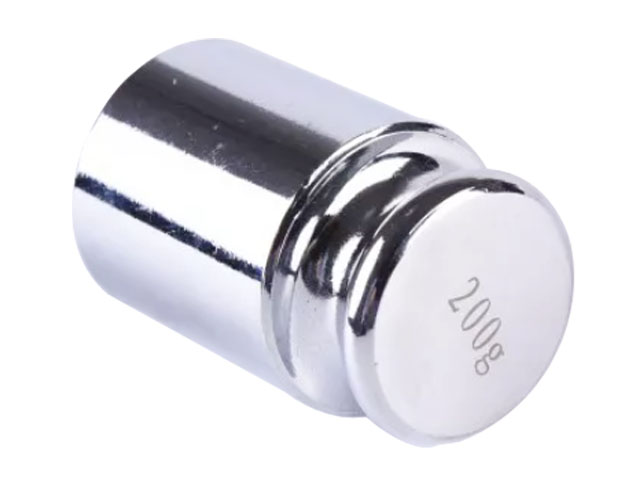
To grasp the significance of Class M2 calibration weights, it is first necessary to contextualize their place within the broader hierarchy of calibration weight accuracy levels. Weights are categorized based on permissible deviation from their nominal mass value, with each class tailored to specific use cases that demand varying degrees of precision. Class M2 sits in the mid-range of this hierarchy, positioned below higher-precision M1 weights but above lower-grade M3 weights, making it ideally suited for applications where absolute pinpoint accuracy is not required, but consistent, dependable mass reference is non-negotiable. The permissible tolerance range for Class M2 weights is notably wider than that of precision-focused classes, a deliberate design choice that aligns with the operational realities of general-purpose weighing. This broader tolerance does not diminish their value; rather, it makes them more accessible and practical for day-to-day use, as they can withstand the rigors of regular handling without compromising their core function as a trusted mass standard. For context, a 1-kilogram Class M2 weight operates within a defined tolerance band that accommodates minor mass variations, a stark contrast to the ultra-tight tolerances of high-precision classes used in pharmaceutical research or scientific testing, yet this flexibility is precisely what makes Class M2 weights so widely applicable across diverse sectors.
The physical design and material composition of Class M2 calibration weights are carefully optimized to support their intended use cases, prioritizing robustness and long-term stability over ultra-fine surface finishes or specialized alloy construction. Most Class M2 weights are fabricated from durable metal materials that resist corrosion, wear, and physical damage, with common options including coated carbon steel, cast iron, and standard-grade stainless steel. These materials are chosen for their ability to maintain a consistent mass over time, even when exposed to the dust, moisture, and temperature fluctuations typical of warehouses, retail spaces, manufacturing floors, and field calibration settings. The structural design of these weights is equally practical: many feature a compact, stackable shape for easy storage and transport, while larger variants may include integrated handling features to simplify placement on weighing platforms without risking damage to the weight or the equipment being calibrated. Unlike high-precision weights that require delicate, glove-only handling to prevent surface contamination or mass alteration, Class M2 weights are built to endure regular manual handling, making them suitable for use by technicians, warehouse staff, retail workers, and maintenance personnel who may not have specialized metrology training. This user-centric design ensures that Class M2 weights can be deployed effectively in diverse work environments, from small local markets to large-scale industrial facilities, without sacrificing their performance as calibration tools.
The primary application scope of Class M2 calibration weights spans a wide array of industries and daily operations, all centered on the calibration and verification of medium-accuracy weighing instruments. One of the most prominent uses is in commercial trade, where accurate weighing is critical to ensuring fair transactions between buyers and sellers. Class M2 weights are routinely used to calibrate the scales found in grocery markets, produce stalls, bulk food stores, and small retail establishments, where the weighing of everyday goods like grains, produce, dry goods, and household items demands consistent but not ultra-high precision. These weights ensure that the scales used in these settings provide accurate mass readings, preventing discrepancies that could lead to unfair pricing or disputes between parties. Beyond retail, Class M2 weights play a vital role in general industrial operations, where they are used to calibrate bench scales, floor scales, and counting scales used for raw material inventory, component weighing, finished product packaging, and shipping and receiving tasks. In manufacturing facilities, whether producing consumer goods, hardware, textiles, or other everyday products, maintaining accurate weighing processes is key to quality control and production efficiency, and Class M2 weights provide the reliable reference mass needed to keep these systems calibrated correctly.
Additional key applications for Class M2 calibration weights include educational and training environments, as well as routine equipment maintenance across various sectors. In technical schools, vocational training programs, and educational laboratories, Class M2 weights serve as ideal teaching tools to introduce students to the principles of mass measurement, calibration techniques, and metrology basics. Their durability and moderate precision make them perfect for hands-on learning, allowing students to practice handling weights, performing scale calibrations, and understanding measurement error without the risk of damaging high-value, ultra-precise equipment. In facility maintenance and equipment upkeep, Class M2 weights are used for periodic verification of weighing devices to ensure ongoing performance compliance. Many businesses and industrial operations require regular checks of their scales to maintain operational consistency, and Class M2 weights offer a cost-effective, practical solution for these routine checks. They are also used to calibrate lower-grade M3 weights, creating a hierarchical chain of mass standards that supports accurate measurement across different levels of operational precision. This cascading calibration role further solidifies the importance of Class M2 weights as a foundational element of practical metrology, linking high-precision reference standards to the everyday weighing tools that keep commercial and industrial activities running smoothly.
Proper handling and maintenance practices are essential to preserving the accuracy and service life of Class M2 calibration weights, even though they are designed for durability. While these weights are more resilient than high-precision alternatives, they are still subject to factors that can alter their mass over time, such as surface contamination, physical abrasion, corrosion, and improper storage. One of the most basic yet critical maintenance steps is regular cleaning to remove dust, dirt, oil, and other residues that can accumulate on the weight’s surface and add unintended mass. Cleaning should be done with a soft, lint-free cloth and a mild, non-abrasive cleaning agent, avoiding harsh chemicals that could damage the weight’s protective coating or base material. It is also important to handle weights with clean hands or wear lightweight gloves when possible, to prevent the transfer of oils or debris that could affect mass stability. When not in use, Class M2 weights should be stored in a dry, temperature-stable environment, ideally in a dedicated case or storage tray that prevents scratching, chipping, or contact with other metal objects that could cause surface damage. Avoiding exposure to extreme temperatures, direct sunlight, or high humidity is also key, as these environmental factors can accelerate corrosion or material degradation, particularly for weights with coated or plated surfaces.
Regular calibration and inspection of Class M2 weights themselves are equally important to ensure they remain valid as reference mass standards. Over time, even the most durable weights can experience minor mass loss or gain due to wear, corrosion, or surface damage, so periodic verification against higher-grade reference weights is necessary to confirm their accuracy. The frequency of these checks depends on the intensity of use and the operating environment; weights used daily in harsh industrial settings may require more frequent inspections, while those used occasionally in clean, controlled environments can be checked less often. During inspections, technicians should examine the weight for visible signs of damage, such as cracks, dents, peeling coatings, or rust, as any physical defect can compromise its mass stability. If a weight is found to be outside its permissible tolerance range or has sustained significant damage, it should be removed from service for adjustment or replacement, to prevent inaccurate calibrations that could lead to faulty weighing results. Adhering to a consistent inspection and calibration schedule not only extends the life of Class M2 weights but also ensures that the scales and instruments they calibrate continue to deliver reliable, consistent readings, supporting operational efficiency and compliance with internal quality standards.
The value of Class M2 calibration weights extends far beyond their functional role in scale calibration; they represent a critical link in the global system of standardized measurement that underpins fair trade, industrial efficiency, and quality assurance. In an era where consistency and reliability are paramount across all sectors, having access to a trusted, practical mass reference like Class M2 weights is essential for businesses of all sizes. Unlike high-precision weights that are limited to specialized laboratory use, Class M2 weights are a workhorse tool, adaptable to the diverse needs of everyday operations. They eliminate the guesswork from weighing processes, reduce the risk of measurement errors that can lead to wasted materials, lost revenue, or customer dissatisfaction, and provide a level of consistency that fosters trust between businesses and their customers. For small retail establishments, reliable scales calibrated with Class M2 weights ensure fair pricing and customer loyalty; for manufacturing facilities, accurate weighing supports lean production practices and consistent product quality; for educational institutions, these weights nurture the next generation of technicians and metrology professionals. In every scenario, Class M2 weights deliver tangible value by turning abstract mass standards into practical, usable tools that drive real-world operational success.
Looking ahead, the relevance of Class M2 calibration weights remains strong, even as weighing technology continues to evolve with digital advancements and automated systems. Modern digital scales and smart weighing equipment may offer enhanced features and connectivity, but they still rely on calibrated reference masses to maintain accuracy, and Class M2 weights continue to meet the core needs of most general-purpose calibration tasks. Their durable design, practical performance, and cost-effective nature ensure that they will remain a staple in workshops, warehouses, retail spaces, and training facilities for years to come. As industries prioritize efficiency, consistency, and quality control, the demand for reliable, easy-to-use calibration tools like Class M2 weights will only persist, as they offer a straightforward, proven solution to the universal challenge of accurate mass measurement. While higher-precision weight classes will always have their place in specialized fields, Class M2 weights carve out a permanent niche as the go-to choice for practical, everyday calibration, embodying the perfect balance of functionality, durability, and accessibility that defines essential industrial and commercial tools.
In conclusion, Class M2 calibration weights are far more than just simple metal masses; they are a cornerstone of reliable measurement in the modern world. Their moderate precision, robust construction, and wide-ranging applicability make them an indispensable asset across commercial, industrial, educational, and maintenance settings, supporting fair trade, efficient production, and quality assurance at every level. By understanding their unique characteristics, proper usage, and maintenance requirements, users can maximize the lifespan and performance of these weights, ensuring that the weighing systems they calibrate remain accurate and consistent over time. In a world that runs on precise, standardized measurement, Class M2 calibration weights stand as a testament to practical engineering, delivering steady, dependable performance where it matters most. They may not be designed for ultra-specialized scientific work, but their role in keeping daily operations running smoothly, fairly, and efficiently cements their status as an essential tool in the global metrology ecosystem, one that continues to serve diverse industries with unwavering reliability.
