





Changzhou Veidt Weighing Co., Ltd. © 2022 ALL RIGHTS RESERVED Privacy Policy | Calibration Weight | Test Weights | Cast Iron Weights | Standard Weights | Laboratory Weights | XML | SITEMAP
NEWS LIST
calibration weight class f2
Thursday 12th March 2026 Back to list
In the intricate world of precision measurement, where even the tiniest deviation can disrupt entire workflows, compromise data integrity, and lead to costly operational errors, calibration weights stand as unassuming yet indispensable pillars of accuracy. Among the diverse range of weight classes tailored to meet varying metrological needs, Class F2 calibration weights occupy a vital middle ground, blending balanced precision, practical durability, and versatile usability to serve countless sectors that rely on consistent, trustworthy weighing outcomes. Unlike ultra-high-precision weights designed for the most stringent laboratory environments or basic weights meant for rough, low-stakes measurements, F2 class weights strike a harmonious equilibrium, making them a go-to choice for applications that demand reliable accuracy without the need for extreme, specialized precision. This balance is what elevates F2 weights from mere metal objects to critical tools that uphold the integrity of measurement systems across laboratories, manufacturing floors, quality control facilities, and everyday industrial operations alike.
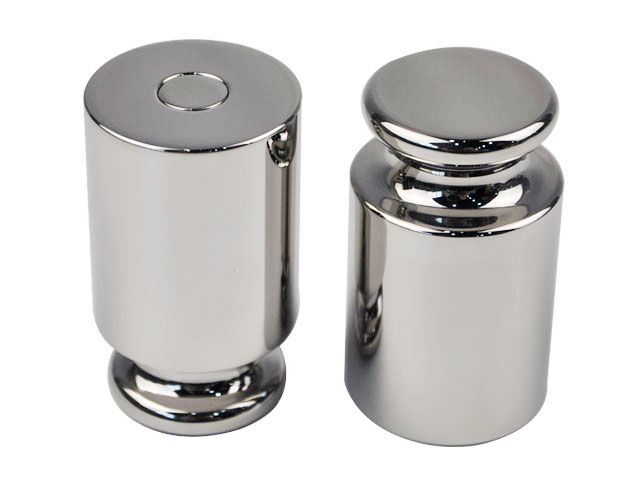
To fully grasp the significance of Class F2 calibration weights, it is essential to first understand their core metrological profile and the defining traits that set them apart within the hierarchy of standard weights. Every calibration weight class is defined by specific tolerance limits, which dictate the acceptable deviation between the nominal weight value and the actual physical mass of the weight. For F2 class weights, these tolerances are carefully calibrated to support medium-precision weighing instruments, ensuring that the reference mass they provide is consistent enough to validate and adjust scales, balances, and other weighing devices effectively. This level of precision is not intended for ultra-sensitive analytical instruments that measure minute quantities with micro-level accuracy, nor is it overly lenient for applications where rough estimates suffice. Instead, it caters to the vast majority of routine calibration tasks, where reliable repeatability and consistent performance are paramount. The tolerance parameters of F2 weights are engineered to minimize measurement uncertainty during standard calibration procedures, giving users confidence that their weighing equipment is functioning within acceptable accuracy ranges and that the data generated from these devices is dependable for decision-making, production, and testing processes.
The material composition of Class F2 calibration weights is a key factor in their performance, longevity, and ability to maintain metrological stability over time. Manufacturers select materials with inherent properties that resist common environmental stressors, physical wear, and chemical interference, all of which can alter the mass of a weight and compromise its calibration value. High-grade stainless steel is the most prevalent material for F2 weights, chosen for its exceptional corrosion resistance, low magnetic permeability, and dimensional stability. These properties mean that F2 weights are less susceptible to rust, oxidation, or warping when exposed to moisture, mild chemicals, or fluctuating temperatures—common conditions in many industrial and laboratory settings. The density of the material used is also carefully controlled, as consistent density ensures uniform mass distribution and prevents irregularities that could affect weighing accuracy. Smaller F2 weights, typically ranging from milligram to gram increments, are often crafted with precision-machined alloys that offer fine structural integrity, while larger weights, from hundreds of grams to multiple kilograms, may feature robust, two-piece constructions with internal adjustment cavities. These cavities allow for fine-tuning of the weight’s mass to maintain its classification accuracy over years of use, addressing minor wear or environmental changes that could otherwise shift its nominal value. The surface finish of F2 weights is equally deliberate; smooth, polished surfaces reduce the accumulation of dust, dirt, and contaminants, which can add unwanted mass and skew calibration results, while also resisting scratches and dents that might alter the weight’s physical dimensions and mass.
Beyond their material and precision characteristics, the design and form factor of Class F2 calibration weights are optimized for real-world functionality, prioritizing ease of handling, safe storage, and practical deployment across diverse use cases. F2 weights are available in a comprehensive range of nominal values, covering tiny milligram increments for smaller precision balances up to substantial kilogram weights for larger industrial scales, ensuring compatibility with a wide spectrum of weighing equipment. Standard weight sets often include a curated selection of these values, packaged in protective, cushioned cases that keep each weight secure, organized, and isolated from external contaminants. Individual weights may feature ergonomic design elements such as built-in handles or compact, stackable shapes, making them easy to grasp and maneuver during calibration procedures—especially important when handling larger weights that require stable, controlled handling to prevent accidents or damage. The compact, durable design of F2 weights also makes them highly portable, allowing technicians and metrology professionals to carry them between workstations, production lines, or on-site locations for field calibration tasks. This portability, combined with their robust construction, means F2 weights can adapt to both stationary laboratory settings and dynamic industrial environments, where equipment calibration may need to happen on the floor amid daily operations.
The applications of Class F2 calibration weights span a vast array of industries and operational settings, each relying on their consistent precision to uphold quality, compliance, and efficiency. In general research and analytical laboratories, F2 weights serve as primary reference standards for calibrating medium-precision balances and scales used in routine testing, sample preparation, and experimental measurements. These labs do not always require the ultra-fine precision of higher-class weights, making F2 weights a cost-effective and practical choice that delivers accurate results for everyday scientific work. In the manufacturing sector, F2 weights play a critical role in quality control processes, where raw material weighing, component verification, and finished product quality checks depend on accurate weighing to maintain product consistency and meet internal performance standards. Whether in chemical manufacturing, where precise ingredient ratios impact product efficacy, or consumer goods production, where uniform weight ensures packaging and product integrity, F2 weights help streamline operations and reduce waste caused by inaccurate measurements. The food and beverage industry also relies heavily on F2 calibration weights to calibrate processing scales and packaging equipment, ensuring that products meet labeled weight specifications and adhere to industry norms for consistency and fairness. Accurate weighing in this sector not only prevents underfilling or overfilling but also supports efficient inventory management and reduces financial losses from mismeasured products.
Additional sectors that benefit from Class F2 calibration weights include pharmaceutical production, educational institutions, and small-scale metrology facilities. In pharmaceutical manufacturing, where precise measurement of active and inactive ingredients is essential for product safety and consistency, F2 weights are used to calibrate balances involved in batch preparation and quality testing, providing a reliable reference that supports controlled production processes. For universities, technical colleges, and vocational training centers, F2 weights are staple tools in science and engineering labs, teaching students the fundamentals of precision measurement, calibration techniques, and metrological best practices. These weights offer hands-on experience with accurate reference standards, helping learners understand the importance of calibration in maintaining reliable data and functional equipment. Smaller metrology labs and third-party testing facilities also utilize F2 weights to calibrate lower-class weights and verify the performance of commercial weighing devices, serving as a critical link in the chain of measurement traceability that ensures consistency across different measurement systems and locations. In each of these settings, F2 weights prove their value by delivering consistent, repeatable performance that supports operational efficiency and data reliability.
Proper handling, maintenance, and storage are essential to preserving the accuracy and extending the service life of Class F2 calibration weights, as even minor negligence can lead to mass shifts, surface damage, or contamination that renders the weight unfit for its intended purpose. One of the most fundamental rules of handling F2 weights is to avoid direct skin contact, as natural oils, sweat, and dirt from hands can deposit on the weight’s surface, adding microscopic mass that accumulates over time and affects calibration accuracy. Instead, users should wear clean, lint-free gloves or use precision tweezers and handling tools designed for metrological weights, ensuring that no foreign substances are transferred to the weight during use. When placing or removing F2 weights from scales or storage cases, gentle, deliberate movements are necessary to prevent impacts, dents, or scratches, which can alter the weight’s physical structure and mass. Rough handling not only compromises accuracy but also shortens the weight’s usable life, requiring more frequent recalibration or replacement.
Storage practices are equally critical for maintaining the integrity of F2 calibration weights. These weights should be stored in their original protective cases or dedicated, dust-free storage compartments in a controlled environment—ideally a dry, temperature-stable space free from excessive humidity, chemical fumes, or extreme temperature fluctuations. Exposure to moisture can cause corrosion, even in corrosion-resistant materials, while rapid temperature changes can induce minor expansion or contraction that affects mass stability. Storing weights individually in cushioned slots prevents friction and contact between weights, avoiding surface abrasions and cross-contamination. Regular cleaning is another vital maintenance step, though it must be done carefully to avoid damaging the weight’s surface. Dust and loose debris can be removed with a soft, dry brush or compressed air, while minor surface smudges can be wiped away with a clean, lint-free microfiber cloth. Harsh chemicals, abrasive cleaners, or liquid solvents should never be used, as these can erode the material, alter the surface finish, or leave behind residues that affect mass. After cleaning, weights should be inspected visually for signs of wear, corrosion, or damage; any weight showing noticeable defects should be removed from service and evaluated for recalibration or replacement to prevent inaccurate calibration of weighing equipment.
Periodic recalibration is a non-negotiable aspect of caring for Class F2 calibration weights, as even the most well-maintained weights will experience gradual shifts in mass over time due to normal wear, environmental exposure, and repeated use. The frequency of recalibration depends on factors such as usage intensity, environmental conditions, and the criticality of the applications in which the weights are used. Weights used daily in harsh industrial environments may require more frequent checks, while those used occasionally in controlled labs can follow a longer recalibration schedule. Regardless of frequency, establishing a regular recalibration routine ensures that F2 weights remain within their specified tolerance limits and continue to provide reliable reference masses. Skipping or delaying recalibration can lead to undetected inaccuracies, which in turn cause weighing equipment to produce faulty measurements, resulting in flawed data, defective products, and costly operational errors. By prioritizing timely recalibration, users uphold the metrological integrity of their F2 weights and maintain the overall accuracy of their entire weighing ecosystem.
When selecting calibration weights for specific applications, understanding the unique advantages of Class F2 weights helps users make informed decisions that align with their precision needs, operational constraints, and long-term goals. F2 weights offer a compelling combination of accessible precision and practicality, making them suitable for the vast majority of routine calibration tasks that do not demand ultra-high precision. They are more versatile than lower-class weights, which lack the accuracy needed for precise industrial and laboratory work, and more cost-effective and user-friendly than higher-class weights, which require stricter handling, storage, and maintenance protocols. This middle-ground positioning makes F2 weights a versatile workhorse in the world of metrology, capable of adapting to evolving operational needs and supporting consistent performance across diverse equipment and settings. For businesses and facilities aiming to balance accuracy requirements with operational efficiency, F2 calibration weights deliver a reliable solution that meets daily calibration demands without unnecessary complexity or expense.
In the broader landscape of metrology and precision measurement, Class F2 calibration weights play a quiet but transformative role in upholding global standards of consistency and reliability. Every time an F2 weight is used to calibrate a scale or balance, it reinforces the chain of traceability that connects local measurements to universal mass standards, ensuring that weighing results are consistent across different locations, industries, and equipment types. This consistency is foundational to fair trade, quality manufacturing, scientific research, and regulatory compliance, as it eliminates discrepancies that could disrupt supply chains, compromise product safety, or invalidate experimental data. F2 weights may not garner the same attention as high-tech measuring instruments or cutting-edge laboratory technology, but their reliability is the backbone of countless operations that depend on accurate weighing. They represent the intersection of precision engineering and practical utility, designed to perform consistently, withstand regular use, and deliver value over time.
Looking ahead, the relevance of Class F2 calibration weights remains steadfast, even as measurement technology continues to advance and industries push for higher levels of efficiency and accuracy. As automated weighing systems, digital instrumentation, and smart manufacturing processes become more prevalent, the need for reliable, standardized reference weights like F2 becomes even more critical. These advanced systems rely on accurate calibration to function as intended, and F2 weights provide the stable, consistent reference mass needed to validate and adjust these technologies effectively. Manufacturers continue to refine the design and materials of F2 weights to enhance their durability and performance, adapting to the evolving needs of modern industries while preserving the core metrological properties that make them indispensable. Ongoing focus on sustainable material sourcing and long-lasting construction also ensures that F2 weights remain a practical, eco-conscious choice for facilities prioritizing longevity and reduced waste.
In conclusion, Class F2 calibration weights are far more than simple metal standards—they are essential assets that safeguard the accuracy, reliability, and efficiency of weighing processes across every sector that relies on precise measurement. Their balanced precision, durable construction, versatile design, and practical maintenance requirements make them an ideal choice for routine calibration tasks, bridging the gap between basic and ultra-high-precision weights. From laboratory research and manufacturing quality control to educational training and commercial weighing, F2 weights deliver consistent, repeatable performance that underpins trustworthy data and operational excellence. By adhering to proper handling, storage, and maintenance practices, users can maximize the lifespan and accuracy of these weights, ensuring they continue to serve as reliable metrological cornerstones for years to come. In a world where precision is non-negotiable, Class F2 calibration weights stand as a testament to the importance of reliable reference standards, quietly enabling accuracy in every measurement they help validate.
