





Changzhou Veidt Weighing Co., Ltd. © 2022 ALL RIGHTS RESERVED Privacy Policy | Calibration Weight | Test Weights | Cast Iron Weights | Standard Weights | Laboratory Weights | XML | SITEMAP
NEWS LIST
calibration weight class f1
Thursday 12th March 2026 Back to list
In the intricate world of precision measurement, calibration weights stand as the unsung backbone of reliable data collection, quality control, and scientific consistency across countless industries. Among the various weight classifications that govern metrological accuracy, Class F1 calibration weights occupy a vital middle ground, blending robust precision with practical usability to serve a broad spectrum of professional weighing needs. Unlike ultra-specialized weights reserved for high-level laboratory reference or basic weights designed for rough industrial use, F1 class weights strike a harmonious balance, making them indispensable for teams that demand consistent accuracy without the extreme constraints of top-tier metrological tools. To fully grasp their significance, it is essential to explore their core characteristics, material composition, manufacturing principles, handling protocols, real-world applications, and the critical role they play in upholding measurement integrity across diverse operational settings.
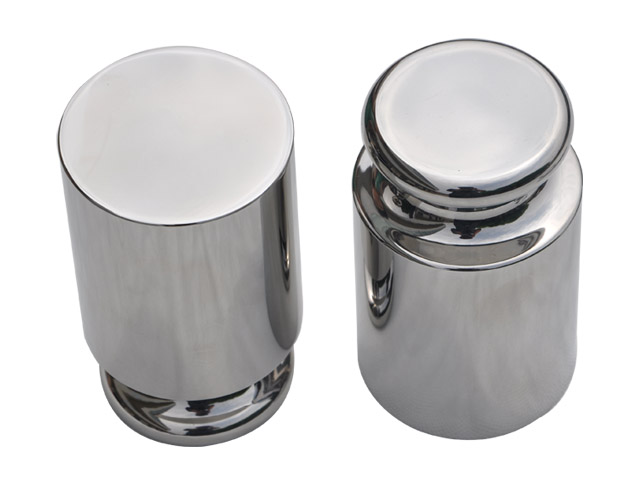
At their core, Class F1 calibration weights are engineered to deliver controlled, repeatable precision that aligns with strict metrological guidelines, tailored to support the calibration of mid-to-high precision weighing equipment. Every weight in this class is crafted to adhere to tight tolerance thresholds, meaning the deviation between its nominal mass and actual mass remains minimal, far narrower than that of lower-class weights designed for less demanding tasks. This level of accuracy is not arbitrary; it is the result of deliberate engineering that accounts for factors such as environmental stability, material consistency, and surface finish, all of which contribute to reliable performance over time. Unlike weights that prioritize durability over precision or vice versa, F1 class weights are built to maintain their metrological properties through regular use, ensuring that each calibration session yields consistent, trustworthy results. This reliability is what sets them apart as a go-to choice for professionals who cannot afford discrepancies in their weighing data, whether in a laboratory, manufacturing plant, or quality assurance facility.
The material selection for Class F1 calibration weights is a critical component of their performance, with manufacturers prioritizing substances that offer exceptional stability, low magnetic susceptibility, and resistance to environmental degradation. The most prevalent material used is high-grade stainless steel, chosen for its unique combination of physical properties that support long-term precision. This stainless steel is not just any standard alloy; it is formulated to minimize magnetic interference, a key consideration because magnetic fields can alter the measured mass of a weight, leading to inaccurate calibration results. Additionally, the material boasts a consistent density, which ensures uniform mass distribution throughout the weight and eliminates internal inconsistencies that could compromise accuracy. The surface of each F1 class weight is meticulously polished to a smooth, non-porous finish, reducing the risk of dust, moisture, or residue accumulation—common culprits that can add unintended mass and skew measurements over time. For heavier F1 class weights, structural integrity is enhanced through solid, one-piece construction in smaller denominations and reinforced, carefully calibrated designs in larger sizes, with some featuring subtle adjustment cavities for fine-tuning mass without altering the overall structure or precision. This attention to material and design ensures that the weights remain stable even when exposed to minor fluctuations in temperature, humidity, and handling, a necessity for tools used in varied working environments.
Manufacturing Class F1 calibration weights is a process that demands meticulous attention to detail at every stage, leaving no room for shortcuts that could compromise precision. It begins with the selection of raw materials that meet strict purity and consistency standards, with batches tested to verify density, magnetic properties, and resistance to corrosion. Once the material is approved, it is precision-machined into the desired weight form, whether cylindrical, knob-shaped, or block-style, using advanced equipment that maintains tight dimensional control. Machining is followed by extensive finishing work, including grinding, polishing, and deburring, to achieve the smooth, defect-free surface required for metrological reliability. After shaping, each weight undergoes a series of precision adjustments to bring its mass within the specified tolerance range for Class F1, a process that requires skilled craftsmanship and sensitive measuring tools to achieve pinpoint accuracy. Once adjusted, the weights are cleaned thoroughly to remove any residual particles from manufacturing, then packaged in protective, dust-resistant cases to preserve their condition during transit and storage. This rigorous manufacturing process is not just about meeting basic specifications; it is about creating a tool that can consistently deliver accurate results, shift after shift, use after use, making it a dependable asset for any operation that relies on precise weighing.
Proper handling and storage are equally vital to preserving the precision of Class F1 calibration weights, as even small oversights can lead to gradual degradation of their metrological properties. Unlike standard tools that can be handled casually, these weights require deliberate care to prevent contamination, scratching, or physical damage that could alter their mass. Direct contact with bare hands is strongly discouraged, as skin oils, sweat, and dirt can leave a thin residue on the weight’s surface, adding minute amounts of mass that accumulate over time and affect calibration accuracy. Instead, users are advised to handle F1 class weights with clean, lint-free gloves or non-magnetic forceps, ensuring that no foreign substances come into contact with the weight’s polished surface. When not in use, the weights should be stored in their dedicated protective cases, which shield them from dust, moisture, and physical impact. Storage areas should be kept at a stable temperature and moderate humidity, avoiding extreme conditions that could cause the material to expand, contract, or corrode. Before each use, it is good practice to inspect the weight for signs of damage or contamination, gently wiping the surface with a clean, soft cloth if needed to remove any stray particles. By following these simple yet critical protocols, users can extend the functional life of their F1 class weights and maintain their precision for years, ensuring that every calibration remains as accurate as the first.
The versatility of Class F1 calibration weights is one of their most valuable attributes, allowing them to serve a wide array of applications across industries where precision weighing is non-negotiable. One of the primary uses is the calibration of high-precision laboratory balances, including analytical balances and top-loading balances that require consistent, accurate reference masses to deliver reliable readings. These balances are staples in research laboratories, pharmaceutical development facilities, and academic institutions, where even tiny measurement errors can skew experimental results, compromise product formulations, or invalidate scientific data. F1 class weights also play a key role in calibrating lower-class weights, such as F2 and M-class weights, acting as a reliable reference standard to ensure the accuracy of mass measurement across a hierarchy of tools. This hierarchical calibration is essential for maintaining consistency in metrology across different departments, facilities, and even organizations, creating a unified standard for mass measurement.
Beyond laboratory settings, Class F1 calibration weights find extensive use in industrial quality control processes, where precise weighing is integral to product consistency and compliance with internal quality standards. Manufacturers in sectors such as food and beverage, cosmetics, chemicals, and electronics rely on these weights to calibrate production-line scales, ensuring that raw materials are measured accurately, finished products meet weight specifications, and packaging contains the correct amount of content. In these high-volume production environments, consistent calibration directly impacts product quality, waste reduction, and operational efficiency; even minor inaccuracies can lead to costly overuse of materials, underfilled products, or rejected batches. F1 class weights are also suitable for field calibration tasks, where portable precision is needed to verify the accuracy of weighing equipment on-site, rather than in a controlled laboratory. Their durable construction and stable performance make them adaptable to semi-controlled field conditions, providing a reliable reference mass for technicians calibrating scales in warehouses, production floors, and remote testing sites.
Another notable application of Class F1 calibration weights is in routine equipment maintenance and performance verification, helping teams identify drift or inaccuracies in weighing tools before they lead to significant errors. Regular calibration with these weights allows operators to track the performance of balances and scales over time, detecting gradual shifts in accuracy that may stem from wear and tear, environmental changes, or mechanical issues. This proactive approach to equipment maintenance is far more effective than reactive fixes, as it prevents faulty measurements from impacting daily operations, quality checks, and data collection. For businesses and research facilities, this not only safeguards the integrity of their work but also supports streamlined operations, as reliable equipment reduces downtime, rework, and the risk of non-compliance with internal quality protocols. Unlike specialized weights that are limited to narrow, high-end applications, F1 class weights offer broad utility, making them a cost-effective investment for teams that need precision across multiple tasks and environments.
When evaluating the role of Class F1 calibration weights within the broader metrological landscape, it is important to recognize their position as a practical, accessible solution for precision measurement. They do not claim to match the ultra-tight tolerances of the highest-grade calibration weights, which are reserved for national metrology institutes and specialized reference laboratories. Nor do they possess the rugged, heavy-duty build of lower-class weights designed for harsh industrial environments with minimal precision demands. Instead, they carve out a unique niche that caters to the majority of professional weighing needs, delivering a level of accuracy that is sufficient for demanding yet routine applications, paired with a durability that supports regular use. This balance of precision and practicality is what makes them a staple in countless workplaces, from small research labs to large-scale manufacturing facilities.
In an era where data-driven decision-making dominates nearly every industry, the importance of reliable measurement tools cannot be overstated. Inaccurate weighing data can have far-reaching consequences, from flawed scientific research and compromised product quality to financial losses and damaged reputations. Class F1 calibration weights serve as a critical line of defense against these risks, providing a consistent, traceable reference for mass that underpins the accuracy of all measurements taken with calibrated equipment. They represent the intersection of craftsmanship, engineering, and practicality, designed to meet the real-world needs of professionals who rely on precision day in and day out. Every detail, from the material selection to the manufacturing process to the recommended handling practices, is geared toward one goal: sustaining reliable, repeatable accuracy that users can trust.
As technology continues to advance and weighing equipment becomes increasingly sophisticated, the demand for dependable calibration tools like Class F1 weights remains steady. Even as automated systems and digital measurement tools evolve, they still require physical reference masses to verify their accuracy, and F1 class weights continue to fill that role effectively. Their enduring relevance stems from their ability to adapt to changing industry needs while maintaining the core principles of metrological precision. Whether used to calibrate a sensitive analytical balance in a research lab, a production scale in a manufacturing plant, or a portable scale in a field setting, these weights consistently deliver the performance needed to uphold measurement standards. They are more than just metal masses; they are essential components of quality assurance, scientific integrity, and operational efficiency, quietly ensuring that the measurements that shape our work, our products, and our research are accurate and reliable. In the grand scheme of metrology, Class F1 calibration weights may not be the most specialized or the most basic tools, but they are among the most essential, offering a perfect blend of precision and practicality that stands the test of time and evolving industry demands.
Investing in high-quality Class F1 calibration weights and adhering to proper care protocols is not just a matter of meeting operational needs; it is a commitment to excellence in measurement. Teams that prioritize accurate calibration with reliable reference weights set themselves up for consistent quality, reduced errors, and enhanced credibility in their respective fields. As industries continue to raise standards for precision and quality, the role of Class F1 calibration weights will only grow more prominent, solidifying their status as a foundational tool in the world of precision measurement. Their quiet reliability and consistent performance make them an indispensable asset for any professional who understands that accurate measurements are the cornerstone of successful, trustworthy work.
