





Changzhou Veidt Weighing Co., Ltd. © 2022 ALL RIGHTS RESERVED Privacy Policy | Calibration Weight | Test Weights | Cast Iron Weights | Standard Weights | Laboratory Weights | XML | SITEMAP
NEWS LIST
calibration weight 500g
Saturday 14th March 2026 Back to list
In the intricate web of modern measurement and quality control, precision is not merely a desirable trait but a foundational necessity that underpins countless operations across industries, laboratories, and daily commercial activities. At the heart of maintaining this precision lies the calibration weight, a seemingly unassuming yet profoundly critical tool that serves as a universal reference for weighing accuracy. Among the various standard weights used globally, the 500g calibration weight stands out as one of the most versatile and widely utilized, bridging the gap between small-scale laboratory measurements and mid-range industrial weighing needs. Unlike specialized weights tailored for extreme precision or heavy-duty applications, the 500g calibration weight occupies a unique middle ground, offering a balanced reference point that caters to a vast array of weighing instruments and scenarios, making it an irreplaceable asset in any setting where accurate weight measurement is non-negotiable.
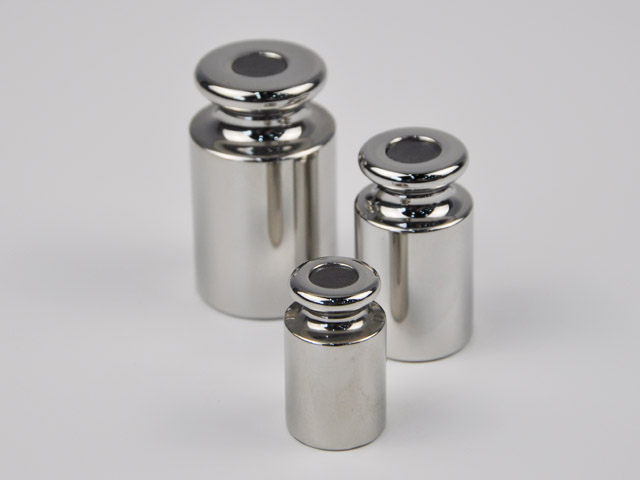
To fully grasp the significance of a 500g calibration weight, it is essential to understand the core purpose of calibration weights in general. These weights are standardized masses designed to verify, adjust, and calibrate weighing devices, ensuring that the readings produced by scales, balances, and other weighing equipment align with established global measurement norms. Without a reliable reference mass like a 500g calibration weight, even the most advanced weighing instruments will gradually drift from accuracy over time, affected by factors such as regular wear and tear, environmental changes, mechanical stress, and electrical fluctuations. This drift, though often subtle at first, can snowball into significant errors that disrupt workflows, compromise product quality, and lead to costly discrepancies in both commercial and technical contexts. The 500g calibration weight acts as a steady anchor, counteracting these inaccuracies and restoring the integrity of weighing systems, no matter how frequently the equipment is used or how harsh the operating conditions may be.
The physical design and material composition of a 500g calibration weight are carefully engineered to uphold its mass stability and long-term reliability, key attributes that define its functionality. Crafted from durable, corrosion-resistant materials that resist tarnishing, scratching, and dimensional changes, these weights are built to maintain a consistent mass value even with repeated handling and exposure to diverse environments. Common materials used in their construction include high-grade stainless steel and solid brass, chosen for their ability to withstand oxidation, physical impact, and temperature-induced expansion or contraction—factors that could alter the weight’s actual mass and render it ineffective as a calibration reference. The surface of a 500g calibration weight is typically finished to a smooth, uniform texture, minimizing the accumulation of dust, debris, or moisture that could add unintended mass and skew calibration results. Many models feature a compact, ergonomic shape with a slightly recessed top or a smooth edge, allowing for safe, secure handling without direct contact with the main weighing surface, which helps preserve the weight’s precision and prevent accidental damage during use.
One of the most compelling advantages of the 500g calibration weight is its unparalleled versatility across a multitude of sectors, each with distinct weighing requirements that this standard mass effortlessly meets. In scientific and research laboratories, where even the tiniest measurement error can invalidate experiments, compromise data integrity, or hinder breakthrough discoveries, the 500g calibration weight is a staple tool for calibrating analytical balances and precision scales. Researchers working in chemistry, biology, physics, and materials science rely on this weight to ensure that reagents, samples, and specimens are measured with exacting accuracy, as precise weighing is the first step in generating reproducible, trustworthy experimental results. Whether conducting routine testing, developing new formulations, or performing complex analytical procedures, laboratory professionals depend on the 500g calibration weight to eliminate uncertainty in their measurements, turning raw data into actionable insights that drive scientific progress.
Beyond the controlled environment of laboratories, the 500g calibration weight plays a vital role in manufacturing and industrial production, where consistent weighing is integral to maintaining product uniformity and quality standards. In industries ranging from food and beverage production to pharmaceuticals, cosmetics, and small-part manufacturing, accurate weighing of raw materials, ingredients, and finished components is essential to meet formulation specifications, adhere to production protocols, and ensure every product leaving the production line meets predefined quality benchmarks. A minor deviation in ingredient weight, for example, can alter the texture, taste, or efficacy of a consumer product, while inaccurate weighing of industrial components can lead to assembly errors, product defects, and wasted resources. The 500g calibration weight serves as a reliable checkpoint for factory floor scales and weighing systems, allowing quality control teams to conduct regular calibration checks quickly and efficiently, minimizing production downtime and reducing the risk of defective products reaching the market. This consistent calibration not only safeguards product quality but also optimizes material usage, cutting down on waste and improving overall operational efficiency for manufacturing facilities of all sizes.
The commercial and retail sectors also rely heavily on the 500g calibration weight to uphold fairness and transparency in trade, where accurate weighing directly impacts both businesses and consumers. From local grocery stores and specialty food shops to pharmacies, bulk supply stores, and online retail operations, retail scales are used daily to weigh goods sold by weight, from fresh produce and dry goods to pharmaceuticals and small hardware items. For these businesses, using a calibrated scale is not just a matter of operational efficiency but a commitment to ethical commerce, ensuring that customers receive the exact quantity of product they pay for and that businesses are not losing revenue due to underweight readings. The 500g calibration weight provides a convenient, accessible reference for retail staff to perform regular scale checks, verifying that the equipment remains accurate between formal inspections. This simple yet effective practice builds trust between businesses and consumers, fosters a fair trading environment, and prevents disputes that could arise from inaccurate weight measurements, solidifying the 500g calibration weight as a cornerstone of ethical retail operations.
In addition to these core sectors, the 500g calibration weight finds utility in educational settings, where it serves as a practical teaching tool to instill foundational knowledge of measurement, precision, and metrology. In classrooms and training facilities, students learning about basic science, mathematics, and industrial technology use 500g calibration weights to understand the principles of weighing, calibration, and error correction. These hands-on learning experiences help students grasp the importance of accurate measurement in real-world applications, laying the groundwork for future careers in science, engineering, manufacturing, and quality assurance. By working with a tangible, standardized weight like the 500g model, students move beyond theoretical learning and develop a practical understanding of how precision tools shape reliable data and consistent outcomes, making the calibration weight an invaluable educational resource that bridges classroom learning with real-world practice.
Proper handling and maintenance of a 500g calibration weight are equally critical to preserving its accuracy and extending its service life, as even minor oversights can compromise its mass integrity. Users must adhere to basic best practices when interacting with the weight, starting with clean, dry hands or the use of soft, lint-free gloves to prevent the transfer of oils, dirt, or moisture onto the weight’s surface. Placing the weight on a clean, flat, stable surface when not in use, and storing it in a protective case or dedicated storage compartment, shields it from dust, scratches, and accidental drops that could alter its mass or damage its structure. It is equally important to avoid exposing the 500g calibration weight to extreme temperatures, direct sunlight, or corrosive substances, as these environmental factors can cause material degradation, warping, or oxidation, all of which undermine its precision. Regular gentle cleaning with a soft, non-abrasive cloth to remove surface contaminants is recommended, but harsh chemicals or scrubbing tools should be avoided to prevent damage to the weight’s finish and underlying material.
Another key aspect of maintaining a 500g calibration weight’s reliability is recognizing the need for periodic re-verification of its mass, even with careful handling. Over time, no calibration weight can remain entirely immune to subtle changes caused by long-term use, minor abrasions, or environmental exposure, which is why routine checks are essential to confirm that its mass remains consistent with the standard 500g value. While the frequency of these checks varies depending on usage intensity and operating conditions, regular verification ensures that the weight continues to serve as a trustworthy reference, preventing the propagation of inaccurate calibrations across multiple weighing instruments. This proactive approach to maintenance not only protects the investment in the calibration weight but also upholds the overall accuracy of the entire weighing ecosystem it supports, from laboratory balances to retail scales and industrial weighing systems.
The impact of a well-maintained 500g calibration weight extends far beyond individual weighing tasks, contributing to the broader framework of global measurement consistency and standardization. In a world where cross-border trade, collaborative scientific research, and global supply chains rely on uniform measurement practices, standardized calibration weights like the 500g model serve as a common language of precision, ensuring that weighing measurements are consistent regardless of location, industry, or application. This uniformity eliminates barriers to trade, facilitates the sharing of scientific data across international borders, and ensures that products and components manufactured in different parts of the world meet compatible quality standards. Without reliable reference weights such as the 500g calibration weight, this global alignment of measurement practices would be impossible, leading to fragmented standards, costly discrepancies, and a breakdown in the trust that underpins modern global commerce and scientific cooperation.
It is also important to distinguish the 500g calibration weight from makeshift or non-standard reference objects that are sometimes used in informal settings, highlighting why a dedicated calibration weight is indispensable for accurate results. Everyday items that approximate 500g, such as food packages, water bottles, or household objects, may seem like convenient substitutes, but they lack the consistent mass, stability, and uniformity of a purpose-built calibration weight. Variations in packaging material, moisture content, product density, and manufacturing tolerances mean these items can deviate significantly from the exact 500g mass, leading to flawed calibrations and unreliable weighing readings. In contrast, a 500g calibration weight is manufactured to strict mass tolerances, with every unit engineered to meet consistent precision benchmarks, making it the only viable choice for applications where measurement accuracy is critical. This reliability sets calibration weights apart from informal alternatives, solidifying their role as the gold standard for weighing calibration across all professional settings.
As technology continues to advance and weighing equipment becomes increasingly sophisticated, the role of the 500g calibration weight remains unchanged and even more vital. Modern digital scales and high-precision balances offer enhanced functionality, faster readouts, and greater sensitivity, but they still depend on a trusted reference mass to maintain their accuracy. The 500g calibration weight is fully compatible with these advanced systems, providing a timeless, dependable reference that complements cutting-edge weighing technology. Whether calibrating a compact digital pocket scale for small-scale crafting and hobby work, a precision laboratory balance for scientific research, or a mid-range industrial scale for production operations, the 500g calibration weight adapts seamlessly to diverse technological setups, proving that fundamental precision tools remain relevant even as surrounding equipment evolves.
In summary, the 500g calibration weight is far more than a simple metal mass; it is a cornerstone of precision measurement that sustains accuracy, reliability, and consistency across every facet of modern life. From groundbreaking scientific research and stringent manufacturing quality control to fair commercial trade and hands-on educational learning, its influence is pervasive and indispensable. Its thoughtful design, durable construction, and universal versatility make it the go-to reference for calibrating a vast range of weighing instruments, addressing the unique needs of multiple industries and applications with unwavering reliability. By prioritizing proper handling, regular maintenance, and routine verification, users can ensure that their 500g calibration weight continues to deliver accurate, consistent performance for years, safeguarding the integrity of every weighing task it supports. In a world that demands precision at every turn, the 500g calibration weight stands as a quiet yet powerful symbol of excellence in measurement, reminding us that even the most unassuming tools can have the most profound impact on the quality, efficiency, and fairness of the work we do.
